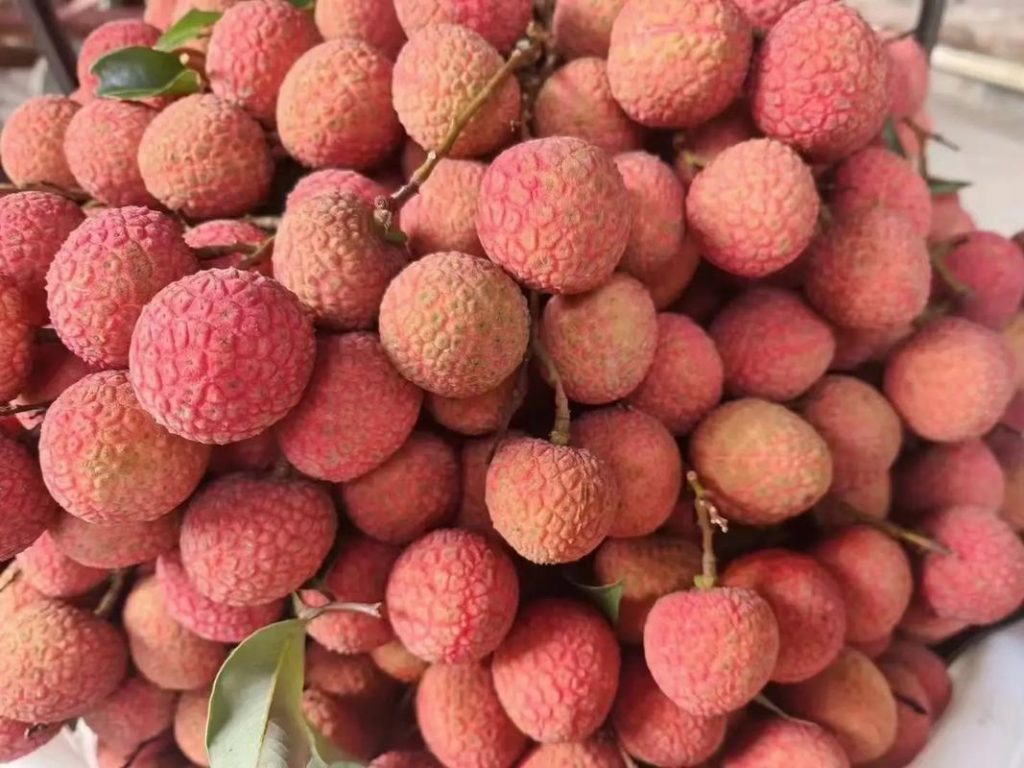
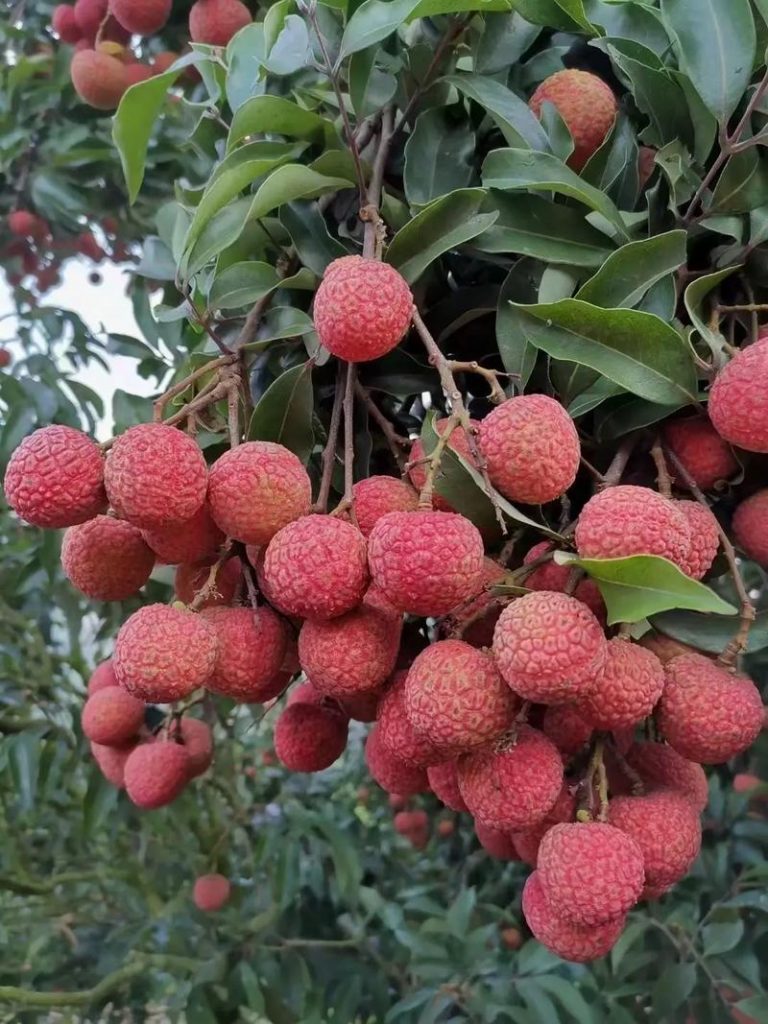
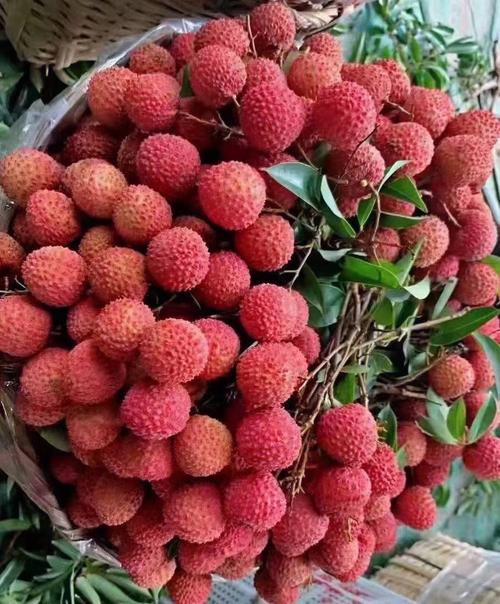
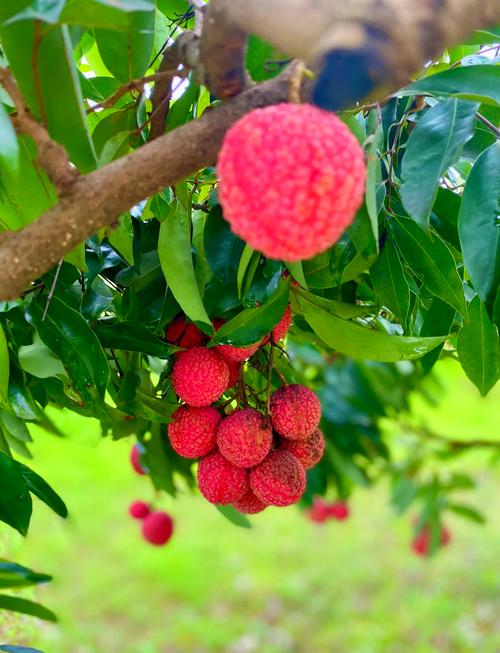
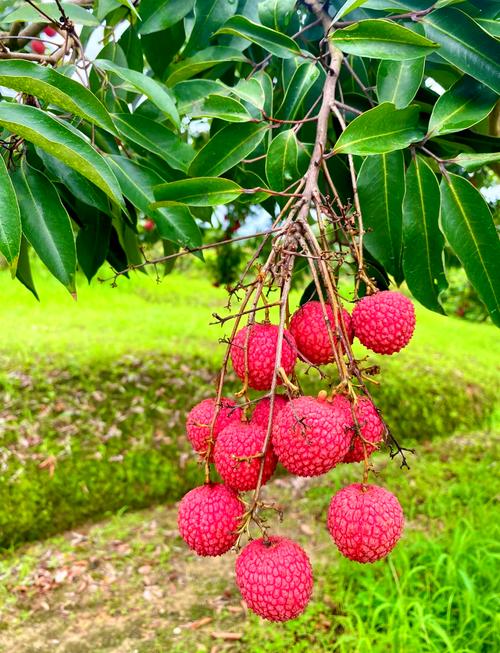
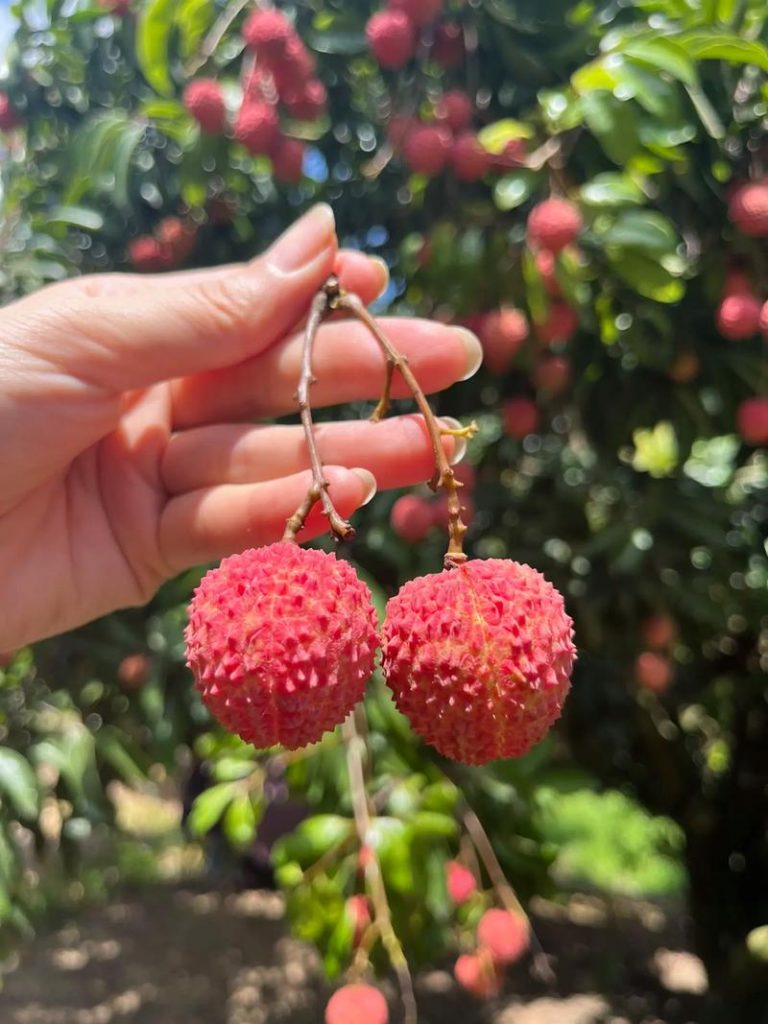
When sourcing lychee from China, international buyers face a key decision: fresh or frozen? 🌍
Each option serves different markets, logistics models, and consumer expectations.
This article provides a professional, buyer-focused comparison between fresh Chinese lychee and frozen Chinese lychee, helping importers choose the right product format for long-term success.
🌳 1. Understanding the Two Supply Models
Chinese lychee exports operate under two fundamentally different models:
- 🍒 Fresh lychee – harvested and shipped within days
- ❄️ Frozen lychee (IQF or block frozen) – processed and stored long-term
Both originate from the same orchards, but diverge immediately after harvest.
⏱️ 2. Harvest Timing Differences
Fresh lychee requires precise harvest timing.
🕔 Fresh lychee:
- Picked at peak ripeness
- Harvested early morning
- Immediate pre-cooling
❄️ Frozen lychee:
- Can be harvested over a wider window
- Slightly overripe fruit acceptable
- Less time pressure
This difference strongly impacts cost and risk.
🍬 3. Taste & Texture Comparison
| Aspect | Fresh Lychee | Frozen Lychee |
|---|---|---|
| Sweetness | Very high | High |
| Texture | Crisp & juicy | Softer after thawing |
| Aroma | Strong | Moderate |
📌 Fresh lychee dominates premium fresh fruit markets, while frozen lychee is preferred for food processing and desserts.
❄️ 4. Shelf Life & Storage Capability
Shelf life is one of the biggest deciding factors.
| Product Type | Shelf Life | Storage Requirement |
|---|---|---|
| Fresh | 10–21 days | 1–3°C cold chain |
| Frozen | 12–24 months | −18°C freezer |
Frozen lychee offers year-round availability, independent of harvest season.
🚢 5. Logistics & Transportation Differences
🚚 Fresh lychee:
- Air freight or controlled sea freight
- High logistics cost
- High time sensitivity
🚢 Frozen lychee:
- Standard reefer containers
- Lower cost per kg
- Stable delivery schedule
Frozen lychee is ideal for long-distance and price-sensitive markets.
💰 6. Cost Structure Comparison
| Cost Component | Fresh Lychee | Frozen Lychee |
|---|---|---|
| Raw fruit | Higher | Lower |
| Processing | Low | Higher |
| Logistics | Very high | Medium |
| Loss rate | High | Very low |
📊 Overall, frozen lychee usually has 30–50% lower landed cost.
🏪 7. Target Markets for Fresh vs Frozen Lychee
🍒 Fresh lychee markets:
- Japan 🇯🇵
- Australia 🇦🇺
- Middle East 🇦🇪
- High-end EU retail 🇪🇺
❄️ Frozen lychee markets:
- Europe food service
- North America processing
- Bakery & beverage manufacturers
- Off-season retail programs
🧪 8. Food Safety & Compliance Differences
Fresh lychee:
- Strict pesticide residue limits
- More frequent inspections
- Short compliance window
Frozen lychee:
- Easier residue management
- Batch-based testing
- Better traceability
This makes frozen lychee attractive for regulation-heavy markets.
📦 9. Packaging Options
| Product | Packaging | Typical Use |
|---|---|---|
| Fresh | Foam box / carton | Wholesale |
| Fresh | Clamshell | Retail |
| Frozen | PE bag + carton | Processing |
| Frozen | Retail bag | Supermarkets |
Packaging design impacts brand positioning.
🏷️ 10. Branding & Value-Added Opportunities
Frozen lychee offers strong value-added potential:
- Pitted lychee
- Sugar-added or sugar-free
- Organic-certified batches
- Private label retail packs
Fresh lychee focuses on:
- Orchard branding
- Variety storytelling
- Premium freshness claims
🤝 11. Buyer Strategy: When to Choose Which
Choose fresh lychee if:
- Market pays for freshness
- Air logistics are viable
- Sales are seasonal
Choose frozen lychee if:
- Year-round supply is required
- Price stability matters
- Processing or food service is the focus
Many successful buyers adopt a dual-product strategy.
🔮 12. Future Trends: Hybrid Supply Models
Increasingly, Chinese exporters offer:
- Fresh lychee in season 🍒
- Frozen lychee off-season ❄️
This hybrid model helps buyers:
- Maintain brand continuity
- Reduce seasonal risk
- Maximize annual revenue
⭐ 13. Real Buyer Reviews: Fresh vs Frozen Experience
💬 Feedback from international buyers
- 👩🇦🇺 SydneyPremium (Australia): “Fresh lychee sold out fast.”
- 👨🇯🇵 KobeRetail (Japan): “Texture and aroma were excellent.”
- 👩🇦🇪 DubaiDessertCo (UAE): “Frozen lychee worked perfectly for desserts.”
- 👨🇩🇪 MunichFoods (Germany): “Frozen format simplified inventory.”
- 👩🇸🇬 IslandChef (Singapore): “Both formats served different customers.”
- 👨🇫🇷 BordeauxBakery (France): “Frozen lychee consistency was ideal.”
- 👩🇨🇦 TorontoImport (Canada): “Lower waste with frozen supply.”
- 👨🇲🇾 KLFoodService (Malaysia): “Fresh for festivals, frozen year-round.”
- 👩🇰🇷 SeoulDessert (Korea): “Frozen lychee easy to handle.”
- 👨🇬🇧 UKCatering (UK): “Cost control improved.”
- 👩🇳🇱 AmsterdamTrade (Netherlands): “Hybrid sourcing strategy worked.”
- 👨🇹🇭 BangkokBakery (Thailand): “Frozen lychee flavor remained good.”
- 👩🇸🇦 RiyadhFoods (Saudi Arabia): “Fresh lychee premium customers loved it.”
- 👨🇮🇹 FlorenceGelato (Italy): “Frozen lychee perfect for gelato.”
- 👩🇺🇸 NYWholesale (USA): “Dual sourcing reduced seasonal risk.”
🌟 Conclusion
Fresh and frozen lychee from China are not competitors—they are complementary products.
By understanding quality differences, cost structures, and market positioning, buyers can build flexible, profitable lychee sourcing strategies year-round.


No reply content