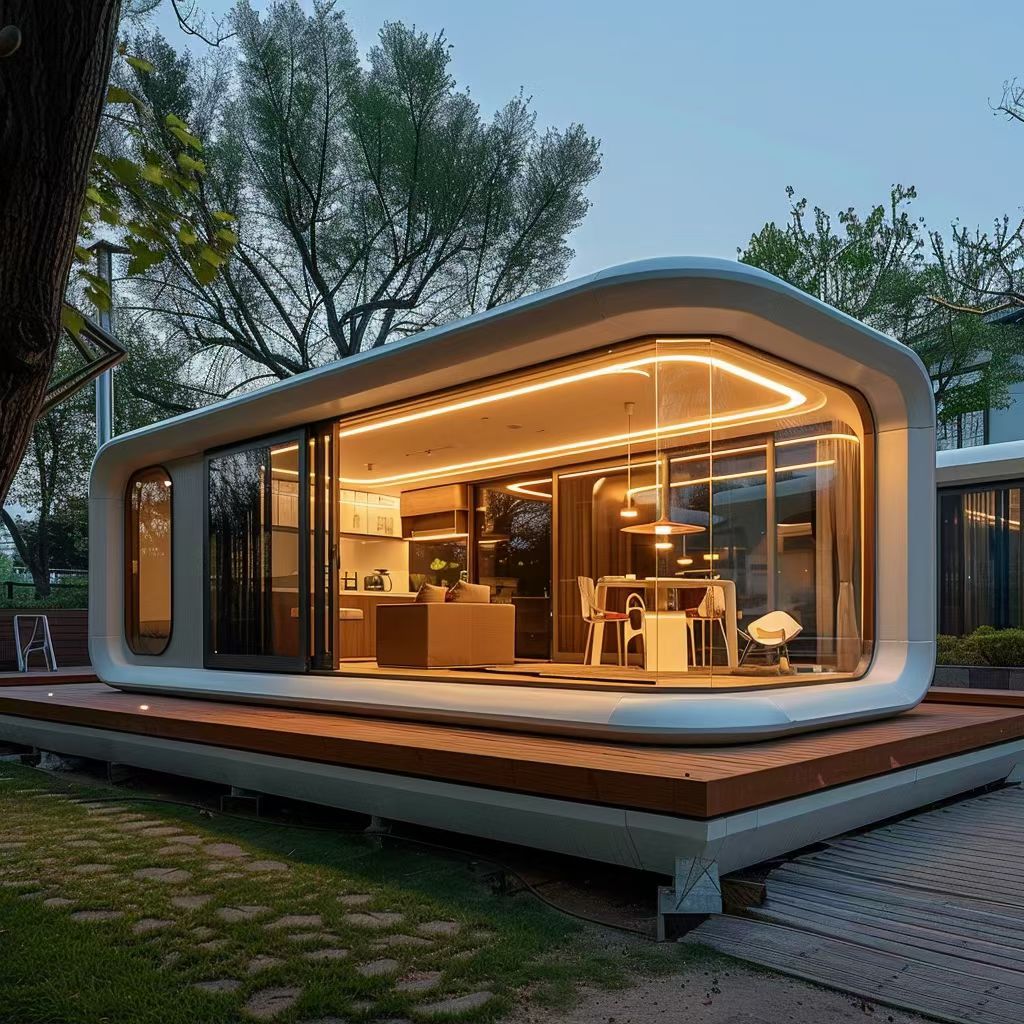
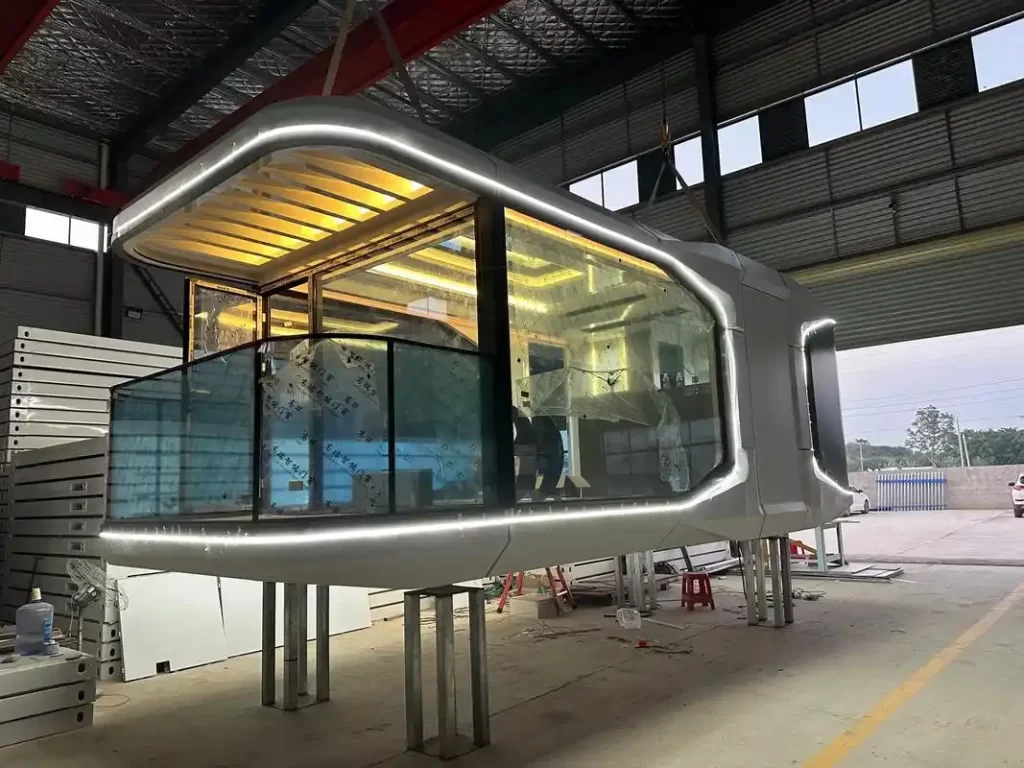
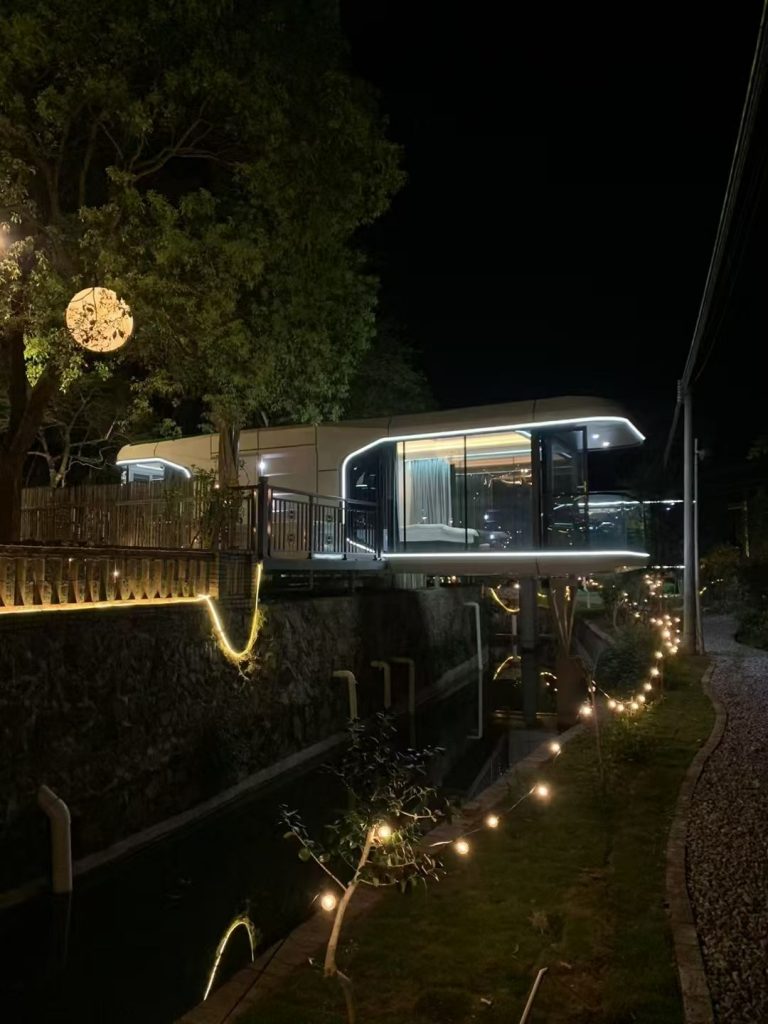
In a world saturated with noise, modern design stands as a quiet revolution—prioritizing clarity, purpose, and emotional resonance. It’s not just about clean lines or minimalism; it’s a philosophy that merges form and function to create spaces, products, and experiences that feel both timeless and timely. Let’s explore how modern design redefines beauty through intentionality.
🌱 Design Philosophy: Less Noise, More Meaning
Modern design thrives on intentional subtraction—removing excess to highlight what matters. Its core lies in balancing aesthetics with human needs, creating harmony between the object and its user.
Vertical Table 1: 7 Guiding Principles of Modern Design
| Principle | Description |
|---|---|
| Minimalism | “Less is more”: Eliminating clutter to focus on essential forms |
| Function First | Every element serves a purpose (e.g., hidden storage in furniture) |
| Emotional Resonance | Using color, texture, or light to evoke calm, joy, or curiosity |
| Geometric Clarity | Clean lines, balanced proportions, and symmetrical/asymmetrical harmony |
| Material Honesty | Showcasing raw materials (wood grain, metal sheen) without heavy finishes |
| Adaptability | Modular pieces that evolve with user needs (e.g., convertible sofas) |
| Cultural Timelessness | Blending global influences (Scandinavian warmth + Japanese wabi-sabi) |
🔄 Aesthetic Evolution: Traditional vs. Modern
Modern design breaks from ornate traditions, favoring understatement over extravagance.
Horizontal Table 1: Traditional vs. Modern Design Aesthetics
| Aspect | Traditional Design | Modern Design |
|---|---|---|
| Ornamentation | Intricate carvings, gold leaf, patterns | Smooth surfaces, subtle textures |
| Color Palette | Rich jewel tones (emerald, ruby) | Neutral base (white, gray) + pops of earthy hues |
| Form | Curved, decorative silhouettes | Angular, streamlined shapes |
| Focus | Status display (e.g., ornate furniture) | User comfort + spatial flow |
🛠️ Function & Form: The Art of Utility
Modern design proves that practicality and beauty are not opposites—they’re partners.
Vertical Table 2: 7 Function-Form Integration Examples
| Product/ Space | Form Feature | Functional Benefit |
|---|---|---|
| Modular Sofa | Interlocking cushions + hidden legs | Reconfigurable seating + easy storage |
| Pendant Lamp | Geometric wireframe + dimmable LED | Adjustable light + sculptural presence |
| Kitchen Island | Butcher-block top + slide-out drawers | Prep space + organized tool storage |
| Wall Shelf | Floating design + asymmetrical layout | Illusion of space + flexible display |
| Desk Chair | Ergonomic curve + mesh back | Posture support + breathable comfort |
| Planter Box | Tiered vertical structure | Maximize greenery in small areas |
| Entryway Bench | Upholstered seat + shoe rack underside | Rest + clutter-free entry |
🌍 Sustainability: Designing for the Planet
Modern design embraces eco-consciousness, using materials and methods that reduce waste.
Vertical Table 3: 7 Sustainable Modern Design Practices
| Practice | Implementation |
|---|---|
| Recycled Materials | Furniture from reclaimed wood; rugs from plastic bottles |
| Low-VOC Finishes | Paints/sealants with minimal toxic emissions |
| Energy Efficiency | LED-integrated fixtures; passive solar heating in buildings |
| Biodegradable Textiles | Organic cotton, hemp, or bamboo fabrics |
| Upcycling | Turning old doors into tables; wine crates into shelves |
| Local Sourcing | Materials harvested/manufactured within 200 miles to cut transport |
| Circular Lifecycle | Designing products for disassembly and reuse (e.g., modular electronics) |
💻 Tech Integration: Smart, Not Showy
Modern design weaves technology into daily life discreetly, enhancing convenience without overwhelming the senses.
Vertical Table 4: 7 Smart Modern Design Features
| Feature | How It Works |
|---|---|
| Hidden Charging Ports | Built into furniture edges or walls (e.g., sofa armrests) |
| Voice-Controlled Lighting | Adjust brightness/color via apps or voice assistants |
| Automated Blinds | Sensors sync with sunlight to optimize natural light |
| Smart Thermostats | Learn occupancy patterns to save energy |
| Wireless Speakers | Disguised as art pieces or furniture (e.g., wooden slab speakers) |
| App-Enabled Locks | Keyless entry with temporary access codes for guests |
| Energy Dashboards | Real-time tracking of household consumption via wall-mounted screens |
🏡 Cross-Industry Applications
Modern design adapts to diverse fields, from homes to public spaces.
Horizontal Table 2: Modern Design in 5 Industries
| Industry | Key Traits | Example Application |
|---|---|---|
| Residential | Open-plan layouts, multifunctional furniture | Loft apartments with foldable walls |
| Retail | Minimalist displays, experiential zones | Pop-up stores with modular shelving |
| Healthcare | Calming neutrals, accessible layouts | Clinics with natural light + soft edges |
| Workplace | Collaborative pods, ergonomic seating | Offices with standing desk stations |
| Hospitality | Locally sourced decor, tech-free nooks | Boutique hotels with courtyard gardens |
😊 User Experience: Designing for People
At its heart, modern design centers on the user—creating intuitive, joyful interactions.
Vertical Table 5: 7 UX Optimization Strategies
| Strategy | Outcome |
|---|---|
| Intuitive Navigation | Clear labels, logical flow (e.g., kitchen utensil drawer organization) |
| Sensory Balance | Mixing textures (soft rug + smooth table) to engage touch |
| Personalization | Customizable elements (e.g., interchangeable cushion covers) |
| Accessibility | Wide doorways, lever handles, adjustable-height counters |
| Surprise Elements | Hidden compartments (e.g., bookshelf secret drawer) |
| Feedback Mechanisms | Tactile responses (clicky switches, soft-close cabinets) |
| Storytelling Through Design | Using artifacts (vintage maps, handmade pottery) to reflect user identity |
📈 Future Trends: 2025–2030
Modern design will evolve with societal shifts—prioritizing wellness, inclusivity, and adaptability.
Horizontal Table 3: Emerging Modern Design Trends
| Trend | Impact | Example |
|---|---|---|
| Biophilic Design | Integrating nature (living walls, natural light) to boost mental health | Offices with indoor tree groves |
| Inclusive Design | Products for neurodiverse users (e.g., sensory-friendly textures) | Quiet rooms with soundproofing |
| 3D-Printed Customization | On-demand furniture tailored to body measurements | 3D-printed ergonomic chairs |
| Circular Fashion | Clothing made from recycled materials, designed for disassembly | Modular jackets with replaceable parts |
✨ Core Values & Challenges
Modern design balances ideals with real-world constraints.
Vertical Table 6: 7 Core Values of Modern Design
| Value | Manifestation |
|---|---|
| Authenticity | Avoiding trends; focusing on enduring appeal |
| Inclusivity | Designing for all ages, abilities, and cultures |
| Transparency | Clear labeling of materials/sustainability efforts |
| Humility | Letting the design speak for itself (no flashy logos) |
| Curiosity | Experimenting with new materials (e.g., mushroom-based composites) |
| Responsibility | Considering a product’s full lifecycle (production to disposal) |
| Joy | Infusing small delights (e.g., a pop of color in a neutral room) |
Vertical Table 7: 7 Common Challenges & Solutions
| Challenge | Solution |
|---|---|
| Perceived Coldness | Add warm textures (wool throws, wooden accents) |
| High Initial Cost | Start with small updates (e.g., swap decor before major furniture) |
| Over-Simplicity Risk | Layer elements (art, plants) to avoid sterile look |
| Material Availability | Opt for locally sourced alternatives (e.g., bamboo instead of rare wood) |
| Tech Obsolescence | Choose modular tech (upgradable components) |
| Cultural Misinterpretation | Research local context before applying global trends |
| DIY Complexity | Use beginner-friendly kits (e.g., modular shelf systems) |
Final Thought
Modern design is a mirror to our times—reflecting a desire for calm, purpose, and connection. It teaches us that beauty isn’t about accumulation, but curation; not about perfection, but intention. As we move forward, its principles will continue to guide us in creating a world that feels as good as it looks.
Article link:https://www.vlefooena.com/%f0%9f%8e%a8-modern-design-where-simplicity-meets-soul-%e2%9c%a8/


No reply content