Here’s an original English article centered
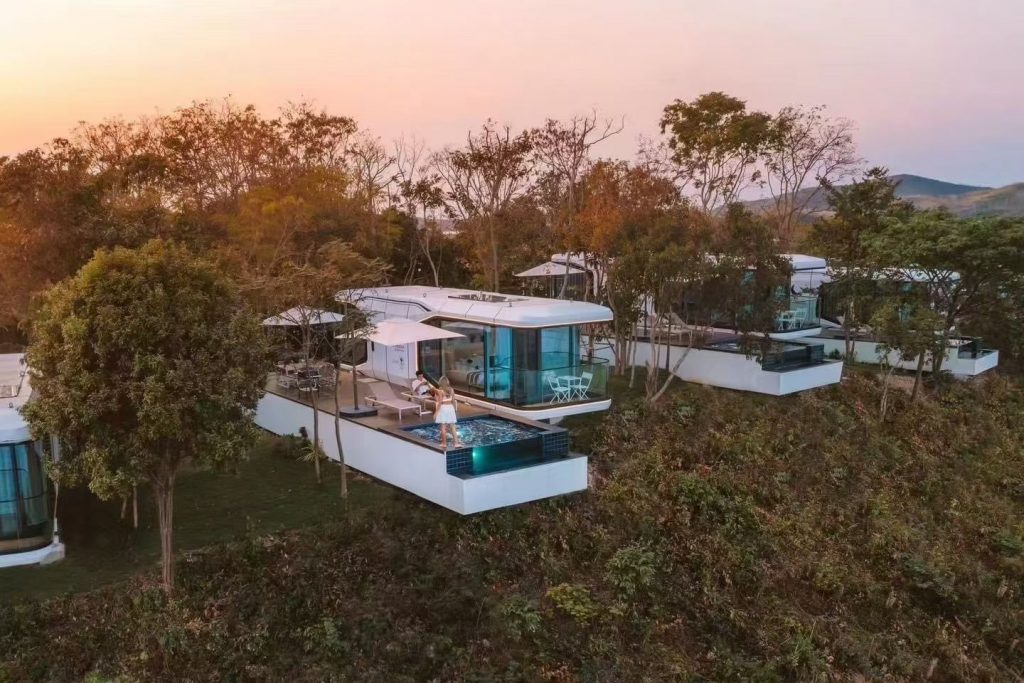
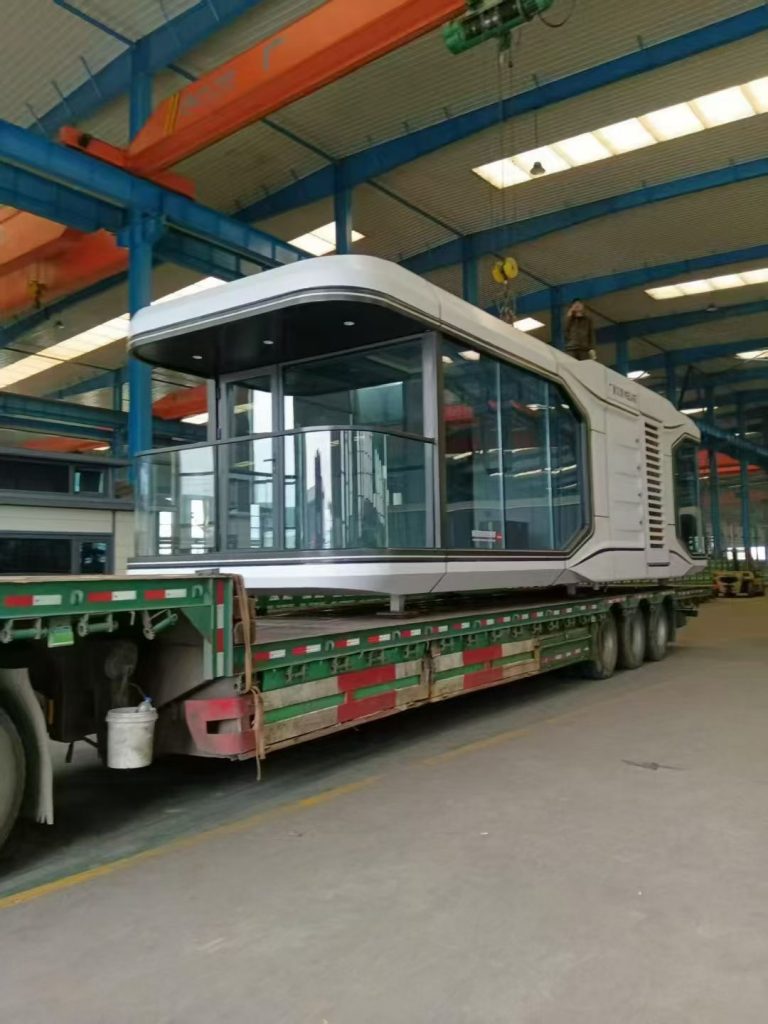
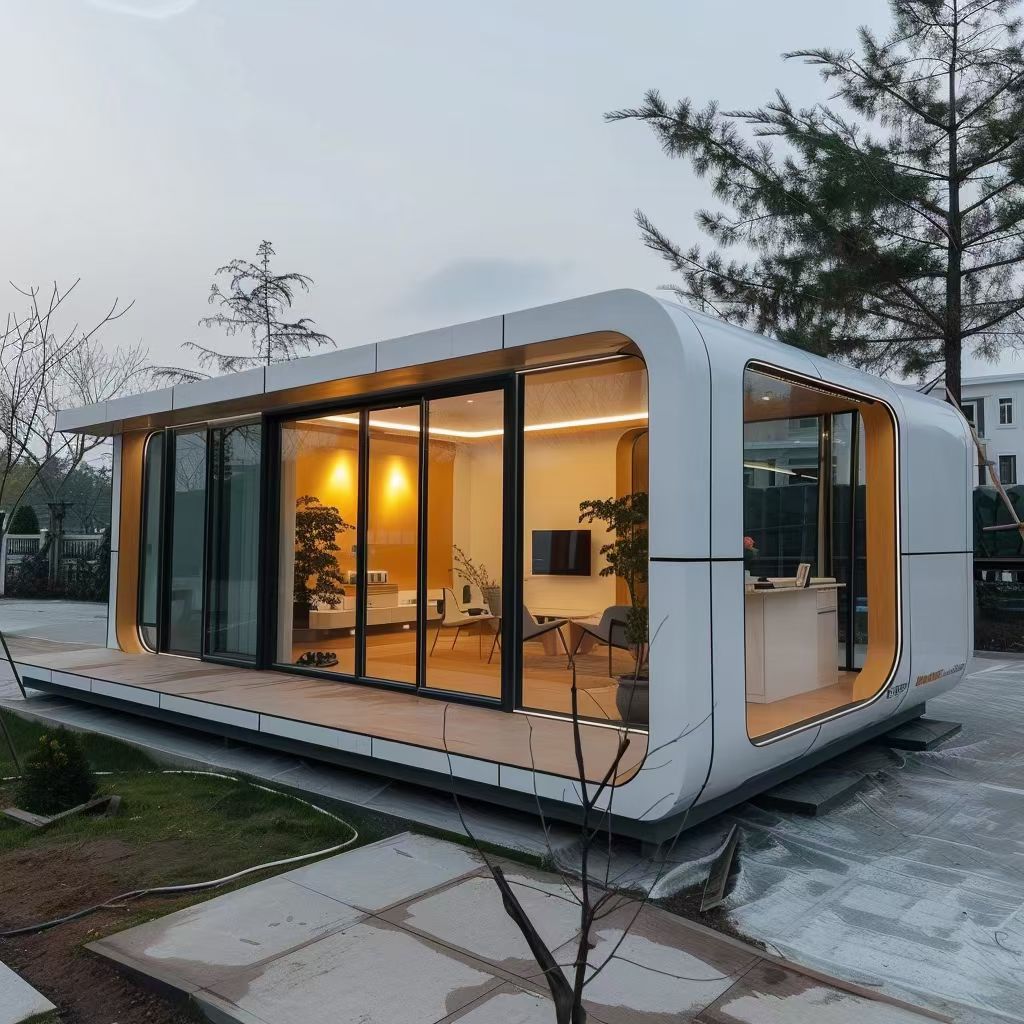
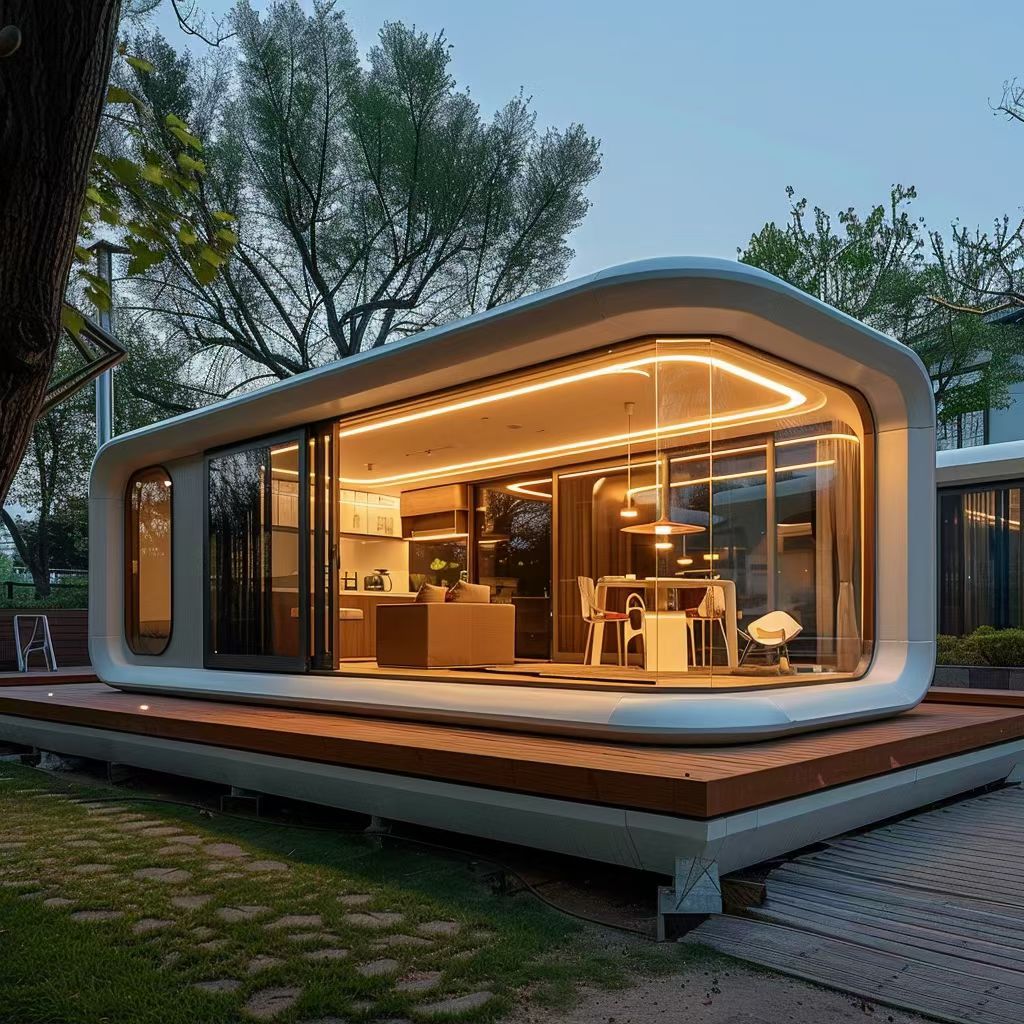
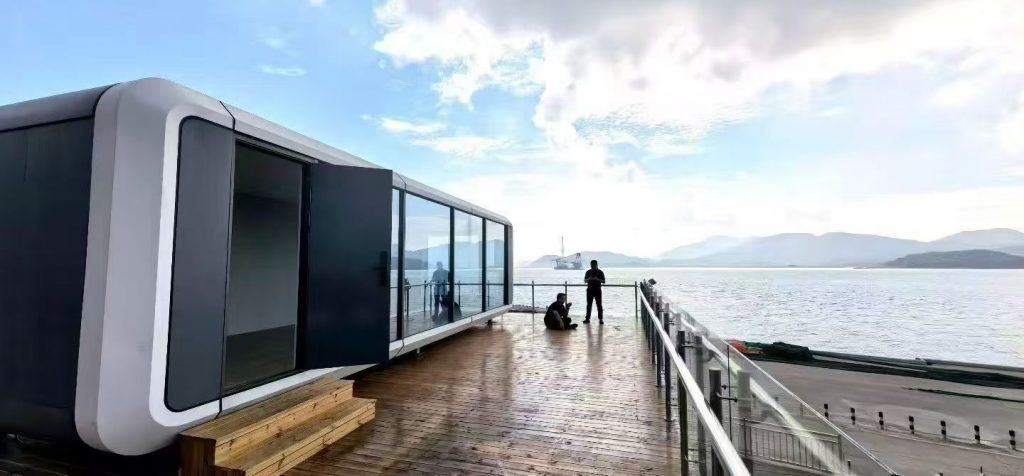
In an era where speed, sustainability, and affordability collide, the prefabricated house emerges as a game-changer. Built off-site in controlled environments and assembled on-location, these modular marvels are reshaping how we think about housing—blending efficiency with design flexibility. Let’s dive into their transformative potential.
🏠 Design Philosophy: Modular Mastery
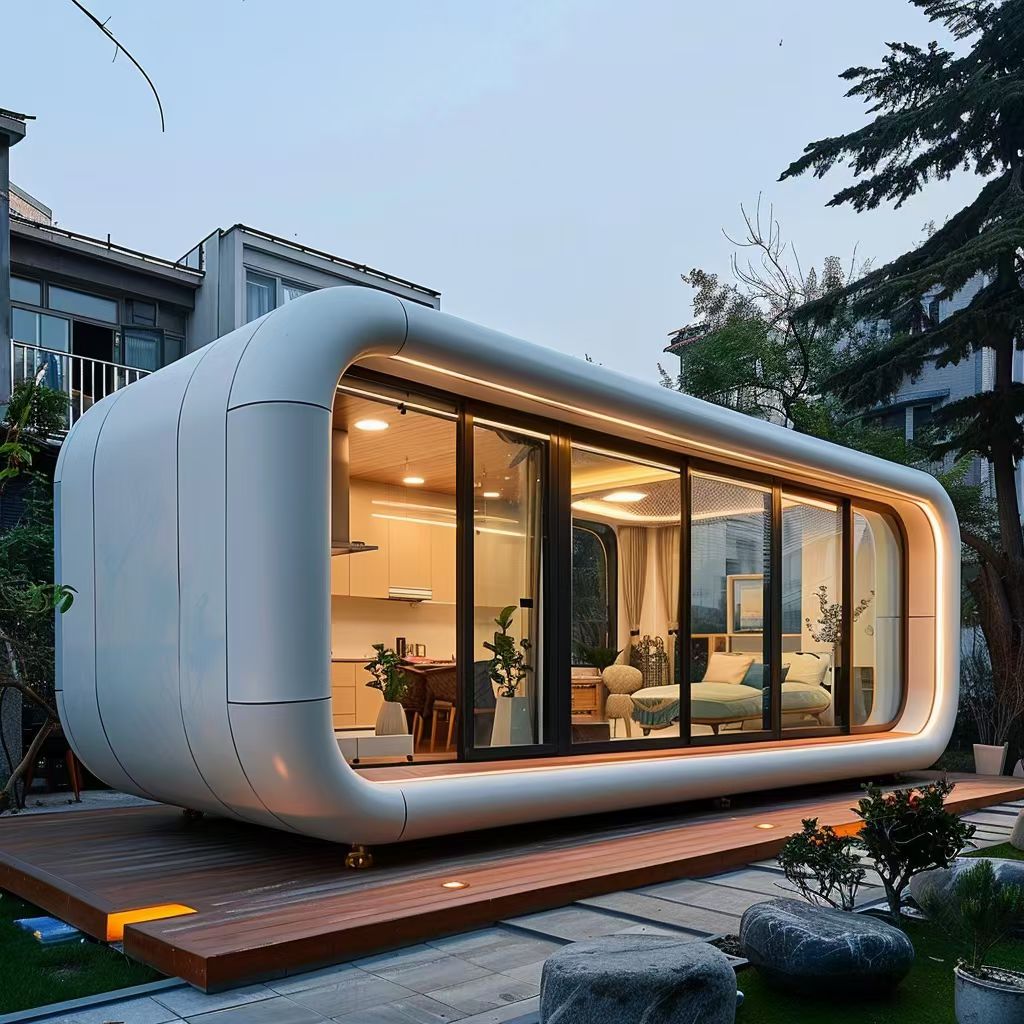
Prefabricated houses thrive on customization and scalability. From cozy cottages to multi-story residences, their modular components (walls, roofs, floors) are pre-engineered for seamless assembly.
Vertical Table 1: Core Design Principles
| Principle | Description |
|---|---|
| Modularity | Interchangeable units (bedrooms, kitchens, offices) for personalized layouts |
| Standardization | Factory precision reduces human error; consistent quality control |
| Scalability | Expand or downsize by adding/removing modules (e.g., add a guest wing) |
| Aesthetic Variety | Choose from modern, rustic, or industrial finishes (wood, metal, composite) |
| Structural Integrity | Reinforced steel frames withstand extreme weather (winds up to 150 mph) |
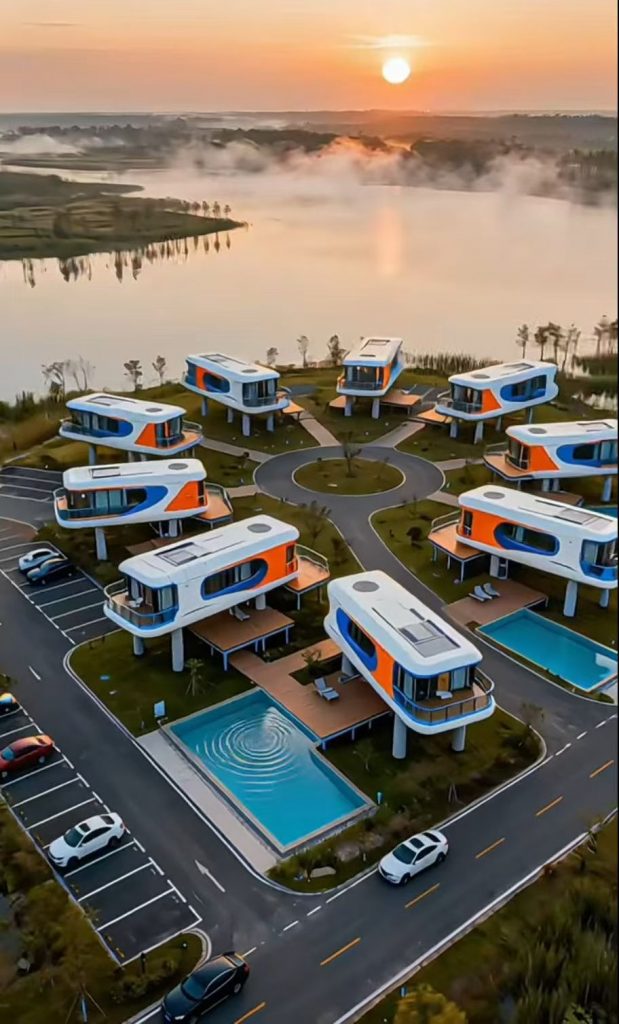
| Space Optimization | Vertical stacking maximizes land use in dense urban areas |
| Accessibility | Wheelchair-friendly ramps, wider doorways, and single-level options |
⚡ Construction Advantages: Speed & Efficiency
Unlike traditional builds, prefabricated houses cut timelines by 30–50% and reduce waste by 60%. Here’s why they’re a builder’s dream:
Horizontal Table 1: Prefab vs. Traditional Construction
| Metric | Prefabricated House | Traditional House |
|---|---|---|
| Average Build Time | 8–12 weeks | 16–24 weeks |
| On-Site Labor | 20–30% of total workforce | 70–80% of total workforce |
| Material Waste | <5% | 15–30% |
🌱 Sustainability: Green by Design
These homes prioritize eco-friendliness through recycled materials and energy-efficient systems.
Vertical Table 2: Sustainable Features
| Feature | Details |
|---|---|
| Recycled Materials | Steel frames (85% recycled), reclaimed wood flooring |
| Energy Efficiency | Double-glazed windows, spray foam insulation (R-38 rating) |
| Off-Grid Potential | Optional solar panels + battery storage (supports 100% energy needs) |
| Low Carbon Footprint | Factory production emits 40% less CO₂ than on-site builds |
| Water Conservation | Low-flow fixtures + greywater recycling systems |
| Passive Heating/Cooling | Strategic window placement + thermal mass walls |
| Local Sourcing | Components manufactured within 300 miles to cut transport emissions |
🏘️ Applications: Beyond Residential
Prefabricated houses adapt to diverse needs—from urban housing to emergency shelters.
Horizontal Table 2: Use Cases & Benefits
| Application | Key Benefits | Example Scenarios |
|---|---|---|
| Urban Housing | Fast deployment in high-demand cities | Micro-apartments, student dorms |
| Rural Retreats | Cost-effective second homes | Mountain cabins, lakeside getaways |
| Commercial Spaces | Temporary offices, pop-up shops | Event venues, remote work hubs |
| Emergency Shelters | Rapid assembly post-disaster | Hurricane/flood relief centers |
🤖 Smart Integration: Tech-Enhanced Living
Modern prefab houses embed smart tech for convenience and efficiency.
Vertical Table 3: Smart Home Features
| Feature | Functionality |
|---|---|
| IoT Sensors | Monitor air quality, humidity, and energy use in real time |
| Automated Lighting | Motion-activated LEDs + circadian rhythm adjustment |
| Smart Thermostats | Learn occupancy patterns to optimize heating/cooling (saves 20% energy) |
| Security Systems | Wireless cameras, biometric locks, and remote access via app |
| Voice Control | Compatible with Alexa/Google Home for hands-free appliance management |
| Energy Dashboards | Track solar generation, consumption, and carbon offset progress |
| Remote Monitoring | Check home status (leaks, temperature) from anywhere via smartphone |
💰 Cost-Effectiveness: Budget-Friendly Without Compromise
Prefabricated houses offer long-term savings through reduced labor and maintenance.
Horizontal Table 3: Cost Comparison (Per Square Foot)
| Expense Type | Prefabricated House | Traditional House | Savings |
|---|---|---|---|
| Initial Construction | 120–180 | 180–250 | 33–40% |
| Annual Maintenance | 500–800 | 1,000–1,500 | 50–60% |
| Energy Bills (Year 1) | 600–900 | 1,200–1,800 | 50–60% |
📈 Future Trends: Scaling the Prefab Revolution
The global prefabricated housing market is projected to grow by 6.8% annually (2023–2030), driven by urbanization and climate urgency.
Vertical Table 4: Emerging Innovations
| Trend | Impact |
|---|---|
| 3D-Printed Components | Faster production of complex shapes (e.g., curved walls) |
| Biodegradable Materials | Mushroom-based insulation, hempcrete panels |
| AI-Driven Design | Software optimizes layouts for energy efficiency and local regulations |
| Circular Economy Models | Take-back programs to repurpose old modules |
| Drone Assembly | Aerial delivery of lightweight components to remote sites |
| Net-Zero Certification | Prefab homes designed to produce more energy than they consume |
| Community Pods | Multi-unit prefab complexes for affordable urban living |
✨ Why Choose a Prefabricated House?
✅ Speed: Move in weeks, not months.
✅ Sustainability: Cut carbon footprint by half.
✅ Customization: Tailor every module to your lifestyle.
✅ Resilience: Built to withstand extreme weather.
Final Thought
The prefabricated house is more than a building—it’s a blueprint for sustainable, adaptable living. By merging factory precision with creative design, it offers a solution to housing shortages, climate challenges, and evolving lifestyles. As technology advances, these modular homes will only become smarter, greener, and more accessible.
Article link:https://www.vlefooena.com/%f0%9f%8f%97%ef%b8%8f-prefabricated-house-revolutionizing-modern-construction-%f0%9f%8c%8d/


No reply content