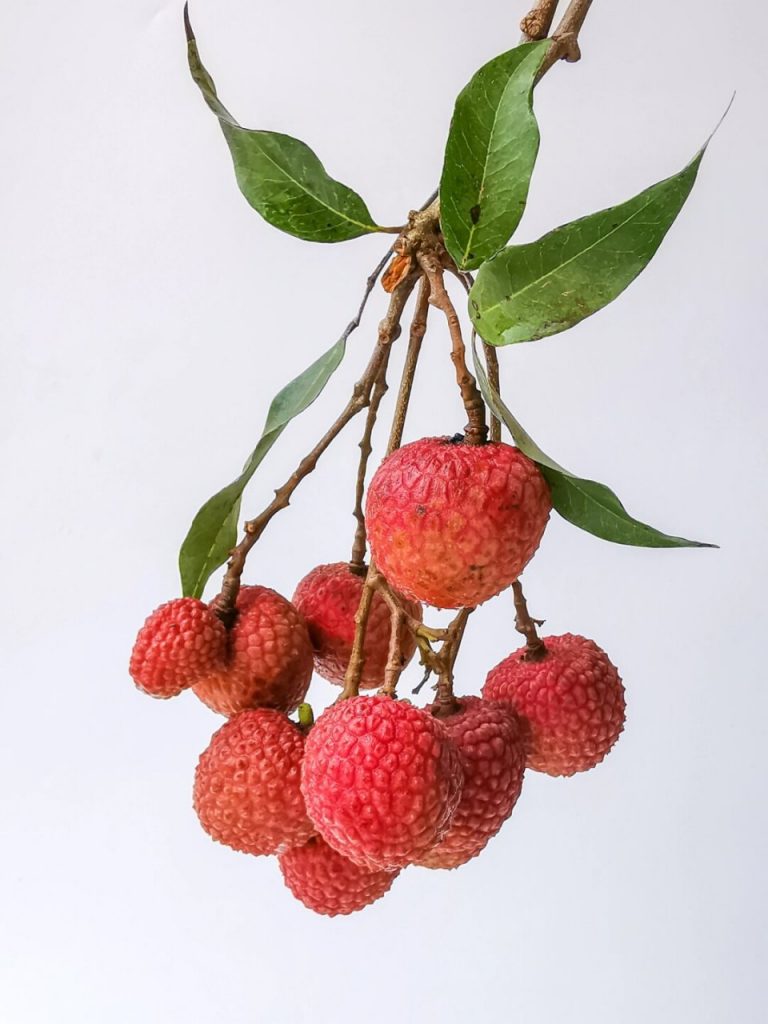

Understanding lychee prices is one of the biggest challenges for international fruit buyers. 🍒
Unlike many fruits with year-round availability, Chinese lychee pricing fluctuates sharply based on season, variety, logistics, and orchard-level decisions.
This article breaks down how Chinese lychee export prices are formed, how seasonal trends affect cost, and how smart buyers optimize purchasing strategies.
📅 1. Why Lychee Prices Are Highly Seasonal
Lychee is a strictly seasonal fruit with a short harvest window.
🗓️ Main harvest period:
- Early season: April – May
- Peak season: June
- Late season: July
Outside this window, fresh lychee exports are nearly impossible.
⏳ This compressed supply cycle makes pricing highly sensitive to timing.
🍒 2. Early, Peak & Late Season Price Characteristics
| Season Stage | Supply Volume | Price Trend |
|---|---|---|
| Early Season | Limited | High |
| Peak Season | Abundant | Lowest |
| Late Season | Declining | Rising |
📌 Early-season lychees often command 20–40% price premiums due to scarcity.
🌱 3. Orchard-Level Factors That Influence Export Prices
Chinese lychee prices begin at the orchard—not at the port.
🌳 Key orchard pricing drivers:
- Yield per tree
- Weather impact 🌦️
- Fruit size distribution
- Sugar level (Brix) 🍬
- Certification status 📄
High-Brix, uniform batches are priced significantly higher.
🍬 4. Variety-Based Price Differences
Different lychee varieties occupy different price tiers.
| Variety | Average Export Price Level | Market Position |
|---|---|---|
| Feizixiao | Medium | Early-season volume |
| Guiwei | High | Premium retail |
| Nuomici | Very High | Luxury / gift |
Variety selection directly determines price ceiling and target market.
🚢 5. Logistics Costs as a Major Price Component
Logistics often account for 30–60% of total landed cost.
🚚 Cost factors include:
- Air vs sea freight ✈️🚢
- Cold chain requirements ❄️
- Fuel surcharges
- Destination port charges
Air freight lychee may cost 2–3× more than sea freight fruit.
🌍 6. Price Differences by Export Destination
| Destination | Logistics Mode | Price Sensitivity |
|---|---|---|
| Japan 🇯🇵 | Air | Low |
| Middle East 🇦🇪 | Air / Sea | Medium |
| Europe 🇪🇺 | Sea | High |
Markets with strong premium demand tolerate higher FOB prices.
📦 7. Packaging Choices and Their Impact on Price
Packaging is not just cosmetic—it affects cost and loss rate.
📦 Pricing impact:
- Foam boxes ↑ cost, ↓ loss
- Standard cartons ↓ cost, ↑ risk
- Retail clamshells ↑ unit price
Smart buyers select packaging based on price–risk balance.
📊 8. How Exporters Quote Lychee Prices
Professional Chinese exporters quote prices based on:
- Variety & grade
- Harvest week
- Packaging type
- Logistics plan
- Order volume
📌 Prices are often valid for 3–7 days only during peak season.
🤝 9. Spot Buying vs Seasonal Contracts
Spot Buying
- Flexible
- Higher risk
- Price volatility
Seasonal Contracts
- Stable pricing
- Priority supply
- Better planning
Large buyers increasingly prefer orchard-level seasonal contracts.
🧮 10. Hidden Costs Buyers Often Overlook
⚠️ Commonly ignored costs:
- Inspection fees
- Destination handling
- Customs delays
- Shrinkage & decay
A “cheap” FOB price can result in higher landed cost.
🌱 11. How Orchard-Direct Sourcing Reduces Price Risk
Buying directly from Chinese orchards helps:
- Eliminate trader margins
- Improve price transparency
- Lock harvest slots
- Reduce disputes
This model is especially effective for repeat buyers.
🔮 12. Future Price Trends in Chinese Lychee Exports
Expected trends:
- 📈 Rising labor costs
- 📈 Higher compliance expenses
- 📉 Lower logistics cost via sea freight optimization
Overall, premium lychee prices will continue to rise, while bulk segments stabilize.
⭐ 13. Real Buyer Reviews on Pricing & Value
💬 Feedback from global importers
- 👩🇦🇺 MelbourneFresh (Australia): “Peak-season pricing was very competitive.”
- 👨🇯🇵 TokyoFruitLab (Japan): “Premium price justified by quality.”
- 👩🇦🇪 DubaiWholesale (UAE): “Clear price breakdown helped budgeting.”
- 👨🇩🇪 FrankfurtImport (Germany): “Sea freight reduced overall cost.”
- 👩🇸🇬 SGRetailer (Singapore): “Stable contract pricing worked well.”
- 👨🇫🇷 NiceFoods (France): “Good balance between cost and shelf life.”
- 👩🇨🇦 MontrealBuyer (Canada): “No hidden charges.”
- 👨🇲🇾 PeninsulaTrade (Malaysia): “Transparent orchard pricing.”
- 👩🇰🇷 DaeguFresh (Korea): “Less price fluctuation than before.”
- 👨🇬🇧 BristolWholesale (UK): “Better margins achieved.”
- 👩🇳🇱 HagueImport (Netherlands): “Reduced shrink saved money.”
- 👨🇹🇭 ThaiFreshMart (Thailand): “Consistent weekly pricing.”
- 👩🇸🇦 MeccaFoods (Saudi Arabia): “Premium buyers accepted higher price.”
- 👨🇮🇹 VeniceProduce (Italy): “Season planning improved profits.”
- 👩🇺🇸 LAWholesale (USA): “Orchard-direct sourcing lowered risk.”
🌟 Conclusion
Chinese lychee pricing is shaped by seasonality, variety, and logistics decisions.
Buyers who understand these dynamics—and work directly with orchard-based exporters—can control cost, reduce risk, and secure consistent quality year after year.


No reply content