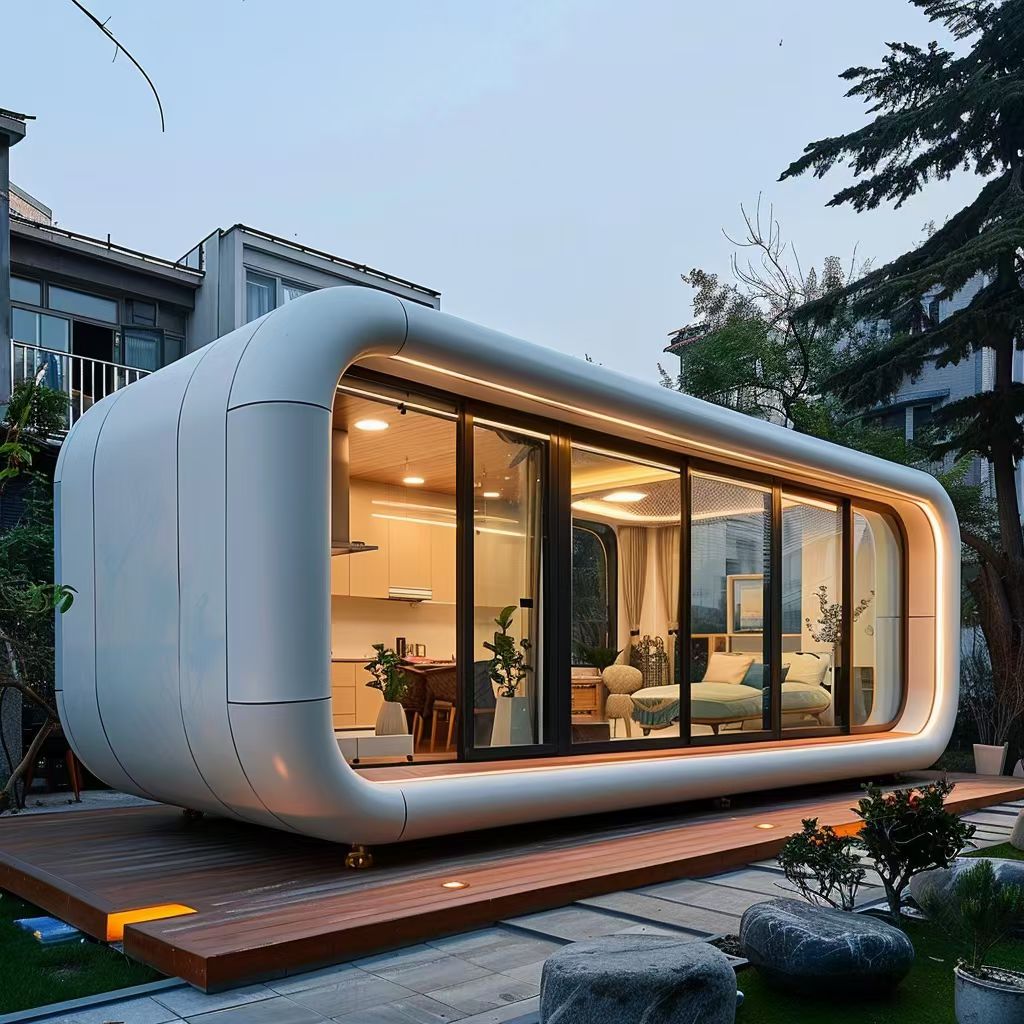
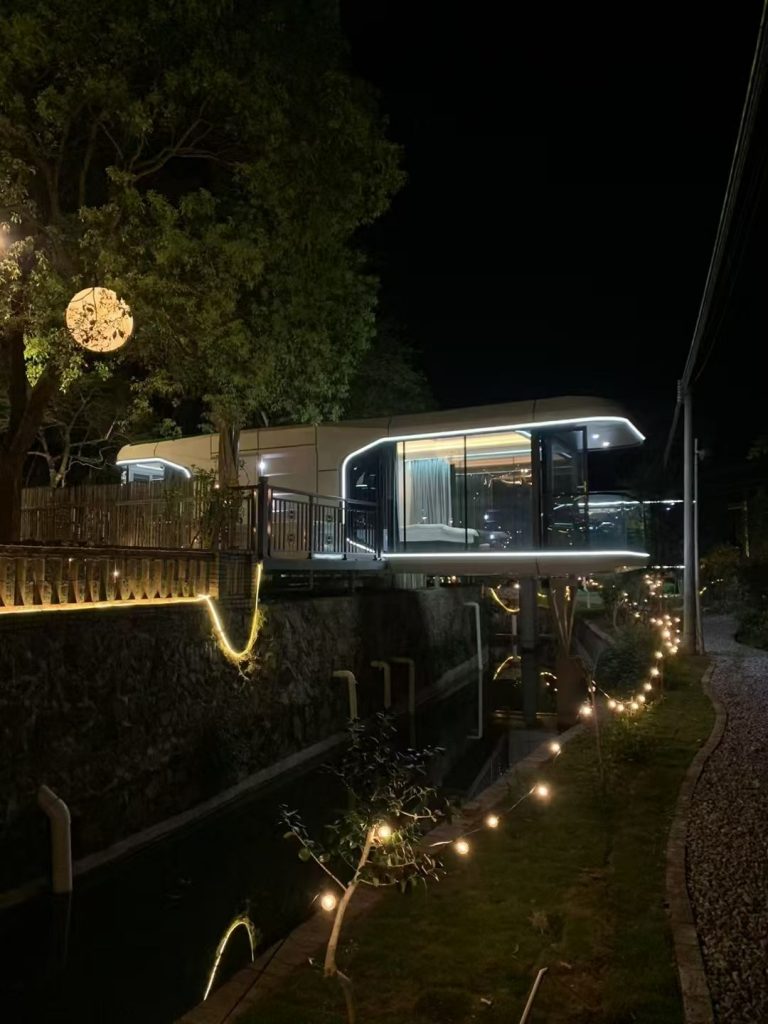
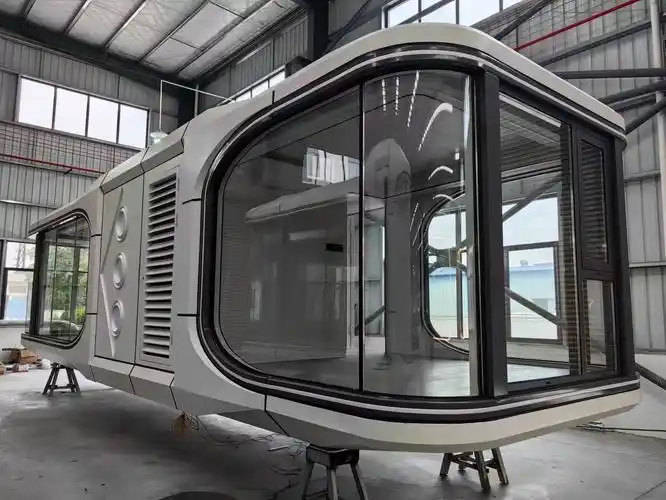
In an age defined by rapid technological advancement and climate urgency, futuristic architecture emerges as a beacon of innovation—merging radical design, ecological harmony, and human-centric functionality. It’s not just about aesthetics; it’s about reimagining how buildings interact with people, nature, and the planet. Let’s explore its transformative principles, technologies, and vision for the future.
🏙️ Design Philosophy: Beyond Gravity & Convention
Futuristic architecture rejects rigid norms, embracing fluid forms, adaptive structures, and emotional resonance. Its core lies in anticipatory design—predicting societal needs 50+ years ahead.
Vertical Table 1: 7 Guiding Principles of Futuristic Architecture
| Principle | Description |
|---|---|
| Biomimicry | Mimicking natural systems (e.g., termite mounds for passive cooling) |
| Dynamic Adaptability | Movable walls, retractable roofs, or shape-shifting facades (via actuators) |
| Vertical Greening | Sky gardens, living walls, and rooftop forests to combat urban heat islands |
| Lightweight Structures | Carbon fiber, ETFE cushions, or 3D-printed lattices for reduced material use |
| Sensory Engagement | Interactive surfaces (touch-responsive walls, color-changing glass) |
| Cultural Futurism | Blending local heritage with sci-fi elements (e.g., Islamic geometric patterns + holographic art) |
| Human-Centric Scale | Prioritizing walkability, natural light, and communal “third spaces” |
⚡ Technological Vanguard: Engineering the Impossible
Cutting-edge tools redefine what buildings can do—from self-healing materials to AI-driven energy management.
Horizontal Table 1: Futuristic vs. Traditional Architectural Tech
| Technology | Futuristic Architecture | Traditional Architecture |
|---|---|---|
| Structural Systems | Tensegrity (floating networks of rods/cables); 3D-printed concrete shells | Load-bearing walls; steel frame grids |
| Energy Management | AI-powered “smart skins” adjusting opacity/ventilation in real time | Fixed HVAC systems; manual lighting controls |
| Material Innovation | Self-healing bio-concrete; photovoltaic glass; aerogel insulation | Standard concrete; single-pane glass; fiberglass |
| Construction Method | Robotic assembly; drone-delivered modular components | Manual labor; crane-dependent on-site builds |
🌱 Sustainability: The Ethical Backbone
Futuristic architecture prioritizes regenerative design—buildings that give back more than they take.
Vertical Table 2: 7 Sustainable Innovations in Futuristic Buildings
| Innovation | Mechanism |
|---|---|
| Net-Positive Energy | Solar wings + wind turbines generating 120% of a building’s needs |
| Water Autonomy | Atmospheric water generators + fog harvesting systems |
| Carbon Capture Facades | Algae-filled panels absorbing CO₂ and producing biofuel |
| Circular Material Flow | Deconstructible designs for 95% component reuse/recycling |
| Urban Farm Integration | Rooftop aquaponics; vertical farms supplying 30% of a building’s food |
| Biodegradable Finishes | Mycelium-based paints; plant-derived sealants |
| Dark Sky Compliance | Shielded lighting to protect nocturnal ecosystems |
🤖 Smart Integration: Buildings That Think
AI, IoT, and robotics turn static structures into responsive ecosystems.
Vertical Table 3: 7 Smart Features of Futuristic Architecture
| Feature | Functionality |
|---|---|
| Digital Twin | Virtual replica simulating energy use, occupant behavior, and maintenance needs |
| Predictive Maintenance | Sensors detecting wear in real time (e.g., crack alerts in foundations) |
| Adaptive Acoustics | Walls with sound-absorbing “memory foam” that adjusts density by zone |
| Mood Lighting | Circadian rhythm-aligned LEDs shifting color/temperature throughout the day |
| Air Quality AI | Monitors pollutants (PM2.5, VOCs) and activates purification systems |
| Robotic Assistants | Delivery bots, window-cleaning drones, or plant-watering automatons |
| Crowdsourced Input | Apps letting occupants vote on layout changes (e.g., open/close a terrace) |
🌍 Applications: From Cities to Extreme Environments
Futuristic architecture adapts to diverse contexts—urban jungles, deserts, even Mars.
Horizontal Table 2: Use Cases & Case Studies
| Context | Project Type | Key Feature |
|---|---|---|
| Dense Urban Cores | Vertical “Forest Towers” | 50+ floors with integrated sky parks |
| Arid Regions | Desert “Bubble Habitats” | ETFE domes with evaporative cooling |
| Coastal Areas | Floating “Amphibious Communities” | Buoyant foundations adapting to sea-level rise |
| Remote Research | Antarctic “Self-Sufficient Stations” | Geothermal heating + wind-powered labs |
📈 Future Trends: What’s Next for 2050?
The field is evolving toward symbiotic architecture—buildings that merge with biological systems.
Vertical Table 4: 7 Emerging Trends in Futuristic Architecture
| Trend | Impact |
|---|---|
| Biohybrid Structures | Concrete embedded with bacteria that repair cracks |
| Space Architecture | Lunar/Mars habitats with radiation shielding and closed-loop life support |
| Holographic Façades | Projection mapping turning building exteriors into dynamic art displays |
| Neuro-Architecture | EEG sensors adjusting spaces to occupant stress levels |
| Modular Spaceports | Expandable terminals for reusable rockets (e.g., SpaceX Starship) |
| Underwater Cities | Pressurized domes for ocean research/ecotourism |
| AI Co-Designers | Generative algorithms creating hyper-efficient layouts |
✨ Cultural Impact: Shaping Collective Imagination
Futuristic architecture inspires hope, challenging us to dream beyond current limits.
Vertical Table 5: 7 Ways It Influences Society
| Influence | Example |
|---|---|
| STEM Education | School programs using 3D-printed models of futuristic buildings |
| Public Discourse | Debates on “right to green space” in vertical cities |
| Art Collaboration | Murals depicting futuristic skylines in urban renewal projects |
| Policy Innovation | Zoning laws allowing “adaptive reuse” of old factories into smart hubs |
| Tourism | “Architecture safaris” to visit experimental buildings |
| Mental Health | Biophilic designs reducing anxiety in high-stress urban areas |
| Global Identity | Unique futuristic landmarks becoming symbols of national progress |
⚠️ Challenges & Opportunities
While promising, futuristic architecture faces hurdles—cost, regulatory lag, and public skepticism.
Vertical Table 6: 7 Challenges & Mitigation Strategies
| Challenge | Mitigation Strategy |
|---|---|
| High Initial Cost | Phased implementation (start with smart retrofits of existing buildings) |
| Regulatory Barriers | Pilot projects demonstrating safety/efficacy to update building codes |
| Material Scalability | Investing in local bio-material production (e.g., mycelium farms) |
| Energy Grid Strain | Pairing buildings with decentralized microgrids |
| Social Equity | Subsidizing affordable futuristic housing in low-income neighborhoods |
| Technological Dependence | Hybrid systems (manual overrides for AI failures) |
| Cultural Resistance | Public workshops showcasing benefits via VR walkthroughs |
🌟 Why Futuristic Architecture Matters
It’s a response to existential threats—climate change, urbanization, and inequality—with solutions that are both bold and beautiful.
Vertical Table 7: 7 Core Values of Futuristic Architecture
| Value | Manifestation |
|---|---|
| Resilience | Withstanding extreme weather (hurricanes, wildfires) via adaptive design |
| Inclusivity | Universal design (wheelchair ramps, sensory-friendly spaces) |
| Transparency | Open-source blueprints for community-led replication |
| Curiosity | Inspiring future architects/engineers through iconic landmarks |
| Humility | Acknowledging nature as the ultimate designer (biomimicry focus) |
| Optimism | Proving humanity can innovate its way out of crises |
| Legacy | Buildings that serve generations, not just decades |
Final Thought
Futuristic architecture is more than steel and glass—it’s a promise. A promise that we can build a world where cities breathe, buildings heal, and design serves both people and the planet. As technology and ecology converge, these structures will become testaments to what’s possible when imagination meets responsibility.
Article link:https://www.vlefooena.com/%f0%9f%9a%80-futuristic-architecture-designing-tomorrows-world-today-%f0%9f%8c%86/


No reply content