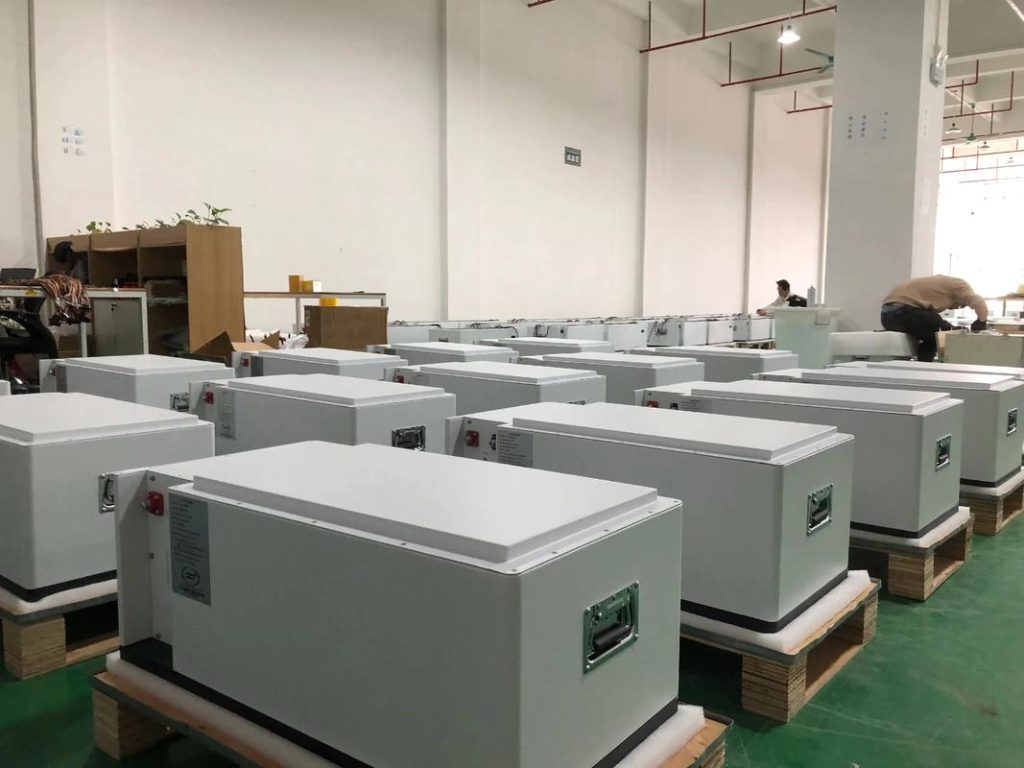
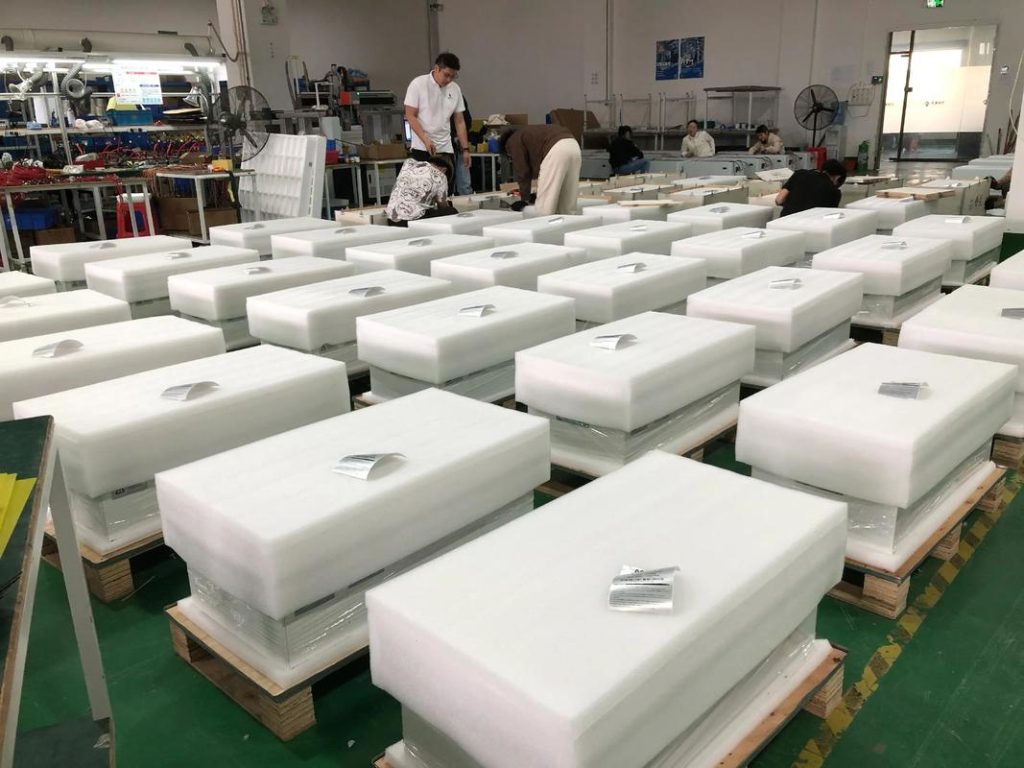
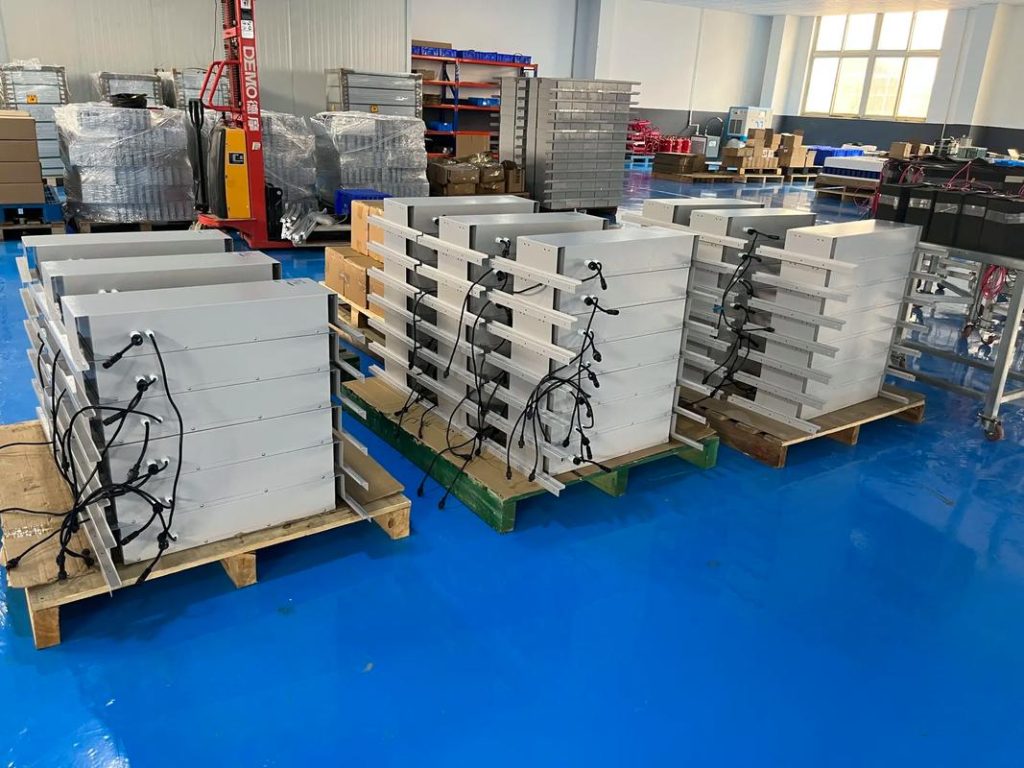
A 10kWh home energy storage system is one of the most popular choices for residential solar users worldwide. It offers a practical balance between capacity, cost, and performance. But is 10kWh really enough for your household? This article explains how a 10kWh system works, what it can power, who it is best suited for, and how to decide whether it meets your energy needs.
1. What Does “10kWh” Mean in Home Energy Storage?
The term 10kWh (kilowatt-hours) refers to the total amount of energy a battery can store. In simple terms, it represents how much electricity the system can supply over time.
For example:
- A 1kW appliance running for 10 hours = 10kWh
- A 2kW appliance running for 5 hours = 10kWh
A 10kWh home energy storage system does not deliver all power at once; instead, it provides flexible energy output based on household demand.
2. Why 10kWh Is the Most Common Residential Choice
Among residential solar users, 10kWh systems have become a standard option because they:
- Cover most evening energy usage
- Support essential appliances during outages
- Offer reasonable upfront investment
- Fit well with typical rooftop solar systems
For many households, 10kWh represents the “sweet spot” between undersized and oversized storage.
3. What Can a 10kWh Home Battery Power?
The actual performance of a 10kWh system depends on how energy is used. Below is a realistic example of typical appliance usage during backup mode:
- Refrigerator: 1–2 kWh/day
- Lighting: 1–2 kWh/day
- Wi-Fi router & electronics: 0.5 kWh/day
- Television & small appliances: 1–2 kWh/day
- Fans or small air conditioners: 2–3 kWh/day
In most cases, a 10kWh battery can support essential household loads for 8–12 hours, or longer if usage is carefully managed.
4. Daily Energy Consumption vs Backup Energy
It is important to distinguish between:
- Daily household consumption
- Backup energy requirements during outages
A household may consume 20 kWh per day, but only require 8–12 kWh to maintain critical loads during power outages. This is where a 10kWh system performs effectively.
5. Who Is a 10kWh Energy Storage System Best For?
A 10kWh home energy storage system is ideal for:
- Small to medium-sized households
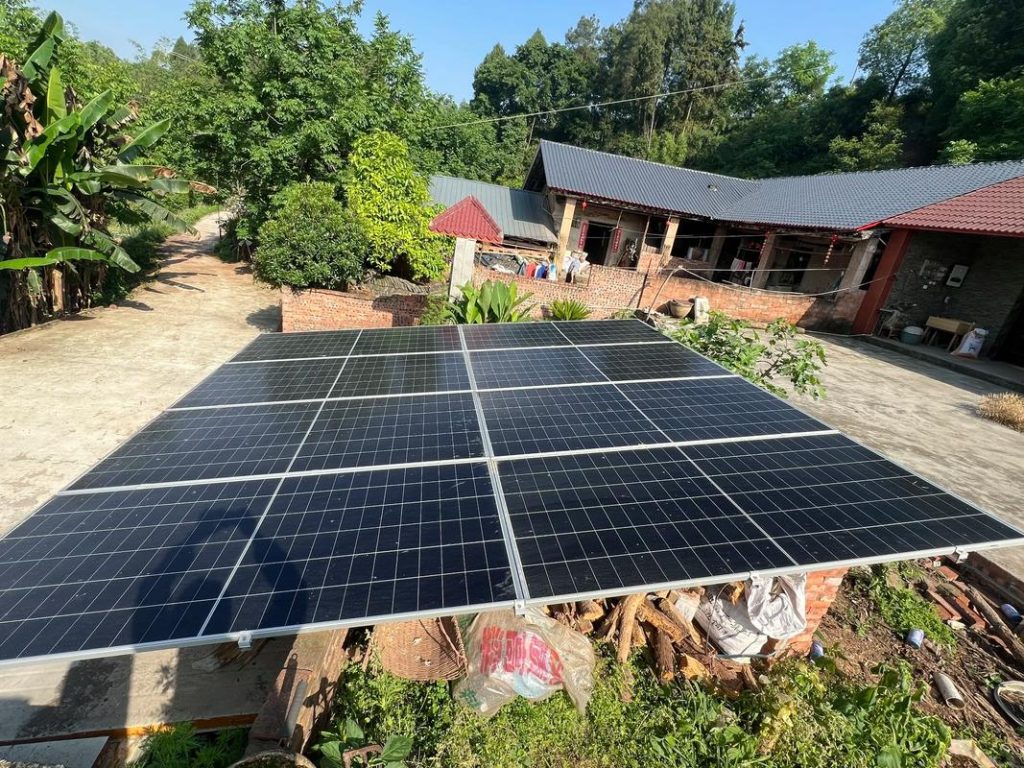
- Homes with rooftop solar systems
- Users seeking partial backup power
- Regions with short to moderate outages
It is especially suitable for homeowners who want to reduce grid reliance without fully going off-grid.
6. 10kWh System and Solar Panel Compatibility
A 10kWh battery pairs well with most residential solar systems.
Typical Solar Pairings:
- 3–5 kW solar system: Good match
- 5–8 kW solar system: Excellent balance
- Larger systems: May require battery expansion
The goal is to store excess solar energy generated during the day and use it during the evening or at night.
7. Lithium Battery Technology in 10kWh Systems
Most modern 10kWh systems use lithium iron phosphate (LiFePO₄) batteries due to their:
- High safety performance
- Long cycle life (6,000+ cycles)
- Stable discharge characteristics
- Low maintenance requirements
These features make lithium batteries well-suited for daily cycling in residential environments.
8. How Long Does a 10kWh Battery Last?
Battery lifespan depends on usage patterns, depth of discharge, and operating temperature.
Typical Lifespan:
- 10–15 years under normal residential use
- One full charge-discharge cycle per day
- Capacity retention above 70% after thousands of cycles
A well-managed system provides reliable performance for over a decade.
9. Backup Duration During Power Outages
Backup duration varies based on load size:
- Essential loads only: 12+ hours
- Moderate usage: 8–10 hours
- Heavy loads: 4–6 hours
By prioritizing critical circuits, homeowners can significantly extend backup time.
10. Can a 10kWh System Power an Entire Home?
In most cases, a single 10kWh system is not designed for full-house backup, especially if the home uses:
- Electric water heaters
- Central air conditioning
- Electric cooking appliances
However, it performs exceptionally well for partial home backup, which is the most common requirement.
11. Scalability: Adding More Capacity Later
One major advantage of modern energy storage systems is scalability.
If energy needs increase due to:
- Electric vehicle charging
- Home expansion
- Increased appliance usage
An additional battery module can often be added to expand total capacity to 15kWh or 20kWh.
12. Installation Options for 10kWh Systems
10kWh systems are commonly available in:
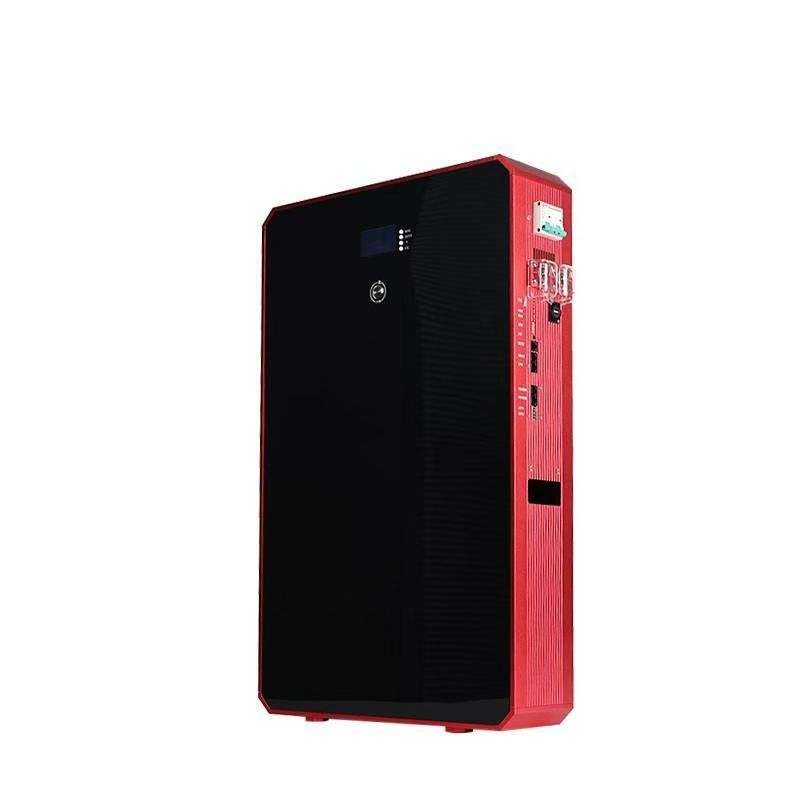
- Wall-mounted designs
- Floor-standing cabinets
- Indoor or outdoor enclosures
Installation location should consider ventilation, temperature stability, and ease of access.
13. Safety Features in Modern 10kWh Systems
Safety is a critical factor for residential users.
Key safety features include:
- Intelligent battery management system
- Over-voltage and over-current protection
- Temperature and thermal monitoring
- Fire-resistant enclosures
Certified systems significantly reduce operational risks.
14. Cost vs Value: Is 10kWh Worth It?
While a 10kWh system represents a higher upfront cost than smaller batteries, it often delivers better long-term value due to:
- Higher solar self-consumption
- Reduced grid electricity bills
- Reliable backup power
- Longer usable lifespan
For many homeowners, it offers the best return on investment among residential storage options.
15. Comparing 10kWh to 5kWh and 15kWh Systems
5kWh Systems:
- Lower cost
- Limited backup duration
- Suitable for basic needs
10kWh Systems:
- Balanced capacity
- Strong flexibility
- Ideal for most households
15kWh+ Systems:
- Higher investment
- Full backup potential
- Best for off-grid or large homes
Choosing the right size depends on energy goals rather than maximum capacity.
16. Common Misunderstandings About 10kWh Batteries
- “10kWh can power everything” – not always
- “Bigger is always better” – not necessarily
- “Battery replaces the grid” – only in off-grid setups
Understanding realistic expectations leads to better satisfaction.
17. Is a 10kWh Home Energy Storage System Enough for You?
A 10kWh system is enough if:
- You want reliable backup for essential loads
- You aim to maximize solar energy usage
- You experience short to moderate outages
- You want scalability without overspending
For many households, it is the most practical starting point.
Conclusion
A 10kWh home energy storage system offers a reliable, flexible, and cost-effective solution for residential solar users. It balances energy capacity with affordability, making it suitable for a wide range of households.
By understanding your daily energy usage, backup requirements, and future plans, you can determine whether a 10kWh system meets your needs—or whether expansion will be beneficial later.


No reply content