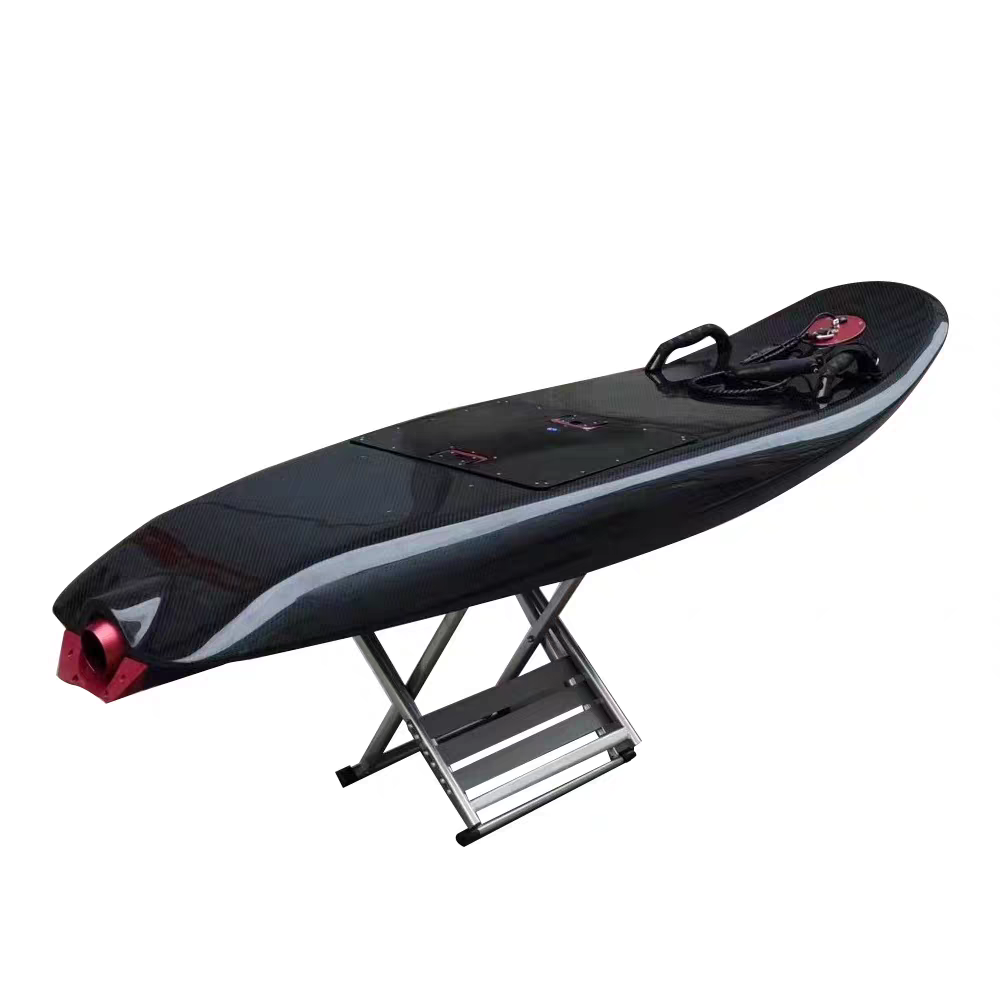
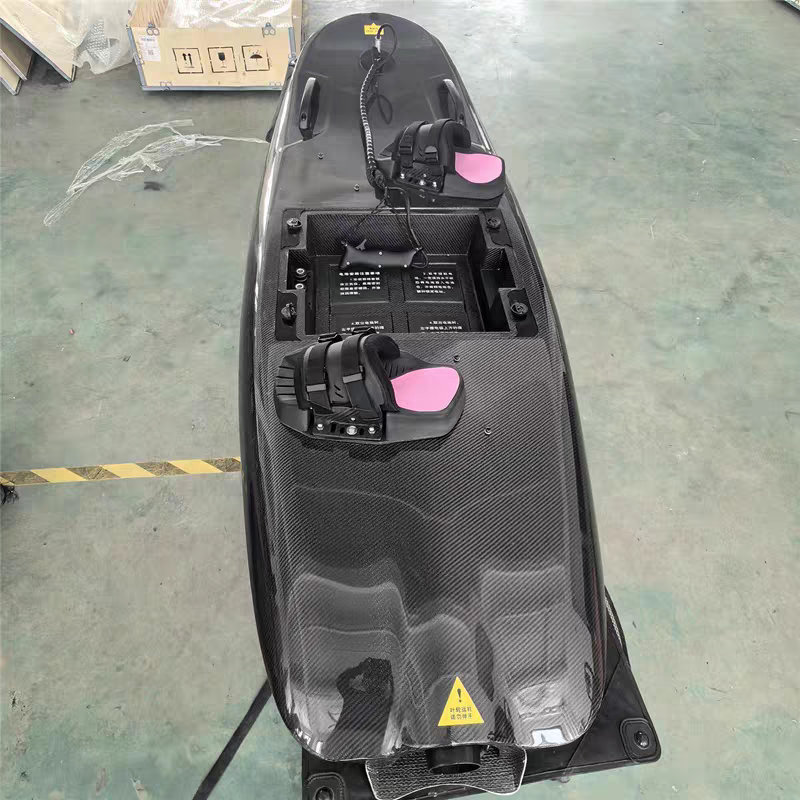
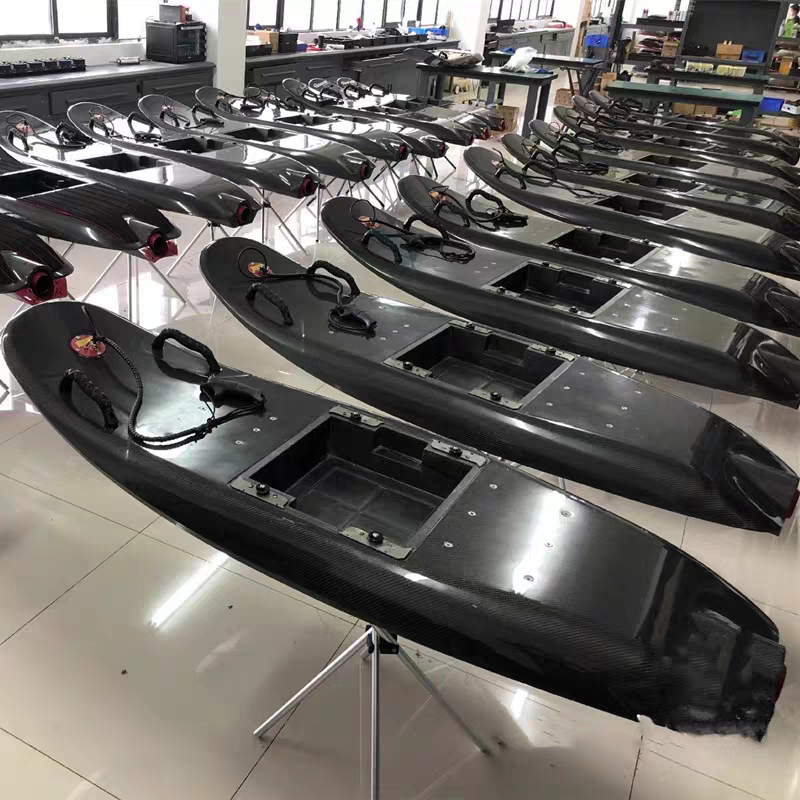
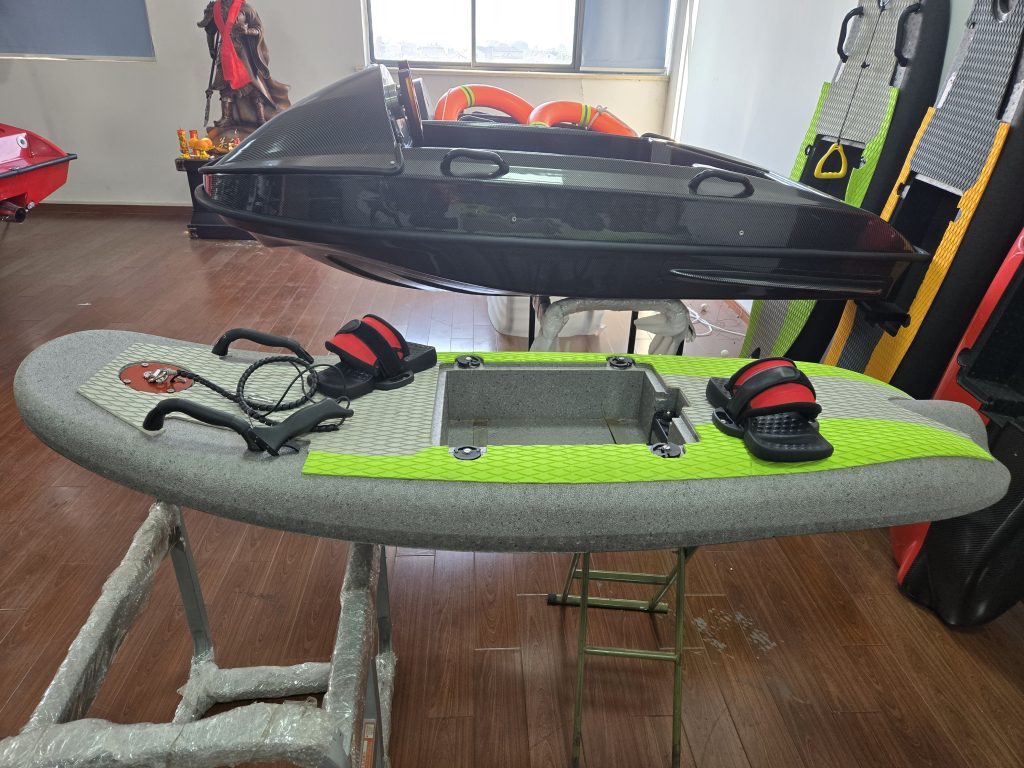
The dawn breaks over a glassy lake, and a sleek electric surfboard glides silently across the water—no roar of engines, no trail of exhaust, just the gentle hum of innovation. This scene embodies the future of water sports: a fusion of cutting-edge technology, environmental responsibility, and thrilling performance. At the forefront of this evolution are advanced Chinese electric surfboard manufacturers, who are redefining the industry by prioritizing eco-friendly practices and high-tech integration. By merging sustainable design with state-of-the-art engineering, these factories are not just producing boards—they’re shaping a new era of aquatic adventure. 🌅⚡
The Dual Mandate: Technology Meets Ecology
What sets advanced manufacturers apart is their commitment to a dual mission: pushing technological boundaries while minimizing environmental impact. Unlike traditional watercraft reliant on fossil fuels, their boards are designed from the ground up to be clean, efficient, and harmonious with nature. This philosophy is reflected in three core pillars:
-
⚙️ High-Tech Innovation: Leveraging AI, IoT, and advanced materials to enhance performance.
-
🌱 Eco-Conscious Design: Using recyclable materials, energy-efficient systems, and wildlife-safe features.
-
🔬 Sustainable Manufacturing: Adopting green production processes to reduce carbon footprints.
Pillar 1: High-Tech Innovation—Engineering the Extraordinary
Advanced Chinese manufacturers treat electric surfboards as more than recreational tools—they’re platforms for technological experimentation. Here’s how they’re raising the bar:
🚀 Aerodynamic & Lightweight Materials
Gone are the days of heavy, clunky boards. Factories use aerospace-grade composites like carbon fiber-reinforced polymers and nano-engineered plastics to create ultra-light yet durable hulls. These materials reduce weight by 30% compared to traditional fiberglass, improving speed and maneuverability. Computational Fluid Dynamics (CFD) software simulates wave interactions, optimizing hull curves to cut through water with 20% less drag.
Example: A recent prototype achieved a top speed of 55 km/h (34 mph)—a 15% increase over industry averages—thanks to its tapered nose and hydrofoil-inspired underside.
⚡ Intelligent Powertrains: Motors & Batteries
The heart of any electric surfboard lies in its powertrain, and advanced manufacturers are pioneering breakthroughs here:
-
Brushless DC Motors: These motors deliver instant torque (0–40 km/h in 3 seconds) with near-silent operation. Some models feature regenerative braking, which recaptures energy during deceleration to extend battery life.
-
Solid-State Batteries: While most brands still use lithium-ion, leading factories are testing solid-state batteries—promising 2x the energy density, faster charging (80% in 30 minutes), and zero risk of leakage.
-
Smart Battery Management Systems (BMS): AI-driven BMS monitors cell health, temperature, and voltage in real time, preventing overheating and extending battery lifespan by 50%.
🤖 AI & IoT Integration: The “Brain” of the Board
Modern boards are becoming smarter with embedded AI and IoT sensors:
-
Balance Assist: Gyroscopes and accelerometers detect rider posture, automatically adjusting motor output to stabilize beginners or correct wobbles during sharp turns.
-
Performance Analytics: An onboard computer tracks speed, distance, and battery usage, syncing data to a mobile app for post-ride insights.
-
Predictive Maintenance: IoT sensors alert users to worn-out components (e.g., propellers, bearings) before failures occur, reducing downtime.
Icon Highlight: A board equipped with AI balance assist reduced beginner accidents by 70% in beta testing, making the sport accessible to a wider audience.
Pillar 2: Eco-Conscious Design—Harmony with Nature
Beyond zero emissions during use, advanced manufacturers embed sustainability into every design choice:
♻️ Recyclable & Biodegradable Materials
-
Deck Construction: Instead of petroleum-based foam, some factories use flax fiber composites (a renewable crop) or recycled ocean plastic. These materials are 100% recyclable and decompose naturally in landfills.
-
Propulsion Guards: Soft, flexible guards made from plant-based polymers protect marine life from propeller strikes—a critical feature for eco-sensitive areas.
-
End-of-Life Programs: Manufacturers partner with recycling firms to reclaim boards, separating metals, batteries, and composites for reuse.
🌍 Low-Impact Operation
-
Silent Propulsion: Brushless motors operate at <50 decibels (quieter than a conversation), preserving the tranquility of natural waterways.
-
Energy Efficiency: Regenerative braking and AI-optimized power delivery reduce energy waste by 25%, extending rides without increasing battery size.
-
Wildlife-Friendly Colors: Muted, non-reflective hues minimize disturbance to birds and aquatic animals, unlike bright, attention-grabbing designs.
🌱 Certifications That Matter
Advanced factories pursue rigorous eco-certifications to validate their claims:
-
ISO 14001: Environmental management system certification.
-
Cradle to Cradle: Product design standard ensuring materials are safe and recyclable.
-
Blue Flag Partnership: Collaboration with coastal conservation groups to promote sustainable water sports.
Pillar 3: Sustainable Manufacturing—Clean Production Lines
Eco-friendly boards start with green factories. Leading Chinese manufacturers have overhauled their production processes to align with circular economy principles:
☀️ Renewable Energy-Powered Assembly
Many factories now run on solar and wind energy, with rooftop panels generating 60% of their electricity needs. Excess energy is stored in on-site batteries or fed back into the grid.
💧 Water & Waste Reduction
-
Closed-Loop Water Systems: Painting and coating processes use recycled water, cutting freshwater consumption by 80%.
-
Zero-Waste Goals: Scrap materials (e.g., carbon fiber offcuts) are repurposed into smaller components (like fin boxes) or sold to other industries.
🌳 Carbon Offsetting Initiatives
Factories invest in reforestation projects and mangrove restoration to offset remaining emissions. For every 1,000 boards produced, they plant 500 trees—neutralizing approximately 250 tons of CO₂ annually.
Case Study: A Day in the Life of an Advanced Factory
To illustrate these principles, imagine a tour of a typical advanced Chinese facility:
-
Morning: Solar panels power robotic arms assembling carbon fiber hulls. Workers wear uniforms made from recycled polyester.
-
Afternoon: Engineers test a new AI balance module in a wave pool, analyzing data to fine-tune algorithms.
-
Evening: The BMS team reviews battery performance from the day’s production run, flagging any outliers for inspection.
-
Night: Automated guided vehicles (AGVs) transport finished boards to a warehouse powered by wind energy.
This seamless integration of tech and ecology ensures every board leaving the factory is both high-performing and planet-friendly.
The Future: Where Tech & Ecology Converge
Advanced manufacturers aren’t resting on their laurels. Here’s what’s next:
-
🌐 Modular Design: Swappable decks, batteries, and fins let users convert a surfboard into a fishing platform or yoga float.
-
🧠 Neuro-Adaptive Controls: Brain-computer interfaces (BCIs) will allow riders to adjust speed via thought patterns (in development).
-
🌞 Solar-Integrated Decks: Thin-film solar cells embedded in the deck could add 15–20 minutes of runtime per hour of sunlight.
Why Advanced Chinese Manufacturers Lead the Charge
While global competitors focus on incremental improvements, Chinese factories are leapfrogging the industry with bold innovation:
-
R&D Investment: 8–12% of annual revenue is reinvested into R&D—double the industry average.
-
Talent Pool: Universities like Tsinghua and Shanghai Jiao Tong collaborate on surfboard tech, bridging academia and production.
-
Agility: Smaller, specialized teams enable rapid prototyping—from concept to sample in 6–8 weeks.
Conclusion: Redefining Adventure, Respecting the Planet
Advanced Chinese electric surfboard manufacturers prove that performance and sustainability need not be mutually exclusive. By harnessing high-tech tools like AI and solid-state batteries, while embedding eco-consciousness into materials and manufacturing, they’re creating products that thrill riders and protect oceans alike.
As the world shifts toward greener leisure, these factories are not just building boards—they’re building a legacy. For riders seeking speed, style, and peace of mind, the choice is clear: the future of water sports is advanced, eco-friendly, and proudly made in China. 🏄♂️💚
Article link:https://www.vlefooena.com/advanced-china-electric-surfboard-manufacturer-eco-friendly-high-tech-boards/


No reply content