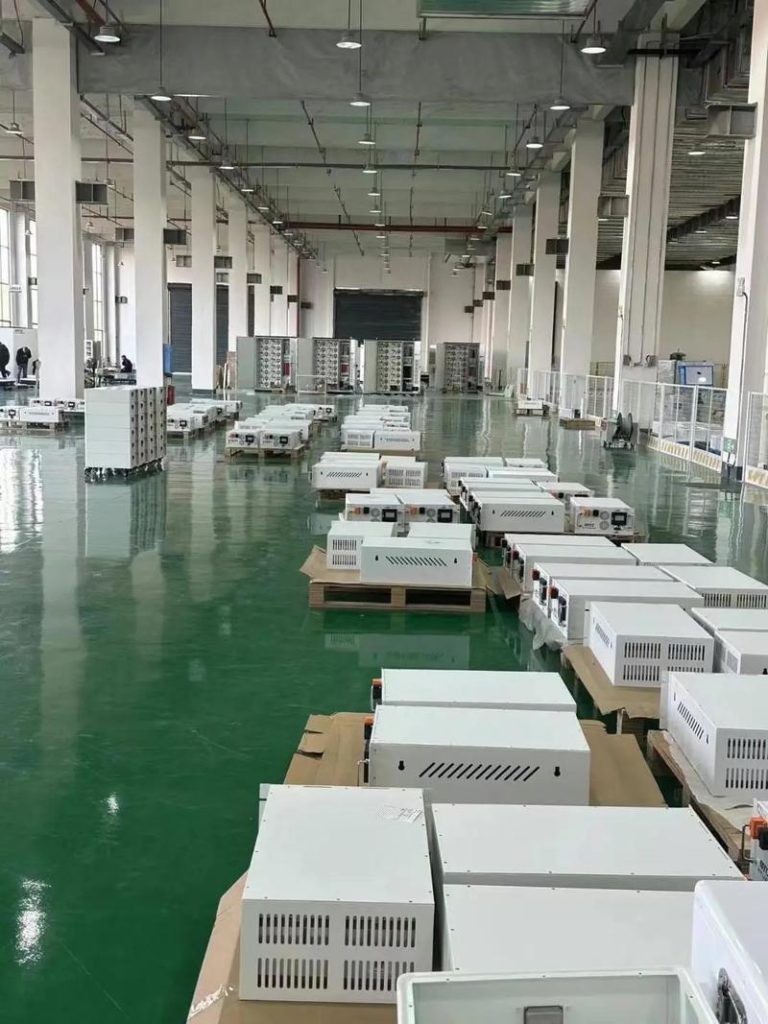
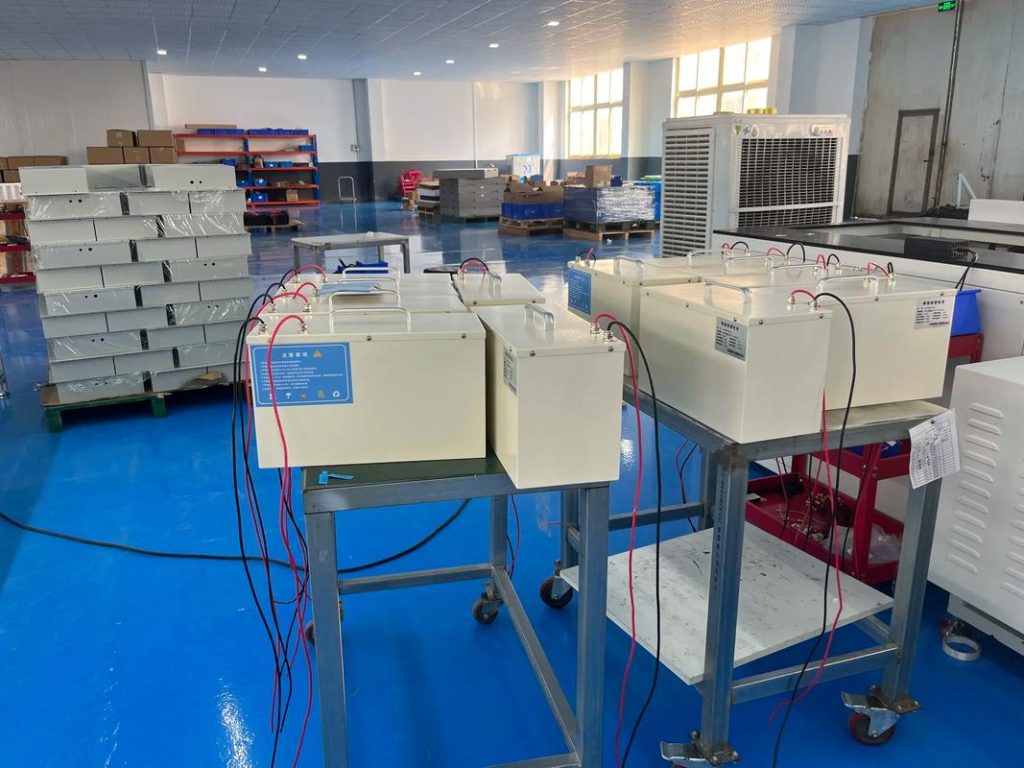
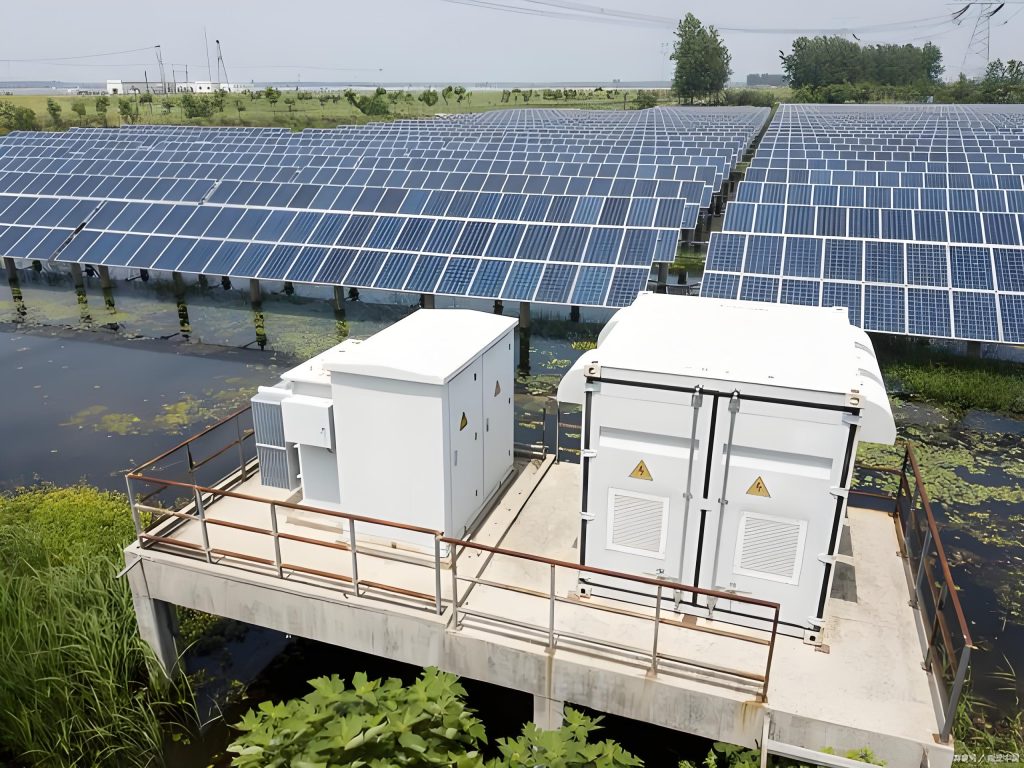
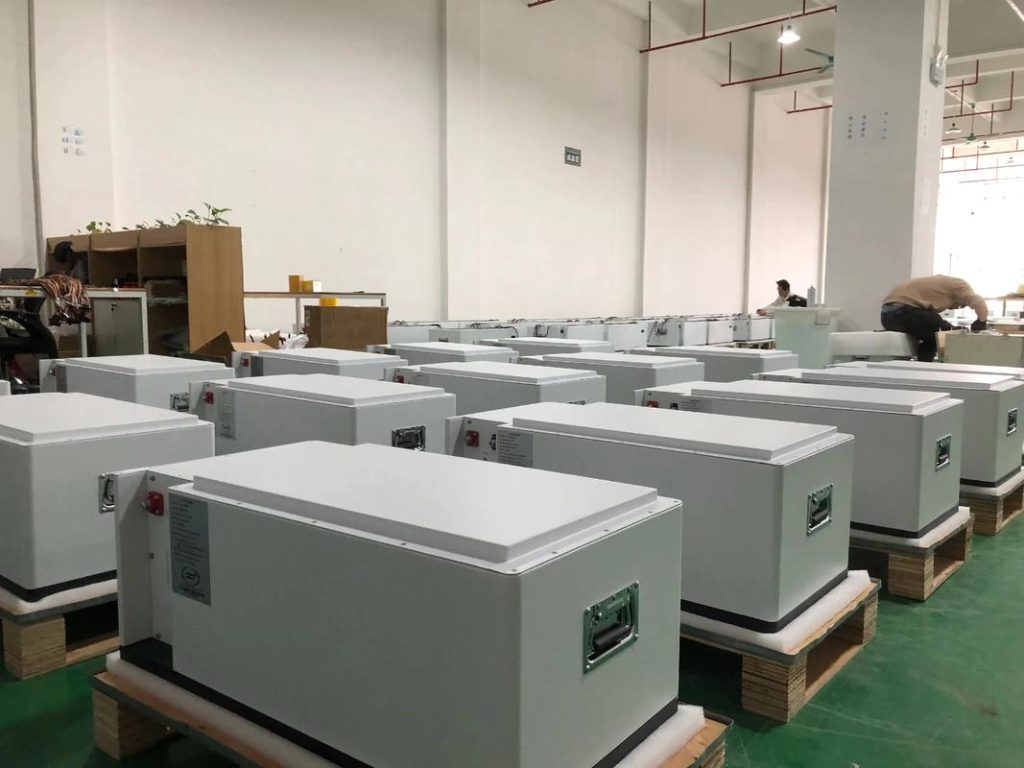
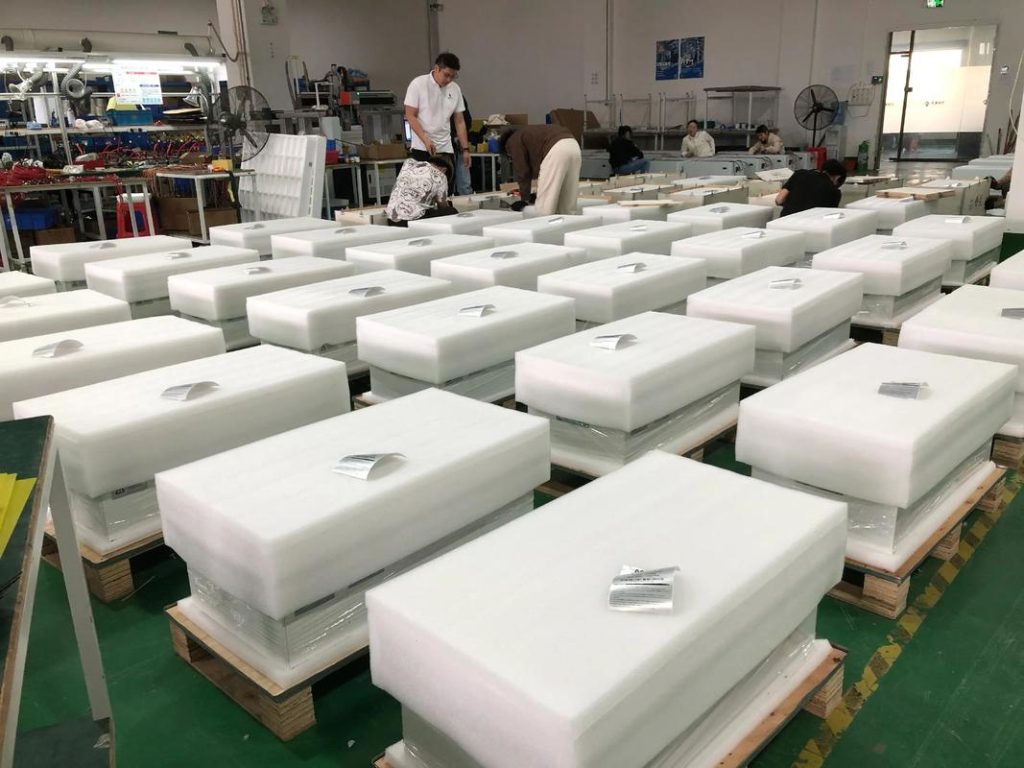
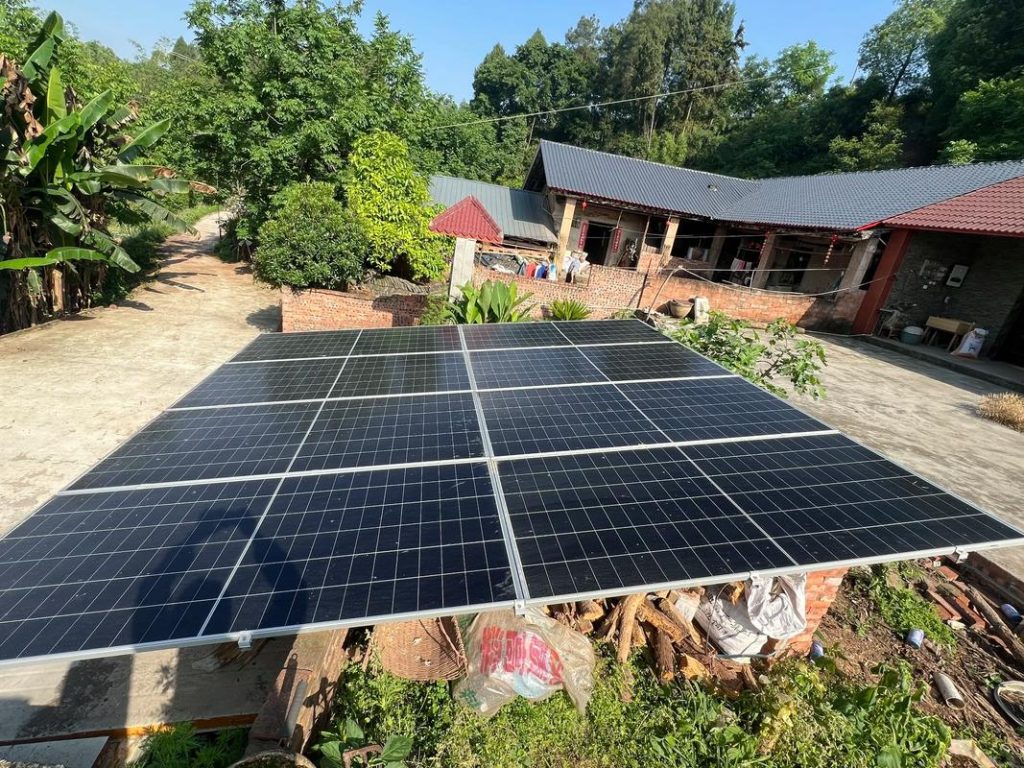
China has become a global hub for solar power equipment manufacturing. For overseas buyers seeking reliable solar panels, inverters, and energy storage systems, understanding the capabilities of Chinese factories is critical. Beyond competitive pricing, the strength of a supplier lies in technological innovation, production scale, and quality control systems.
This article provides a detailed look at how modern Chinese solar equipment factories operate, highlighting their technical expertise, manufacturing processes, and strategies for serving international markets.
1. Comprehensive Production Capabilities
Leading factories integrate multiple production stages under one roof. From raw material processing to final assembly, these factories can produce:
- Monocrystalline and polycrystalline solar panels
- Lithium-ion and lithium iron phosphate (LiFePO₄) energy storage systems
- String and central inverters for grid-tied and hybrid systems
- Complete Balance of System (BOS) components, including cables, connectors, and mounting systems
This integration ensures compatibility across components and reduces coordination risks for buyers sourcing a complete solar system.
2. Research and Development Excellence
A core strength of advanced Chinese factories is R&D. Their teams continuously optimize:
- Solar panel efficiency and temperature resilience
- Battery cycle life and BMS (Battery Management System) reliability
- Inverter performance and grid compliance
- System monitoring and remote management capabilities
R&D investment allows factories to adapt products quickly to different markets, standards, and climates, making them suitable for global deployment.
3. Automated Manufacturing for Consistent Quality
Automation plays a key role in maintaining high-quality production. Modern factories employ:
- Automated silicon wafer cutting and cell assembly
- Robotic panel lamination and framing
- Precision battery module assembly lines
- Inverter PCB assembly with automated testing
Automated processes minimize human error, improve production consistency, and enable factories to handle large volumes without compromising quality.
4. Rigorous Quality Control Procedures
High-quality solar equipment requires thorough testing at multiple stages. Advanced factories typically implement:
- Incoming material inspection for cells, batteries, and electronic components
- In-process monitoring to detect defects during assembly
- Final product testing for power output, efficiency, and safety compliance
- Environmental stress testing, including high/low temperature, humidity, and mechanical impact
These procedures ensure that products perform reliably over years of operation.
5. International Certification Expertise
Export-ready factories maintain up-to-date certifications recognized worldwide, such as:
- IEC 61215 / 61730 for solar panels
- CE and TÜV for safety compliance
- UL certification for North American markets
- ISO 9001 quality management systems
Experienced factories understand that certifications are not just paperwork—they are essential for customs clearance, financing, and regulatory approval in target markets.
6. Customization and OEM/ODM Support
Overseas buyers often require tailored solutions. Factories offer flexible customization options, including:
- System voltage and configuration adjustments
- Battery capacity optimization
- Branding and packaging design
- Communication protocols and monitoring software integration
OEM and ODM services help buyers differentiate products in their local markets without compromising technical performance.
7. Logistics and Global Export Readiness
Exporting solar equipment involves careful logistics planning. Advanced factories coordinate:
- Secure packaging for panels, batteries, and sensitive electronics
- Dangerous goods handling for lithium-based energy storage
- Accurate customs documentation and HS codes
- Sea, air, and land shipping options to minimize delays
Reliable logistics support ensures buyers receive complete, undamaged systems ready for installation.
8. Long-Term After-Sales Commitment
Top-tier factories treat after-sales service as a core part of their business. Support typically includes:
- Technical consultation during system design
- Remote troubleshooting and firmware updates
- Spare parts availability for maintenance
- Warranty and repair procedures aligned with international standards
This commitment provides buyers confidence that their systems will operate reliably over time.
9. Continuous Improvement and Industry Innovation
Leading factories actively monitor global energy trends and adopt new technologies, such as:
- High-efficiency bifacial panels
- Modular energy storage systems
- Smart grid-compatible inverters
- AI-based monitoring and predictive maintenance tools
These innovations allow factories to offer solutions that remain competitive and future-proof.
10. Why Buyers Choose Chinese Solar Equipment Manufacturers
The combination of scale, technical expertise, quality control, and export experience makes Chinese factories highly attractive to international buyers. Advantages include:
- Consistent product quality
- Cost-effective production
- Fast adaptation to market requirements
- Reliable supply chains for large-scale projects
Strategic buyers recognize that working with an experienced manufacturer can significantly reduce risks and improve project outcomes.
Conclusion
Importing solar power equipment from China is more than a transactional process—it is a partnership with factories that combine technological innovation, strict quality management, and global export expertise. For overseas buyers, understanding these capabilities ensures that their solar projects are supported by reliable, high-performance systems that meet international standards.
By choosing the right manufacturing partner, buyers can not only secure competitive products but also establish a long-term relationship that supports growth, efficiency, and operational excellence in renewable energy projects worldwide.


No reply content