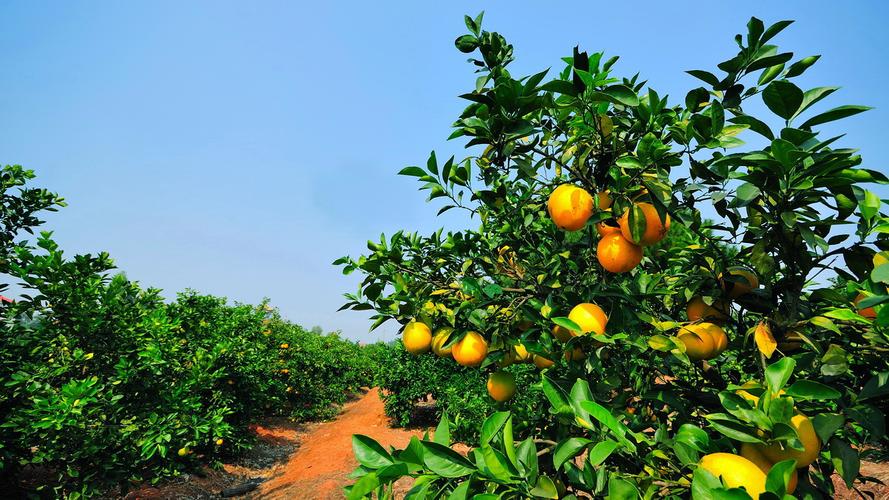
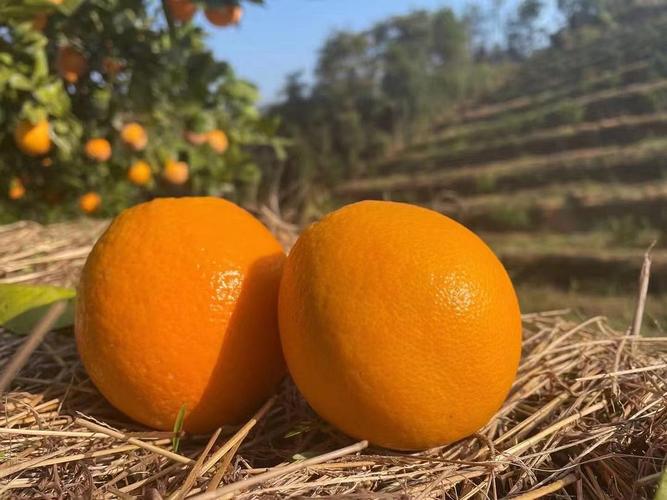
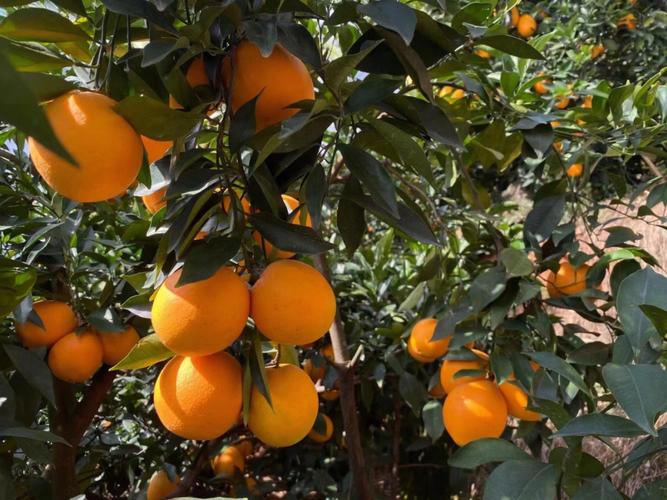
Navel oranges are one of the most popular citrus fruits worldwide, loved for their sweetness, seedless nature, and easy-to-peel skin. Named for the small, navel-like formation on the blossom end, these oranges are primarily eaten fresh rather than processed. But many people wonder: are all navel oranges the same, or do different types exist? The answer is yes—there are several varieties of navel oranges, each with unique characteristics.
1. Washington Navel
The Washington Navel is perhaps the most common variety. Originating in California in the late 19th century, it quickly became a staple in American households.
- Appearance: Bright orange skin, medium to large size
- Flavor: Sweet, juicy, and mild
- Seeds: Almost always seedless
- Season: November to June
- Best Use: Fresh eating and juicing
This variety is widely exported and dominates global navel orange production. Its consistent sweetness and reliability make it a favorite among consumers.
2. Cara Cara Navel
Cara Cara is a unique and visually striking variety of navel orange. It is a natural mutation of the Washington Navel that was discovered in California in the 1970s.
- Appearance: Bright orange peel with pinkish-red flesh
- Flavor: Sweet with a hint of cranberry or berry-like flavor
- Seeds: Seedless
- Season: December to April
- Best Use: Fresh eating, fruit salads, and garnishes
Cara Cara’s vibrant flesh and slightly tangy-sweet taste make it a popular choice for people looking for something different from the classic orange.
3. Navelina (Spanish Navel)
Originating from Spain, Navelina oranges are widely grown in Mediterranean climates and exported globally.
- Appearance: Medium to large size with smooth, thin skin
- Flavor: Sweet and juicy with a balanced citrus aroma
- Seeds: Seedless
- Season: November to February
- Best Use: Fresh consumption and premium gift boxes
Navelina is favored for its high juice content and attractive appearance, often used in fresh fruit displays and catering.
4. Bahia Navel (Brazilian Navel)
The Bahia navel, also called the Brazilian navel, is another widely exported variety. It grows mainly in Brazil but is popular in international markets.
- Appearance: Deep orange color, medium size
- Flavor: Very sweet and fragrant
- Seeds: Seedless
- Season: June to September (Southern Hemisphere)
- Best Use: Fresh eating, export markets
Its sweetness and smooth peel make Bahia navel oranges ideal for direct consumption, especially in tropical and subtropical regions.
5. Other Varieties and Local Cultivars
Beyond these main types, many countries have developed local navel orange varieties. Some are bred for earlier harvest, longer shelf life, or slightly different flavor profiles. Despite these differences, all navel oranges share the signature seedless “navel” at the blossom end, making them easy to peel and eat.
Why Navel Oranges Are Unique
- Seedless: The defining trait makes them convenient for eating without cutting.
- Sweet Flavor: Low acidity and natural sugars make them ideal for fresh consumption.
- Variety of Colors and Flavors: From classic orange to pinkish-red flesh, there is a navel orange to suit different tastes.
- Year-Round Availability: With different varieties from different regions, navel oranges are available almost year-round globally.
Conclusion
Yes, there are different types of navel oranges, including Washington, Cara Cara, Navelina, Bahia, and various local cultivars. Each type has its own season, flavor, and appearance, but all share the convenience of being seedless, sweet, and easy to eat. Whether you are a home consumer, a fruit distributor, or a hospitality business sourcing fruit, understanding these varieties can help you select the perfect navel orange for your needs.
Article link:https://www.vlefooena.com/are-there-different-types-of-navel-oranges/


No reply content