Around the world, people are rethinking what a home should be. Rising land costs, the popularity of flexible lifestyles, and rapid urban change are pushing society toward new kinds of housing—homes that can move, adapt, and evolve. Modern factories that specialize in mobile homes, space pod houses, and container-based buildings are not simply producing structures; they are shaping a new philosophy of living.
This new generation of modular housing focuses on portability, resource efficiency, reduced construction time, and the freedom for individuals or businesses to design spaces exactly as they imagine. Instead of relying on slow, weather-dependent building methods, factory-built solutions offer precision engineering and consistent quality, opening the door to a more versatile and sustainable future.
1. A Shift Toward Smarter Living Spaces
The desire for smarter, more flexible living spaces is driving demand for modular housing. People want structures that can be delivered quickly, installed almost anywhere, and modified without the limitations of traditional construction. This shift is driven by several key trends:
- Increased interest in affordable housing
- Growth of tourism projects in natural landscapes
- Remote working lifestyles
- Environmental awareness
- The need for rapid deployment during emergencies
Modular solutions like mobile homes, space pod units, and container houses provide answers to all these needs. They are efficient, resilient, customizable, and capable of operating in environments where conventional construction might be impractical.
2. Mobile Homes: Redefining Convenience and Comfort
Mobile homes have evolved far beyond their early prototypes. Today, they represent a combination of advanced building technology and clever design that maximizes comfort within a portable format.
Strong Framework Built for Repeated Relocation
A well-built mobile home begins with a reinforced chassis engineered to handle long-distance transport. This allows the structure to be moved multiple times without compromising stability. Unlike temporary shelters, modern mobile homes are intended for long-term use and can be positioned in parks, private land, or remote worksites.
Functional Layouts for Everyday Living
Inside, mobile homes are crafted to make daily life easy:
- A compact but complete kitchen
- Thoughtfully arranged bathroom spaces
- Comfortable bedrooms
- Living or dining areas that can be adapted for work or relaxation
- Efficient heating, cooling, and insulation systems
The interior design focuses on minimal waste of space. Every corner, cabinet, and surface serves a purpose.
Suitable for a Wide Range of Uses
Mobile homes function well as:
- Permanent housing for individuals or families
- Temporary accommodations for employees
- Tourist cabins
- Seasonal retreats
- Mobile clinics or offices
Their adaptability is one of the biggest reasons they are gaining popularity worldwide.
3. Space Pod Houses: A Futuristic Alternative to Conventional Architecture
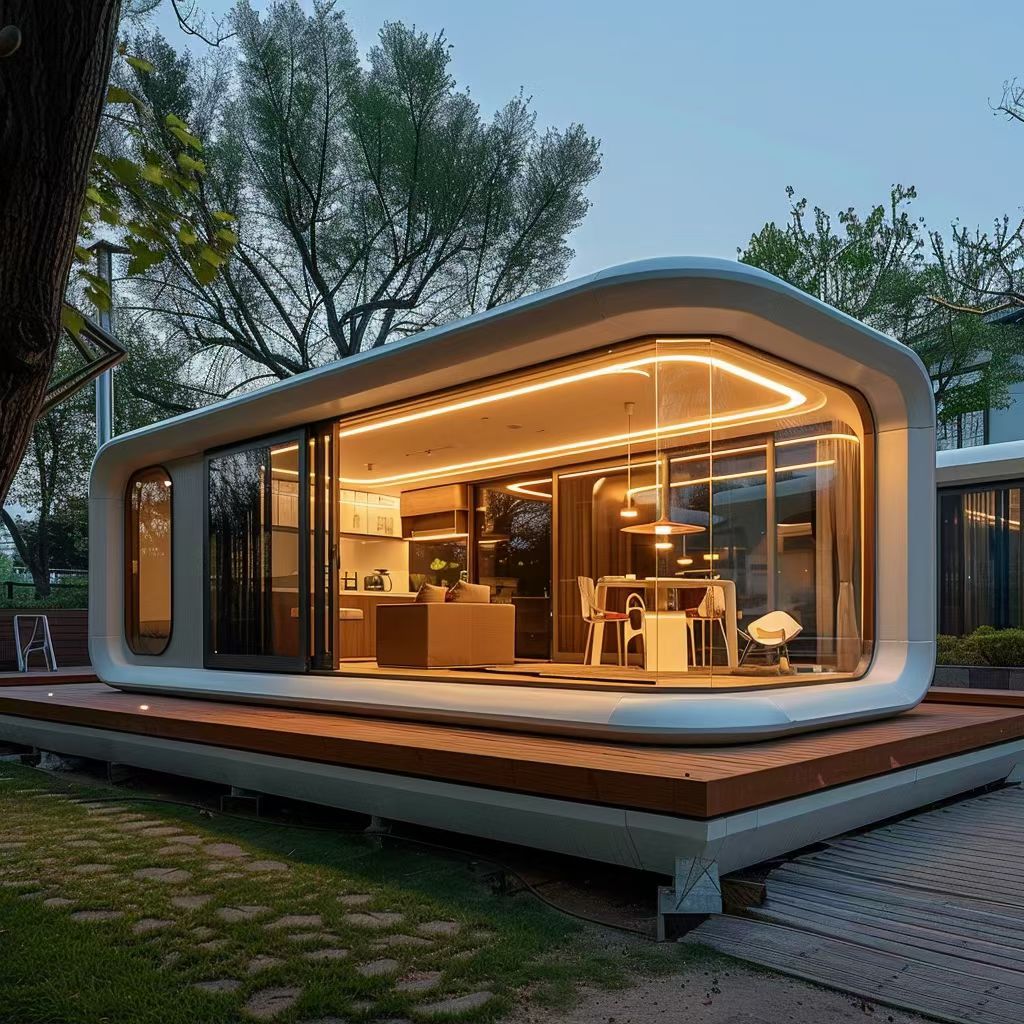
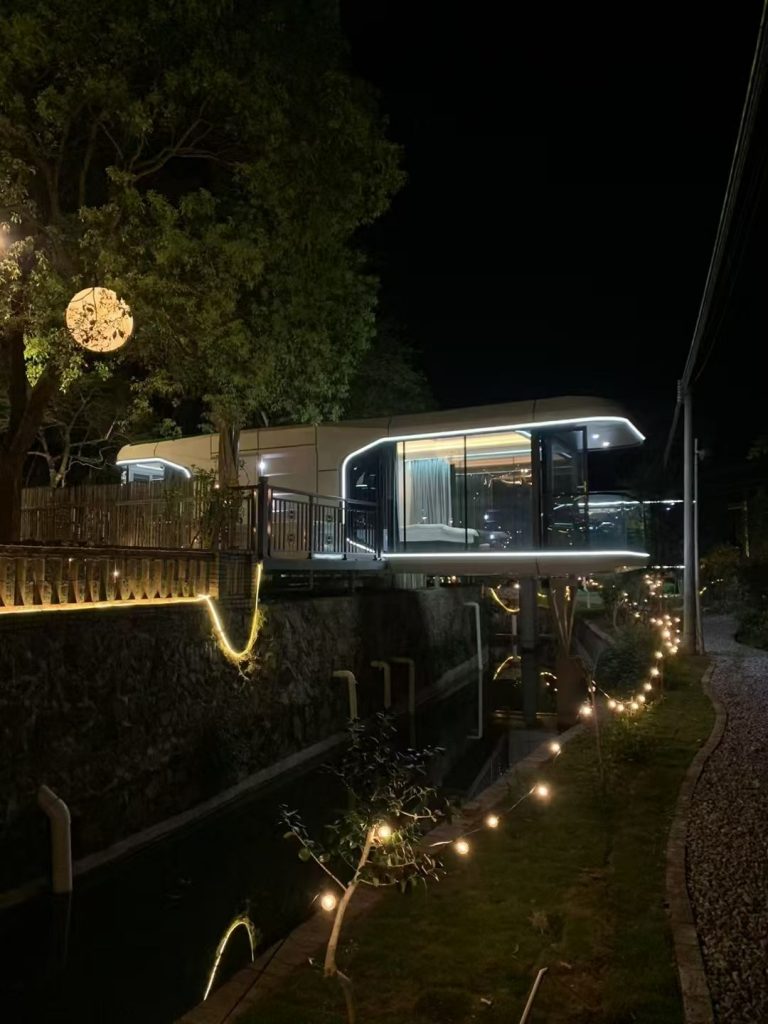
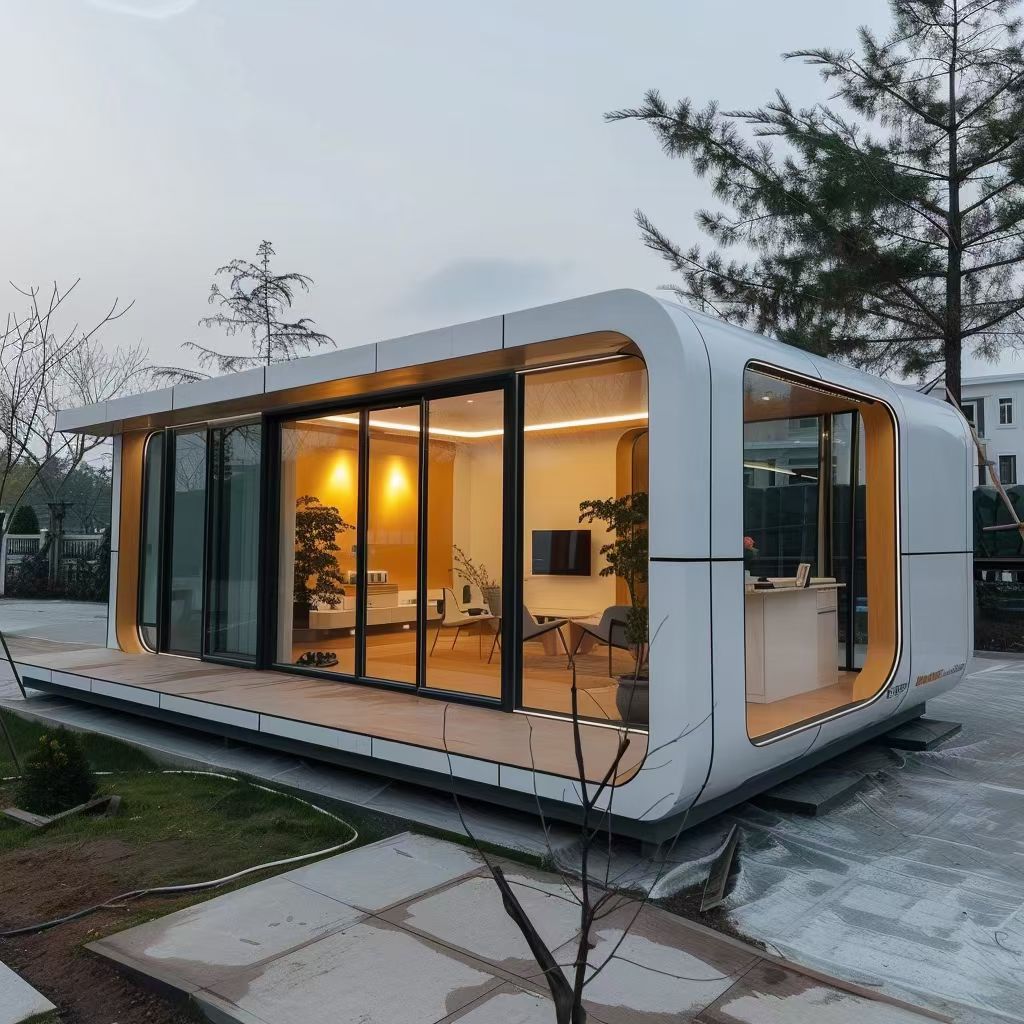
Space pod houses attract immediate attention with their curved forms and futuristic profiles. These visually distinctive units combine contemporary design with advanced material technology, creating a living experience that feels innovative yet practical.
A Distinct Shape With Functional Advantages
The rounded shape is not only aesthetic—it also provides structural benefits:
- Increased wind resistance
- Reduced air pressure against the walls
- Excellent water drainage
- Balanced internal temperature
The aerodynamic form makes space pods ideal for windy or elevated terrains.
Lightweight Yet Durable Materials
Space pods are typically built using composite shells, insulated cores, and moisture-resistant surfaces. These materials deliver:
- High structural strength
- Long lifespan
- Minimal maintenance
- Thermal efficiency
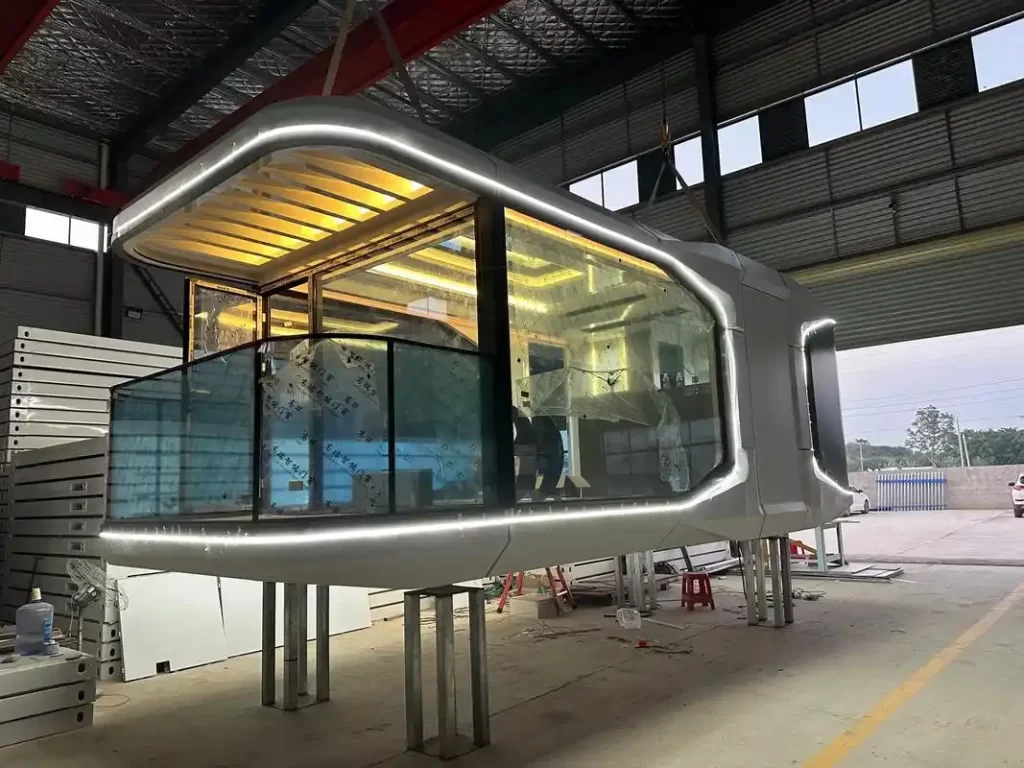
Because the structure is prefabricated in a controlled environment, every detail is precisely shaped before transportation.
A Cozy and Immersive Interior Experience
Inside, the curved walls and panoramic windows create a unique sensory experience. Light flows naturally, and the interior feels spacious despite its compact footprint. Many pod units include smart home systems, integrated lighting, and built-in furniture, turning a small unit into a stylish personal retreat.
Ideal for Tourism and Creative Living
Space pod houses perform especially well in:
- Mountain resorts
- Forest hideaways
- Desert glamping projects
- Beachfront cabins
- Art studios or private workspaces
Their shape and atmosphere make them perfect for destinations that want to stand out.
4. Container Homes: Strength, Modularity, and Architecture With Character
Container homes bring together industrial durability and modern lifestyle needs. Their rectangular steel frames offer architects and developers a blank canvas to shape into countless living or commercial spaces.
A Reliable Structural System
The steel framework provides:
- High load-bearing capacity
- Strong resistance to severe weather
- The ability to stack units vertically
- Long-term durability
These qualities make container homes excellent for both temporary installations and permanent buildings.
Customizable Designs for Different Lifestyles
A container home can be transformed dramatically through factory modification:
- Cutting large panoramic openings
- Adding insulation and internal framing
- Integrating plumbing and electrical systems
- Choosing flooring, wall panels, and finishes
- Installing facades or exterior cladding for style
This allows each unit to express a specific function and personality.
Scalable for Residential or Commercial Use
Projects can range from single-unit cabins to multi-story developments. Container modules can be arranged horizontally or vertically, joined through corridors or outdoor decks, creating endless combinations. This flexibility makes container architecture suitable for:
- Residential homes
- Vacation rentals
- Schools and classrooms
- Offices
- Cafés, shops, or studios
- Worker camps
- Temporary exhibitions
Every container unit becomes a building block for innovation.
5. Why Factory-Built Homes Are Changing the Construction Industry
Modular factories bring several advantages that are transforming how buildings are made.
Precision Through Controlled Production
Producing structures indoors ensures:
- Accuracy in measurements and cutting
- Faster assembly
- Uniform insulation levels
- Better safety for workers
- No delays from weather conditions
This leads to a final product that is more reliable than structures built on exposed job sites.
Fast Installation With Minimal Disruption
Because each unit leaves the factory nearly finished, on-site installation only requires:
- Foundation preparation
- Lifting equipment
- Utility connections
The entire process is quicker and cleaner compared to traditional construction.
Lower Environmental Impact
Factory-built homes reduce waste, use materials more efficiently, and have lower carbon footprints. This supports global efforts to create greener building methods.
6. Built for Sustainability and Long-Term Value
Modern buyers care not only about style but also about long-lasting environmental and economic benefits. Mobile homes, pod houses, and container units are inherently efficient because they combine smart design with durable materials.
Energy Efficiency Built Into Every Layer
Advanced insulation, energy-saving windows, and airtight construction help minimize heating and cooling expenses. Additional features like solar systems or rainwater collection can further reduce operational costs.
Durability That Extends Lifespan
Steel frames, composite shells, and factory-level finishing ensure each unit remains strong over time. Unlike traditional buildings that degrade due to weather exposure during construction, modular units are assembled in controlled conditions, improving longevity.
7. Flexible Customization for Personal or Commercial Use
Every customer has different needs, and modular housing allows nearly limitless personalization.
Interior Custom Options
- Flooring types
- Wall colors and finishes
- Built-in cabinets or wardrobes
- Kitchen and bathroom layouts
- Smart home technologies
- Furniture design
Exterior Custom Options
- Exterior paint or cladding
- Wooden decks
- Glass walls
- Extended rooflines
- Modular expansion
This adaptability allows manufacturers to serve homeowners, developers, resorts, and companies with completely tailored solutions.
8. Practical Applications Across Multiple Industries
Factory-built housing serves many roles and industries:
Housing
- Private residences
- Rental units
- Vacation homes
- Mountain or island cabins
Commercial
- Retail shops
- Modular offices
- Studio spaces
- Staff accommodations
Tourism
- Glamping units
- Boutique lodges
- Luxury resort rooms
- Scenic-view pods
Public and Emergency Services
- School classrooms
- Medical stations
- Disaster relief shelters
- Mobile command centers
Each of these sectors benefits from the speed, flexibility, and durability of modular construction.
9. Looking Ahead: The Future of Modular Living
As technology advances, modular homes will incorporate:
- Self-powered energy systems
- Lightweight composite structural materials
- Climate-adaptive insulation
- Fully digital monitoring for electricity and water
- Smart glass panels
- Robotic assembly during manufacturing
These innovations will make modular living even more efficient, sustainable, and adaptable.
Conclusion: A New Way to Build, Live, and Innovate
Mobile homes, space pod houses, and container-based structures are paving the way for a more flexible and imaginative housing future. They bring together engineering, modern design, and environmental responsibility to create living spaces that reflect the changing needs of society.
Instead of being limited by traditional construction methods, people now have the freedom to choose how their homes look, how they function, and where they stand. Whether used for residential comfort, commercial innovation, or tourism development, modular homes represent a bold step toward the next generation of global housing.


No reply content