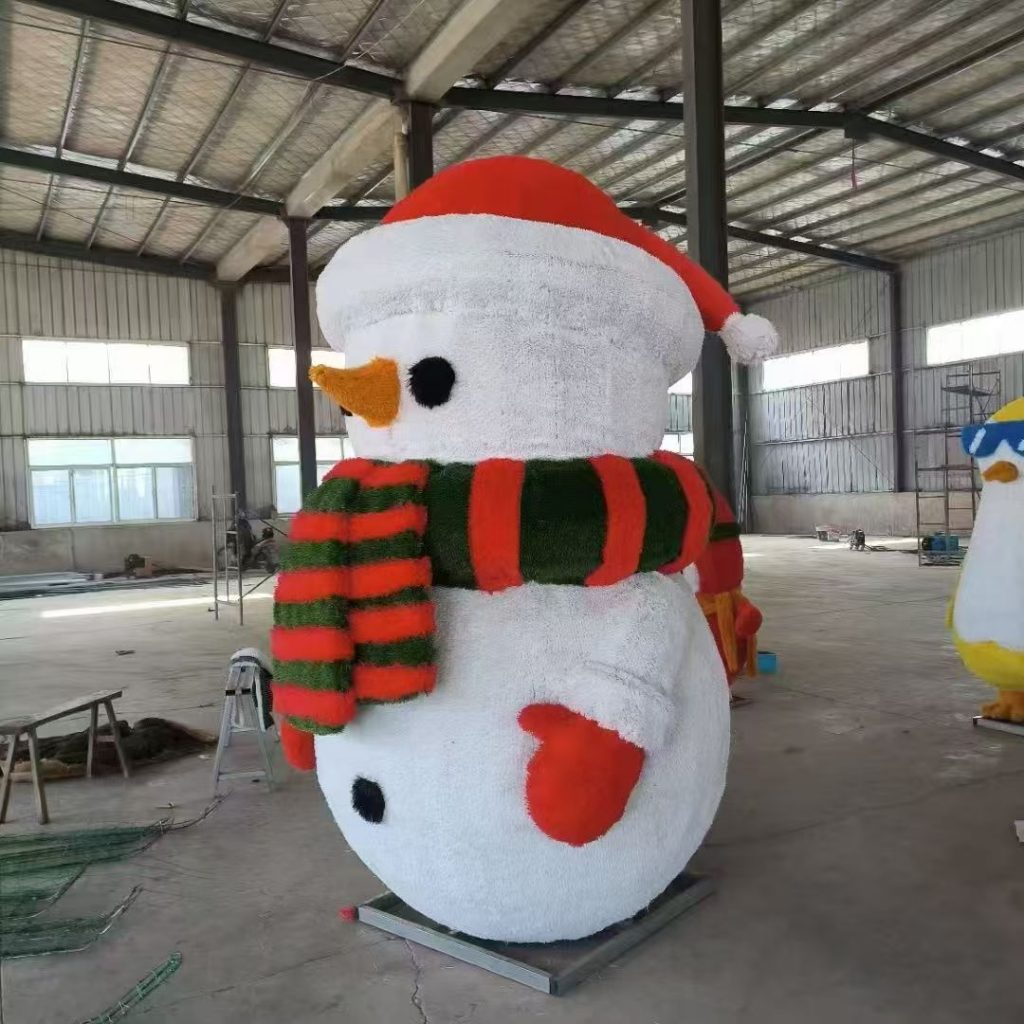
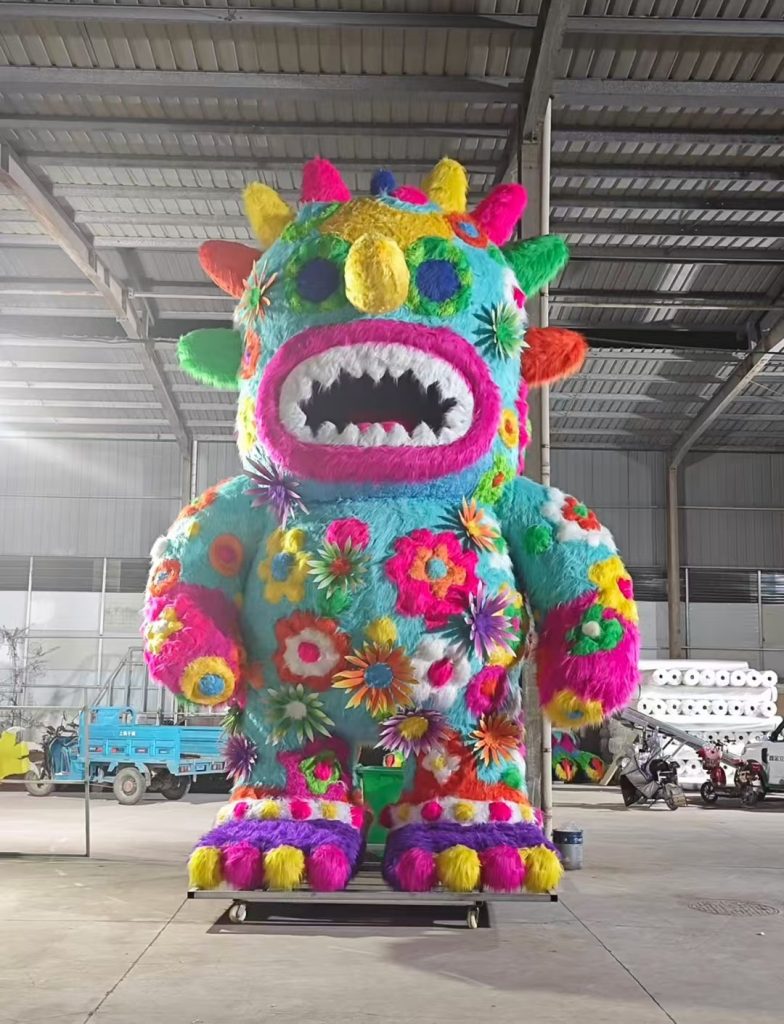
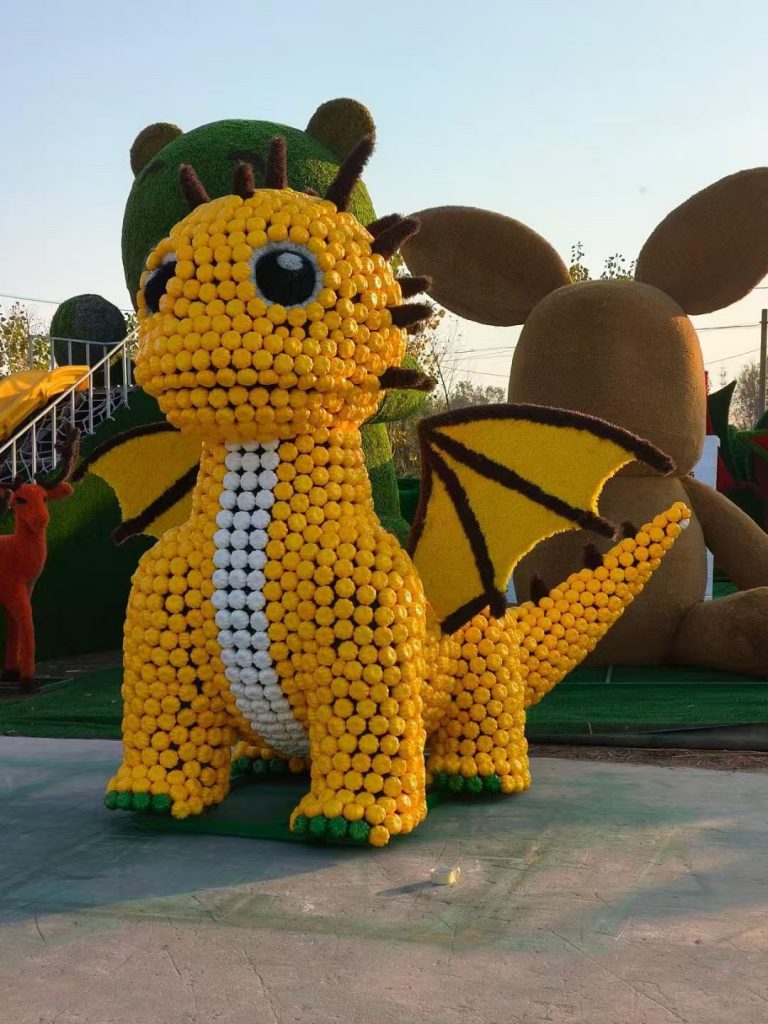
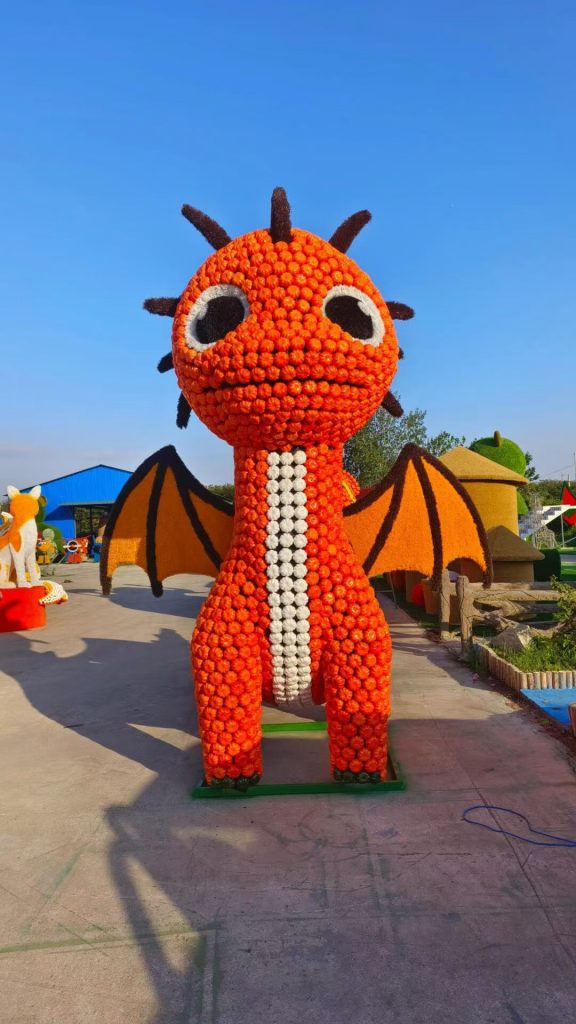
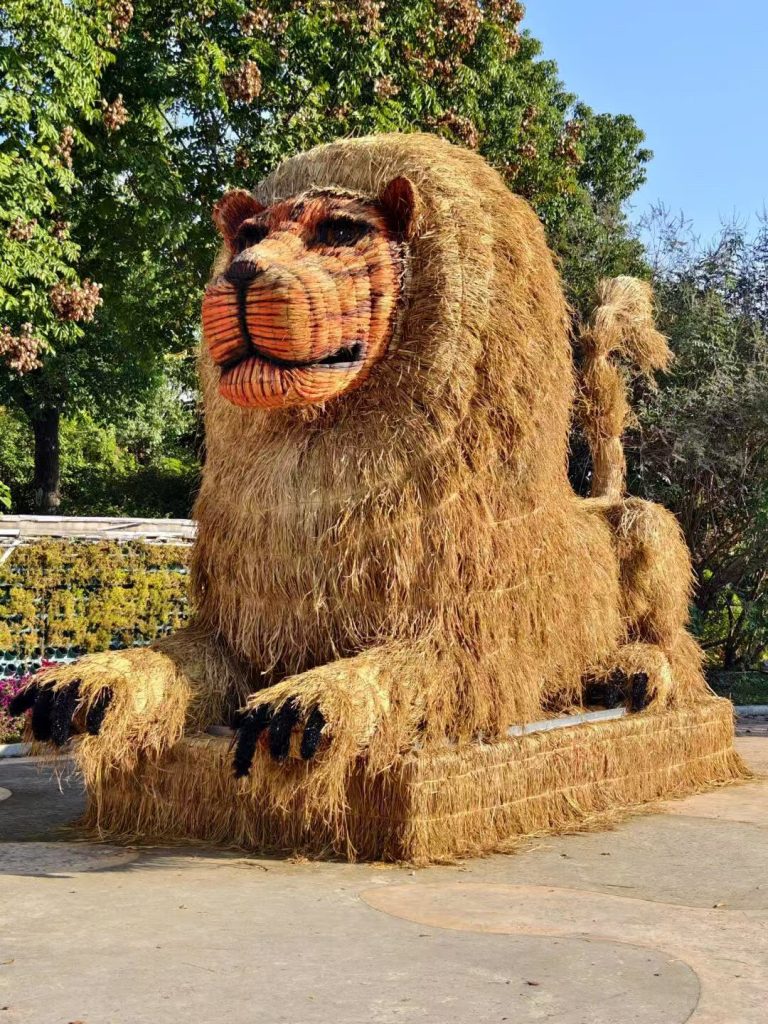
In an era defined by digital screens and hurried interactions, the Big Hug Bear sculpture emerges as a tactile antidote to emotional distance. More than an oversized stuffed animal, it is a three-dimensional promise of warmth—a monument to the universal longing for connection. Behind each sculpture is a specialized manufacturer dedicated to translating the simplicity of a hug into durable, life-sized art. These artisans blend engineering precision with psychological insight, creating bears that invite touch, evoke nostalgia, and foster community. This article explores the world of Big Hug Bear sculpture manufacturers, delving into their craftsmanship, design ethos, and the transformative power of their creations.
I. The Mission: Engineering Empathy Through Art
A. The Science of a Hug
Neuroscience confirms what intuition tells us: hugs reduce cortisol (the stress hormone) and increase oxytocin (the “love hormone”), lowering blood pressure and boosting mood. Big Hug Bear manufacturers leverage this knowledge, designing sculptures that mimic the physical and emotional qualities of a genuine embrace. Key design elements are rooted in research:
-
Proportional Hugs: Arms open at a 120-degree angle—the optimal angle for human comfort, identified in ergonomic studies of social bonding.
-
Soft Contours: Rounded edges and padded surfaces avoid intimidation, inviting even shy individuals to approach.
-
Expressive Faces: Gentle smiles, crinkled eyes, and a slightly tilted head convey approachability, validated by focus groups with participants aged 5 to 85.
B. Addressing the Loneliness Epidemic
Global studies reveal 1 in 4 adults experience chronic loneliness, a crisis exacerbated by urbanization and digital isolation. Public art that encourages interaction, like Big Hug Bears, has been shown to:
-
Increase dwell time in public spaces by 40% (observational studies in urban parks, 2022).
-
Foster intergenerational connections, with grandparents and grandchildren often photographed together.
-
Serve as impromptu therapy for hospital patients, schoolchildren, and disaster survivors, providing a non-judgmental “listener.”
C. The Manufacturer as Emotional Architect
These artisans are not mere fabricators; they are empathy engineers. Their process integrates:
-
Psychological Research: Collaborating with therapists to design postures that feel non-threatening (e.g., avoiding direct eye contact, which can feel confrontational).
-
Inclusivity Standards: Ensuring sculptures are accessible to wheelchair users (lower base heights) and visually impaired individuals (textured paw pads with Braille messages).
-
Cultural Sensitivity: Adapting designs to local norms, such as adding modest clothing for conservative regions or incorporating regional animal motifs (e.g., a panda bear in China).
II. Core Competencies: The Anatomy of a Perfect Hug
A. Material Mastery: Balancing Softness and Durability
Manufacturers select materials for their tactile appeal and resilience, creating a hierarchy of comfort and strength:
| Component | Material | Purpose | Innovation |
|---|---|---|---|
| Frame | Powder-coated steel/aluminum | Structural support (withstands 500kg force) | Lightweight alloys reduce shipping costs by 30% |
| Body | High-density polyurethane foam | Soft, moldable core | Fire-retardant coating (meets ASTM E84) |
| Outer Layer | Hypoallergenic polyester fabric (machine-washable) | Tactile comfort, weather resistance | UV-stabilized dyes prevent fading for 5+ years |
| Details | Silicone paws/ears | Realistic texture, grip for climbing | Antimicrobial treatment for public use |
Case Example: A manufacturer creating a bear for a pediatric hospital used medical-grade silicone for paw pads, ensuring safety for immunocompromised children, and added a hidden pocket for patients to leave notes.
B. Design Philosophy: The Geometry of Comfort
-
Posture Dynamics:
-
Active Hug: Arms raised, chest forward (ideal for plazas, encouraging group photos).
-
Resting Hug: Head on paws, eyes closed (suited for quiet gardens, promoting reflection).
-
Interactive Hug: One arm extended, palm open (inviting hand-holding, popular in schoolyards).
-
-
Size Spectrum:
-
Mini (1.5m): Indoor use (nurseries, cafes, therapy rooms).
-
Standard (3m): Public parks, schoolyards, community centers.
-
Mega (6m+): Landmarks (city entrances, festival sites, corporate campuses).
-
-
Customization:
-
Color Palettes: From classic brown to pastel hues (e.g., lavender for mindfulness centers).
-
Accessories: Scarves, hats, or message plaques (e.g., “You Are Loved”).
-
Cultural Adaptation: Regional motifs (e.g., a bear wearing a kimono in Japan).
-
C. Technical Innovation: Making Hugs Interactive
Modern Big Hug Bears incorporate technology to deepen engagement:
-
Haptic Feedback: Pressure sensors in paws trigger a gentle vibration (simulating a heartbeat).
-
Soundscapes: Hidden speakers play lullabies, nature sounds, or user-recorded messages.
-
AR Integration: Smartphone apps overlay digital “hugs” (animated hearts, words of encouragement) onto the sculpture.
III. The Manufacturing Process: From Vision to Embrace
Step 1: Concept Development
-
Client Input: Share reference materials (sketches, stories, emotional goals) and define the sculpture’s purpose (e.g., “community landmark” or “therapeutic tool”).
-
Site Analysis: For public installations, assess space constraints (height, width), lighting, and foot traffic.
Step 2: 3D Modeling and Prototyping
-
Digital Sculpting: Use software like ZBrush or Blender to build a 3D model, adjusting proportions and details.
-
Prototype: Print a 1:10 scale model to test comfort and aesthetics. Refine based on client feedback.
Step 3: Material Preparation
-
Sourcing: Select materials (e.g., hypoallergenic fabric for hospitals, UV-resistant coatings for parks).
-
Cutting/Shaping: Laser-cut metal frames; mold foam bodies; sew fabric covers.
Step 4: Assembly
-
Frame Construction: Weld or bolt steel/aluminum components into the 3D structure.
-
Foam Application: Layer high-density foam over the frame, carving contours by hand.
-
Fabric Covering: Stretch and stitch fabric over the foam, securing with hidden zippers for easy washing.
Step 5: Surface Finishing
-
Painting: Airbrush details (fur texture, facial expressions) with non-toxic, UV-resistant paints.
-
Detailing: Attach silicone paws/ears; add accessories (scarves, plaques).
Step 6: Quality Assurance
-
Safety Checks: Test structural integrity (load-bearing capacity), rounded edges, and material toxicity.
-
Weather Simulation: Expose samples to UV, rain, and freeze-thaw cycles for 500 hours.
Step 7: Installation and Training
-
On-Site Setup: Use cranes for large sculptures; secure with anchor bolts.
-
Maintenance Training: Teach clients to clean fabric (machine washable), inspect for wear, and repair minor damage.
IV. Applications: Where Big Hug Bears Thrive
A. Public Spaces
-
Parks and Plazas: Mega sculptures (6m+) become landmarks, drawing crowds for photos and community events.
-
Schools: Mini bears (1.5m) in playgrounds teach empathy; interactive models encourage teamwork.
B. Therapeutic Environments
-
Hospitals: Soft, hypoallergenic bears in pediatric wards reduce anxiety; hidden note pockets allow patients to express feelings.
-
Senior Centers: Resting Hug poses provide comfort for residents with dementia.
C. Private Spaces
-
Corporate Campuses: Bears in lobbies symbolize company values (e.g., “we care”).
-
Home Gardens: Mini bears serve as whimsical focal points or memorials.
V. Sustainability: Crafting a Greener Legacy
Leading manufacturers prioritize eco-conscious practices:
-
Recycled Materials: Use post-consumer plastics (e.g., recycled PET bottles for fabric) and reclaimed metal.
-
Low-Waste Production: 3D printing minimizes material scraps; fabric offcuts are repurposed into smaller crafts.
-
Circular Design: Sculptures are modular (bolt-together sections) for easy repair or relocation.
-
Biodegradable Options: Experimental models use mycelium (fungus root structures) for temporary installations.
VI. FAQ: Big Hug Bear Sculpture Manufacturers
Q1: How do I start the custom sculpture process?
A: Begin by sharing your vision—reference materials (sketches, stories), purpose (e.g., therapeutic, decorative), and site details (indoor/outdoor, size constraints). The manufacturer will guide you through a consultation to align on design, materials, and budget.
Q2: What materials are best for outdoor sculptures?
A: For durability, choose powder-coated steel/aluminum frames, UV-stabilized polyester fabric, and silicone details. Avoid untreated wood or porous stone, which erode in weather.
Q3: Can the sculpture be interactive?
A: Yes. Options include haptic feedback (vibration), soundscapes (speakers), AR overlays (smartphone apps), or simple touch sensors (triggering lights). Discuss interactivity during the concept phase.
Q4: How long does the process take?
A: Small sculptures (1.5m): 3–4 months. Large installations (6m+): 6–8 months. Rush options are available for urgent projects.
Q5: What is the cost range?
A: Costs depend on size, materials, and complexity:
-
Mini (1.5m): $5,000–$15,000
-
Standard (3m): $15,000–$50,000
-
Mega (6m+): $50,000–$200,000
Q6: How do you ensure safety for children?
A: All sculptures meet ASTM F963 (toy safety) and EN 71 standards: rounded edges, non-toxic paints, and stable bases. Soft foam bodies and silicone details minimize injury risk.
Q7: Can sculptures be moved after installation?
A: Yes. Modular designs (bolt-together sections) allow disassembly. Heavy sculptures require cranes and professional help to avoid damage.
Q8: What maintenance is required?
A: Clean fabric annually (machine washable); inspect for wear (loose seams, cracked silicone); reapply UV-protective spray every 3 years. Most clients handle minor repairs in-house.
Q9: Do you offer therapeutic customization?
A: Absolutely. For hospitals or senior centers, we can add features like hidden note pockets, calming color palettes, or adjustable posture (e.g., reclining for wheelchair users).
Q10: How do sculptures promote sustainability?
A: We use recycled materials, minimize waste, and design for longevity (repairable parts). Many clients choose eco-friendly options to align with their sustainability goals.
Conclusion
Big Hug Bear sculpture manufacturers are in the business of healing. They transform the universal gesture of a hug into monumental art, creating spaces where people feel seen, comforted, and connected. By blending scientific insight with artistic craftsmanship, these artisans prove that even in a digital age, the simplest human touch—reimagined in steel, foam, and heart—can change the world. As demand grows for empathetic public art, their work will continue to remind us: connection is not a luxury, but a necessity.