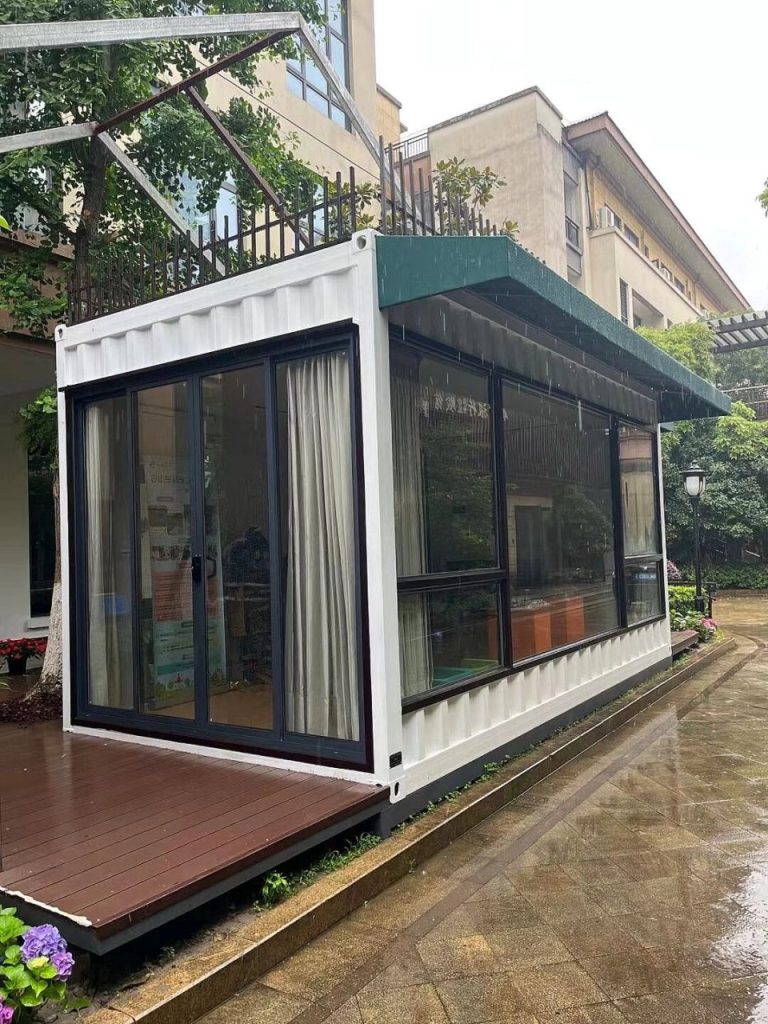
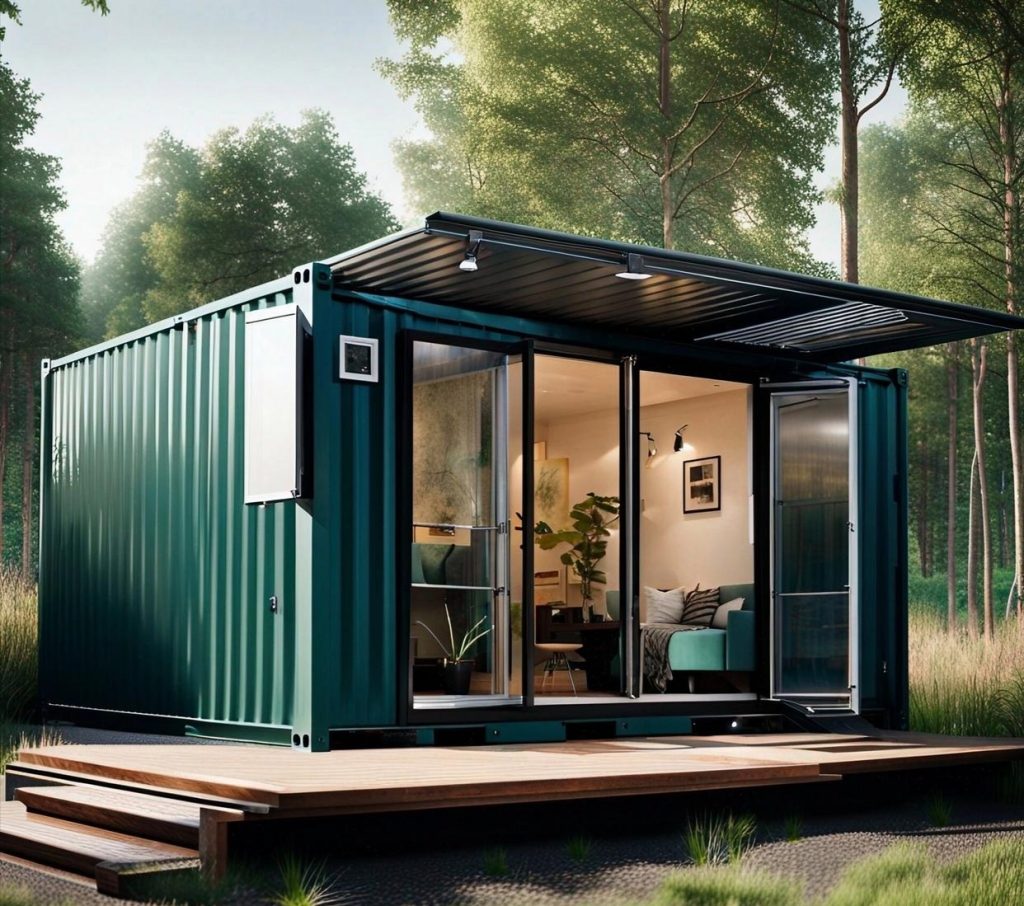
In an age where sustainability and innovation collide, shipping container homes have emerged as a revolutionary answer to modern housing challenges. These steel structures, once destined for global cargo routes, now redefine residential possibilities through their adaptability, affordability, and ecological consciousness. Far from being mere industrial relics, container homes symbolize a paradigm shift in how we conceptualize space, sustainability, and community. This article explores their transformative potential, diving into design versatility, environmental benefits, and the challenges that shape their evolution.
1. Sustainability at Its Core: Rethinking Waste
The environmental credentials of container homes are unparalleled. Each repurposed container diverts approximately 3.5 tons of steel from landfills—a figure that escalates when considering global shipping waste. Recycling steel saves 75% of the energy required to produce new material, reducing carbon emissions by up to 86%. Beyond mere recycling, these homes integrate passive design principles: cross-ventilated layouts, thermal mass walls, and green roofs regulate indoor climates without reliance on artificial systems. For instance, a container home in Scandinavia employs a double-skin façade filled with recycled denim insulation, achieving energy efficiency 40% above local building codes. Such innovations position container architecture as a cornerstone of circular economies, where waste transforms into habitable art.
2. Modular Design: Freedom Within Constraints
The true genius of container homes lies in their modular nature. Standard 20- or 40-foot containers can be stacked, sliced, and reconfigured to suit diverse needs—from minimalist studios to multi-story family residences. Architects in Melbourne, Australia, recently designed a vertical home using three containers rotated to maximize natural light, while a Tokyo project stacked units vertically to fit a 45-square-meter lot. This flexibility extends to interiors: movable walls, foldable furniture, and modular kitchens allow residents to adapt spaces dynamically. A Berlin-based design firm created a “transformer” home where a bedroom converts into a home office with sliding partitions, proving that functionality need not sacrifice aesthetics.
3. Cost-Efficiency Without Compromise
Container homes challenge the notion that affordability demands compromise. A basic 20-foot container starts at 1,500, with total construction costs often under 30,000 for a 400-square-foot unit. This pales in comparison to traditional homes, where land and materials alone can exceed $200,000. The savings stem from prefabrication: factories pre-cut and weld containers, reducing on-site labor by 60%. However, challenges persist. Insulation remains critical; spray foam or rigid panels are essential to combat steel’s thermal conductivity. A Canadian prototype demonstrated that combining spray foam with recycled denim insulation cut energy bills by 30% annually.
4. From Off-Grid Sanctuaries to Urban Oases
Container homes thrive in diverse environments. Off-grid enthusiasts favor them for their portability and resilience. A High Desert retreat in Arizona uses five containers arranged in an H-pattern to harness crosswinds for passive cooling, while a floating pod in Amsterdam integrates solar and shoreline energy systems. Urban dwellers, meanwhile, exploit their compact footprint. In Tokyo, cantilevered containers create terraces that double as green spaces, blending concrete jungles with nature. Even hospitality sectors embrace the trend: pop-up cafes and boutique hotels in Europe leverage container aesthetics to attract eco-conscious travelers.
5. Architectural Innovation: Pushing Boundaries
Container homes are not static; they evolve with technological and artistic advancements. Curved roofs, green walls, and cantilevered decks redefine their industrial origins. A Norwegian architect recently unveiled a dome-shaped container home covered in living plants, merging biophilic design with structural ingenuity. Meanwhile, 3D-printed additions allow homeowners to customize spaces digitally—imagine a bedroom “printed” overnight or a rooftop garden expanded with a robotic arm. These advancements merge container adaptability with digital innovation, heralding a new era of responsive living.
6. Challenges and Solutions: Navigating Realities
Despite their appeal, container homes face hurdles. Zoning laws in many regions restrict their use, while corrosion and fire risks demand meticulous engineering. Untreated containers may release volatile organic compounds (VOCs), necessitating sealing with non-toxic primers. Additionally, permits often require specialized inspections. However, these obstacles are surmountable. Partnering with certified builders ensures compliance, while modern coatings like corten steel enhance durability. A Chilean eco-retreat exemplifies this: by repurposing scrap materials for interiors and integrating solar shading, it achieved LEED certification despite strict building codes.
7. The Future: Smart and Sustainable Synergy
Emerging technologies are propelling container homes into the future. Smart sensors now monitor energy use in real-time, optimizing HVAC systems for efficiency. Prefabricated utility cores bundle plumbing and electrical systems into plug-and-play modules, reducing installation time. In the Netherlands, a floating container community uses AI to adjust ventilation based on occupancy, slashing energy waste. Meanwhile, modular green roofs and rainwater harvesting systems turn containers into self-sustaining ecosystems. These innovations blend container adaptability with digital intelligence, creating homes that learn and adapt to their inhabitants’ needs.
Conclusion: A Box of Possibilities
Container homes are more than a trend—they represent a paradigm shift in how we conceptualize space, sustainability, and community. By reimagining waste as a resource and modular design as a tool for creativity, they offer a blueprint for resilient, human-centric habitats. As architect Bjarke Ingels noted, “The container is a blank canvas; its potential is limited only by our imagination.” Whether nestled in forests, stacked in cities, or floating on water, these structures prove that innovation thrives within constraints. As climate change accelerates and urbanization intensifies, container homes may well become the cornerstone of 21st-century living—a harmonious blend of practicality and poetry.
References
-
Environmental impact and recycling benefits of shipping containers.
-
Modular design principles and spatial optimization.
-
Case studies on innovative container architectures.
-
Challenges in zoning, insulation, and material durability.
-
Integration of smart technologies and sustainable systems.
This article synthesizes insights from architectural practices, environmental studies, and real-world implementations to present a comprehensive view of container homes’ transformative potential.
Article link:https://www.vlefooena.com/building-dreams-with-boxes-the-versatility-of-container-homes/


No reply content