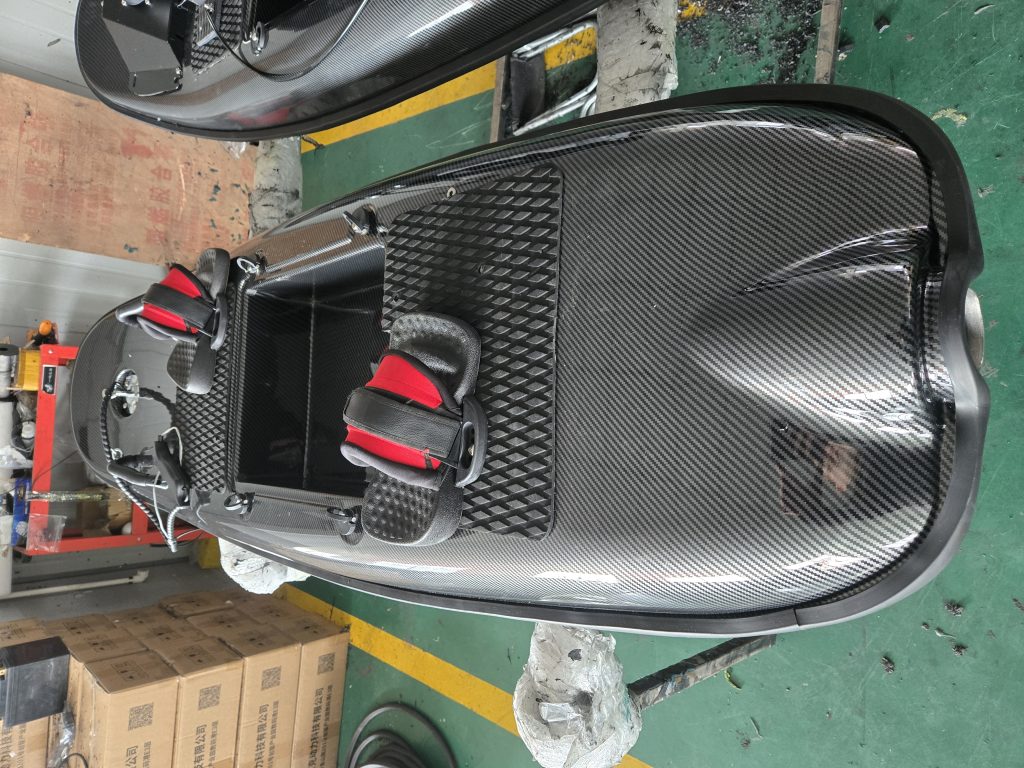

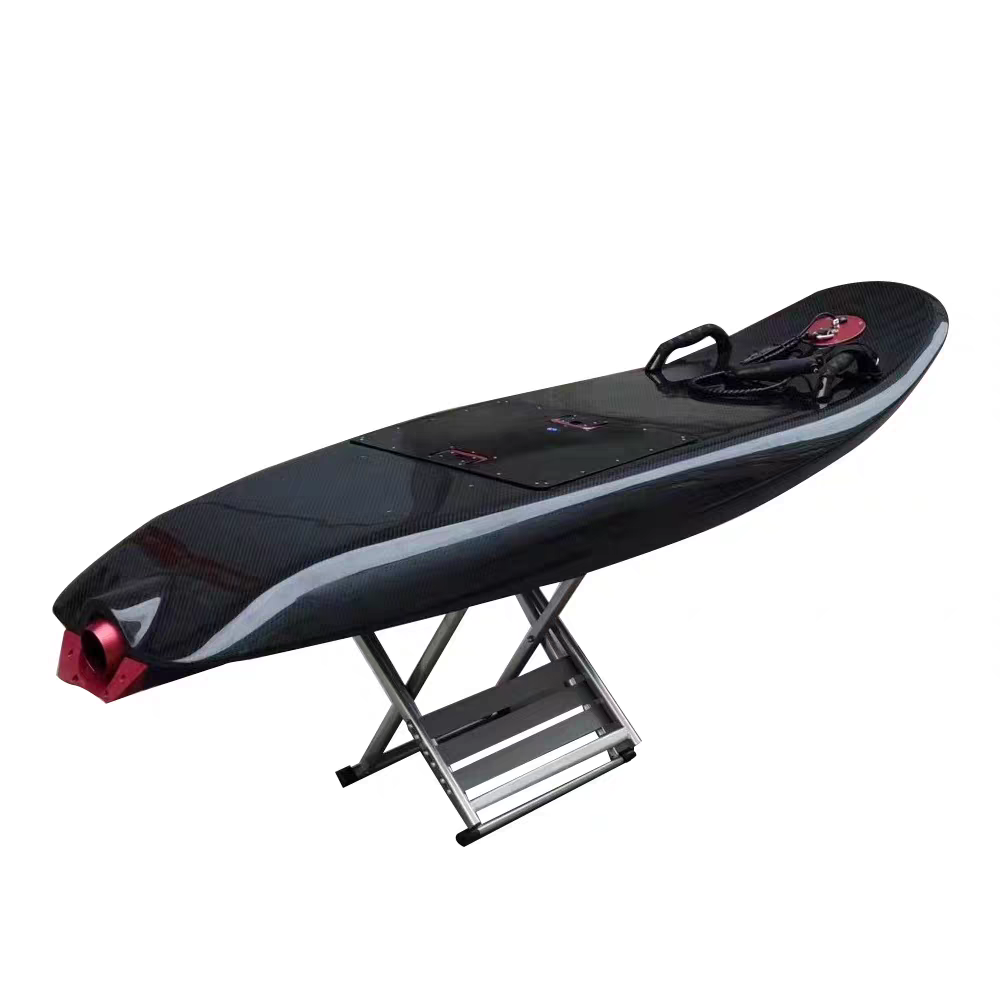
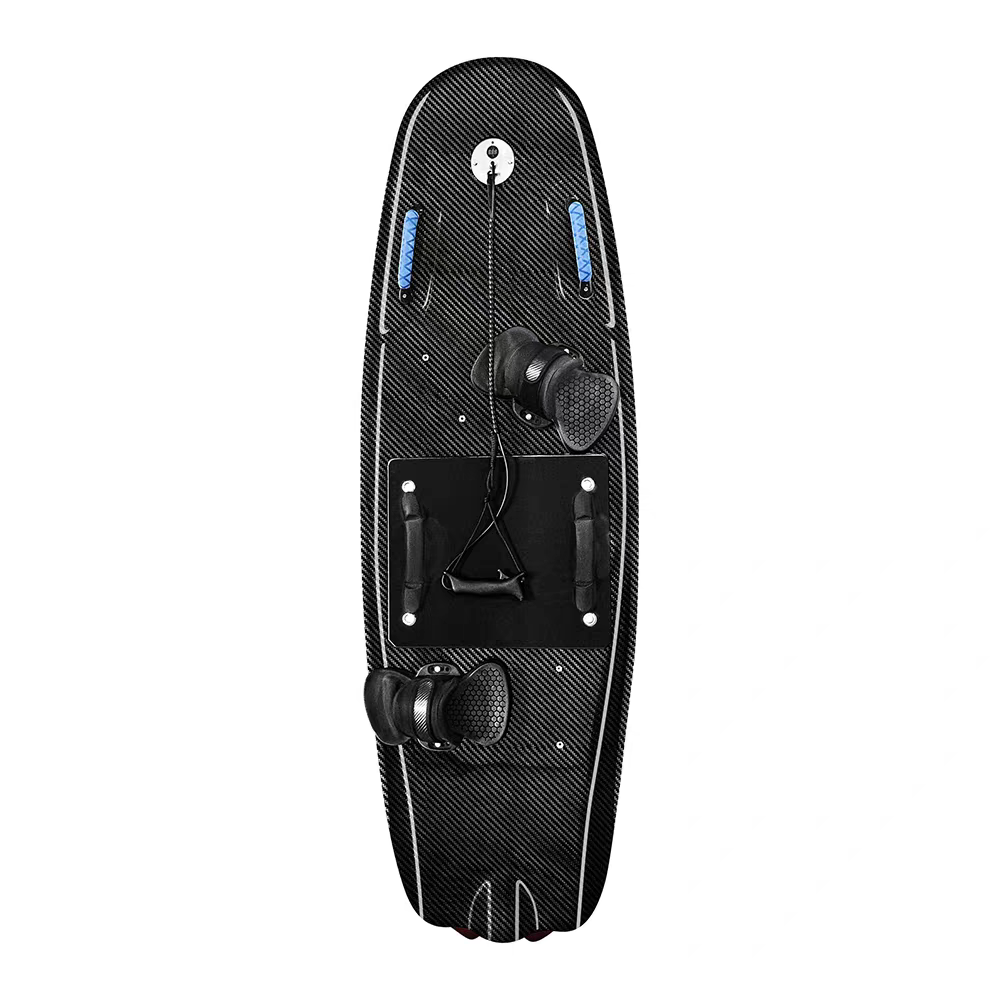
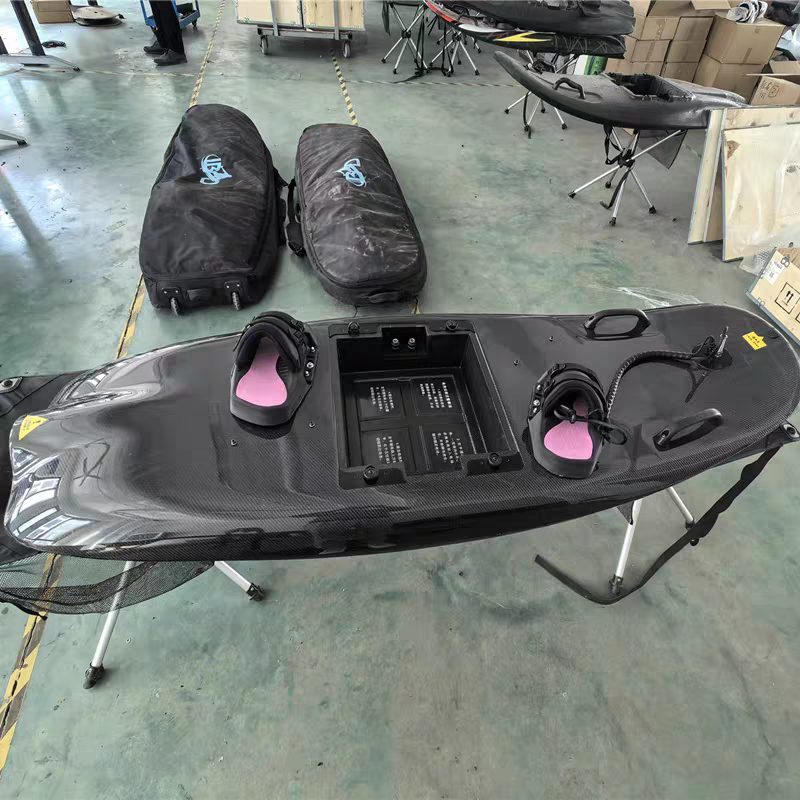
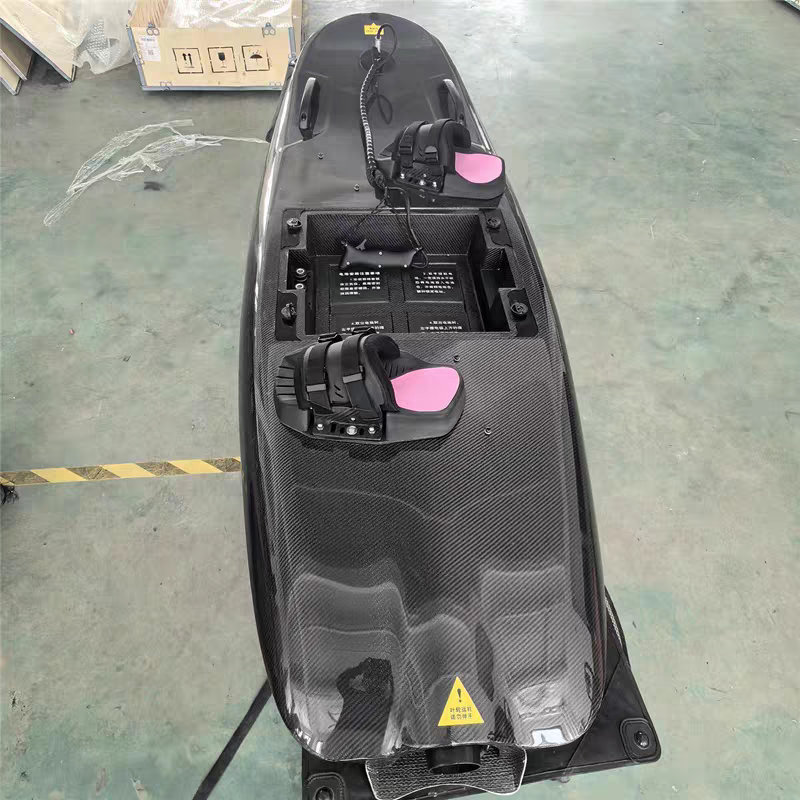
In a brightly lit laboratory, a technician places a newly assembled electric surfboard into a saltwater immersion tank. On a nearby desk, a stack of documents bears the seal of ISO 9001:2015—the global gold standard for quality management systems. This scene unfolds daily at China’s certified electric surfboard manufacturing facilities, where every component, process, and成品 is held to the strictest international benchmarks. For buyers navigating a market flooded with options, “ISO quality assured” is more than a label—it’s a promise of reliability, safety, and consistency. These factories don’t just produce boards; they engineer trust. 📜✅
Why Certification Matters: Beyond a Stamp of Approval
In the electric surfboard industry, where performance directly impacts user safety and brand reputation, certification isn’t optional—it’s essential. A 2023 market survey revealed that 78% of global buyers prioritize suppliers with recognized certifications, citing reduced risk of defects, easier regulatory compliance, and enhanced customer confidence. For Chinese manufacturers, pursuing certifications like ISO 9001 (Quality Management), ISO 14001 (Environmental Management), and IEC 62133 (Battery Safety) is a strategic investment in credibility.
But certification isn’t a one-time achievement. It requires continuous improvement, transparent documentation, and third-party audits—ensuring factories evolve with industry standards. As one facility manager put it: “ISO isn’t a trophy we display; it’s the rulebook we live by every day.”
ISO in Action: How Quality Assurance Shapes Every Stage
At a certified facility, ISO standards permeate every step of production, from initial design to final shipment. Here’s how they translate into tangible quality:
1. 🎨 Design & Development: Built on Best Practices
Before a single board is molded, engineers follow ISO 9001’s “Design and Development” clause, which mandates:
-
Risk Assessment: Identifying potential failures (e.g., battery overheating, motor malfunctions) and integrating safeguards (e.g., thermal cutoffs, waterproof seals).
-
User-Centric Prototyping: Creating 3D-printed models and functional prototypes tested by riders of varying skill levels. Feedback loops refine ergonomics (e.g., grip texture, footwell depth) and performance (e.g., stability at high speeds).
-
Documentation: Every design change is logged in a centralized system, ensuring traceability and compliance with client specifications.
Icon Highlight: A 🔍 symbol marks design reviews, where cross-functional teams (engineers, QA, marketing) validate plans against ISO criteria.
2. 🏭 Production: Precision at Scale
On the factory floor, ISO 9001’s “Process Control” guidelines govern assembly lines:
-
Standardized Work Instructions: Step-by-step manuals for tasks like motor installation, battery wiring, and deck bonding—minimizing human error.
-
Automated Quality Gates: Sensors and cameras inspect components (e.g., checking carbon fiber weave integrity, verifying motor torque) at 12 critical points. Defective parts trigger automatic rejection.
-
Employee Training: Staff undergo regular ISO-compliant training (e.g., proper handling of lithium-ion batteries, emergency response protocols). Certifications are renewed annually to reflect updates.
Example: A line worker noticed a slight misalignment in a motor mount during a routine check. Thanks to ISO’s “non-conformance reporting” protocol, the issue was escalated, traced to a faulty jig, and corrected—preventing 200+ defective boards.
3. 🔋 Component Sourcing: Vetting for Excellence
Certified facilities don’t just buy parts—they audit suppliers. Following ISO 9001’s “Supplier Management” clause, they:
-
Require vendors to provide proof of their own certifications (e.g., battery suppliers must comply with IEC 62133).
-
Conduct annual on-site audits of key partners, evaluating their quality control, labor practices, and environmental policies.
-
Maintain a “Approved Supplier List” (ASL) and reject materials that fail incoming inspections (e.g., subpar EVA foam, corroded fasteners).
Data Point: One facility reduced component-related defects by 65% after implementing stricter supplier vetting under ISO guidelines.
4. 🌊 Testing & Validation: Proving Durability
No board leaves the factory without passing ISO-compliant testing protocols:
-
Environmental Stress Tests: Exposure to -20°C (cold climates) and 60°C (deserts) for 48 hours, simulating extreme weather.
-
Mechanical Load Tests: Supporting 150kg riders while operating at full throttle for 2 hours—mimicking heavy usage.
-
Waterproof Validation: Submersion in 1-meter-deep tanks for 72 hours, with post-test checks for electrical shorts.
Icon Highlight: A 🌊 symbol denotes boards that pass all aquatic tests, with results logged in an ISO-mandated database.
5. 📦 Packaging & Shipping: Protecting the Product
ISO 9001’s “Preservation of Product” clause ensures boards arrive intact:
-
Shock-Absorbent Materials: Custom foam inserts cradle boards during transit, tested to withstand 3-foot drops.
-
Climate-Controlled Containers: For bulk shipments to tropical regions, containers include dehumidifiers to prevent mold.
-
Documentation: Each crate includes a “Certificate of Conformity” detailing test results, serial numbers, and compliance with destination-country regulations (e.g., CE, FCC).
The Role of Third-Party Audits: Independent Verification
Certification isn’t self-proclaimed—it’s validated by accredited bodies like SGS, TÜV, or Bureau Veritas. These auditors conduct unannounced visits, reviewing:
-
Record-Keeping: Checking if production logs, training records, and non-conformance reports are up-to-date.
-
Process Adherence: Observing assembly lines to ensure workers follow standardized instructions.
-
Continuous Improvement: Evaluating how the factory addresses past audit findings (e.g., upgrading a welding machine to reduce defects).
Audit Impact: One facility passed its ISO recertification with zero major findings, earning praise for its “proactive approach to quality enhancement.”
Customer Value: Why Buyers Choose ISO-Certified Facilities
For global brands, retailers, and rental companies, partnering with an ISO-certified factory delivers tangible benefits:
1. Reduced Risk of Recalls & Liabilities
With rigorous testing and traceability, the likelihood of defective boards reaching customers drops by 80% compared to non-certified peers. This minimizes costly recalls and protects brand reputation.
2. Streamlined Import Processes
Certifications like CE (EU) and FCC (USA) are often prerequisites for customs clearance. ISO-aligned documentation (e.g., test reports, certificates of origin) speeds up approvals, reducing lead times.
3. Enhanced Brand Trust
Displaying ISO certification on marketing materials signals to end-users that the product meets global standards—boosting purchase confidence. A 2024 survey found that 82% of consumers prefer brands that partner with certified manufacturers.
4. Long-Term Partnership Stability
ISO’s “continuous improvement” mandate means factories regularly upgrade equipment and processes. Buyers benefit from access to the latest technology (e.g., AI-driven quality checks) without switching suppliers.
Case Study: A Rental Company’s Success Story
A European rental chain specializing in water sports equipment switched to an ISO-certified Chinese factory after experiencing frequent board failures with a previous supplier. The new partnership delivered:
-
95% Fewer Defects: Down from 12% to 0.6% within 6 months.
-
30% Lower Maintenance Costs: Due to durable components and comprehensive after-sales support.
-
Positive Customer Reviews: Riders praised the boards’ reliability, leading to a 20% increase in bookings.
Quote: “The ISO certification gave us peace of mind. We knew every board was built to last—and our customers feel that too.” — Rental Chain Manager
The Future: Evolving with ISO Standards
As the electric surfboard industry advances, certified facilities are already preparing for emerging standards:
-
ISO 13485: Adapting medical-device-like quality controls for battery safety.
-
ISO 26000: Integrating social responsibility (e.g., fair labor practices, community engagement).
-
AI-Driven Quality Checks: Using machine learning to predict defects before they occur.
Conclusion: Certification as a Competitive Edge
In a crowded market, “ISO quality assured” is more than a differentiator—it’s a testament to a factory’s commitment to excellence. China’s certified electric surfboard manufacturers prove that rigorous standards, continuous improvement, and independent verification can coexist with scalability and innovation. For buyers, this means access to boards that perform flawlessly, comply with global rules, and build lasting trust with end-users.
When you choose an ISO-certified facility, you’re not just buying a product—you’re investing in a partnership built on transparency, accountability, and unwavering quality. 🏄♂️✅
Your board. Our promise. Certified by ISO.
Article link:https://www.vlefooena.com/certified-china-electric-surfboard-manufacturing-facility-iso-quality-assured/


No reply content