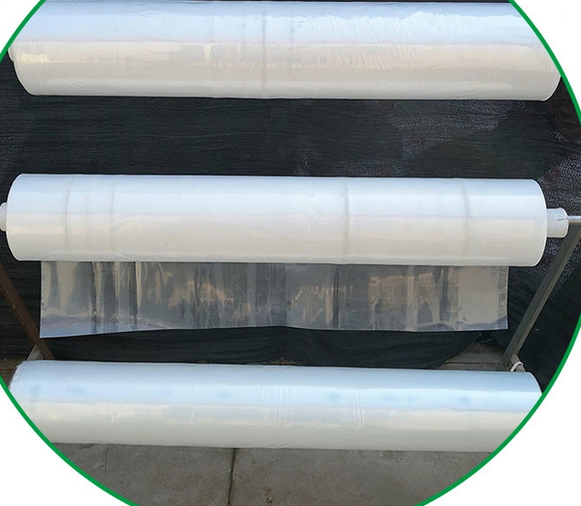
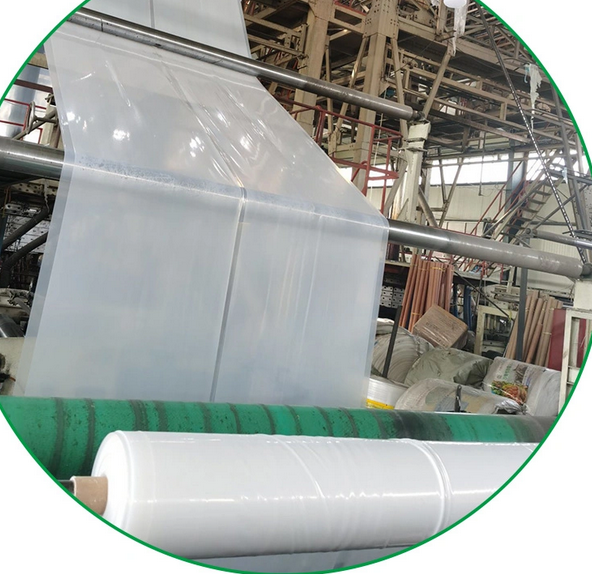
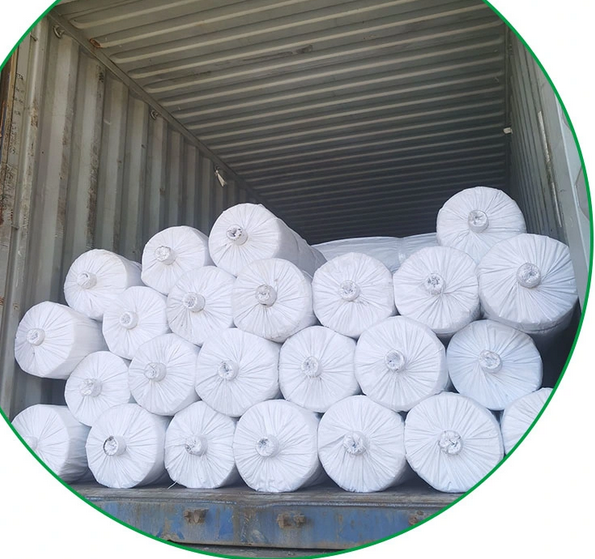
Greenhouse farming has become acornerstone of modern agriculture, enabling year-round production, improved crop yields, and resource-efficient cultivation. At the heart of this system is high-quality greenhouse film, a material that protects crops, regulates the internal environment, and maximizes light transmission. China, as one of the world’s largest producers of agricultural films, plays a pivotal role in supplying greenhouse films to domestic and international markets. Chinese suppliers combine technological innovation, diverse material offerings, and scalable production to meet the growing demands of modern farmers and agribusinesses.
The Role of Greenhouse Film in Agriculture
Greenhouse films are specialized plastic materials designed to cover greenhouses, tunnels, and other protective structures. They serve several critical functions:
- Temperature Regulation: Greenhouse films help retain heat during cold periods while reflecting excess sunlight in hot seasons, creating an optimal growing environment for crops.
- Light Transmission: Advanced films are engineered to allow uniform distribution of sunlight, promoting photosynthesis and plant growth.
- Protection from Pests and Weather: Films act as a barrier against insects, birds, heavy rain, and wind, reducing crop damage.
- Humidity Control: By minimizing water evaporation, greenhouse films maintain a stable microclimate inside the greenhouse, supporting consistent crop growth.
The quality and durability of greenhouse film directly impact agricultural efficiency, crop quality, and economic outcomes for farmers.
Types of Greenhouse Film Supplied by China
Chinese greenhouse film suppliers offer a wide range of products designed for various agricultural applications:
-
Polyethylene (PE) Film:
PE film is the most common greenhouse covering material due to its cost-effectiveness, durability, and ease of installation. It can be manufactured in different thicknesses, UV-resistance levels, and light transmission rates to suit specific crops and climates. -
Polyvinyl Chloride (PVC) Film:
PVC film provides higher durability and longer lifespan compared to standard PE film. It offers excellent weather resistance and flexibility, making it suitable for multi-season use. -
Anti-Drip and Anti-Fog Films:
Advanced greenhouse films incorporate anti-condensation coatings to prevent water droplets from dripping onto plants, which reduces disease risk and enhances light penetration. -
UV-Resistant and Infrared-Blocking Films:
Specialized films block harmful UV rays while allowing beneficial wavelengths for photosynthesis. Infrared-blocking variants help reduce heat accumulation during hot days, creating a more controlled environment. -
Multi-Layer Films:
Multi-layered greenhouse films provide enhanced insulation, durability, and energy efficiency, making them ideal for colder climates and large-scale commercial greenhouses.
Customization and Production Capabilities
China’s greenhouse film suppliers excel in customization, offering products tailored to crop type, climate conditions, and greenhouse structures:
- Thickness and Size Options: Films can be produced in various thicknesses, ranging from 80 to 200 microns or more, and in widths suitable for different greenhouse dimensions.
- Color and Transparency: Suppliers offer clear, diffused, or colored films to optimize light distribution and crop growth.
- UV and Weather Resistance: Films can be engineered to withstand varying levels of UV exposure, wind, and rainfall for extended lifespans.
- Printing and Branding: Some suppliers provide custom-printed films for commercial farms or exporters, including logos and usage instructions.
Advanced production lines in Chinese factories use co-extrusion, multi-layer blowing, and anti-fog coating technologies, ensuring consistent quality and precise performance characteristics.
Quality Assurance and Standards
High-quality greenhouse film requires rigorous quality control:
- Tensile Strength Testing: Ensures the film can withstand wind and structural stress.
- UV Resistance Testing: Confirms durability under prolonged sunlight exposure.
- Light Transmission and Diffusion Testing: Ensures optimal growth conditions for crops.
- Chemical and Thermal Stability: Verifies the film’s resistance to temperature fluctuations and agricultural chemicals.
Many Chinese suppliers comply with international quality standards such as ISO and ASTM, providing buyers with confidence in both domestic and export markets.
Applications in Agriculture
Greenhouse films from China are used across diverse agricultural sectors:
- Vegetable Cultivation: Tomatoes, cucumbers, peppers, and leafy greens benefit from controlled light and temperature.
- Fruit Production: Strawberries, grapes, and melons thrive under protective films that regulate humidity and reduce disease risk.
- Flower and Ornamental Plant Cultivation: Controlled microclimates help maintain uniform growth and flower quality.
- Seedling and Nursery Operations: Films protect young plants from extreme weather and pests, ensuring healthy transplants.
This versatility makes Chinese greenhouse film suppliers a key partner for modern farmers seeking high productivity and sustainable agricultural practices.
Export Capabilities and Global Market Reach
China is a leading exporter of greenhouse films, supplying countries across Asia, Europe, Africa, and the Americas. Experienced suppliers provide comprehensive services:
- Bulk Production and Logistics: Large-scale production lines ensure consistent supply for commercial farms and distributors.
- International Compliance: Suppliers handle export documentation, phytosanitary regulations, and shipping logistics.
- Customer Support: Many offer technical guidance on installation, maintenance, and crop-specific recommendations.
By combining high-quality products with global distribution expertise, Chinese suppliers have become a reliable source of greenhouse films for farmers worldwide.
Sustainability Considerations
Leading greenhouse film suppliers in China are increasingly adopting sustainable practices:
- Recyclable Materials: Using PE or other plastics that can be recovered and recycled reduces environmental impact.
- UV-Stable, Long-Life Films: Durable films reduce frequent replacement, minimizing waste.
- Energy-Efficient Production: Factories employ energy-saving equipment and optimized extrusion processes.
Sustainable practices not only align with global environmental goals but also appeal to eco-conscious buyers in the agricultural industry.
Choosing the Right Greenhouse Film Supplier
Selecting a reliable supplier requires careful consideration of:
- Product Quality: Evaluate film thickness, UV stability, tensile strength, and light diffusion properties.
- Customization Capabilities: Assess whether the supplier can produce films suitable for specific greenhouse structures or crops.
- Production Capacity and Lead Time: Ensure timely delivery, especially for large-scale operations.
- Export Experience: Confirm expertise in international logistics and compliance with import regulations.
- Technical Support: Suppliers offering guidance on installation and maintenance add significant value.
Conclusion
China has established itself as a premier supplier of greenhouse films, providing high-quality, customizable, and sustainable solutions for modern agriculture. With a wide range of materials, advanced production technologies, rigorous quality control, and global export capabilities, Chinese greenhouse film suppliers meet the diverse needs of farmers, agribusinesses, and international distributors.
By partnering with reliable Chinese suppliers, agricultural businesses can enhance productivity, protect crops, reduce environmental impact, and secure long-term success in the competitive global market.
Article link:https://www.vlefooena.com/china-a-supplier-of-greenhouse-film/


No reply content