
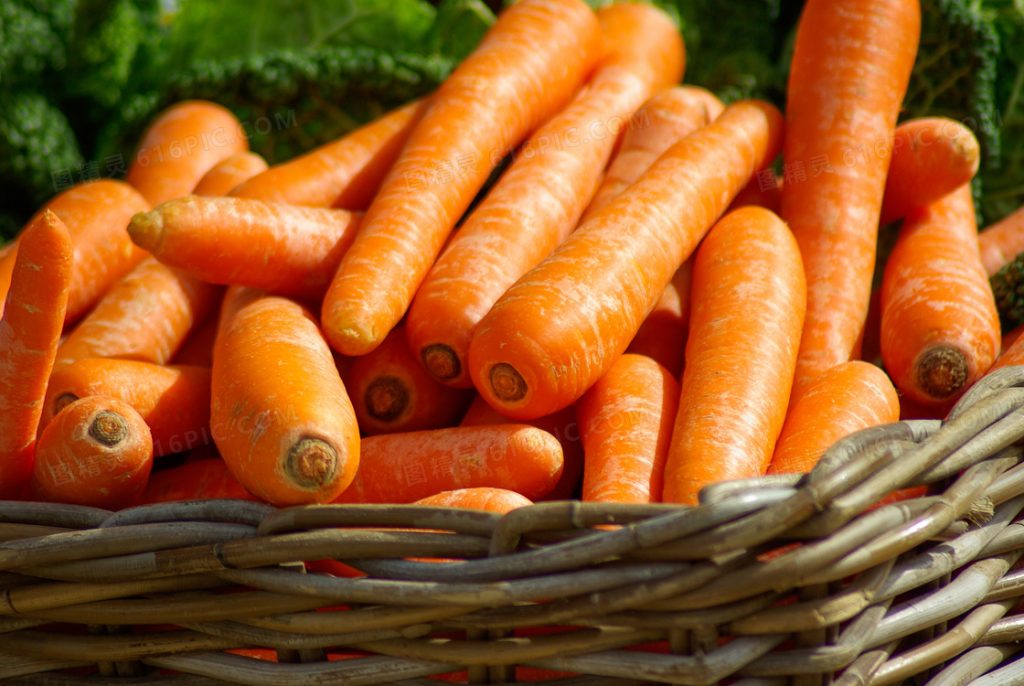
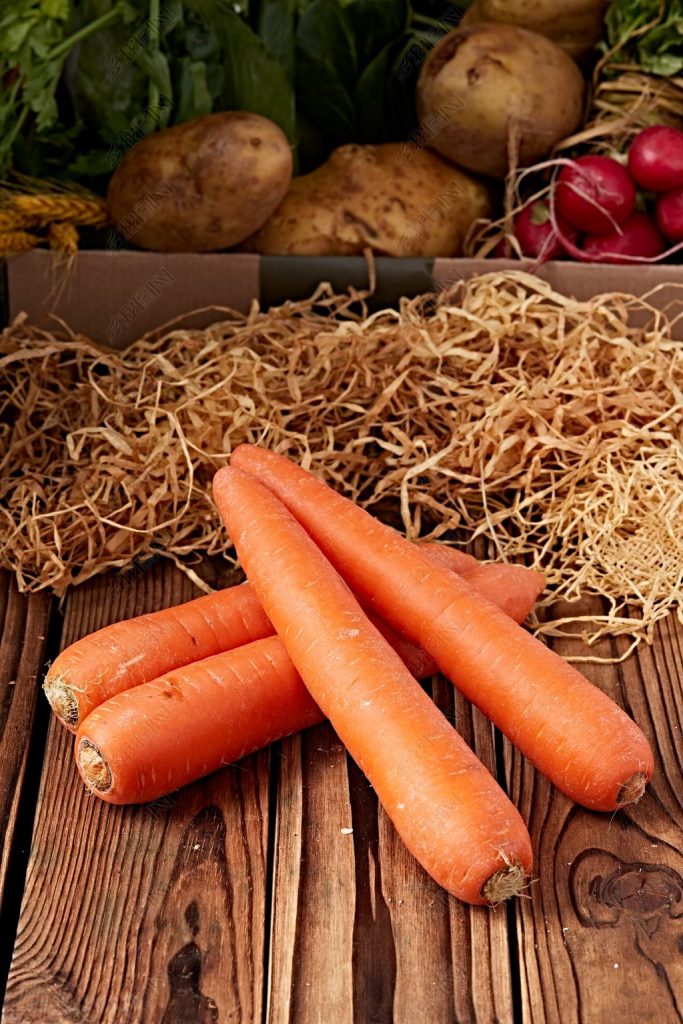
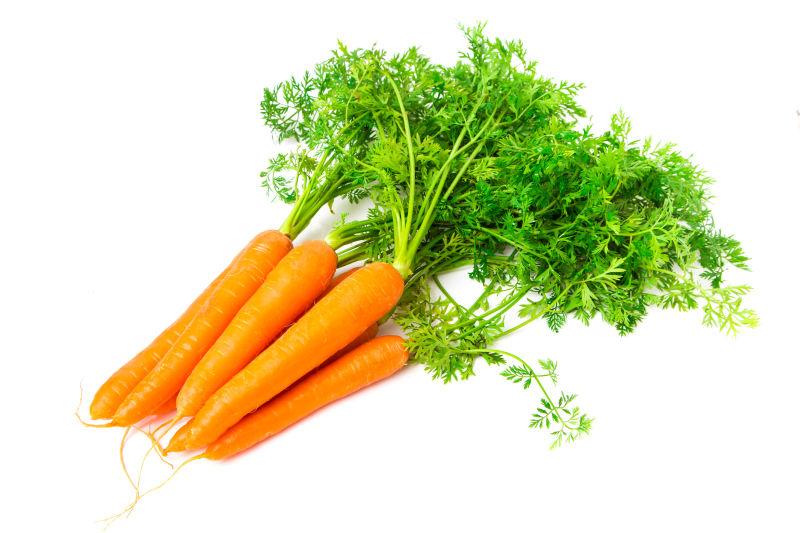

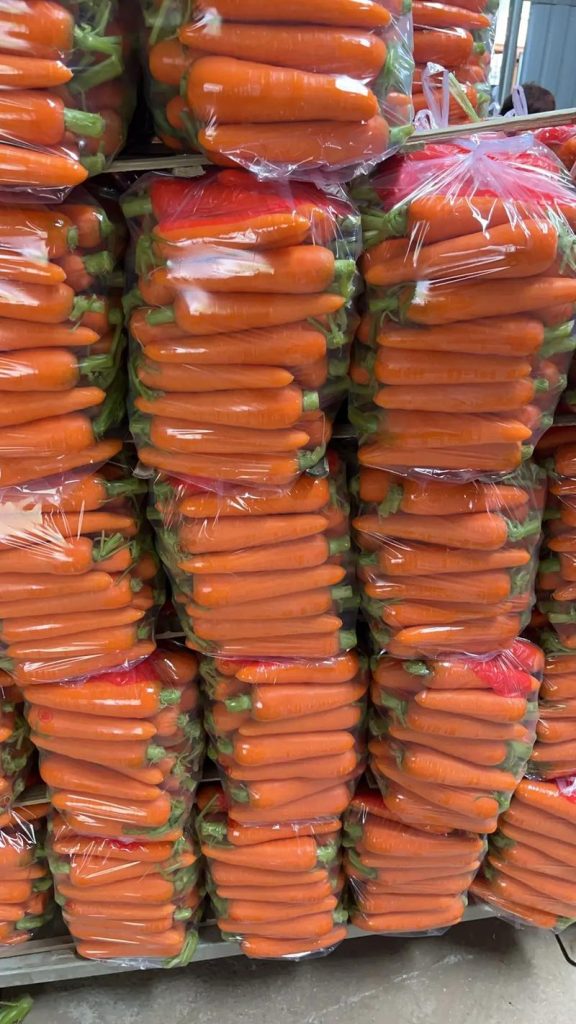

Sourcing carrots from China offers global buyers a competitive edge through large-scale farming, advanced processing, and strict export standards. This guide explains how to choose reliable suppliers, understand pricing structures, manage logistics, and secure consistent quality for long-term international trade success.
Introduction
China has become one of the world’s most influential agricultural exporters, supplying fresh and processed vegetables to markets across Asia, the Middle East, Europe, and North America. Among these products, carrots stand out as a stable, high-demand commodity with year-round production, multiple varieties, and diverse applications in food service, retail, and manufacturing.
A professional China carrot export supplier is not simply a farmer. It is an integrated partner capable of managing cultivation, grading, cleaning, cold storage, packing, customs documentation, and international shipping. For importers, wholesalers, and distributors, choosing the right supplier determines everything—from shelf life and appearance to taste consistency and profit margins.
This guide explores every step of the carrot sourcing process from China, helping buyers understand quality standards, export procedures, packaging formats, seasonal availability, pricing logic, and how to avoid common pitfalls.
Why China Dominates the Global Carrot Supply
China’s dominance in the carrot export market is not accidental. It results from decades of investment in agricultural infrastructure, farming technology, logistics networks, and food safety systems.
Key advantages include:
Large-scale cultivation zones
Mechanized harvesting
Controlled irrigation systems
Advanced washing and sorting lines
Integrated cold chain logistics
Flexible packaging capabilities
Carrot farms in major producing regions operate with consistent yield targets, allowing exporters to offer stable volumes throughout the year. This is essential for supermarket chains, food processors, and wholesale distributors that require uninterrupted supply.
Major Carrot-Producing Regions in China
Carrot production is spread across several agricultural belts, each with its own climate advantages and harvest windows.
Northern regions focus on long-storage varieties suitable for cold shipping. Central regions specialize in high-sugar carrots favored for juicing and baby food. Coastal zones often focus on export-grade washing, polishing, and packaging.
These regions enable year-round availability, which is a critical advantage compared to seasonal exporters.
Types of Carrots Available for Export
China carrot export suppliers typically offer multiple varieties, including:
Fresh whole carrots
Baby carrots
Washed and polished carrots
Organic carrots
IQF frozen carrot dices
Sliced carrots
Shredded carrots
Puree-grade carrots
Each format serves a different market. Retailers prefer visually uniform, bright orange carrots. Food processors prioritize sugar content, fiber consistency, and moisture control.
Understanding your target application helps determine the right supplier profile.
Quality Standards for Export Carrots
A professional export supplier follows strict grading systems based on:
Length uniformity
Diameter range
Color consistency
Surface smoothness
Sugar content
Moisture level
Absence of cracks or bruises
Clean crown cuts
Carrots intended for export are typically pre-cooled, hydro-washed, air-dried, sorted by optical machines, and packed in controlled environments.
This ensures:
Longer shelf life
Reduced microbial risk
Better appearance
Lower rejection rates
Food Safety and Compliance
Modern carrot export suppliers in China operate under internationally recognized safety systems such as:
Hazard control protocols
Traceability systems
Residue monitoring
Batch tracking
Temperature-controlled storage
Pre-shipment inspections
These systems protect buyers from shipment rejections, border delays, and regulatory issues.
Packaging Options
Packaging plays a major role in preserving carrot quality during long-distance shipping.
Common packaging formats include:
Bulk mesh bags
Cartons with inner liners
Vacuum-sealed retail packs
Modified atmosphere packaging
Private label printed boxes
Export suppliers customize packaging to meet supermarket standards, wholesale preferences, or foodservice requirements.
Shelf Life and Storage Conditions
When properly handled, fresh carrots from China can maintain quality for 30 to 90 days under optimal cold storage.
Ideal storage conditions include:
Temperature: 0–2°C
Humidity: 90–95%
Ventilated airflow
Ethylene control
Suppliers who control their cold chain can guarantee consistent arrival quality.
Pricing Structure of Chinese Export Carrots
Carrot pricing depends on several variables:
Harvest season
Grade level
Size uniformity
Sugar content
Packaging type
Order volume
Destination port
Currency fluctuations
Rather than a fixed price, most professional suppliers offer tiered pricing based on contract volume and frequency.
How to Identify a Reliable China Carrot Export Supplier
A professional supplier should demonstrate:
Transparent documentation
Traceable farming records
Quality inspection reports
Stable export history
Multilingual sales teams
Responsive communication
Flexible order handling
Avoid suppliers that refuse to provide samples, third-party inspection reports, or shipment references.
Common Mistakes Buyers Make
Many importers fail due to:
Choosing based on lowest price only
Ignoring cold chain logistics
Overlooking grading standards
Poor packaging selection
Incomplete customs documentation
A slightly higher-cost supplier often saves money in reduced spoilage, faster customs clearance, and better customer satisfaction.
Logistics and Shipping Options
Export carrots are typically shipped using:
Refrigerated containers
Controlled atmosphere containers
Air freight for urgent orders
Transit times vary by destination but are carefully planned to match carrot shelf life.
Documentation Required for Export
Professional suppliers handle:
Commercial invoice
Packing list
Certificate of origin
Phytosanitary certificate
Bill of lading
Quality inspection report
This reduces buyer workload and prevents clearance delays.
Article link:https://www.vlefooena.com/china-carrot-export-supplier-a-complete-guide-to-sourcing-quality-pricing-and-global-trade/


No reply content