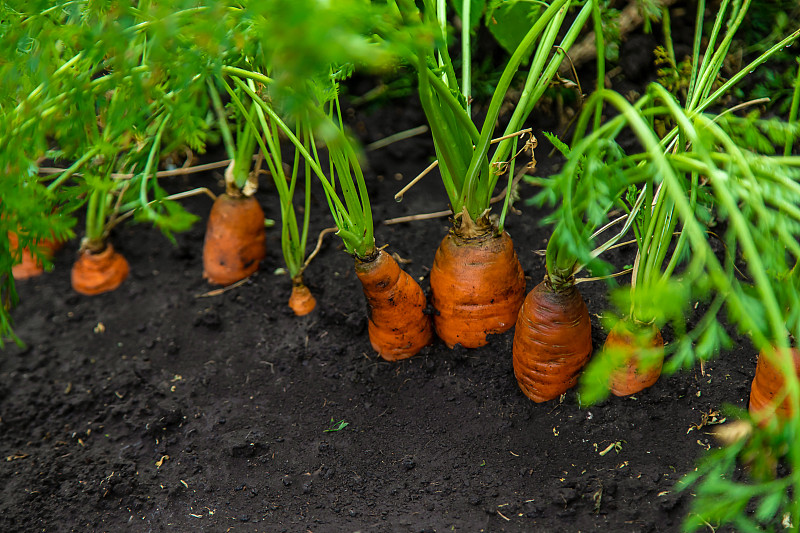
In the ever-evolving landscape of agricultural trade, China has solidified its position as a cornerstone supplier of fresh carrots. With decades of cultivation expertise, advanced post-harvest technologies, and a commitment to meeting international standards, Chinese carrot exporters cater to diverse markets across Asia, Europe, North America, and beyond. This article delves into the strengths of China’s carrot supply chain, the varieties offered, quality control measures, and why partnering with these suppliers makes strategic sense for businesses seeking consistency and value.
1. The Foundation: Ideal Growing Conditions
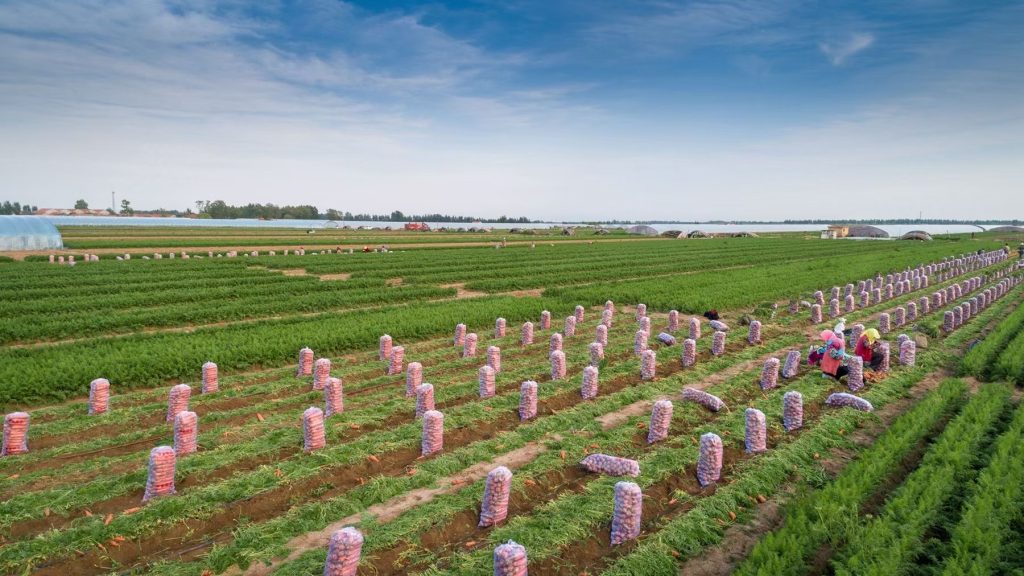
China’s geographical diversity provides optimal environments for carrot cultivation. Major production hubs include Shandong, Hebei, Henan, and Inner Mongolia—regions characterized by fertile loess soil, temperate climates, and ample sunlight. For instance, Shandong’s coastal plains offer well-drained soil rich in organic matter, ideal for growing sweet, crisp carrots. Inner Mongolia’s cooler temperatures extend the growing season, allowing for staggered harvests that ensure year-round availability. These natural advantages translate to carrots with uniform size, vibrant color (ranging from deep orange to pale yellow), and robust flavor—traits highly valued by global buyers.
2. Varieties Tailored to Global Tastes
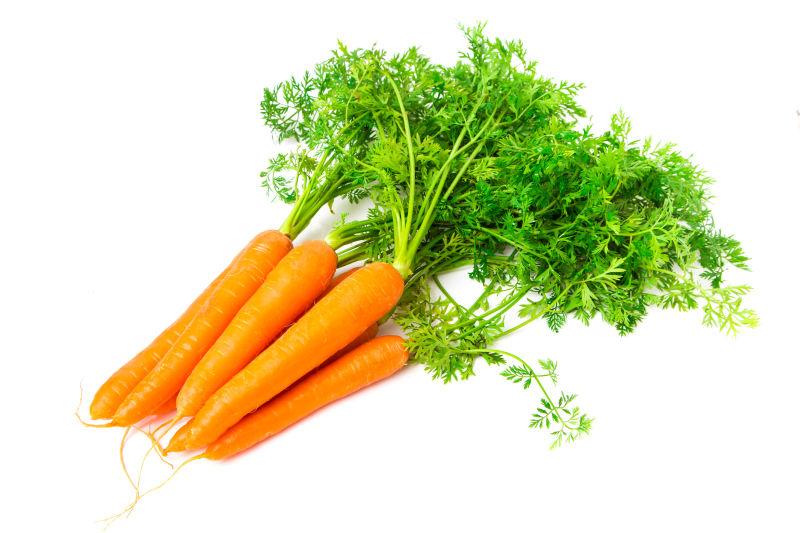
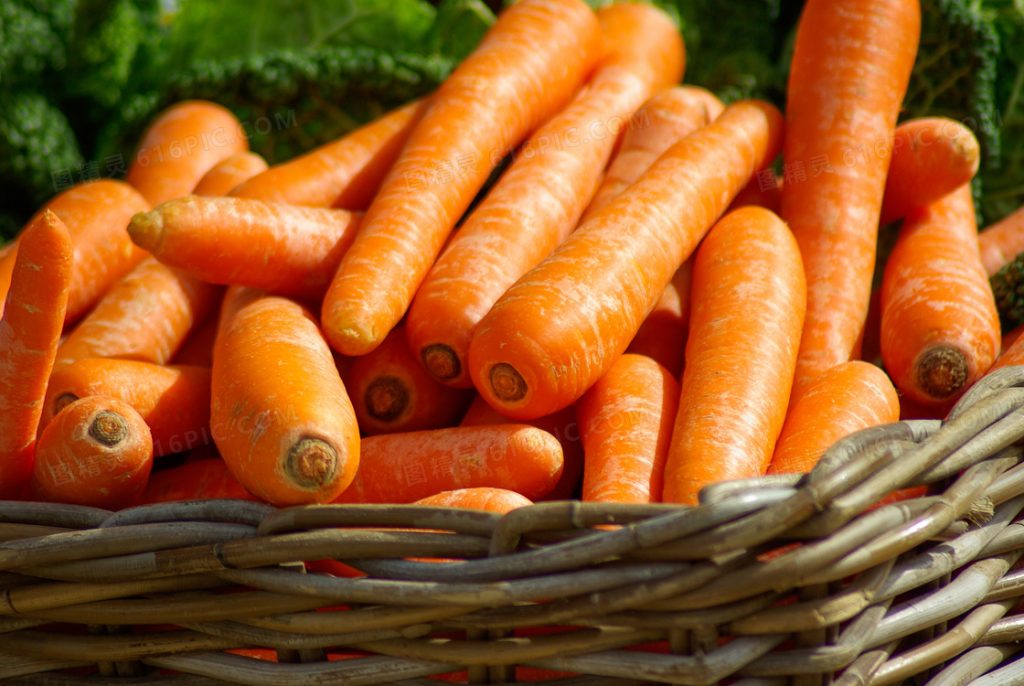
Chinese suppliers excel in producing a wide array of carrot types to suit regional preferences. The most common is the Nantes variety, prized for its cylindrical shape, smooth skin, and sweet taste—popular in European and North American markets. For Asian consumers, suppliers often grow Chantenay carrots, which are shorter, thicker, and better suited for stir-fries or pickling. Additionally, specialty varieties like purple carrots (rich in anthocyanins) and baby carrots (harvested early for snacking) are increasingly in demand. Many farms also offer organic options, certified by bodies such as EU Organic, USDA Organic, or JAS (Japan Agricultural Standard), appealing to health-conscious buyers.
3. From Farm to Export: Rigorous Quality Control
A key reason China leads in carrot exports is its end-to-end quality management. Most suppliers operate on integrated farms where every stage—seeding, irrigation, pest control, and harvesting—is monitored. Drip irrigation systems minimize water waste and prevent soil-borne diseases, while integrated pest management (IPM) reduces reliance on chemical pesticides. Post-harvest, carrots undergo immediate washing, sorting, and grading using optical sensors to eliminate damaged or undersized produce. Cold storage facilities, maintained at 0–4°C, preserve freshness during transit, ensuring carrots reach destination markets with minimal nutrient loss. Exporters also provide phytosanitary certificates, origin documentation, and third-party lab reports (for pesticide residues and heavy metals) to comply with import regulations.
4. Scalability and Customization
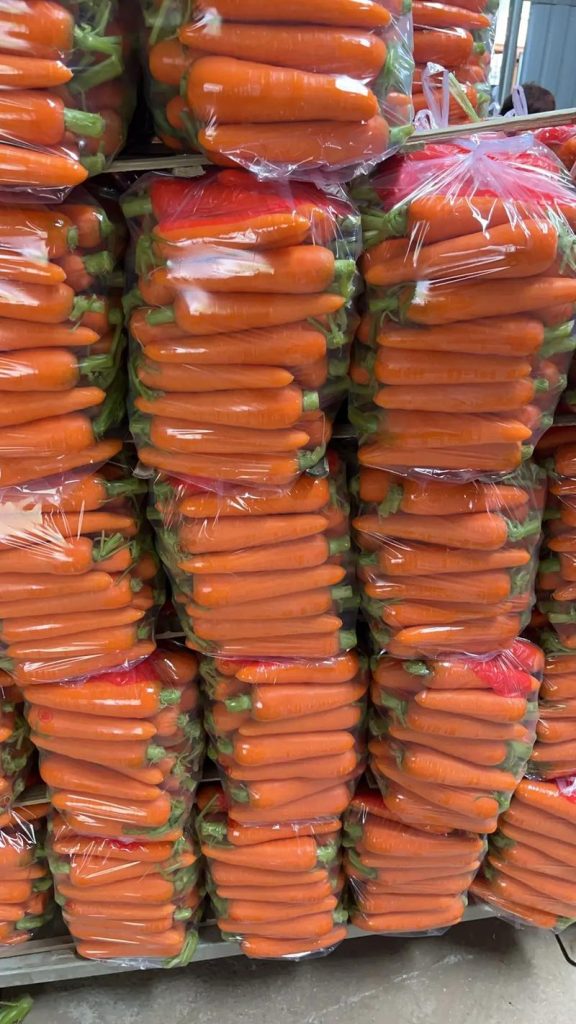
Whether a client needs a container load (20 tons) or full charter shipments (500+ tons), Chinese suppliers adapt seamlessly. Small-scale cooperatives serve niche markets, while large agribusinesses handle bulk orders for supermarket chains. Customization is another strength: suppliers can adjust carrot length (10–30 cm), diameter (2–5 cm), and packaging (mesh bags, cardboard boxes, or vacuum-sealed trays) per buyer specifications. Some even offer private labeling, printing clients’ logos and barcodes directly on packaging—ideal for retailers building brand loyalty.
5. Competitive Pricing Without Compromising Quality
Labor costs in rural China remain lower than in Western countries, but this doesn’t mean corners are cut. Instead, efficiency gains from mechanized planting (using precision seeders) and collective bargaining for fertilizers reduce overheads. As a result, Chinese carrots often cost 15–25% less than those from European or North American suppliers, without sacrificing freshness or safety. For example, a 10kg box of grade-A Nantes carrots from Shandong might retail at 8–12 FOB (Free on Board), compared to 12–18 from Dutch exporters.
6. Navigating Logistics and Trade Partnerships
China’s port infrastructure supports efficient export operations. Major ports like Qingdao, Shanghai, and Tianjin have dedicated cold-chain facilities, enabling direct shipping to ports in Rotterdam, Los Angeles, Singapore, and Dubai. Suppliers typically work with freight forwarders experienced in perishables, offering options for sea freight (25–30 days to Europe, 14–21 days to North America) or air freight (3–5 days for urgent orders). Payment terms are flexible: L/C (Letter of Credit) for first-time buyers, T/T (Telegraphic Transfer) for established partners, and even Alibaba Trade Assurance for smaller transactions.
7. Sustainability and Future Trends
As global demand for sustainable agriculture grows, Chinese carrot suppliers are adopting greener practices. Solar-powered irrigation pumps, biodegradable mulch films, and crop rotation to maintain soil health are becoming standard. Some farms are experimenting with hydroponic carrot cultivation, which uses 90% less water and eliminates soil contamination risks. Additionally, digital tools like blockchain are being trialed to track carrots from field to fork, enhancing transparency for eco-conscious brands.
Why Choose a Chinese Carrot Supplier?
For importers, the benefits are clear: consistent supply, diverse varieties, competitive pricing, and adherence to global quality norms. While language barriers or cultural differences may arise, many suppliers employ English-speaking sales teams and use platforms like Alibaba, Global Sources, or direct email communication to streamline collaboration. Building long-term relationships often leads to priority access to harvests, better pricing, and customized support—factors that set top-tier Chinese suppliers apart.
In a market where fresh produce reliability is paramount, China’s carrot suppliers combine tradition with innovation. By prioritizing quality at every step and adapting to buyer needs, they continue to feed millions worldwide—one crisp, orange carrot at a time.
⭐⭐⭐⭐⭐ User Reviews
-
Avatar: 🌱 | Username: Maria Lopez | Country: Spain“We’ve sourced carrots from a Shandong supplier for 3 years. Their Nantes carrots are always sweet, firm, and arrive damage-free. The phytosanitary docs are thorough—no delays at customs!”
-
Avatar: 🥕 | Username: James Carter | Country: USA“Needed organic baby carrots for our grocery chain. The Chinese supplier customized 1kg clamshells with our logo. Pricing was 20% below local growers, and shelf life exceeded expectations.”
-
Avatar: 🚢 | Username: Hiroshi Tanaka | Country: Japan“Chantenay carrots from Inner Mongolia are perfect for our bento boxes. They’re stubby, easy to peel, and the cold storage kept them fresh for 28 days—unheard of before!”
-
Avatar: 📦 | Username: Emma Schmidt | Country: Germany“First order was nerve-wracking, but their QC team sent pre-shipment photos. Zero rotten carrots in the 40ft container. Now we reorder monthly—consistency is gold.”
-
Avatar: 💬 | Username: Raj Patel | Country: India“Small retailer here. The supplier accepted a 5-ton trial order and even helped with Indian import permits. Purple carrots sold out in a week—customers love the color!”
-
Avatar: 🌍 | Username: Sophie Dubois | Country: France“Their IPM certification gave us peace of mind. No chemical residue in lab tests. Plus, they adjusted harvest dates to match our peak sales season—true partnership.”
-
Avatar: ⚖️ | Username: David Miller | Country: Canada“Compared quotes from 5 countries. China won on price and quality. The vacuum-sealed packaging reduced spoilage by 30%. Highly recommend.”
-
Avatar: 🌞 | Username: Fatima Al-Sayed | Country: UAE“Dubai summers are brutal, but their reefer containers held steady at 2°C. Carrots were crisp even after 25 days at sea. Our customers think they’re locally grown!”
-
Avatar: 🏷️ | Username: Olivia Chen | Country: Australia“Private labeling saved us branding costs. The supplier printed our ‘FarmFresh AU’ tags perfectly. Baby carrots now account for 15% of our produce sales.”
-
Avatar: 🔍 | Username: Lars Nielsen | Country: Denmark“Skeptical about ‘cheap’ imports, but their EU Organic cert was legit. Third-party audit confirmed no synthetic pesticides. We’re switching 50% of our stock to them.”
-
Avatar: 🤝 | Username: Ananya Reddy | Country: South Africa“They offered 60-day payment terms for first-time buyers—huge for a small business. Carrots are uniform in size, so no time wasted sorting. Lifesavers!”
-
Avatar: 🧪 | Username: Thomas Wright | Country: UK“Lab results showed <0.01ppm pesticide residue—way below EU limits. Their traceability system lets us scan QR codes to see the exact farm. Transparency builds trust.”
-
Avatar: 🚚 | Username: Yuki Sato | Country: Japan“Staggered harvests mean we get carrots year-round, not just in winter. The farm even sent a video tour—impressive commitment to customer education.”
-
Avatar: 💰 | Username: Carlos Gomez | Country: Mexico“Bulk rates for 100+ tons cut our cost per unit by 18%. The supplier handled all logistics, including customs clearance in Manzanillo. Zero headaches.”
-
Avatar: ✨ | Username: Priya Singh | Country: New Zealand“Our café uses their heirloom carrots for juices. Customers rave about the ‘earthy sweetness.’ Even the peels make great compost—zero waste!”
Article link:https://www.vlefooena.com/china-carrot-suppliers-a-comprehensive-guide-to-quality-reliability-and-global-reach/


No reply content