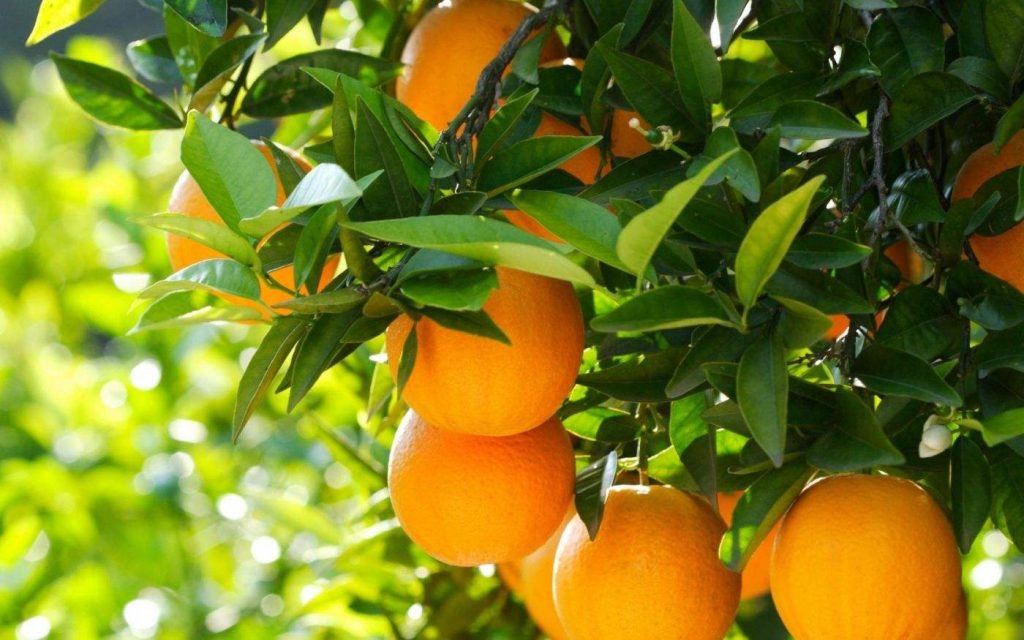
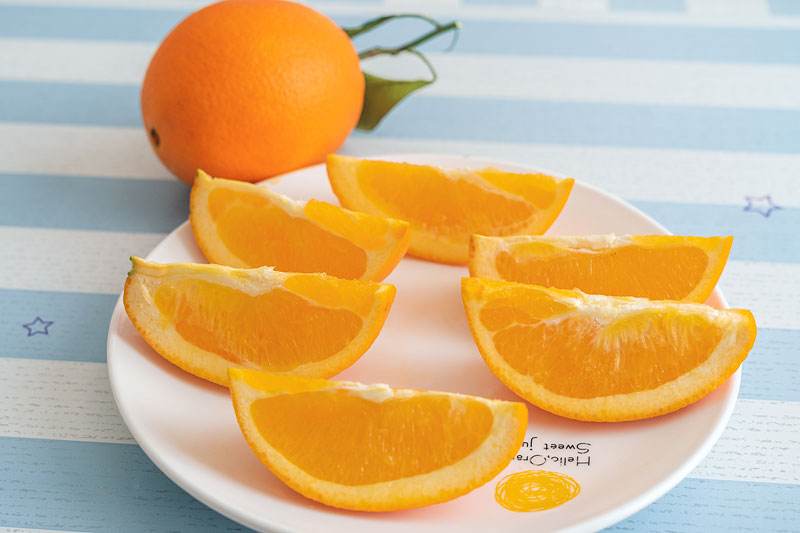
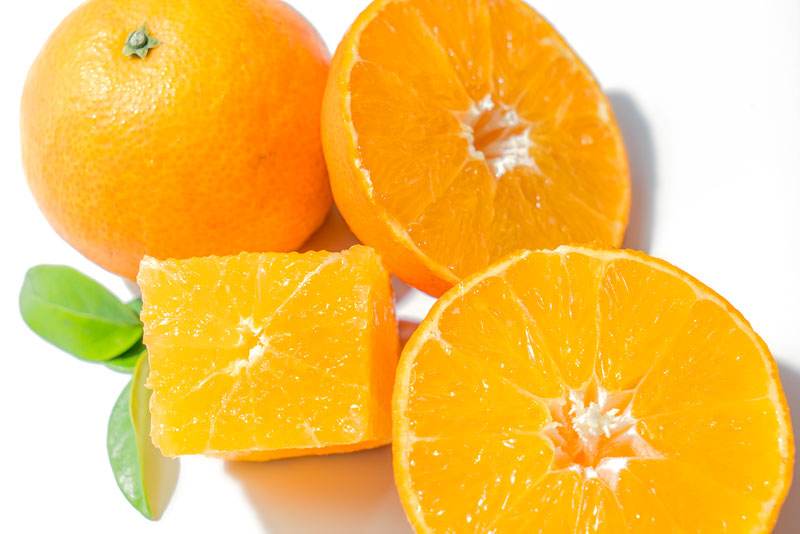
In the world of citrus, few varieties carry the cultural weight and flavor pedigree of China’s Ganzhou Gannan navel oranges (Ganzhou Gan Nan Cheng). Grown in the subtropical hills of Jiangxi Province, these oranges have been dubbed “the king of southern oranges” for their honeyed sweetness, seedless flesh, and thin, fragrant rinds. But with rising popularity—exports jumped 27% in 2023—comes a flood of imitations. How do you distinguish a true Gannan orange from look-alikes? And once you’ve got one in hand, how do you pick the ripest, juiciest specimen? Here’s your definitive guide.
Why Gannan Navel Oranges Are Worth the Hunt
Ganzhou’s unique terroir is the secret. Nestled between the Meiling and Jiulian Mountains, the region boasts:
-
Red Soil Rich in Minerals: High iron and potassium content gives the oranges their signature sweetness and vibrant color.
-
Misty Microclimate: Morning fog and afternoon sunshine slow sugar accumulation, resulting in Brix levels (sugar content) of 12–16° (compared to 10–12° for regular navels).
-
Traditional Cultivation: Many orchards still use organic methods—no chemical waxes, just natural pest control with neem oil.
The result? A fruit that’s simultaneously crisp, tender, and explosively juicy—with a floral aroma that lingers on the palate.
Step 1: Verify Authenticity—Spotting the Real Deal
Counterfeit Gannan oranges (often from Hunan or Guangxi) flood markets, especially during the October–February harvest season. Here’s how to tell the difference:
| Feature | Authentic Gannan | Imitation |
|---|---|---|
| Origin Label | Look for the “Ganzhou Navel Orange”地理标志 (GI) mark—a red, rectangular tag with a citrus logo. | Often unmarked or labeled generically (e.g., “Chinese Navel Orange”). |
| Rind Texture | Thin (2–3mm), slightly pebbled, and bright orange with a faint greenish tinge near the stem (natural chlorophyll residue). | Thicker (4–5mm), overly smooth, and uniformly orange (often waxed to mimic ripeness). |
| Stem Scar | Small, shallow depression where the fruit detached from the branch—no sticky sap residue. | Deep, cracked scar with dried sap (sign of premature picking). |
| Aroma | Sniff the stem end: a distinct floral scent (like gardenia) with hints of honey. | Little to no fragrance, or a sour, acidic smell. |
Step 2: Assess Ripeness—Beyond Color Alone
Unlike apples, orange color isn’t always a reliable ripeness indicator. Gannan oranges often retain green patches even when fully ripe (thanks to the region’s balanced sunlight). Instead, rely on these cues:
Weight
Pick up two oranges of similar size—the heavier one is juicier. Gannan oranges have a high juice content (45–50%), so density matters.
Firmness
Gently squeeze the rind. It should yield slightly (like pressing a ripe plum) but feel taut—no soft spots (overripe) or rock-hardness (underripe).
Skin Elasticity
Pinch a small section of rind between thumb and forefinger. If it bounces back quickly, it’s fresh. If it stays indented, the orange is dehydrated or old.
Step 3: Avoid Common Pitfalls
Even genuine Gannan oranges can disappoint if mishandled. Watch for:
-
Wax Overload: Legitimate Gannan oranges are rarely waxed (growers rely on natural oils). If the rind feels waxy or shiny, it’s likely a fake or treated with food-grade wax (safe but less “authentic”).
-
Mold Spots: Small, white fuzzy spots on the rind are early mold—toss the fruit. Gannan’s thin skin makes it prone to mold if stored poorly.
-
Uneven Coloration: While green patches are normal, large green splotches (more than 30% of the surface) mean the orange was picked too early.
Step 4: When and Where to Buy
-
Peak Season: Mid-November to late January. Oranges harvested after December have the highest sugar content.
-
Direct from Ganzhou: Visit local orchards or certified cooperatives (look for “农家乐” signs—farm stays that double as sales points).
-
Online Trust: On platforms like JD.com or Pinduoduo, filter for sellers with “Ganzhou Origin Certification” (available via QR code on packaging).
Step 5: Taste Test Like a Local
In Ganzhou, vendors often slice a wedge for hesitant buyers. If you can’t do that, here’s a quick at-home test:
-
Peel a small section of rind—authentic Gannan oranges have a loose, easy-to-remove skin (the “navel” mutation makes this possible).
-
Take a bite: The first note should be sweet, followed by a subtle tartness, with no bitter aftertaste. The flesh should be seedless (true navels have a tiny, undeveloped “twin” fruit at the blossom end).
Final Tip: Storage for Later
Bought too many? Store Gannan oranges in the fridge’s crisper drawer (3–5°C, 85–90% humidity) for up to 3 weeks. Avoid plastic bags—use a mesh produce bag to allow airflow.
Choosing a Gannan navel orange is part science, part sensory intuition. But once you find that perfect one—its rind yielding to reveal sun-warmed flesh, juice dripping down your chin—you’ll understand why this humble fruit is a source of local pride. It’s not just a snack; it’s a taste of Jiangxi’s soil, sun, and centuries of cultivation.
Article link:https://www.vlefooena.com/china-gannan-navel-oranges-how-to-choose-navel-oranges/


No reply content