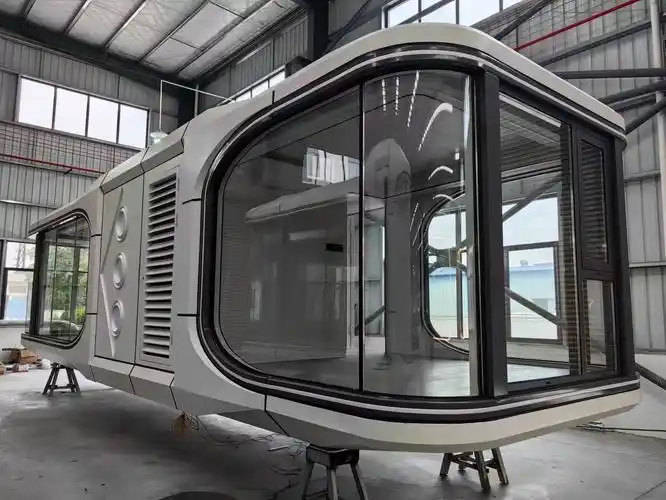
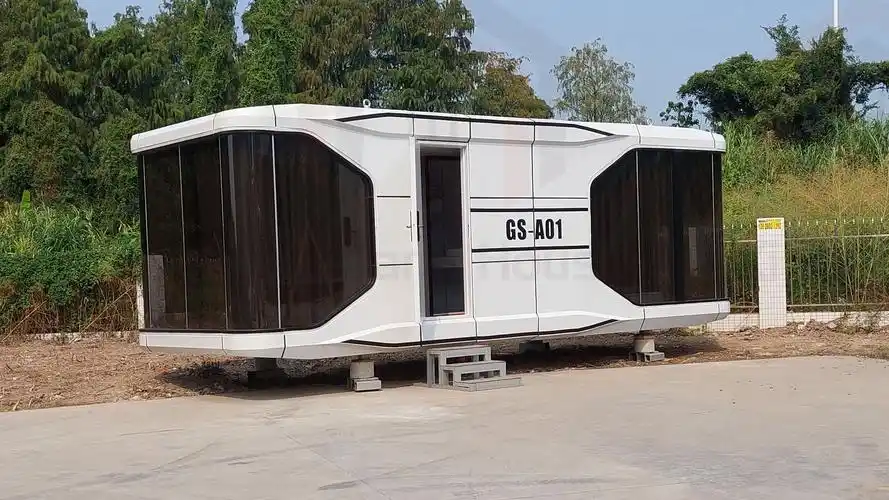
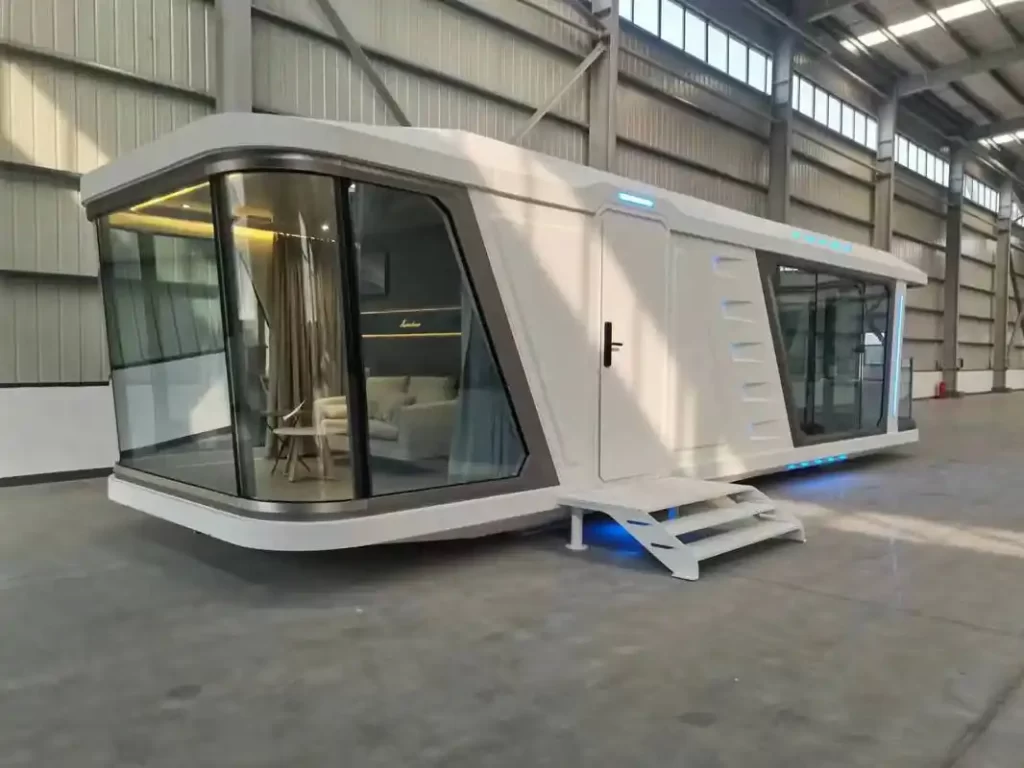
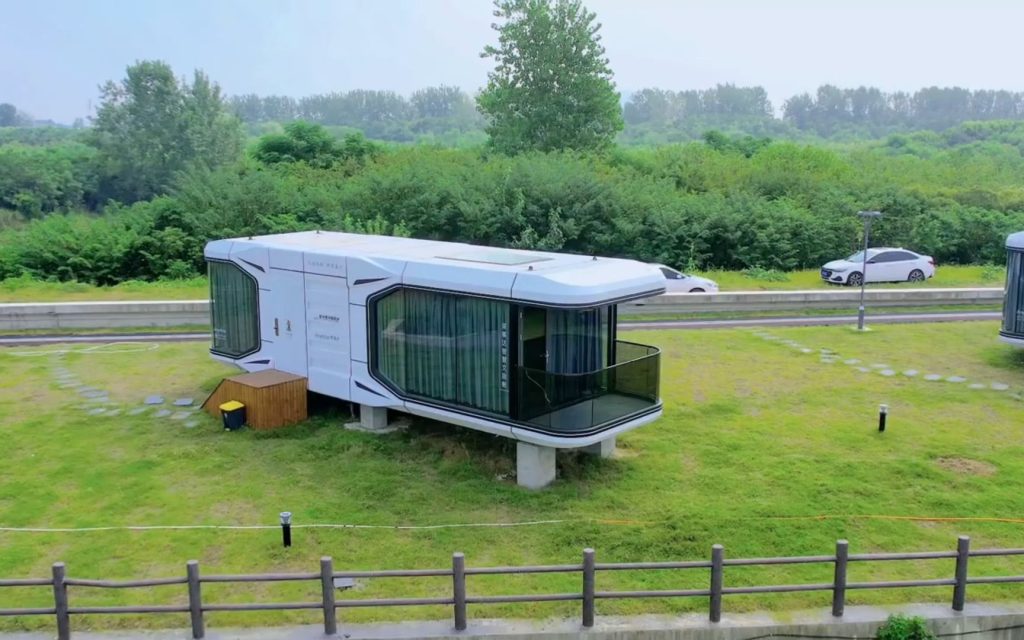
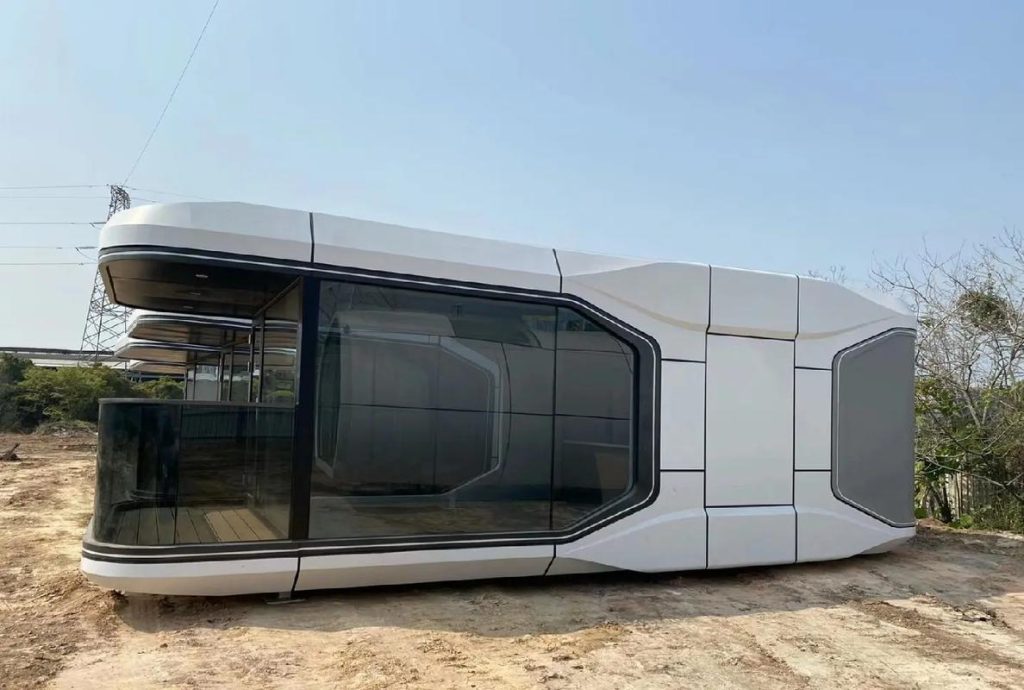
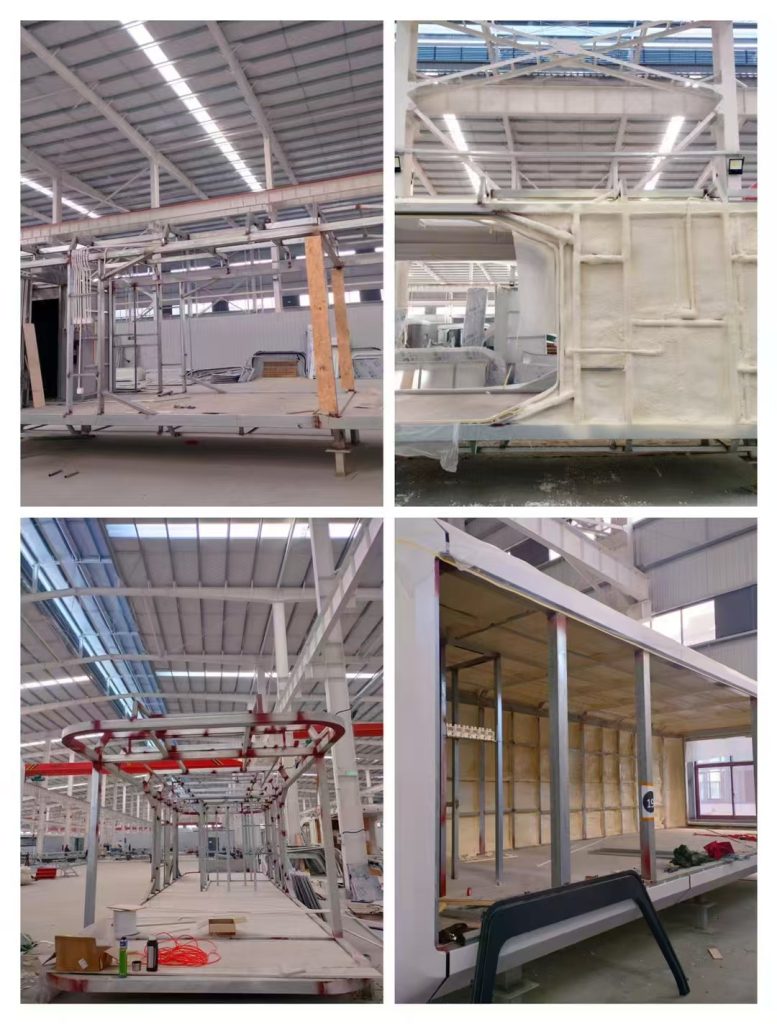
Planning to buy a modular house from China but unsure about the real prices?
This in-depth guide explains everything you need to know before making a purchase, including factory costs, material options, customization, shipping fees, import taxes, and installation expenses. If you want transparent pricing and smart buying tips, this article will help you avoid costly mistakes.
12. Price Differences by Modular House Type
Not all modular houses are priced the same. The structure, usage, and engineering level significantly affect costs.
a) Container-Style Modular Houses
These are the most affordable options.
- Simple structure
- Easy transportation
- Quick installation
- Ideal for temporary housing, site offices, and labor camps
Price Range: $120–$220 per sqm
Pros:
- Cheapest option
- Fast production
- Easy relocation
Cons:
- Limited lifespan
- Lower insulation
- Less aesthetic appeal
b) Steel-Frame Prefabricated Houses
More suitable for long-term residential use.
- Strong galvanized steel frame
- Better insulation
- More flexible layouts
Price Range: $180–$350 per sqm
Pros:
- Durable
- Weather-resistant
- Better resale value
Cons:
- Slightly higher cost
- Heavier shipping
c) Insulated Modular Homes
Designed for extreme climates.
- PU or rock wool panels
- Double-glazed windows
- Thermal roof systems
Price Range: $250–$450 per sqm
Pros:
- Energy efficient
- Comfortable year-round
- Lower energy bills
Cons:
- Higher initial investment
d) Luxury Modular Villas
High-end prefab homes with premium finishes.
- Marble or wood flooring
- Smart home systems
- Designer interiors
- Large glass façades
Price Range: $400–$800 per sqm
Pros:
- Luxury living experience
- Modern aesthetics
- High comfort
Cons:
- High shipping and tax costs
13. Hidden Costs Many Buyers Forget
Many buyers only focus on the factory quote—but that’s a mistake.
Here are the most commonly overlooked expenses:
a) Structural Engineering Adjustments
If your country requires special certifications (earthquake resistance, snow load, wind resistance), structural upgrades may be required.
Extra cost: 5–15%
b) Local Compliance Modifications
Some countries require:
- Fireproof materials
- Emergency exits
- Disability access
- Special insulation thickness
Extra cost: 5–20%
c) Storage Fees at the Port
If customs clearance is delayed, you may pay:
- Port storage fees
- Demurrage charges
This can quickly add hundreds or even thousands of dollars.
d) Currency Exchange Risk
If you pay in USD but your local currency weakens, your real cost increases.
14. Modular Houses vs Traditional Construction: Cost Comparison
Let’s compare costs:
| Item | Modular House | Traditional House |
|---|---|---|
| Construction time | 2–6 weeks | 6–18 months |
| Labor cost | Low | High |
| Material waste | Minimal | High |
| Weather delays | None | Common |
| Budget overruns | Rare | Frequent |
| Total cost | Lower | Higher |
On average, modular houses from China save 30–60% compared to traditional builds.
15. Step-by-Step Buying Process
Here’s what the full buying process usually looks like:
Step 1: Define Your Requirements
- Size
- Number of rooms
- Climate conditions
- Usage purpose
- Budget range
Step 2: Choose a Modular House Type
Container, steel-frame, insulated, or luxury villa.
Step 3: Request Detailed Quotations
Ask suppliers to include:
- Materials list
- Drawings
- Inclusions
- Exclusions
- Lead time
- Warranty
Step 4: Compare at Least 3 Suppliers
Never choose based on price alone.
Step 5: Confirm Shipping Terms
Common Incoterms:
- EXW
- FOB
- CIF
- DDP
Each affects your final cost differently.
Step 6: Place Order & Make Deposit
Usually:
- 30% deposit
- 70% before shipment
Step 7: Production
Production time: 2–6 weeks
Step 8: Quality Inspection
Request:
- Factory photos
- Videos
- Third-party inspection
Step 9: Shipping
Sea freight: 20–45 days depending on destination
Step 10: Customs Clearance & Installation
This is where many hidden costs appear.
16. How to Identify a Reliable Supplier
Not all suppliers are equal.
Look for:
✔ Factory ownership (not trading company)
✔ Export experience
✔ Certifications (ISO, CE, etc.)
✔ Real project photos
✔ Video factory tours
✔ Clear communication
✔ Transparent pricing
Red Flags:
❌ Extremely low prices
❌ No physical address
❌ Refuses video calls
❌ No engineering drawings
❌ No after-sales support
17. Payment Methods and Risk Control
Common Payment Methods:
| Method | Risk Level |
|---|---|
| T/T (Bank Transfer) | Medium |
| LC (Letter of Credit) | Low |
| Alibaba Trade Assurance | Low |
| PayPal | High (for big orders) |
For large orders, LC or Trade Assurance is safer.
18. Warranty and After-Sales Support
Most Chinese suppliers offer:
- 1–3 years structural warranty
- Remote technical support
- Installation manuals
- Video guidance
Always confirm:
- What’s covered
- What’s excluded
- How claims are handled
19. Is Financing Available?
Some large factories offer:
- Staged payments
- Project-based financing
- Long-term contracts
However, most buyers pay upfront.
20. Who Should Buy Modular Houses from China?
Modular housing from China is ideal for:
- Real estate developers
- Mining companies
- NGOs
- Governments
- Remote project managers
- Resort developers
- Disaster relief organizations
21. Future Trends in Modular Housing
The modular housing market is evolving fast.
Trends include:
- Net-zero homes
- Solar-integrated roofs
- Smart automation
- AI-powered energy management
- Carbon-neutral materials
These upgrades will increase costs—but also value.
Article link:https://www.vlefooena.com/china-modular-house-prices-what-you-need-to-know-before-buying-extended-version/


No reply content