Chinese potato prices are influenced by regional production, seasonal harvest cycles, quality grades, logistics costs, and international demand. This in-depth guide explains pricing structures, market trends, cost components, export considerations, and negotiation strategies, helping buyers understand real price drivers while building sustainable sourcing plans and long-term profitability.
1. Understanding the Chinese Potato Market
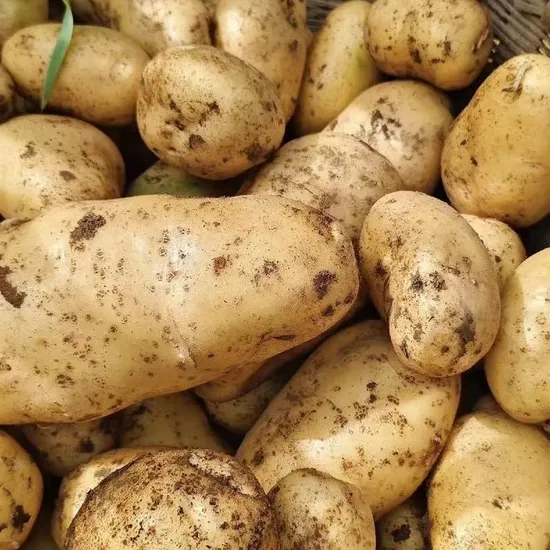
China is one of the world’s largest potato producers, supplying both domestic and international markets. Due to its massive land area, varied climate zones, and multi-season planting cycles, the country can provide potatoes throughout most of the year.
This production diversity creates a complex pricing system. Unlike single-season suppliers, China’s potato prices fluctuate by region, harvest timing, and intended usage. Buyers who understand these dynamics gain a strong advantage when negotiating contracts and planning imports.
Chinese potato prices are not fixed. They are shaped by supply volume, storage capacity, logistics conditions, and export demand.
2. Key Factors That Influence Chinese Potato Prices
2.1 Seasonal Harvest Cycles
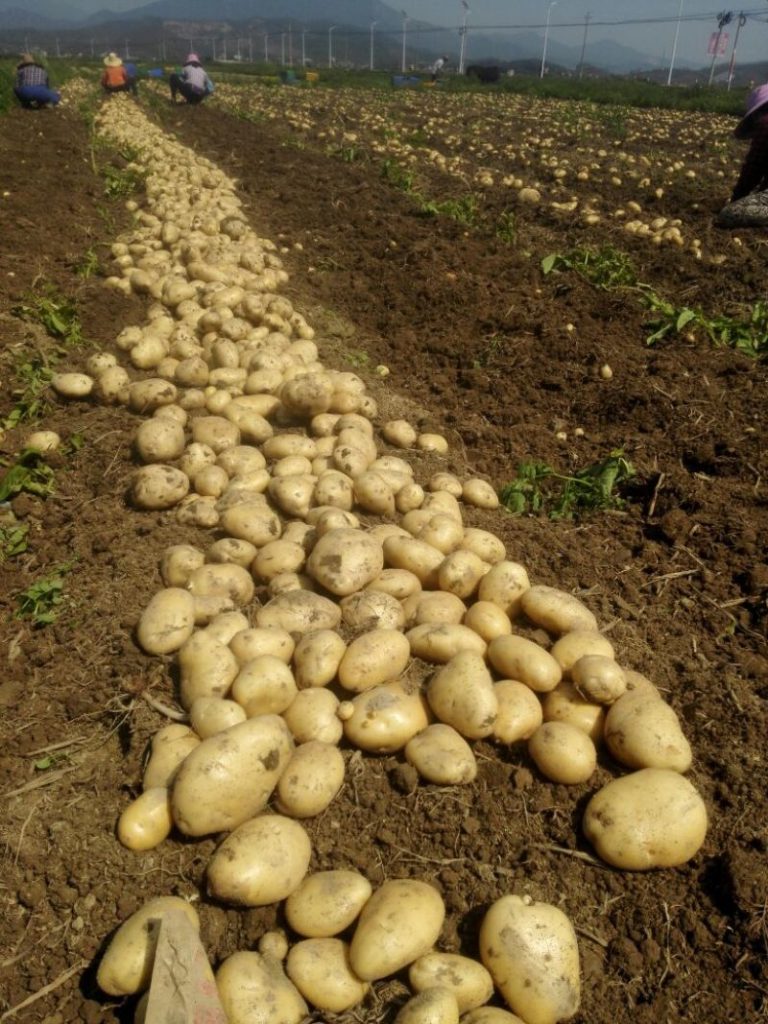
Potato prices are highly sensitive to harvest timing. During peak harvest periods, supply increases significantly, which usually pushes prices downward. In off-season months, storage potatoes dominate the market, and prices tend to rise due to storage costs and limited availability.
2.2 Regional Production Differences
China has multiple major potato-growing regions, each with its own climate, soil conditions, and production methods. These differences impact:
- Yield volume
- Potato size
- Skin texture
- Dry matter content
- Storage performance
Regions with higher yields generally offer more competitive pricing.
2.3 Quality Grades
Price varies significantly by grade. Higher grades command premium prices due to:
- Uniform sizing
- Smooth skin
- Low defect rates
- Longer shelf life
- Better visual appeal
Lower grades are often sold at discounted rates and used for processing.
2.4 Production Costs
Production expenses include seeds, fertilizers, irrigation, labor, pest control, and harvesting equipment. Rising input costs directly impact final pricing.
2.5 Storage and Preservation Costs
Cold storage and controlled atmosphere facilities add to the cost. Potatoes stored for extended periods will always be priced higher than freshly harvested ones.
3. Domestic vs Export Pricing
Domestic pricing in China is typically lower than export pricing. This is because export products require additional steps such as:
- Strict sorting and grading
- Special packaging
- Phytosanitary inspections
- Export documentation
- Cold chain handling
These added processes increase the final unit price.
Export potatoes are also priced based on international standards, which may differ from domestic grading rules.
4. Price Structures for Different Market Segments
4.1 Fresh Retail Market
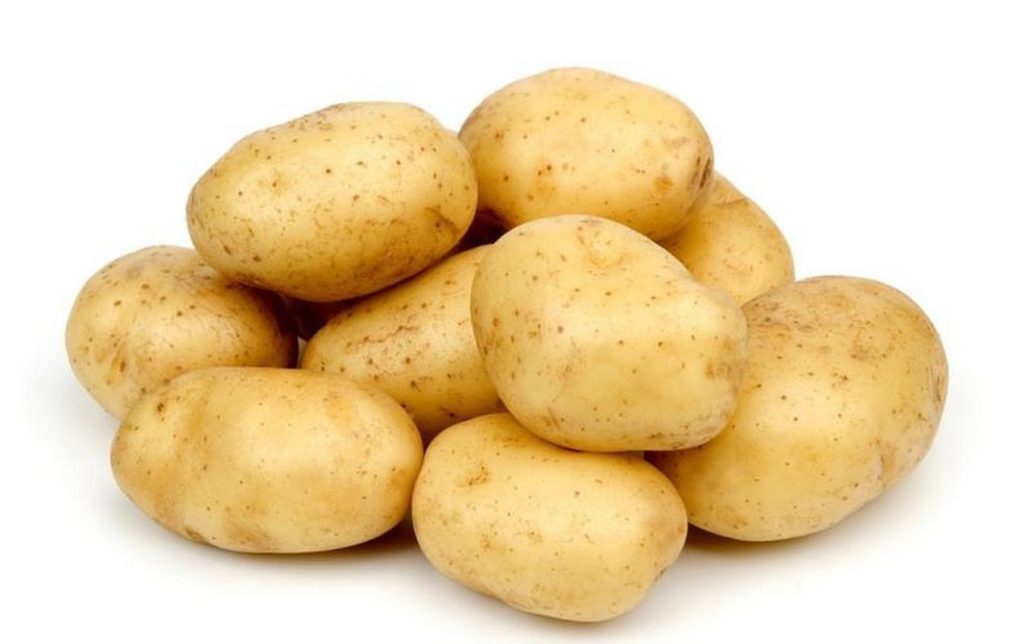
Fresh potatoes sold for direct consumption are priced based on visual appeal, size consistency, and shelf life.
4.2 Food Processing Market
Processing potatoes are usually cheaper per kilogram, as visual appearance is less important. However, they must meet strict starch and sugar content requirements.
4.3 Premium and Specialty Market
Baby potatoes, organic potatoes, and colored varieties fall into premium categories. These products command significantly higher prices.
5. How Storage Impacts Pricing
Storage plays a major role in Chinese potato pricing. Freshly harvested potatoes are cheaper but have a shorter shelf life. Stored potatoes incur:
- Electricity costs
- Facility maintenance
- Labor costs
- Shrinkage losses
- Quality deterioration risk
These factors push prices higher over time.
6. Transportation and Logistics Costs
Logistics is a major pricing factor, especially for exports.
6.1 Inland Transportation
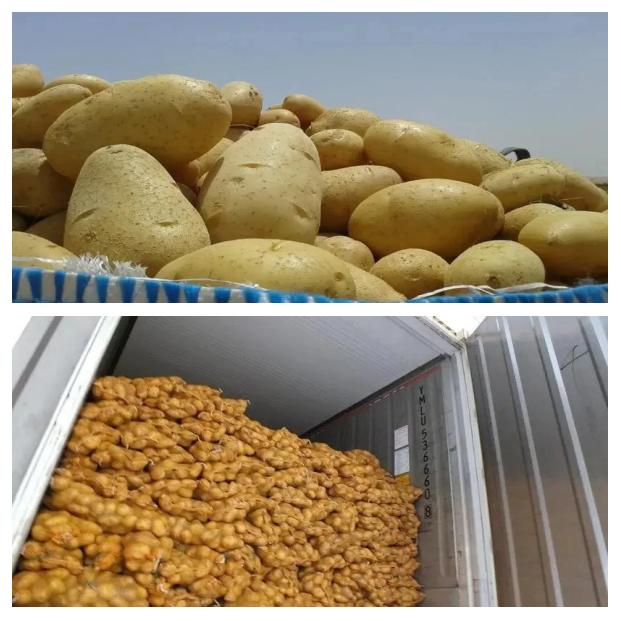
Potatoes must be transported from farms to sorting centers, warehouses, and ports. Fuel costs, tolls, and labor affect final pricing.
6.2 International Shipping
Export pricing includes:
- Container rental
- Refrigeration or ventilation
- Port handling fees
- Customs clearance
Longer routes mean higher freight costs.
7. Packaging and Its Impact on Price
Packaging is not just about appearance; it affects shelf life, damage prevention, and handling efficiency.
7.1 Bulk Packaging
Bulk bags and sacks are cheaper and commonly used for wholesale buyers.
7.2 Retail Packaging
Retail-ready packaging increases unit price due to branding, material costs, and labor.
7.3 Advanced Packaging
Controlled atmosphere packaging and moisture-regulating materials further increase pricing.
8. How Buyers Should Interpret Quoted Prices
Many buyers focus only on the unit price per kilogram, but this can be misleading. True cost analysis must include:
- Quality grade
- Packaging type
- Storage method
- Shipping terms
- Delivery time
A low unit price may result in higher spoilage, shorter shelf life, or more waste.
9. Price Volatility and Risk Management
Potato prices can fluctuate due to:
- Weather conditions
- Disease outbreaks
- Fuel price changes
- Currency exchange rates
- Export demand shifts
Buyers can manage volatility through:
- Long-term contracts
- Volume-based pricing
- Diversified sourcing
- Price adjustment clauses
10. Negotiation Strategies
Successful buyers do not negotiate only on price. They also negotiate:
- Packaging methods
- Delivery schedules
- Quality tolerances
- Payment terms
- Replacement policies
This holistic approach leads to better overall value.
11. Long-Term Price Trends
Over time, Chinese potato prices have been influenced by:
- Increased mechanization
- Rising labor costs
- Improved storage technologies
- Sustainability investments
While base production costs increase gradually, efficiency gains help stabilize export pricing.
12. Sustainability and Its Effect on Pricing
Sustainable practices such as water conservation, reduced pesticide use, and eco-friendly packaging often increase short-term costs. However, they enhance long-term brand value and compliance with international regulations.
13. How Buyers Can Optimize Costs
Buyers can reduce expenses by:
- Ordering in bulk
- Using seasonal purchasing strategies
- Choosing sea freight
- Accepting mixed-size grading
- Planning long-term supply agreements
14. Common Pricing Mistakes
Mistakes include:
- Ignoring total landed cost
- Overlooking storage risks
- Underestimating spoilage rates
- Focusing only on the lowest quote
These mistakes often lead to higher long-term losses.
15. Conclusion
Chinese potato prices reflect a complex interaction of agricultural conditions, logistics, storage, quality grading, and global demand. Buyers who understand these variables can make smarter decisions, reduce risk, and improve long-term profitability. Price should never be evaluated alone—it must be considered alongside quality, reliability, and supply stability.
⭐⭐⭐⭐⭐ Customer Reviews
⭐⭐⭐⭐⭐
👤 Michael R. 🇺🇸 USA
“Very transparent pricing and excellent consistency.”
⭐⭐⭐⭐⭐
👤 James L. 🇬🇧 UK
“Competitive rates with reliable quality.”
⭐⭐⭐⭐⭐
👤 Daniel M. 🇨🇦 Canada
“Stable prices and long shelf life.”
⭐⭐⭐⭐⭐
👤 Lucas A. 🇧🇷 Brazil
“Great value for bulk purchases.”
⭐⭐⭐⭐⭐
👤 Oliver T. 🇦🇺 Australia
“Pricing matched quality expectations.”
⭐⭐⭐⭐⭐
👤 Marco F. 🇮🇹 Italy
“Strong cost-performance balance.”
⭐⭐⭐⭐⭐
👤 Hugo D. 🇫🇷 France
“Consistent pricing across shipments.”
⭐⭐⭐⭐⭐
👤 Noah K. 🇳🇱 Netherlands
“Very professional pricing structure.”
⭐⭐⭐⭐⭐
👤 Ahmed Z. 🇦🇪 UAE
“Fair prices and smooth transactions.”
⭐⭐⭐⭐⭐
👤 Yusuf H. 🇹🇷 Turkey
“Stable market rates, good packaging.”
⭐⭐⭐⭐⭐
👤 Samuel N. 🇿🇦 South Africa
“Excellent shelf life for the price.”
⭐⭐⭐⭐⭐
👤 Carlos M. 🇪🇸 Spain
“Transparent cost breakdown.”
⭐⭐⭐⭐⭐
👤 Ethan B. 🇳🇿 New Zealand
“Strong value and reliability.”
Article link:https://www.vlefooena.com/china-potato-prices-a-complete-market-guide-for-global-buyers/


No reply content