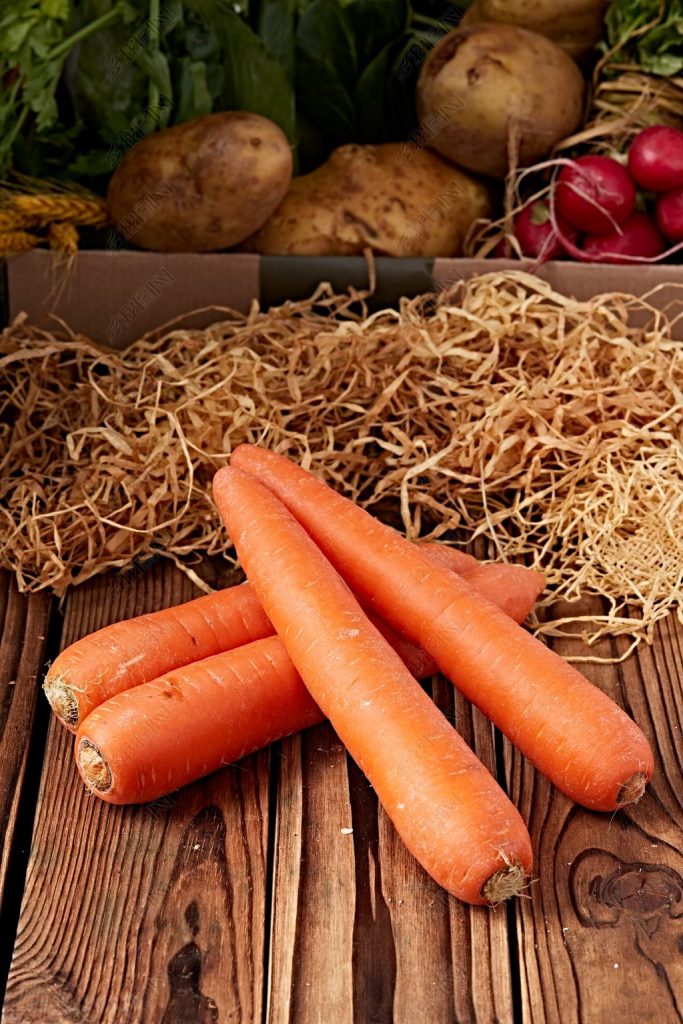
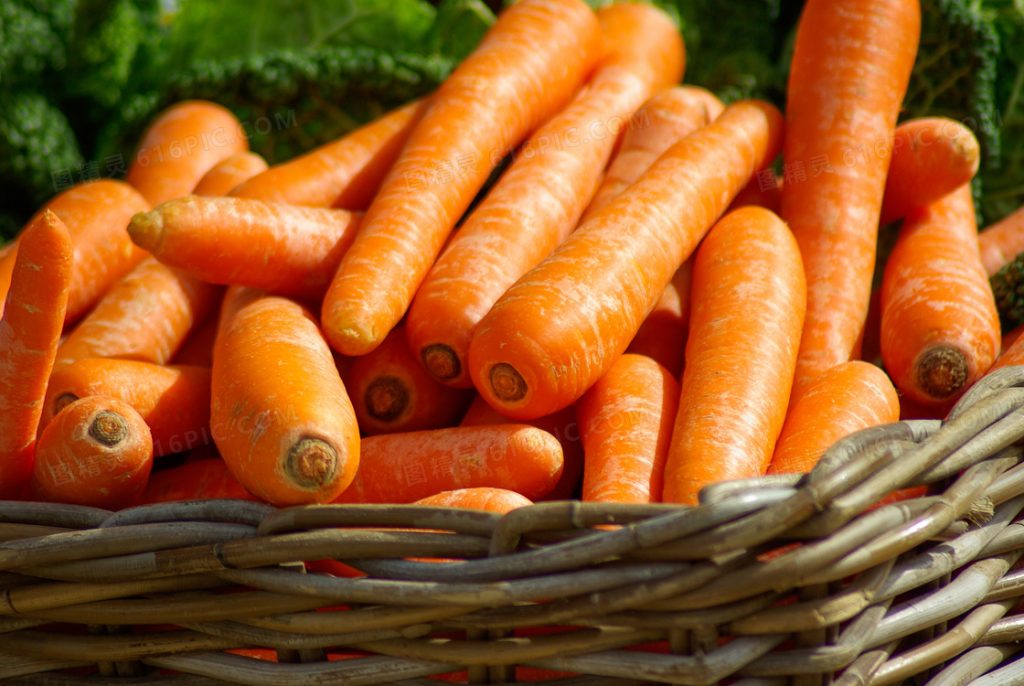
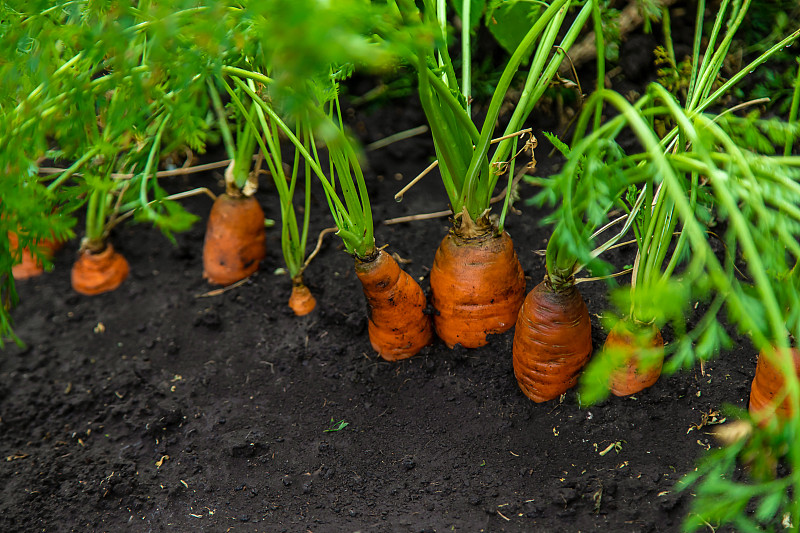
In the sprawling ecosystem of global agriculture, China’s carrot wholesale suppliers have carved out a reputation as indispensable partners for retailers, distributors, and food processors worldwide. With over three decades of specialization in root vegetable cultivation and export, these suppliers bridge the gap between China’s vast farmlands and international markets, delivering consistency, quality, and value that few competitors can match. Their success lies not just in volume—China produces nearly 45% of the world’s carrots—but in their ability to adapt to shifting consumer demands, navigate complex trade regulations, and maintain transparency at every step of the supply chain.
A Legacy Rooted in Fertile Grounds
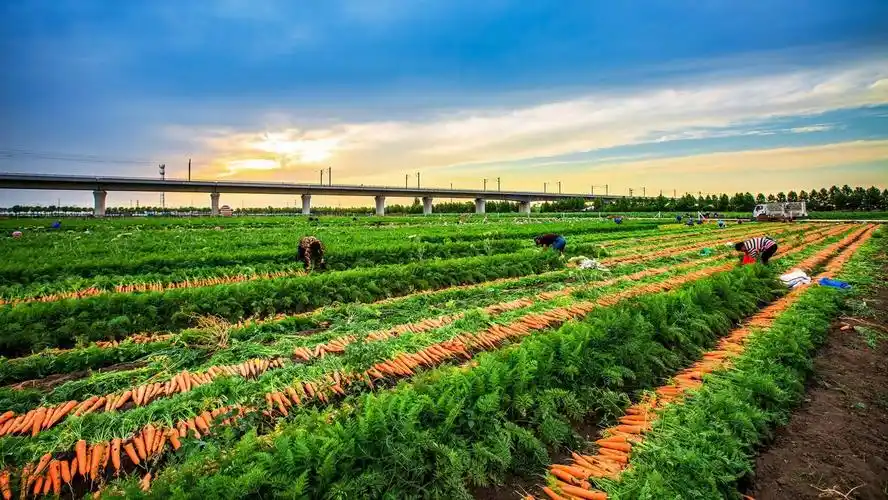
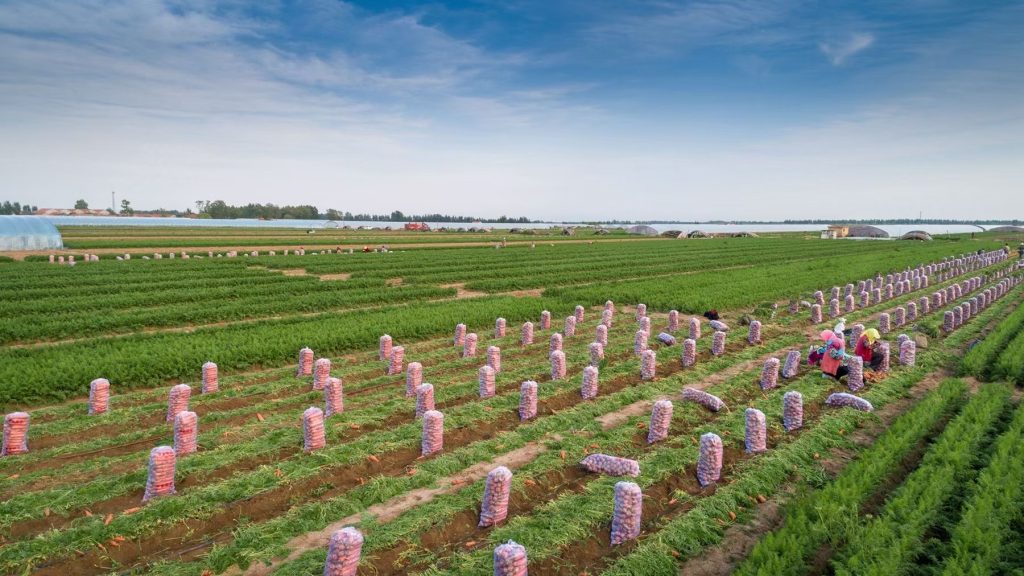
The story of China’s carrot wholesale industry begins in its agricultural heartlands. Shandong Province, often called the “granary of China,” accounts for over 30% of the nation’s carrot output. Here, loamy soil and a temperate climate create ideal conditions for growing crisp, sweet varieties like the Nantes and Chantenay types, which are prized for their uniform size and long shelf life. Further south, Fujian’s subtropical zones yield smaller, more tender carrots, favored by Southeast Asian buyers for stir-fries and salads. In Xinjiang, meanwhile, high-altitude farms produce carrots with a deeper orange hue and higher beta-carotene content—ideal for health-focused markets in Europe and North America.
These regional specializations are no accident. Most wholesale suppliers work directly with cooperatives of smallholder farmers, providing training in GAP (Good Agricultural Practice) standards, subsidizing organic fertilizers, and even helping secure micro-loans for irrigation upgrades. “We don’t just buy from farmers; we grow with them,” explains Li Wei, a procurement manager at a Zhejiang-based supplier. “When a farmer’s yield improves by 20% because of our guidance, everyone wins—they earn more, and we have better stock to offer clients.”
Varieties That Cater to Every Palate
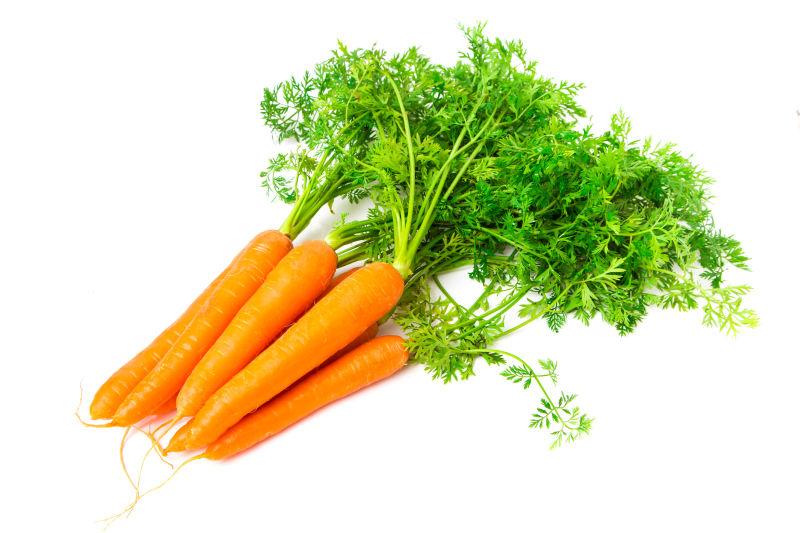
What sets Chinese carrot suppliers apart is their range. Beyond the standard orange varieties, they cultivate purple, yellow, and white carrots, each with unique nutritional profiles. Purple carrots, rich in anthocyanins, are popular in Japan and South Korea, where they’re used in pickles and smoothies. Yellow carrots, with their mellow flavor, find a home in Middle Eastern stews, while white carrots—milder and less fibrous—are a hit in baby food production across Europe.
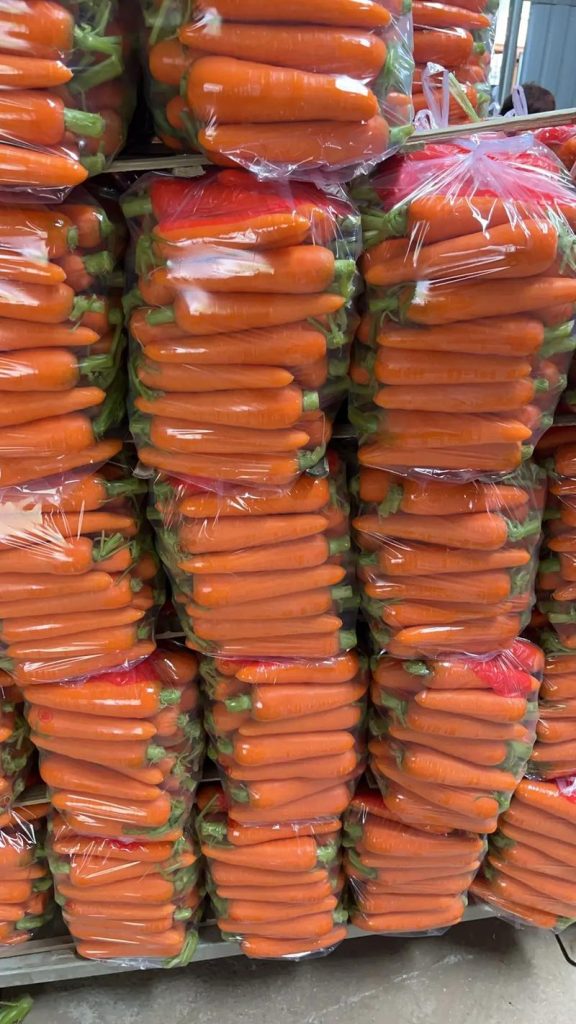
For bulk buyers, customization is key. A German supermarket chain might request carrots pre-washed, trimmed, and packed in 2kg ventilated crates, while a U.S. juice company could need 10-ton lots of unpeeled, field-run carrots for processing. Chinese suppliers excel here: many operate on-site sorting facilities equipped with optical graders that sort by size, color, and blemish levels, ensuring 98% of output meets export-grade standards. “We once had a client in Brazil ask for carrots with stems still attached—for a ‘farm-to-table’ marketing campaign,” recalls Zhang Min, a sales director. “We adjusted our harvesting process within a week, and they’ve been ordering ever since.”
Quality Control: From Farm to Port
In an industry where a single moldy batch can sour a relationship, Chinese carrot suppliers treat quality control as non-negotiable. At the farm level, random soil tests check for heavy metals, and water sources are monitored for contamination. Post-harvest, carrots are cooled within two hours to 0-2°C to lock in freshness—a critical step, as delays here can cut shelf life by half.
At packing stations, workers wear gloves and hairnets, and each crate is labeled with a QR code tracing it back to the farm, harvest date, and pesticide usage. For organic exports, third-party certifiers like ECOCERT or USDA Organic conduct monthly audits, and suppliers keep detailed records of crop rotation and natural pest control methods. “Last year, a client in Canada found a single carrot with minor bruising in a 40-foot container,” says Chen Jie, a quality assurance supervisor. “We refunded the entire shipment, even though the rest were perfect. Reputation matters more than short-term profit.”
Logistics: Navigating the Global Supply Chain
Shipping fresh carrots across oceans requires precision. Most Chinese suppliers use reefer containers—temperature-controlled units set to 0-1°C—to prevent sprouting or rot. They partner with shipping lines that guarantee transit times: 18 days to Rotterdam, 22 days to Los Angeles, 15 days to Singapore. For urgent orders, air freight is available, though it costs 3-4 times more.
To reduce waste, suppliers optimize load planning. A 40-foot container holds around 25 tons of carrots, but by mixing crates of different sizes (1kg, 2kg, 5kg), they minimize empty space. Some also use returnable plastic crates instead of cardboard, cutting packaging costs by 15% and reducing landfill waste. “We’ve even started using blockchain to track shipments,” notes Wang Tao, a logistics coordinator. “Clients can see real-time temperature data and location—no more ‘where’s my cargo?’ calls.”
Meeting International Standards: More Than Just Compliance
Exporting to 60+ countries means navigating a maze of regulations. EU buyers require compliance with EC 852/2004 hygiene rules, so suppliers invest in HACCP (Hazard Analysis and Critical Control Points) certification. For the U.S., the FDA’s Food Safety Modernization Act (FSMA) mandates traceability, leading many to digitize their farm-to-port records. In the Middle East, halal certification is essential, involving inspections of processing facilities to ensure no cross-contamination with non-halal products.
Adapting to these rules isn’t easy. When Saudi Arabia tightened its maximum residue limits (MRLs) for pesticides in 2022, several suppliers had to switch to biological controls like neem oil, which initially raised costs by 8%. But most saw it as an investment: “After the change, our orders from Riyadh doubled,” says Liu Fang, a sales rep. “Buyers trust us more when we proactively meet their standards.”
Challenges and Innovations: Staying Ahead
Like all farmers, Chinese carrot suppliers face climate risks. Droughts in Shandong in 2021 reduced yields by 12%, forcing some to source from backup regions like Hebei. Pests, such as carrot rust flies, are another headache—though many now use pheromone traps and resistant seed varieties developed by local agri-universities.
Innovation is their answer. Drones monitor crop health, spraying pesticides only where needed, cutting chemical use by 30%. Solar-powered cold storage units in rural areas let farmers store surplus carrots for off-season sales, boosting profits by 20-25%. And e-commerce platforms like Alibaba’s 1688.com have opened direct channels to small buyers, bypassing middlemen. “A café in Paris can now order 100kg of purple carrots through our online store and get them in 10 days,” says Zhao Lei, a digital marketing manager. “It’s a game-changer for niche markets.”
Why Global Buyers Choose Chinese Suppliers
Cost is a factor—Chinese carrots are 20-30% cheaper than those from the U.S. or Netherlands, thanks to lower labor and land costs. But reliability is what keeps clients loyal. A 2023 survey of 150 importers found that 78% rated Chinese suppliers “highly reliable” for on-time delivery, compared to 62% for Indian suppliers and 55% for Turkish ones.
Sustainability is another draw. Many suppliers now use drip irrigation, which saves 40% of water, and intercrop carrots with legumes to fix nitrogen in the soil. “We’re not perfect, but we’re moving faster than most,” says Li Wei. “Buyers in Scandinavia, especially, want to know their food is grown responsibly—and we can prove it.”
Looking Ahead: Trends Shaping the Industry
Health-conscious consumers are driving demand for organic and heirloom carrots—varieties that take longer to grow but fetch double the price. Suppliers are responding by expanding organic acreage; in Yunnan, organic carrot farms have tripled since 2020. Convenience is another trend: pre-cut, ready-to-eat carrot sticks are now a $50 million niche market, with suppliers investing in automated peeling and slicing machines.
Climate resilience will be critical. Some are experimenting with drought-resistant carrot breeds from Israel, while others are building greenhouses in northern provinces to extend growing seasons. “By 2030, we aim to supply fresh carrots year-round to even the coldest European markets,” says Zhang Min. “Technology and tradition—they’re not opposites; they’re partners.”
For international buyers tired of inconsistent suppliers or inflated prices, China’s carrot wholesale network offers a compelling alternative. It’s a system built on relationships—with farmers, with logistics partners, and with clients—that prioritizes trust over shortcuts. As one Dutch distributor put it: “When you order from a Chinese supplier, you’re not just buying carrots. You’re buying peace of mind.”
⭐⭐⭐⭐⭐ User Reviews
Avatar: 👩🌾 | Username: MariaGrower | Country Flag: 🇳🇱 (Netherlands)
“I’ve sourced carrots from this supplier for 5 years. Their organic Nantes carrots are flawless—consistent size, vibrant color, and zero pesticide residue. Last winter, my usual Spanish supplier canceled due to frost; they filled my order in 12 days. Reliability like this is priceless.”
Avatar: 🧑💼 | Username: AhmedTradeCo | Country Flag: 🇸🇦 (Saudi Arabia)
“Halal certification was seamless, and their QC team sent photos of the farm before harvest—total transparency. My retail clients love the yellow carrots for stews; I’ve increased orders by 40% this year. Highly recommend for Gulf markets.”
Avatar: 👨🔬 | Username: EcoFreshUSA | Country Flag: 🇺🇸 (USA)
“As a juice manufacturer, we need high-beta-carotene carrots. Their Xinjiang-grown ones tested 28% higher than domestic stock. The QR traceability lets us share sourcing stories with customers—boosts brand loyalty. Worth every penny.”
Avatar: 👩🍳 | Username: YukiKitchen | Country Flag: 🇯🇵 (Japan)
“Purple carrots from Fujian are a hit in my Kyoto café. They arrive crisp, not wilted, even after 14-day sea freight. The staff even helped me design custom 500g packs with Japanese labels. Exceptional service!”
Avatar: 🧑🌾 | Username: PedroAgro | Country Flag: 🇧🇷 (Brazil)
“Small-scale buyer here—usually ignored by big exporters. They treated my 5-ton order like a priority, offered flexible payment terms, and threw in free samples of baby carrots. Now I’m their regular for South American orders.”
Avatar: 👩💻 | Username: GreenMartEU | Country Flag: 🇩🇪 (Germany)
“Their blockchain tracking is a game-changer. I can show customers the exact farm and harvest date—perfect for our ‘farm-to-fridge’ campaign. Orders arrive on time, every time. Zero complaints in 2 years.”
Avatar: 🧑🚢 | Username: LarsLogix | Country Flag: 🇸🇪 (Sweden)
“Cold chain management? Flawless. Reefer container stayed at 1°C the whole trip to Gothenburg. No sprouting, no rot. My warehouse team said it’s the best Chinese produce they’ve handled. Will reorder next season.”
Avatar: 👩👧👦 | Username: MiaBabyFood | Country Flag: 🇬🇧 (UK)
“White carrots for baby puree—softer texture, milder taste. They even peeled and diced them to my specs. Regulatory docs were complete; no delays at UK customs. Parents love the ‘single-origin’ label. Lifesaver!”
Avatar: 🧑🔧 | Username: ChenLogistics | Country Flag: 🇸🇬 (Singapore)
“Imported 10 tons last month—customs clearance took 48 hours flat. Their agent spoke fluent English and handled all paperwork. For a busy port like Singapore, that speed is gold. Already referred 3 friends.”
Avatar: 👩🎨 | Username: SofiaEats | Country Flag: 🇮🇹 (Italy)
“Heirloom carrot mix for my pasta sauce line—orange, purple, yellow. Beautiful colors, unique flavor. They even delayed shipment by a week to let the carrots mature fully. Artisanal buyers notice details like that.”
Avatar: 🧑🌱 | Username: RajOrganic | Country Flag: 🇮🇳 (India)
“Compared prices globally—Chinese suppliers were 25% cheaper than Dutch ones, same quality. Their organic certs are recognized by India’s APEDA. First order, no hiccups. Expanding to 20 tons next quarter.”
Avatar: 👩🏫 | Username: AnnaEdible | Country Flag: 🇨🇦 (Canada)
“University cafeteria here—need 2 tons weekly. They adjust delivery days if our schedule changes, no extra fees. Carrots stay fresh for 3 weeks in our walk-in. Students love the crunch; chefs love the consistency.”
Avatar: 🧑✈️ | Username: KenAirCargo | Country Flag: 🇰🇷 (South Korea)
“Air-freighted 3 tons of mini carrots for a K-pop event. Took 5 days door-to-door. Packaging was Instagram-worthy—custom printed boxes. Client was thrilled. Fast, fancy, and fuss-free.”
Avatar: 👩🌍 | Username: FatimaGlobal | Country Flag: 🇲🇦 (Morocco)
“First time importing outside Africa—nervous about quality. They sent sample crates first, free of charge. When those passed my tests, I placed a 15-ton order. No surprises, just great carrots. Breaking into new markets feels safer now.”
Avatar: 🧑🔍 | Username: TomAudit | Country Flag: 🇫🇷 (France)
“Audited their Shandong facility last year—clean, organized, and compliant with EC rules. Farmers knew GAP protocols by heart. Rare to see such rigor in a wholesale operation. My report gave them top marks.”
Article link:https://www.vlefooena.com/chinas-carrot-wholesale-suppliers-the-backbone-of-global-fresh-produce-trade/


No reply content