
Introduction
In the realm of gift-giving, packaging transcends mere containment—it is the first impression, a tactile extension of emotion, and a silent ambassador for brand identity. As global demand for premium, personalized gifts surges, China has emerged as a powerhouse in gift packaging box manufacturing, blending millennia-old craftsmanship with cutting-edge technology. From luxury watch boxes to artisanal food hampers, Chinese manufacturers cater to diverse industries, offering solutions that balance aesthetics, durability, and sustainability. This article explores the strengths of Chinese gift packaging box manufacturers, their core competencies, technological innovations, and how they empower brands to turn ordinary gifts into unforgettable experiences.
I. The Rise of China’s Gift Packaging Manufacturing Sector
China’s dominance in packaging manufacturing stems from a unique confluence of factors: a robust industrial ecosystem, skilled labor, and an unwavering focus on customization. The gift packaging segment, in particular, has thrived due to:
A. Market Demand Drivers
-
E-commerce Boom: Online retail has amplified the need for visually appealing, protective packaging that enhances unboxing experiences—a key driver of customer satisfaction and social media sharing.
-
Premiumization Trend: Consumers increasingly associate high-quality packaging with product value, prompting brands to invest in boxes that reflect luxury, sustainability, or cultural heritage.
-
Cultural Significance: In China, gift-giving is deeply rooted in traditions (e.g., Lunar New Year, Mid-Autumn Festival), driving seasonal demand for ornate, symbolic packaging.
-
Global Supply Chains: Brands worldwide source packaging from China to leverage cost efficiencies without compromising quality, supported by the country’s extensive export infrastructure.
B. Industrial Ecosystem Advantages
China’s packaging sector benefits from vertically integrated supply chains: raw material suppliers (paper mills, foil producers), printing houses, finishing workshops, and logistics networks coexist in industrial clusters (e.g., Guangdong, Zhejiang, Jiangsu). This proximity reduces lead times, lowers costs, and fosters collaboration between manufacturers and designers.
II. Core Competencies of Leading Chinese Gift Packaging Manufacturers
What sets top-tier Chinese manufacturers apart is their ability to merge traditional craftsmanship with modern innovation, delivering boxes that are both beautiful and functional.
A. Mastery of Diverse Craftsmanship
Chinese manufacturers excel in a wide array of decorative techniques, each adding unique texture and visual appeal:
-
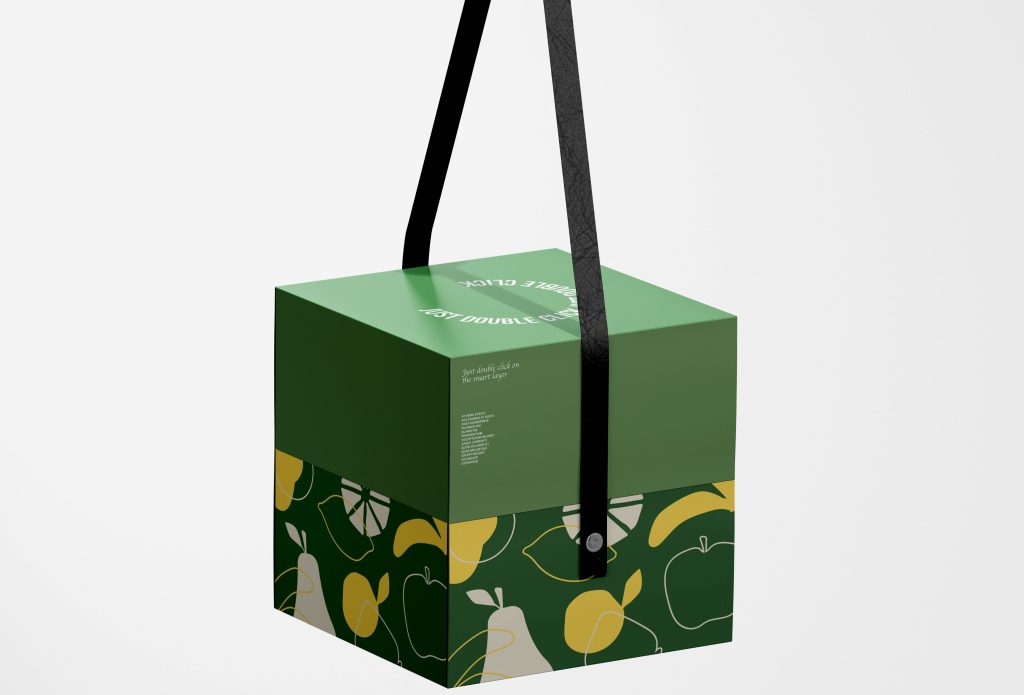
Printing Excellence: Offset, digital, and flexographic printing enable vibrant, high-resolution graphics, from intricate patterns to photorealistic images. UV printing, which cures ink instantly with ultraviolet light, produces glossy, scratch-resistant finishes.
-
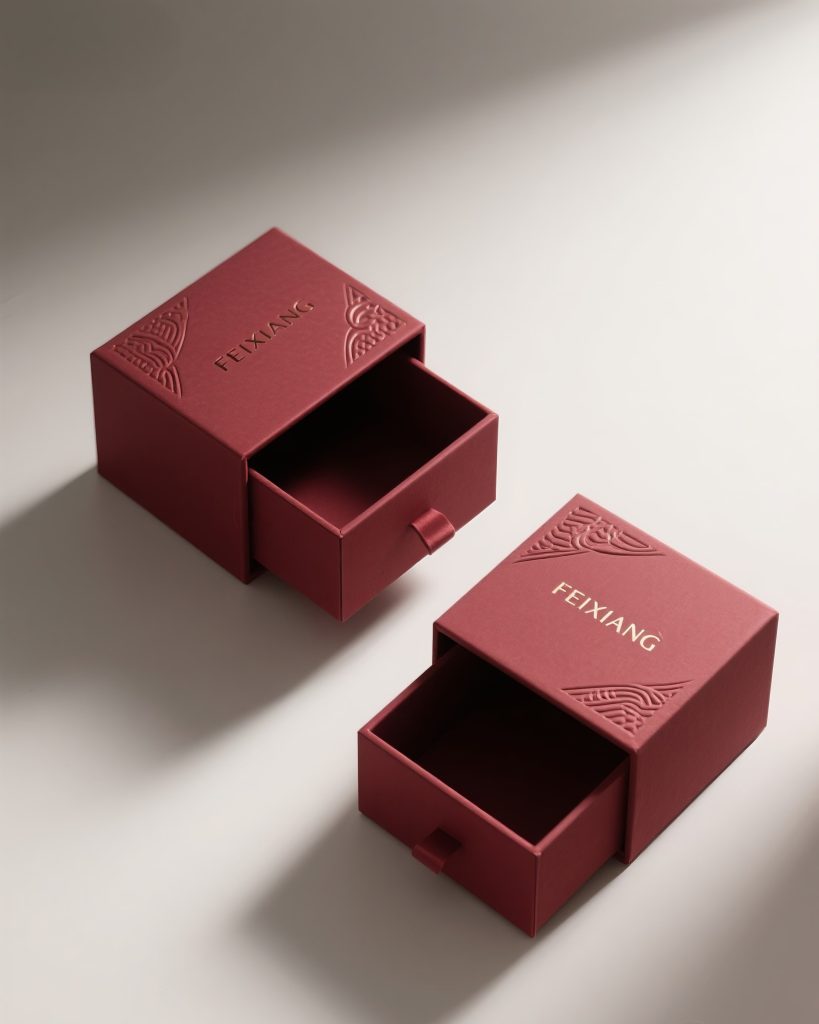
Embellishment Arts: Techniques like hot stamping (gold/silver foil transfer), embossing (raised designs), debossing (indented motifs), and spot varnishing (selective gloss) create tactile contrast. Silk-screen printing adds bold, opaque colors for logos or text.
-
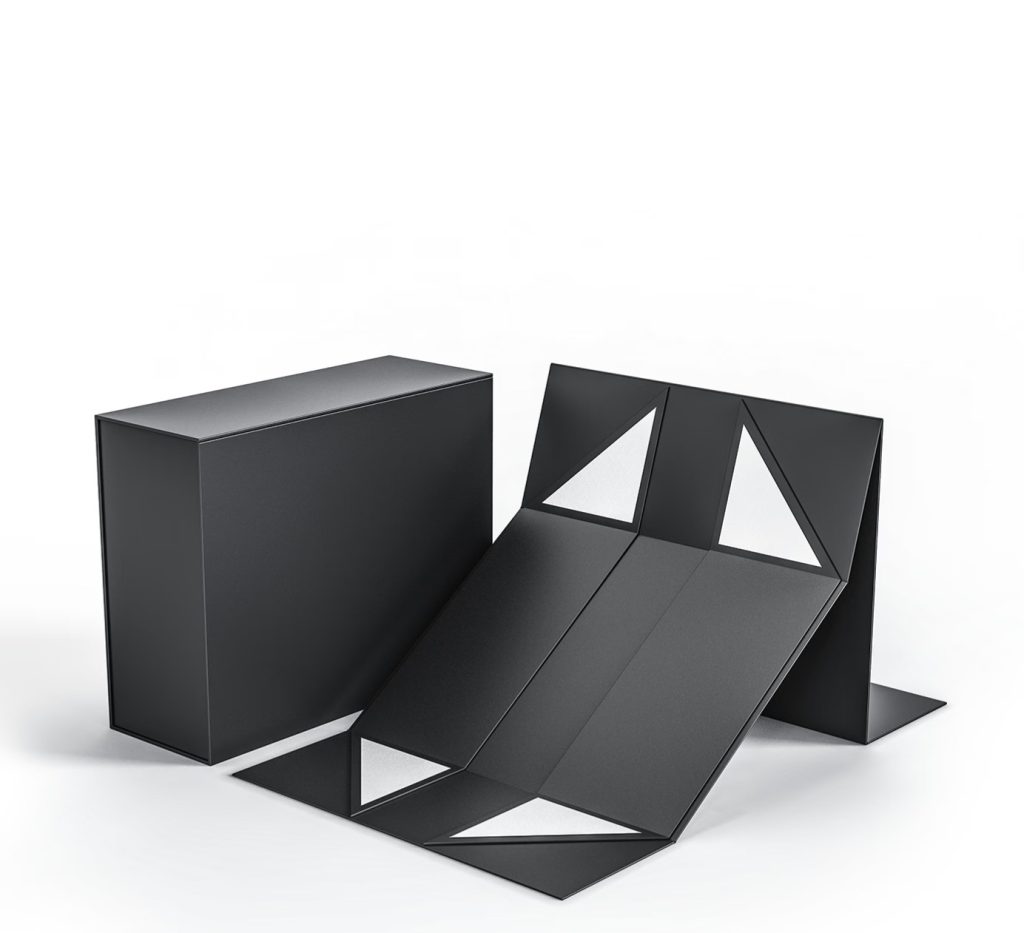
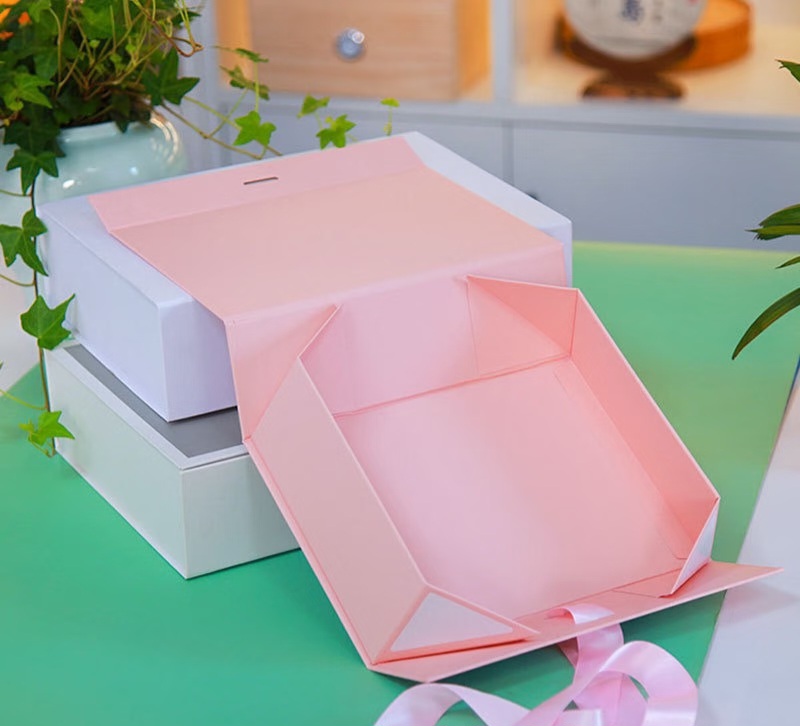
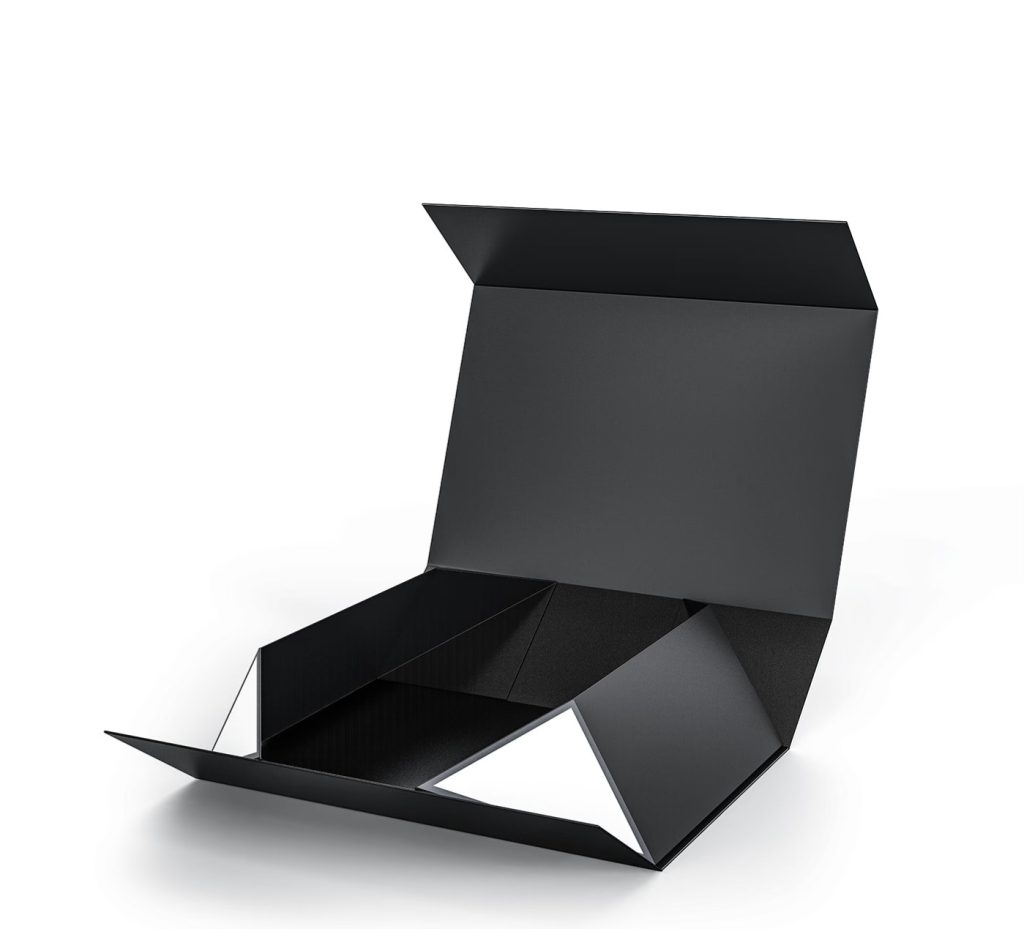
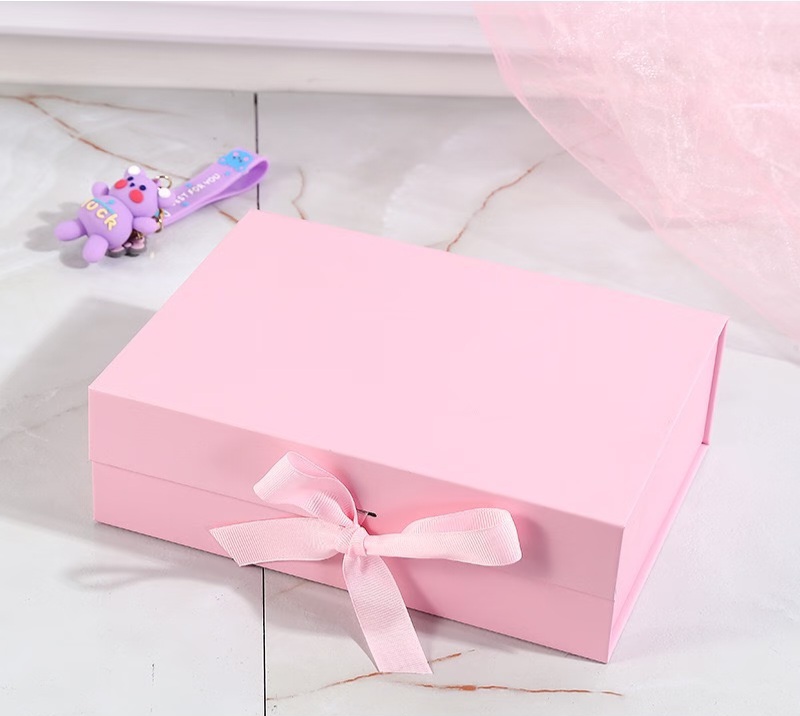
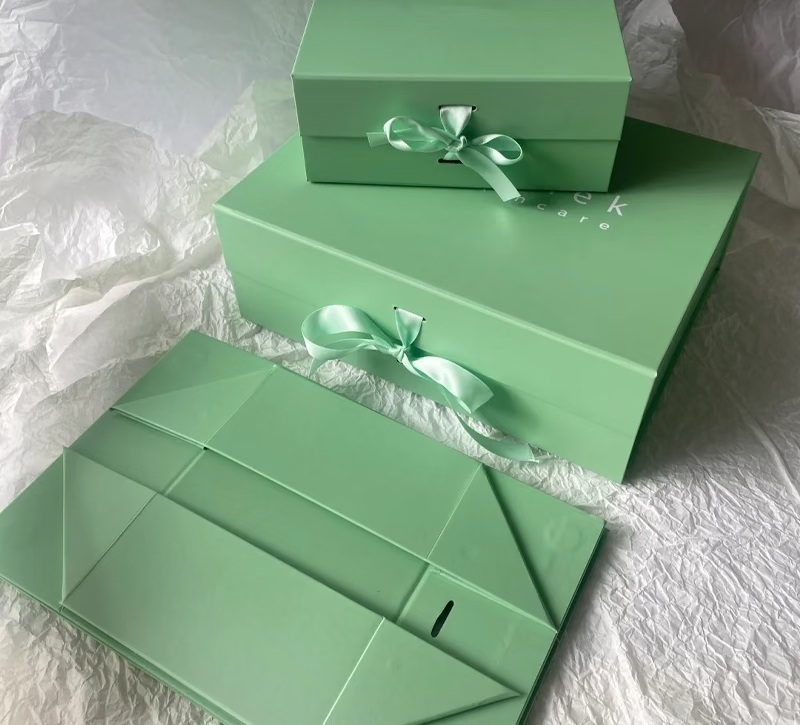
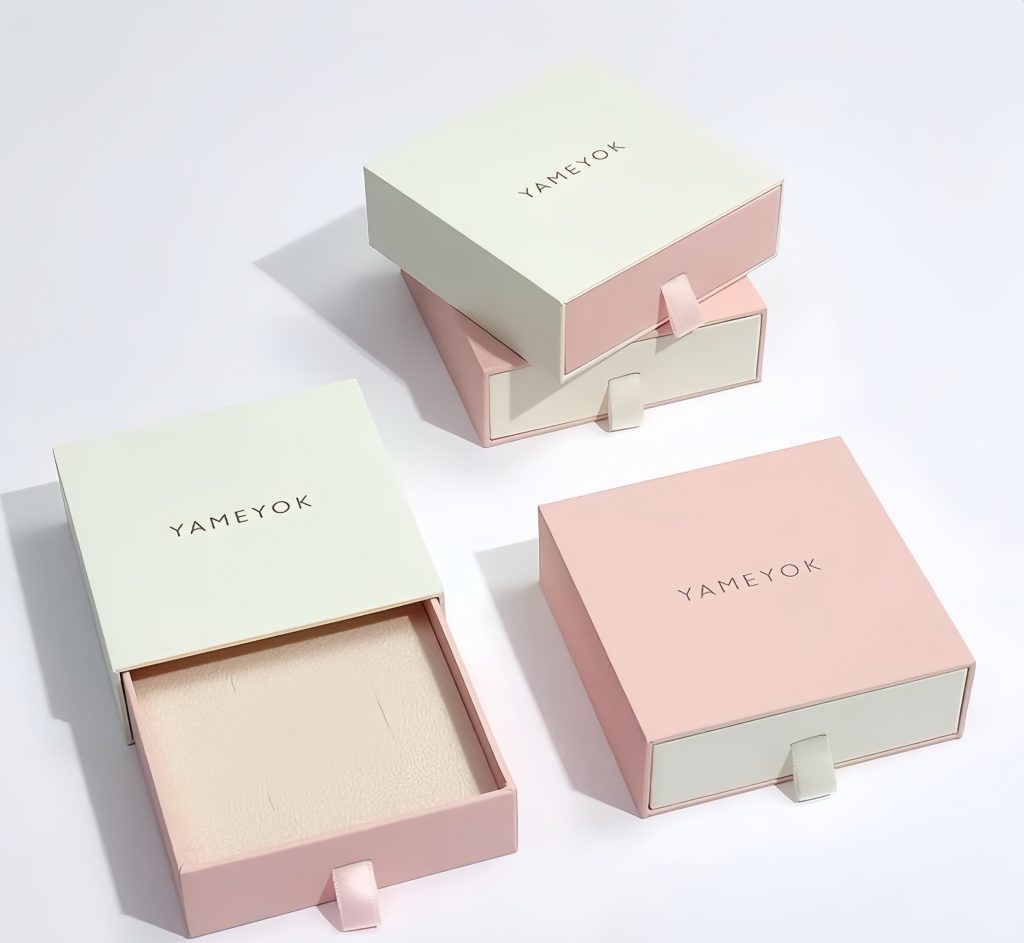
Structural Innovation: Manufacturers design boxes with innovative openings (magnetic clasps, ribbon pulls), inserts (foam, cardboard partitions), and multi-layer configurations (e.g., outer sleeve + inner tray) to enhance presentation.
B. Material Versatility and Sustainability
Recognizing the global shift toward eco-consciousness, leading manufacturers offer a spectrum of materials:
-
Traditional Options: Coated paper, corrugated board, and rigid cardboard remain staples for their durability and printability.
-
Sustainable Alternatives: Recycled paper (post-consumer waste), FSC-certified wood pulp, bamboo fiber, and biodegradable plastics (PLA) cater to brands targeting environmentally aware consumers.
-
Luxury Materials: Velvet linings, satin ribbons, leather accents, and acrylic windows elevate premium packaging, often used for jewelry, cosmetics, or high-end spirits.
C. Customization at Scale
Unlike mass-produced packaging, gift boxes demand personalization. Chinese manufacturers meet this need through:
-
Design Collaboration: Working closely with brands to translate concepts into prototypes, using 3D modeling software (e.g., SolidWorks, Blender) to visualize dimensions, colors, and textures.
-
Flexible Production Lines: Modular setups allow small-batch runs (50–500 units) alongside large orders (10,000+ units), minimizing waste and accommodating niche markets.
-
Brand Integration: Incorporating brand elements (logos, slogans, color palettes) seamlessly into designs, ensuring packaging aligns with overall marketing strategies.
D. Rigorous Quality Control
Quality assurance is non-negotiable. Manufacturers implement:
-
Pre-Production Checks: Verifying material specifications (thickness, GSM), color accuracy (Pantone matching), and structural integrity (via sample testing).
-
In-Process Inspections: Monitoring printing alignment, foil adhesion, and die-cut precision to catch errors early.
-
Post-Production Audits: Testing boxes for drop resistance, compression strength, and environmental durability (e.g., humidity, sunlight exposure).
-
Certifications: Adherence to ISO 9001 (quality management), FSC (forest stewardship), and REACH (chemical safety) standards ensures compliance with global regulations.
III. Technological Innovations Shaping the Industry
To stay ahead, Chinese manufacturers are embracing digitalization and smart technologies:
A. Digital Design and Prototyping
-
AI-Powered Design Tools: Algorithms generate pattern suggestions based on brand inputs (e.g., “minimalist luxury” or “playful holiday”), accelerating the design process.
-
3D Printing for Prototypes: Rapid prototyping with 3D printers allows brands to test box structures and aesthetics before committing to mass production, reducing revision cycles.
B. Smart Manufacturing
-
Automated Production Lines: Robots handle repetitive tasks (cutting, folding, gluing), improving consistency and reducing labor costs. IoT sensors monitor equipment performance, predicting maintenance needs to avoid downtime.
-
Digital Printing Advancements: Inkjet printers now support variable data printing (e.g., personalized names on each box), ideal for corporate gifting or event favors.
C. Sustainable Tech Integration
-
Water-Based Inks: Replacing solvent-based inks to reduce volatile organic compound (VOC) emissions.
-
Energy-Efficient Machinery: LED curing systems for printing consume less energy than traditional heat-based methods.
-
Waste Reduction Systems: Scraps from cutting are recycled into new paper products, minimizing landfill contributions.
IV. Market Applications: Tailoring Packaging to Industries
Chinese manufacturers serve diverse sectors, each with unique packaging requirements:
A. Luxury Goods
For watches, jewelry, and high-end fashion, packaging emphasizes exclusivity:
-
Features: Velvet interiors, magnetic closures, hidden compartments, and gold/silver foil detailing.
-
Trend: Minimalist designs with subtle branding (e.g., embossed logos) to convey sophistication.
B. Food and Beverage
Gourmet chocolates, teas, and wines require packaging that preserves freshness while appealing to the senses:
-
Materials: Food-grade cardboard, grease-resistant coatings, and breathable films.
-
Innovations: Window cutouts to showcase products, thermal insulation for perishables, and QR codes linking to origin stories.
C. Beauty and Cosmetics
Skincare sets and makeup palettes demand packaging that balances elegance with practicality:
-
Designs: Mirrored trays, removable inserts for product separation, and magnetic lids for repeated use.
-
Sustainability Focus: Refillable boxes and recycled materials align with eco-conscious beauty brands.
D. Corporate Gifting
Businesses use branded boxes for client appreciation, employee rewards, or event giveaways:
-
Customization: Company logos, mission statements, or event themes printed prominently.
-
Practicality: Durable construction for reuse (e.g., as storage boxes) reinforces brand recall.
V. How to Choose the Right Chinese Gift Packaging Manufacturer
Selecting a manufacturer requires evaluating multiple criteria to ensure alignment with brand goals:
A. Assess Expertise and Experience
-
Industry Track Record: Look for manufacturers with experience in your sector (e.g., luxury vs. food packaging). Request case studies or samples of past work.
-
Design Capabilities: Ensure they offer in-house design support or collaborate with external designers to bring your vision to life.
B. Verify Production Capacity
-
Minimum Order Quantity (MOQ): Confirm flexibility—some manufacturers accept small batches (50 units), while others specialize in large orders.
-
Lead Times: Ask for typical production timelines (e.g., 2–4 weeks for prototypes, 6–8 weeks for bulk orders) and contingency plans for rush requests.
C. Prioritize Sustainability
-
Material Sourcing: Inquire about FSC-certified paper, recycled content percentages, and biodegradable options.
-
Emission Standards: Check if they comply with local environmental regulations (e.g., China’s “Blue Sky” initiative).
D. Evaluate Customer Support
-
Communication: Opt for manufacturers with English-speaking account managers and transparent update mechanisms (e.g., weekly progress reports).
-
After-Sales Service: Ensure they offer support for defects, returns, or reordering.
VI. Future Trends in Chinese Gift Packaging Manufacturing
The industry is evolving to meet emerging consumer and regulatory demands:
A. Hyper-Personalization
Brands will increasingly seek one-of-a-kind packaging, driven by AI-generated designs and on-demand printing. Imagine boxes with handwritten-style fonts or patterns derived from customer photos.
B. Smart Packaging Integration
-
RFID Tags: Embedding radio-frequency identification chips to track inventory or authenticate luxury goods.
-
Augmented Reality (AR): QR codes on boxes that unlock AR experiences (e.g., virtual try-ons for cosmetics, 3D product tours).
C. Circular Economy Models
Manufacturers will adopt take-back programs, refurbishing used boxes for resale or recycling them into new products. Closed-loop systems (e.g., using packaging waste to generate energy) will gain traction.
D. Cultural Fusion Designs
As global brands target Chinese consumers, packaging will incorporate traditional motifs (e.g., dragon dances, lotus flowers) with modern aesthetics, creating culturally resonant products.
VII. FAQ: Chinese Gift Packaging Box Manufacturers
1. What makes Chinese manufacturers competitive in gift packaging?
Chinese manufacturers combine cost efficiency with advanced craftsmanship, material versatility, and flexible customization. Their vertical supply chains and skilled labor enable rapid prototyping and scalable production, while adherence to global quality standards ensures reliability.
2. Can manufacturers handle small-batch orders (e.g., 50–100 units)?
Yes. Many Chinese manufacturers specialize in low-MOQ production, using digital printing and modular setups to minimize waste. This flexibility is ideal for startups, niche brands, or seasonal campaigns.
3. What is the typical lead time for a custom gift box order?
Lead times vary by complexity: 2–4 weeks for prototypes, 6–8 weeks for bulk orders (1,000–10,000 units). Rush orders (3–4 weeks) may incur additional fees but are often feasible with prior notice.
4. Are eco-friendly packaging options widely available?
Absolutely. Leading manufacturers offer recycled paper, FSC-certified materials, bamboo fiber, and biodegradable plastics. Many also use water-based inks and energy-efficient machinery to reduce environmental impact.
5. How do manufacturers ensure quality control?
Quality is ensured through pre-production checks (material testing, color matching), in-process inspections (print alignment, structural integrity), and post-production audits (drop tests, durability assessments). Certifications like ISO 9001 validate these processes.
6. Can manufacturers integrate smart features (e.g., RFID, AR) into packaging?
Yes. Many manufacturers collaborate with tech partners to embed RFID tags, QR codes for AR experiences, or NFC chips. These features enhance interactivity and brand engagement.
7. What is the cost range for custom gift boxes?
Costs depend on materials, design complexity, and order volume. Basic cardboard boxes start at $0.50–$1 per unit (bulk orders), while luxury boxes with velvet linings or foil stamping can range from $5–$50 per unit.
8. Do manufacturers provide design support?
Most offer in-house design teams or partner with freelancers to help brands refine concepts. Tools like 3D modeling and AI design suggestions streamline the process.
9. How do I verify a manufacturer’s credibility?
Check for certifications (ISO, FSC), request client references, and review samples of past work. Visiting factories (or virtual tours) can also provide insights into production standards.
10. What are the shipping options for exported packaging?
Manufacturers typically use sea freight (cost-effective for bulk orders), air freight (fast for urgent requests), or express couriers (DHL, FedEx) for small batches. Incoterms (e.g., FOB, CIF) clarify responsibility for shipping and customs.
11. Can packaging be designed to be reusable?
Yes. Many manufacturers create boxes with durable materials (rigid cardboard, wood) and multifunctional features (storage compartments, foldable designs) to encourage reuse.
12. How do manufacturers handle intellectual property (IP) concerns?
Reputable manufacturers sign non-disclosure agreements (NDAs) to protect brand designs. It is advisable to register trademarks and patents before sharing confidential information.
13. What trends are shaping luxury gift packaging?
Minimalist aesthetics, sustainable materials, personalized touches (engraved names), and interactive elements (AR, hidden messages) dominate luxury packaging trends.
14. Can manufacturers accommodate last-minute design changes?
Minor changes (e.g., color adjustments) are often feasible during prototyping. Major revisions may require additional time and costs, so clear communication upfront is key.
15. How do I calculate the total cost of packaging?
Total cost includes materials, design fees, production, shipping, and customs duties. Request a detailed quote breaking down these components to avoid surprises.
16. Are there minimum thickness requirements for packaging materials?
Thickness depends on product weight and fragility. For example, rigid cardboard for electronics may require 2–3mm thickness, while lightweight gift cards use 0.5–1mm paper. Manufacturers advise on optimal specs.
17. Can packaging be designed for specific cultural contexts?
Yes. Manufacturers with global experience can incorporate cultural symbols, colors, or motifs (e.g., red for luck in Chinese culture, gold for luxury in Western markets) to resonate with target audiences.
18. What is the lifespan of typical gift packaging?
With proper care, cardboard boxes last 1–3 years; rigid or wooden boxes can endure 5+ years. Eco-friendly materials may degrade faster but are compostable.
19. How do manufacturers stay updated on global packaging regulations?
They monitor regulatory changes (e.g., EU’s Single-Use Plastics Directive, FDA food-contact rules) and adapt materials and processes accordingly. Compliance teams ensure adherence to destination-country laws.
20. What support do manufacturers offer for market entry in new regions?
Many provide guidance on localization (design, materials), compliance with regional standards, and logistics optimization (e.g., selecting cost-effective shipping routes).
Conclusion
Chinese gift packaging box manufacturers have earned their reputation as global leaders by marrying artistry with innovation. Their ability to deliver customized, sustainable, and technologically advanced packaging empowers brands to transform gifts into emotional experiences. As the industry evolves toward hyper-personalization and circularity, these manufacturers will continue to shape the future of how we package—and perceive—thoughtfulness. For brands seeking to stand out, partnering with a skilled Chinese manufacturer is not just a choice of supplier, but a strategic investment in storytelling and connection.