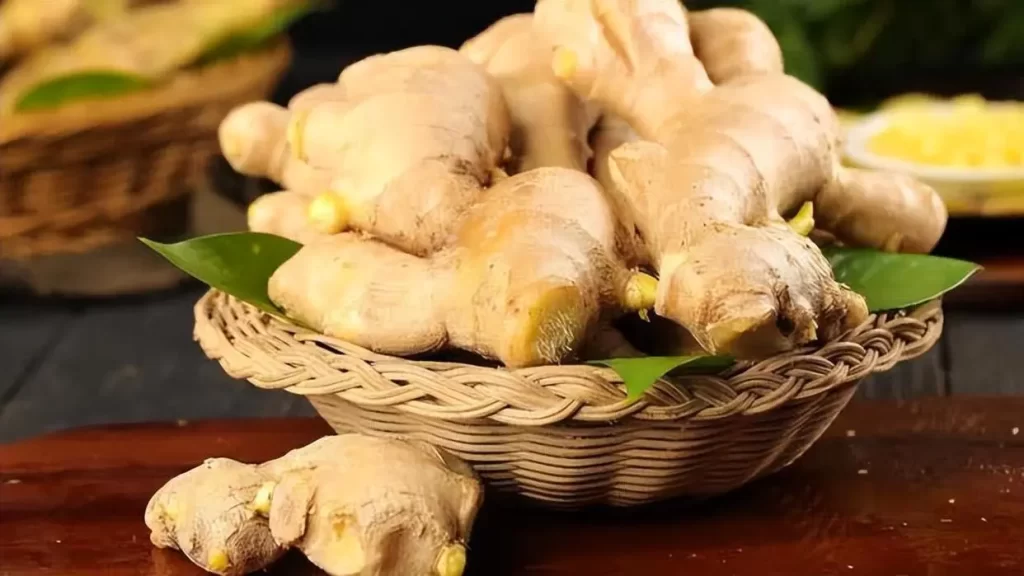
Nestled in the heart of Asia, China has long been a dominant force in the global agricultural market, and its ginger industry is no exception. As the world’s largest producer, exporter, and consumer of fresh and processed ginger, China supplies over 50% of the world’s ginger, making it an indispensable partner for international buyers, food manufacturers, and health product companies. From small family farms to large-scale agribusinesses, Chinese ginger suppliers have built a reputation for consistency, quality, and adaptability—qualities that have solidified their position as the go-to source for this versatile root.
A Legacy of Cultivation, a Climate of Opportunity
Ginger (Zingiber officinale) has been cultivated in China for over 2,000 years, with its use deeply rooted in traditional medicine, cuisine, and culture. Today, this historical expertise is paired with modern agricultural practices, enabling China to meet the diverse needs of global markets. The country’s vast geographic diversity—from the temperate plains of Shandong to the subtropical hills of Yunnan—provides ideal growing conditions for ginger, which thrives in warm, humid climates with well-drained soil.
Shandong Province, often called the “Ginger Capital of China,” leads the pack. The city of Anqiu, in particular, boasts a 500-year history of ginger cultivation, with its sandy loam soil and mild climate producing plump, flavorful roots. Henan, Guizhou, and Yunnan are other key production hubs, each offering unique varieties: Guizhou’s organic ginger, for instance, is prized for its low pesticide residues, while Yunnan’s high-altitude farms yield smaller, more aromatic roots.
Scaling Up: From Farm to Global Market
What sets Chinese ginger suppliers apart is their ability to scale production without compromising quality. Many suppliers operate integrated supply chains, from seed selection and organic farming to post-harvest processing and export. For example, some large cooperatives in Shandong use advanced irrigation systems and pest control methods to ensure uniform growth, while others have adopted GAP (Good Agricultural Practices) certification to meet international standards.
In terms of output, China’s annual ginger production exceeds 3 million metric tons, with the majority coming from smallholder farms (70%) and larger commercial operations (30%). This dual structure allows for flexibility: small farms often focus on niche markets (e.g., organic or heirloom varieties), while large enterprises handle bulk orders for supermarkets, food processors, and pharmaceutical companies.
Export Dominance: Meeting Diverse Demands
China’s ginger exports reach over 100 countries, with the United States, the European Union, Japan, and South Korea being top destinations. Fresh ginger remains the most exported form, accounting for 60% of shipments, followed by dried ginger (25%), ginger powder (10%), and value-added products like ginger oil and candies (5%).
Buyers appreciate Chinese suppliers for their reliability. Most exporters offer flexible packaging options—from bulk sacks to retail-ready trays—and can adjust shipment sizes based on demand. Additionally, many suppliers provide traceability services, allowing buyers to track ginger back to specific farms or regions, which is critical for compliance with EU or U.S. food safety regulations.
Quality control is another strength. Chinese exporters adhere to strict residue limits for pesticides, often testing samples at third-party labs before shipment. Some even invest in blockchain technology to enhance transparency, ensuring buyers receive safe, high-quality products.
Sustainability and Innovation: The Future of Ginger Supply
As global demand for sustainable agriculture grows, Chinese ginger suppliers are adapting. Organic ginger cultivation, once a niche segment, now accounts for 15% of total production, driven by demand from Europe and North America. In Guizhou, for example, farmers use intercropping techniques (planting ginger alongside legumes) to reduce fertilizer use and improve soil health.
Innovation is also reshaping the industry. Processing facilities are upgrading equipment to minimize waste—ginger peel, once discarded, is now used to extract antioxidants or make animal feed. Meanwhile, research institutes are developing disease-resistant ginger varieties to combat crop losses caused by fungal infections like Fusarium wilt.
Challenges and Opportunities
Despite its strengths, China’s ginger sector faces challenges. Climate change has led to more extreme weather events (e.g., floods in Henan, droughts in Yunnan), disrupting harvests. Rising labor costs also pressure small farms, prompting some to transition to mechanized planting or contract farming models.
However, these challenges have spurred collaboration between suppliers, governments, and international buyers. Initiatives like the China-ASEAN Ginger Trade Forum facilitate knowledge sharing, while government subsidies support farmers in adopting eco-friendly practices.
Conclusion
China’s ginger suppliers are more than just producers—they are partners in global food security and innovation. With a blend of tradition and modernity, they deliver consistent quality, scalability, and adaptability that few competitors can match. Whether you’re sourcing fresh ginger for your supermarket shelves or organic ginger powder for a wellness brand, Chinese suppliers offer a reliable gateway to one of the world’s most beloved spices. As the industry continues to evolve, one thing remains clear: China will remain at the forefront of ginger supply for decades to come.
Article link:https://www.vlefooena.com/chinese-ginger-suppliers/


No reply content