Modern lifestyles are changing faster than ever, and housing must evolve with these changes. People travel more, work in remote locations, search for flexible investments, and look for environments that can be built quickly without sacrificing comfort. In this new reality, mobile homes, pod-style space cabins, and container-based houses are becoming the most practical and forward-thinking solutions.
As a manufacturer focusing on these innovative living units, the goal is not simply to produce a physical structure. The true value lies in designing living spaces that adapt to different environments, industries, and lifestyles. This article explores the purpose, engineering logic, creative styling, and future potential of modern modular homes.
1. Why Modern Living Needs Mobile and Modular Homes
For many years, traditional building methods dominated residential and commercial development. But rising land costs, labor shortages, and the need for faster construction have challenged conventional thinking. More people now want homes that are movable, customizable, and suitable for various terrains.
Key reasons behind the shift include:
- Speed — Modular homes can be built and installed far faster than traditional houses.
- Flexibility — Units can be moved, expanded, or upgraded easily.
- Cost efficiency — Production and installation costs are far lower.
- Minimal land requirements — Suitable for temporary or long-term placement.
- Sustainability — Less waste and fewer on-site operations.
These benefits are the foundation for the growing popularity of mobile homes and pod houses in tourism, commercial projects, and personal living.
2. Mobile Homes: Freedom and Function in One Structure
A mobile home is designed for movement, efficiency, and long-term durability. It must remain safe during transportation while offering the comfort of a standard home.
Structural Advantages
- Reinforced steel frames protect the unit during long-distance transport.
- Multi-layer insulation keeps the interior comfortable in all climates.
- Waterproof panels shield the home from rain and humidity.
- Load-bearing designs allow interior customization without sacrificing stability.
Interior Planning
A well-designed mobile home balances space and usability. Common layouts include:
- A cozy bedroom area
- A functional kitchenette
- A compact bathroom
- A central living or dining space
- Storage built into walls, floors, or furniture
Every detail must serve a purpose. Even a small space becomes surprisingly efficient when planned with modular principles.
Where Mobile Homes Are Used
- Scenic tourism parks
- Temporary accommodation for events
- Worker housing for construction or energy sites
- Private countryside retreats
- Short-term rental businesses
- Emergency response housing
Mobile homes are not only practical but also increasingly stylish. Modern designs integrate natural textures, large windows, and smooth finishes to create relaxing environments.
3. Pod Houses: A Futuristic Approach to Compact Living
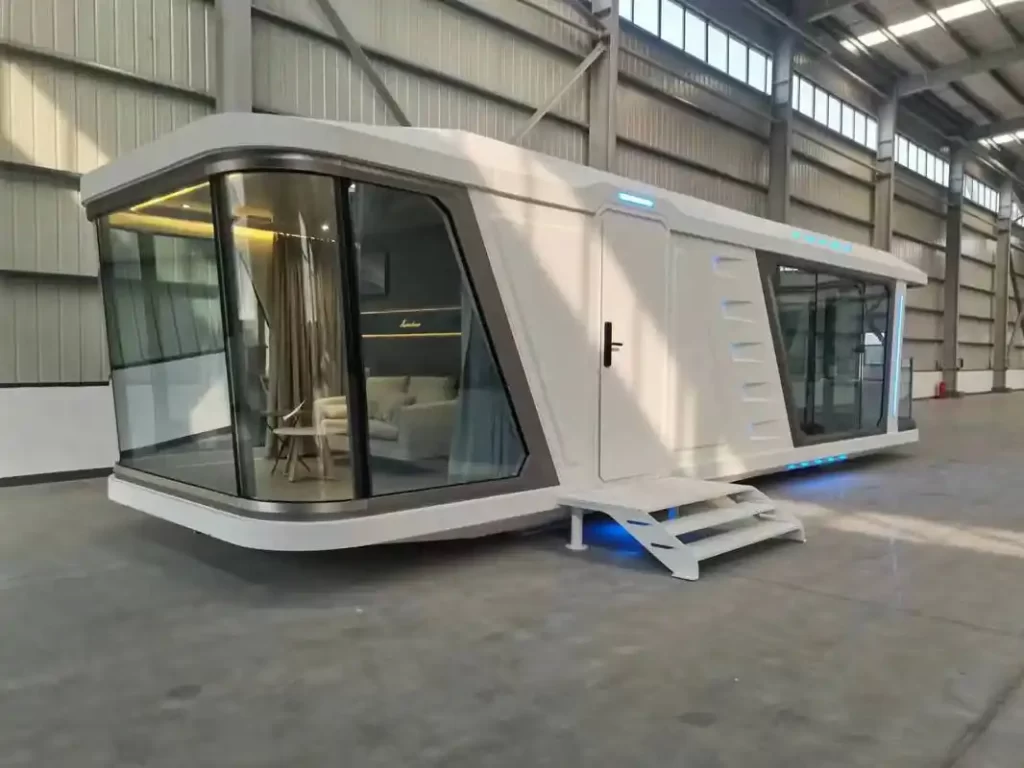
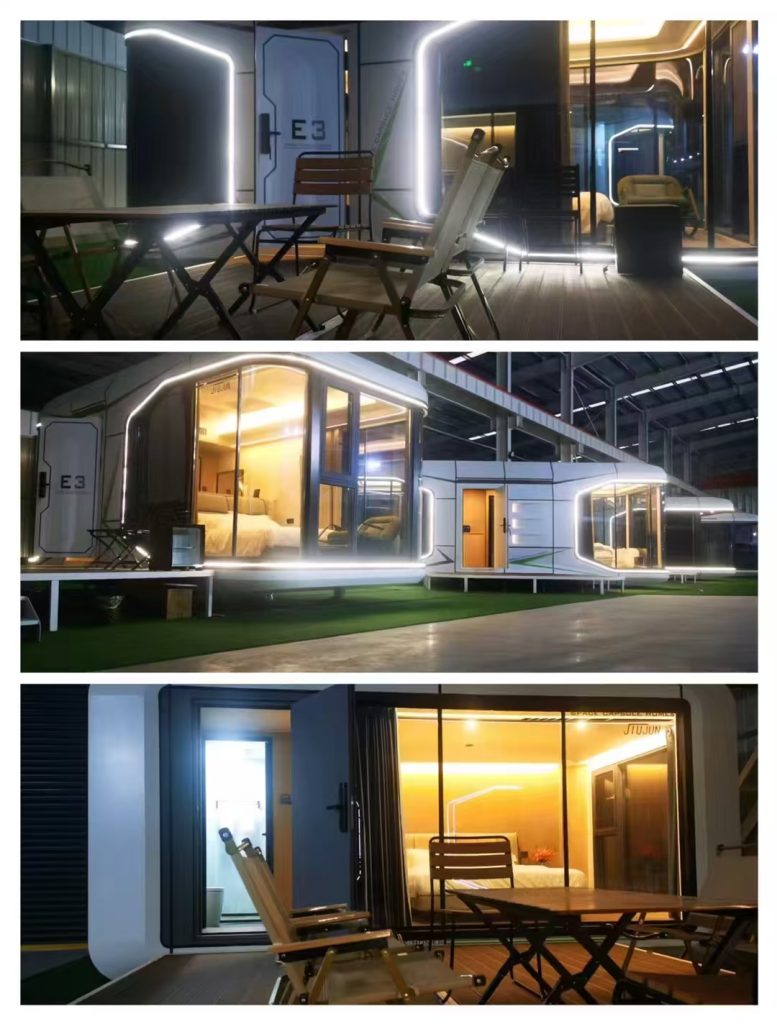
Pod houses—also known as space pods or modular cabins—are designed with modern aesthetics and compact efficiency. Their curved shells, integrated lighting, and minimalist layouts make them ideal for creative and high-visibility projects.
Defining Features
- Unique exterior shapes that stand out in scenic areas
- Lightweight yet strong outer shells
- Panoramic windows that capture natural views
- Built-in furniture that maximizes interior space
- Optional smart systems for climate, lighting, and security
- Durable weatherproof surfaces suitable for mountains, deserts, or coastal zones
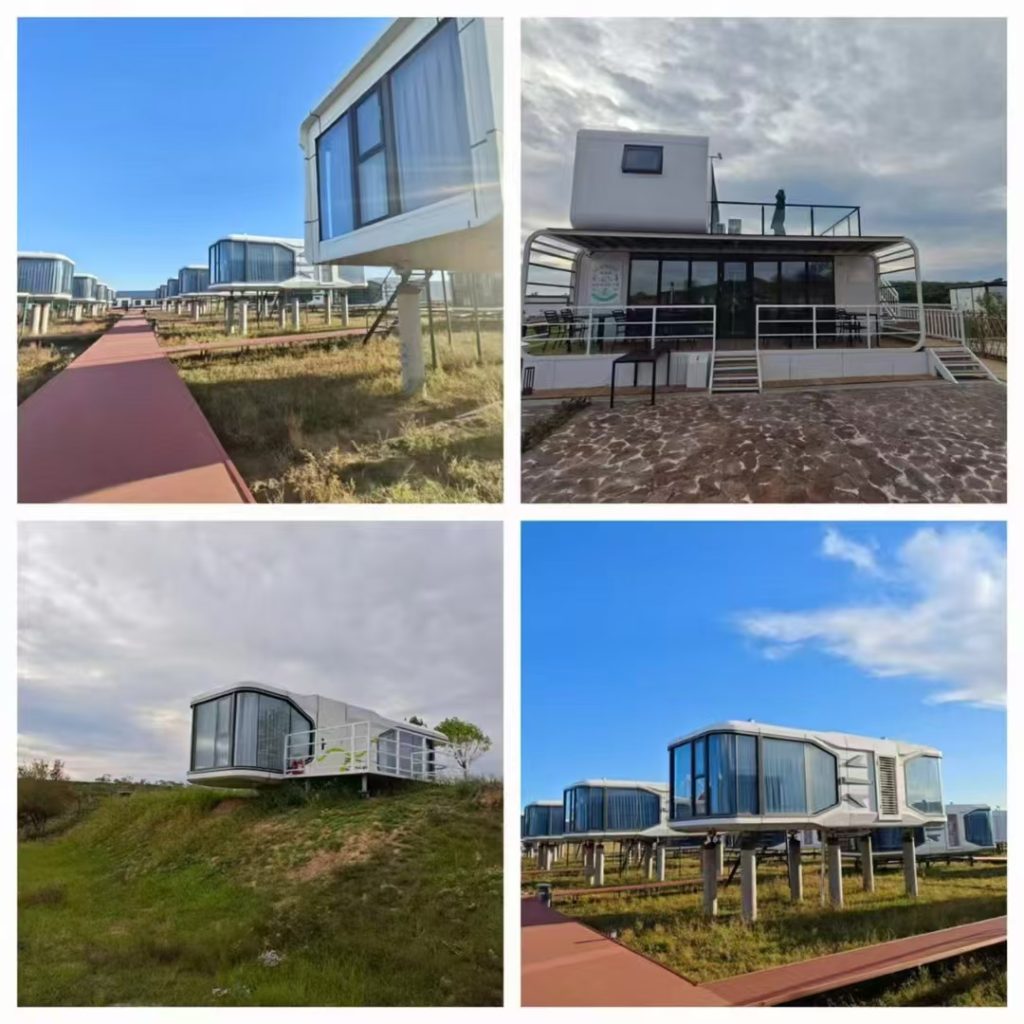
Pod houses are more than living units—they create experiences. Resorts use them to attract guests seeking unique stays, while developers install them as showpieces for modern housing innovation.
Popular Applications
- Landscape tourism
- Eco-friendly camping parks
- Creative studios or project cabins
- Off-grid living experiments
- Backyard guest rooms
- Remote working and digital nomad hubs
The combination of artistic design and practical engineering makes pod houses one of the fastest-growing segments of modular housing.
4. Container Houses: Strong, Scalable, and Built for Heavy Use
Container houses stand apart due to their industrial strength and high adaptability. They are engineered for environments where durability and quick installation are critical.
Benefits of Container-Based Structures
- High-strength steel ensures stability during long-term use
- Modular joining methods allow multiple units to be combined
- Suitable for stacking into two or three floors
- Fast assembly reduces labor requirements
- Insulated walls maintain comfortable indoor temperatures
- Easy to transport and reinstall when needed
Typical Use Cases
- Worker dormitories for factories or construction sites
- Field offices
- Student or staff housing
- Retail kiosks or cafés
- Community facilities
- Emergency temporary shelters
These homes offer a reliable platform for both living and commercial use. Their industrial roots give them a structural advantage unmatched by many other modular systems.
5. How Quality Modular Homes Are Manufactured
Producing modular homes requires strict engineering controls and attention to detail. Every unit must withstand transportation, climate variations, and long-term daily use.
Core Production Processes
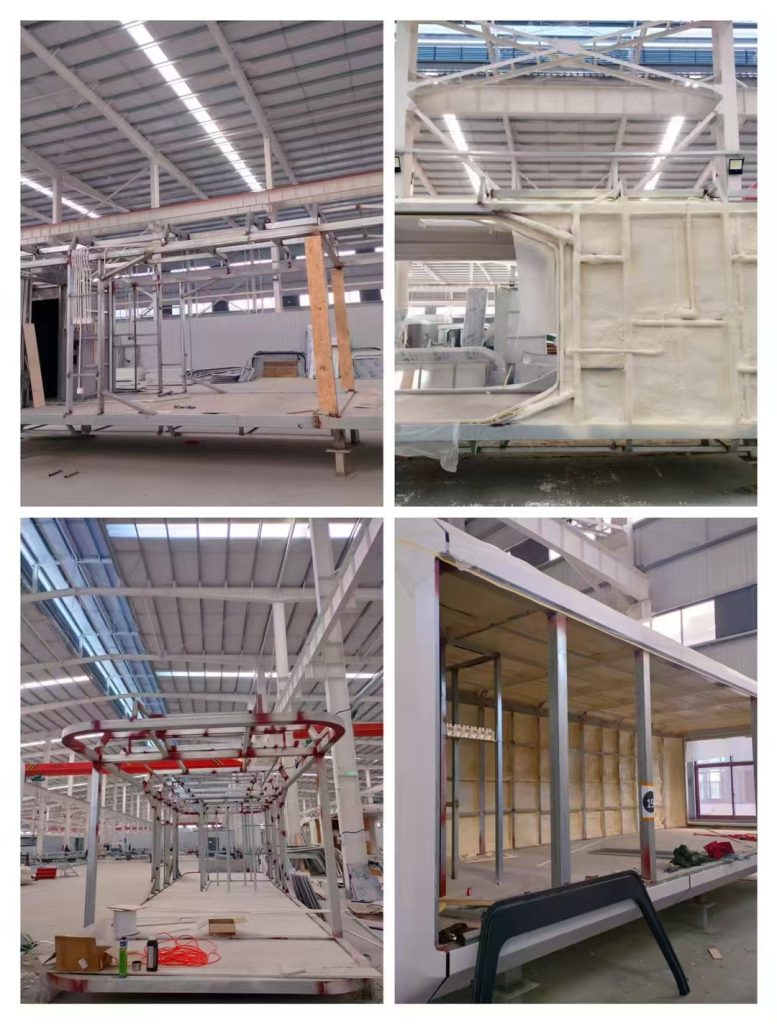
- Structural Framing
Steel frames are welded and treated for corrosion resistance. - Wall and Floor Paneling
Panels are cut precisely and filled with insulation materials. - Mechanical and Electrical Installation
Wiring, plumbing, and ventilation systems are integrated into the walls. - Interior Decoration
Wooden textures, durable flooring, LED lighting, and built-in furniture complete the interior. - Roof Sealing and Waterproofing
Multi-layer waterproofing protects the home from extreme weather. - Final Inspection and Testing
Doors, windows, drainage, electric systems, and structural points are thoroughly tested.
Each step determines how well the home performs over its lifespan.
6. Sustainability and Cost Efficiency
Modular houses are a strong answer to global calls for greener construction. They use fewer raw materials, reduce waste, and require less energy to install.
Environmental Benefits
- Less on-site disturbance to natural environments
- Lower carbon footprint during production
- Materials that can be reused or recycled
- Options for off-grid solar systems and water-saving designs
Cost Advantages
- Predictable cost planning
- Reduced on-site labor
- Faster completion time
- Long-term reusability
For businesses like resorts, campgrounds, or workforce housing, modular homes often provide a fast return on investment.
7. Customization: Tailored Designs for Every Client
One of the strengths of modular housing is customization. Different customers, regions, and industries require different designs.
Custom Options Include:
- Exterior color and surface textures
- Window shapes and sizes
- Floor plan modifications
- Bathroom and kitchen upgrades
- Built-in wooden cabinets or minimalist interiors
- Solar energy systems
- Smart lighting and security systems
- Terrace platforms or exterior decks
This freedom allows modular homes to blend into mountains, deserts, seaside zones, forests, and modern urban spaces.
8. The Future of Mobile and Modular Homes
The next generation of modular housing will integrate advanced materials, smarter systems, and more energy-efficient designs. Some trends include:
- High-strength lightweight composite structures
- Self-leveling foundations for uneven terrain
- Intelligent climate control
- Voice-assisted smart interiors
- Modular clusters for tourism villages
- Solar roofs and battery systems
- Foldable or expandable modules
- Larger viewing panels for nature-focused experiences
As technology and design continue to progress, modular living will play an even greater role in global housing solutions.
Conclusion
Mobile homes, pod houses, and container houses are changing the way people live, work, and travel. They are compact but well-structured, efficient but comfortable, and modern yet highly adaptable. As demand grows for flexible, affordable, and sustainable living spaces, modular homes will continue to shape the future of global housing.
Article link:https://www.vlefooena.com/compact-living-big-possibilities-the-rise-of-mobile-homes-and-modular-pod-houses/


No reply content