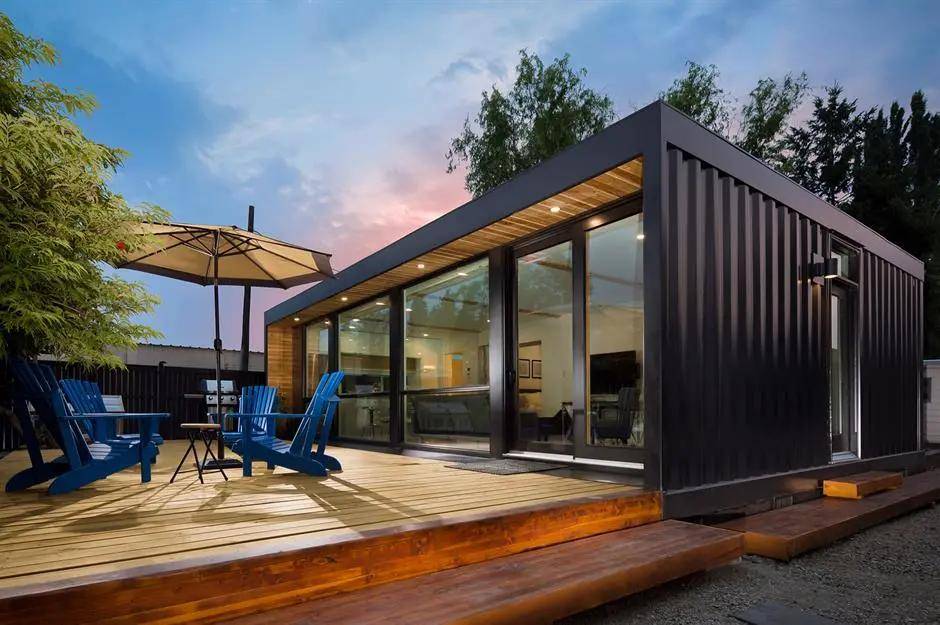
Container houses have evolved from simple temporary shelters into fully functional residential, commercial, and industrial buildings. As global demand for fast, affordable, and flexible construction grows, one of the most common questions asked by buyers and investors is: how long can a container house be used?
This article provides a detailed, practical, and realistic analysis of the lifespan of container houses, the factors that influence durability, and how proper design and maintenance can extend their service life to several decades.
Understanding What a Container House Is
A container house is a building structure constructed using shipping containers or container-style steel modules as the primary framework. These structures may be:
- Converted from used shipping containers
- Built from new containers
- Manufactured as purpose-built container modules
Container houses are widely used as residential homes, worker camps, offices, hotels, shops, schools, and emergency housing.
Average Lifespan of a Container House
Typical Lifespan Range
In real-world applications, a container house can last anywhere from 15 to over 50 years, depending on construction quality, environmental conditions, and maintenance.
| Container House Type | Typical Lifespan |
|---|---|
| Basic temporary container house | 15–20 years |
| Standard residential container house | 25–40 years |
| High-end modular container building | 40–50+ years |
These figures are not theoretical. Many container houses built decades ago are still in use today with proper upkeep.
Why Container Houses Are Structurally Durable
Shipping Container Steel Strength
Shipping containers are originally designed to withstand:
- Heavy stacking loads
- Long ocean voyages
- Harsh weather conditions
- Repeated handling and transport
They are typically made from high-strength weathering steel, which gives container houses a strong structural foundation when used correctly.
Load-Bearing Capabilities
Container frames are engineered to carry vertical loads through corner castings. When reinforced properly, container houses can support:
- Multi-story construction
- Long-term occupancy
- Permanent installations
Key Factors That Affect How Long a Container House Can Be Used
1. Container Condition: New vs Used
- New containers provide the longest lifespan and minimal corrosion risk
- Lightly used containers are acceptable if properly treated
- Heavily used containers may have hidden structural fatigue
Purpose-built container modules often outperform reused containers in longevity.
2. Anti-Corrosion Treatment
Rust is the primary threat to container house lifespan.
High-quality container houses use:
- Hot-dip galvanized steel frames
- Marine-grade anti-corrosion coatings
- Multi-layer paint systems
Without proper rust protection, lifespan can be reduced by 30–50%.
3. Climate and Environmental Conditions
The surrounding environment plays a major role.
- Dry, inland regions: longest lifespan
- Coastal areas: higher corrosion risk
- Tropical climates: humidity accelerates rust
- Cold climates: require thermal expansion design
Container houses in harsh environments require enhanced protective measures.
4. Foundation Quality
A strong foundation directly extends lifespan.
Common foundation types include:
- Concrete slab foundations
- Strip foundations
- Steel pier systems
Proper drainage and ground leveling prevent long-term structural stress.
5. Insulation and Moisture Control
Internal condensation is often overlooked.
Long-lasting container houses include:
- Thermal insulation (PU, rock wool, EPS)
- Vapor barriers
- Proper ventilation systems
Moisture trapped inside walls can shorten lifespan significantly.
How Usage Type Impacts Container House Lifespan
Residential Use
Container houses used as homes experience:
- Lower structural stress
- Stable loads
- Longer service life
With good maintenance, residential container houses can last 30–50 years.
Commercial and Office Use
Offices and retail spaces fall into a similar range, especially when:
- Foot traffic is controlled
- Structural modifications are limited
Temporary Camps and Frequent Relocation
Frequent transportation reduces lifespan due to:
- Structural vibration
- Connection fatigue
- Repeated assembly and disassembly
Temporary container houses typically last 15–25 years.
Container Houses as Permanent Buildings
Can a Container House Be Permanent?
Yes. Container houses can be designed to meet permanent building standards, including:
- Structural safety
- Fire resistance
- Thermal efficiency
- Electrical and plumbing compliance
Many countries already approve container houses as permanent structures when local codes are met.
Building Code Compliance and Lifespan
Meeting or exceeding local building regulations significantly improves long-term durability and usability.
Maintenance: The Key to Long Service Life
Recommended Maintenance Schedule
- Exterior repainting: every 5–8 years
- Rust inspection: annually
- Roof and drainage check: twice a year
- Sealant replacement: as needed
Well-maintained container houses last decades longer than neglected ones.
How to Extend the Lifespan of a Container House
Smart Design Choices
- Avoid excessive cutting of load-bearing walls
- Reinforce openings properly
- Use modular expansion instead of structural removal
Material Upgrades
- Fire-rated insulation
- Stainless or galvanized fasteners
- Waterproof roofing systems
Proper Installation
- Level foundations
- Correct anchoring
- Professional electrical and plumbing installation
Container House vs Traditional Buildings: Lifespan Comparison
| Building Type | Average Lifespan |
|---|---|
| Container house | 25–50 years |
| Light steel prefab house | 30–60 years |
| Brick and concrete building | 50–100 years |
Container houses offer competitive durability with faster construction and lower cost.
Cost vs Lifespan: Is a Container House Worth It?
When evaluated on a cost-per-year basis, container houses are highly economical.
- Lower construction cost
- Faster installation
- Flexible relocation or expansion
For many applications, container houses deliver excellent long-term value.
Sustainability and Long-Term Use
Container houses support sustainability by:
- Reusing steel materials
- Reducing construction waste
- Lowering carbon footprint
Longer lifespan directly improves environmental impact.
Common Misconceptions About Container House Lifespan
- ❌ Container houses are only temporary
- ❌ Containers rust too fast to last
- ❌ Container houses are unsafe for long-term living
Modern container construction has proven these assumptions wrong.
Real-World Applications With Long Service Life
Container houses are successfully used for:
- Permanent residences
- Hotels and resorts
- Schools and classrooms
- Hospitals and clinics
- Industrial offices
Many projects exceed 30 years of continuous use.
Future Trends in Container House Durability
The industry is moving toward:
- Purpose-built modular steel systems
- Advanced anti-corrosion technology
- Smart building integration
- Higher energy efficiency
These developments will further extend lifespan.
Conclusion: How Long Can a Container House Be Used?
A container house is not just a short-term solution. When designed correctly, installed on a proper foundation, and maintained regularly, it can be used for 25 to 50 years or more.
For residential, commercial, and industrial applications, container houses offer a durable, flexible, and cost-effective building solution that continues to gain global acceptance.
Article link:https://www.vlefooena.com/container-house-how-long-can-be-used/


No reply content