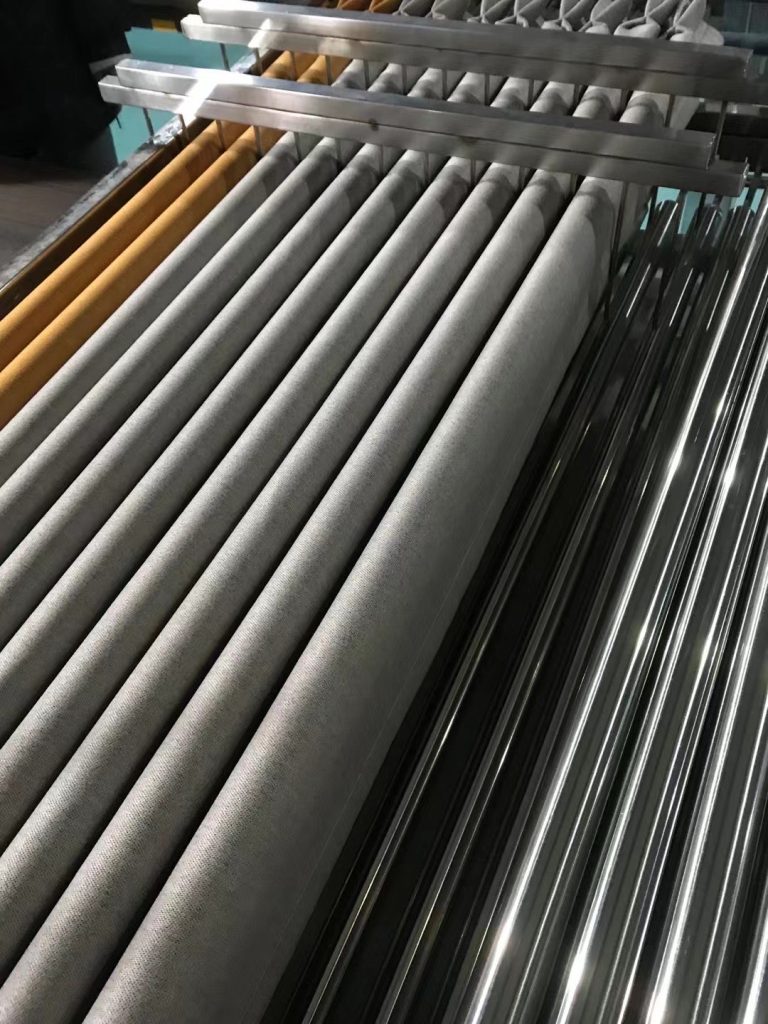
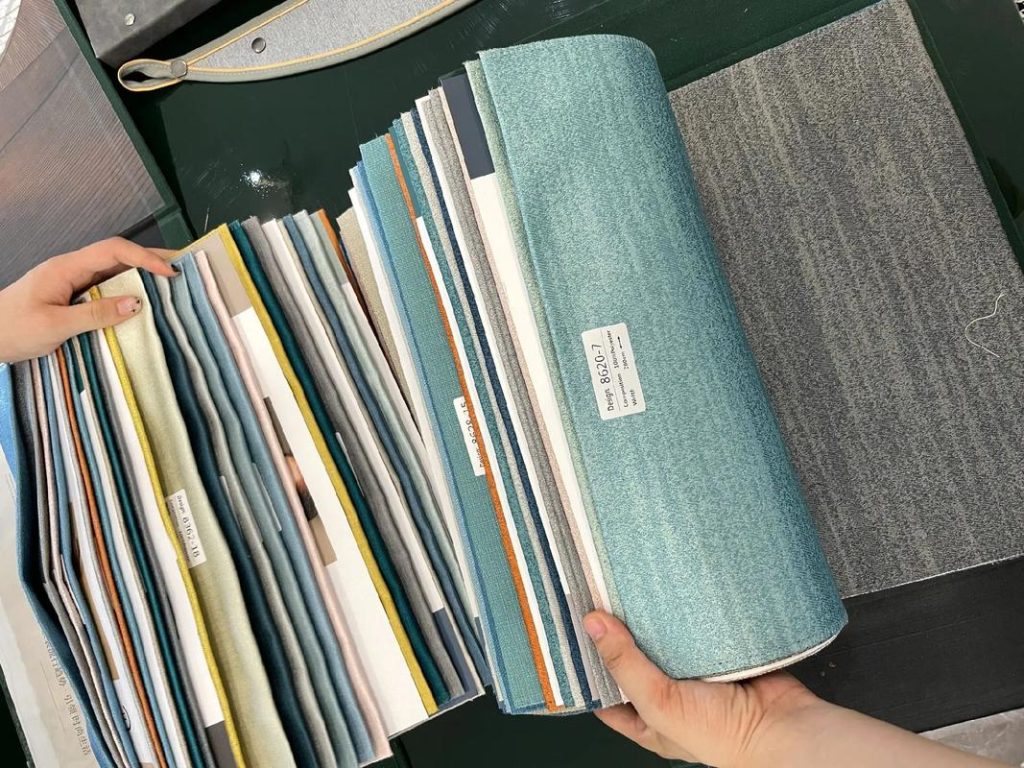
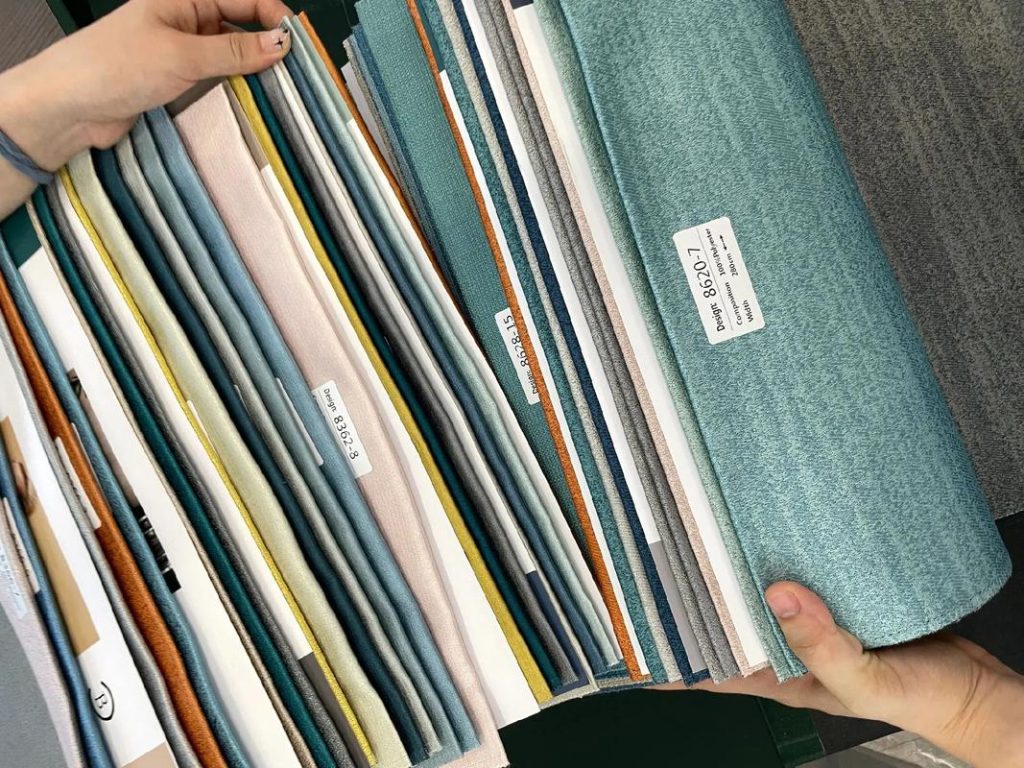
Curtains are not just window coverings—they shape the look, feel, and function of any space. They provide privacy, control natural light, and enhance interior décor. Behind every elegant curtain lies a production process that combines high-quality materials, precision, and skilled craftsmanship.
1. The Role of Curtains in Interiors
Curtains fulfill several functions:
- 🌞 Light Control: Adjust sunlight and mood.
- 🔒 Privacy: Shield interiors from view.
- 🌡️ Temperature Regulation: Help maintain room temperature.
- 🎨 Aesthetic Enhancement: Complement furniture, flooring, and wall colors.
2. Fabric Selection
The choice of fabric affects curtain appearance, texture, and performance. Different materials are suitable for different purposes:
| Fabric Type | Features | Recommended Use |
|---|---|---|
| 🟤 Linen | Breathable, natural, lightweight | Living rooms, dining areas |
| 🟣 Velvet | Heavy, luxurious, light-blocking | Bedrooms, hotels, theaters |
| 🟢 Polyester | Durable, low-maintenance, affordable | Offices, apartments, classrooms |
| 🟡 Sheer | Translucent, diffuses sunlight | Balconies, sunrooms, offices |
3. Curtain Styles
Curtains come in various styles that impact both look and function:
| Style | Description | Best For |
|---|---|---|
| Pleated | Classic folds, formal appearance | Hotels, dining rooms |
| Eyelet | Modern, slides easily on rods | Living rooms, bedrooms |
| Wave Fold | Contemporary, smooth drape | Offices, minimalist spaces |
| Layered | Sheer + blackout combination | Luxury homes, multifunctional rooms |
4. Manufacturing Process
The curtain production process balances technology with skilled labor:
- Cutting: Automated machines ensure precise dimensions.
- Sewing & Hemming: Skilled tailors complete pleats, hems, and finishes.
- Lining & Reinforcement: Enhances durability, insulation, and light-blocking.
- Accessories: Hooks, rods, tiebacks, or decorative trims.
- Quality Control: Ensures size accuracy, stitching consistency, and color uniformity.
Production Checklist Example:
| ✅ Task | 🔹 Importance | ⏱ Time Needed |
|---|---|---|
| Fabric inspection | High | 30 min per batch |
| Cutting & measuring | High | 20 min per panel |
| Sewing & pleating | Medium | 1–2 hrs per curtain |
| Final QC & finishing | High | 15 min per curtain |
5. Sustainable Manufacturing Practices
Sustainability is key in modern curtain production:
| 🌍 Practice | ✅ Benefit | 📌 Notes |
|---|---|---|
| Eco-friendly dyes | Reduce chemical waste | Safe for indoor use |
| Recyclable packaging | Minimize environmental impact | Convenient for shipping |
| Energy-efficient machines | Lower energy consumption | Reduces carbon footprint |
6. Conclusion
Curtains combine functionality, style, and craftsmanship. From fabric selection to precise manufacturing and quality finishing, every step ensures that the final product enhances interiors with elegance, comfort, and durability. Modern curtain production merges design, technology, and sustainability, making curtains an indispensable feature in homes and commercial spaces alike.
Article link:https://www.vlefooena.com/curtain-manufacturing-blending-craftsmanship-and-modern-design


No reply content