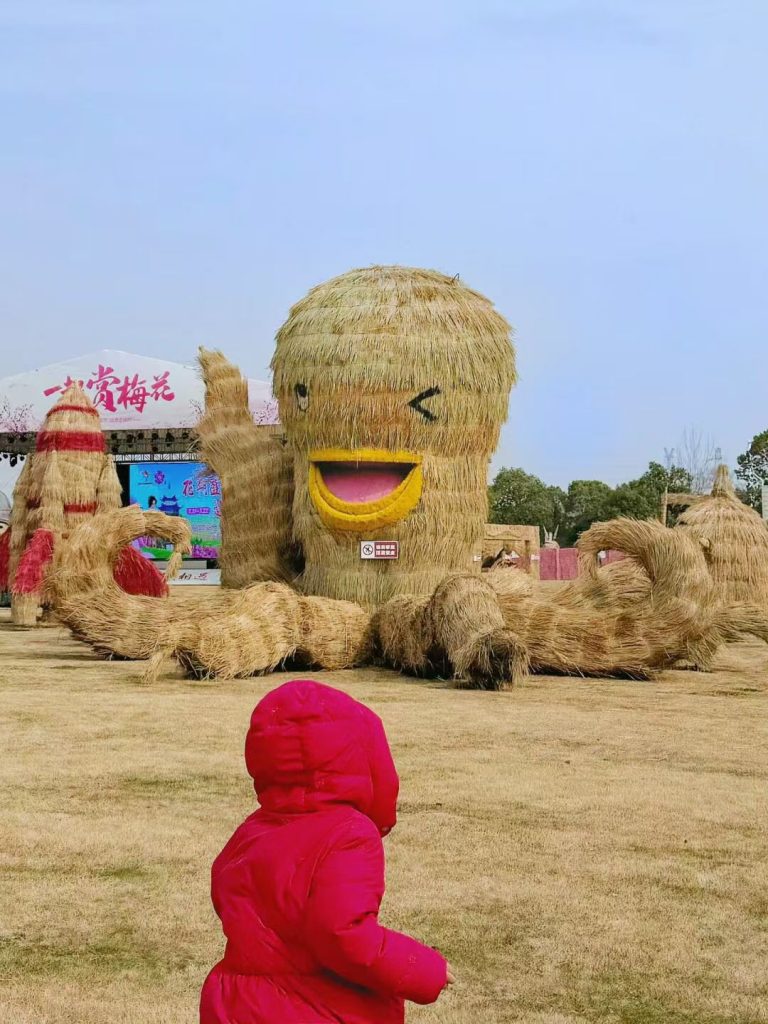
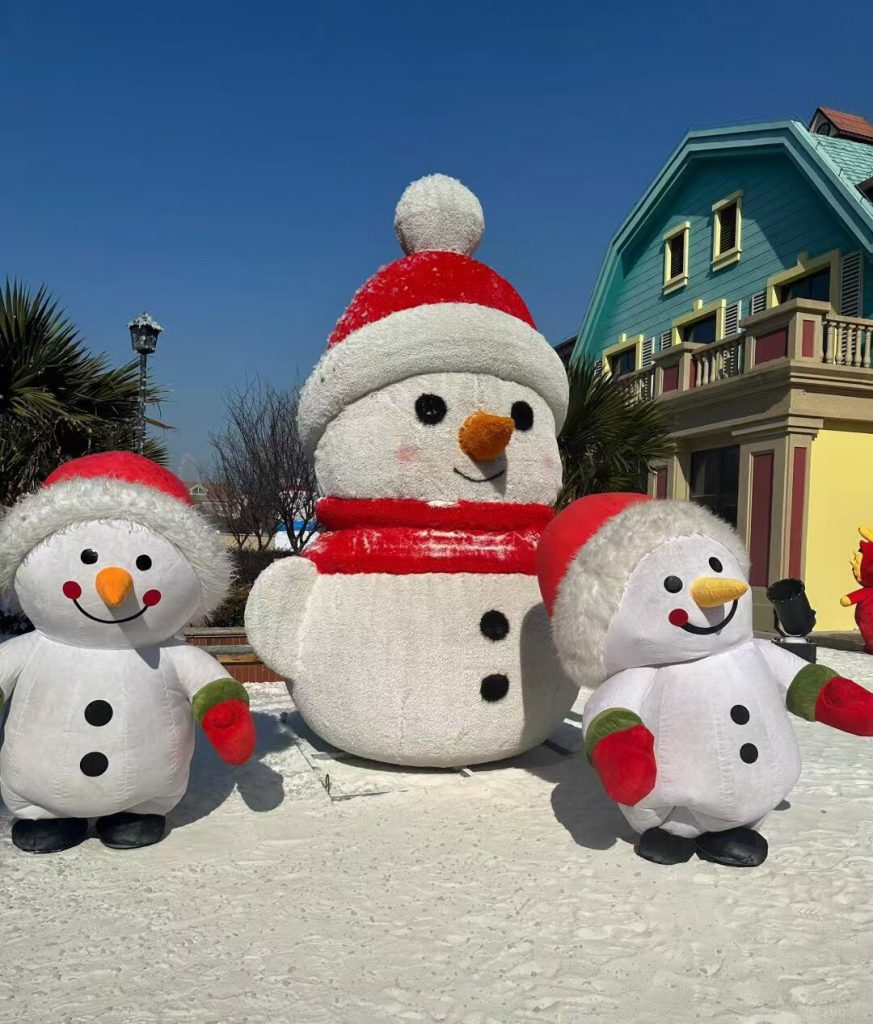
Cartoon characters are the storytellers of our imagination—whimsical, relatable, and eternally youthful. While 2D illustrations and animations capture their essence, custom cartoon character sculptures elevate them into three-dimensional art, bridging the gap between flat screens and physical spaces. These bespoke creations are more than decorative objects; they are tangible narratives, preserving the spirit of beloved characters while adapting them to new contexts. From brand mascots greeting customers to personal tributes to childhood heroes, custom sculptures forge emotional connections that mass-produced merchandise cannot replicate. This article explores the art and science of creating these unique pieces, delving into design philosophy, material innovation, and the journey from sketch to installation. A detailed FAQ section addresses practical considerations for anyone seeking to immortalize a cartoon character in sculptural form.
I. The Essence of Custom Cartoon Character Sculpture: Beyond Replication
-
Fidelity to the Original: Capturing the character’s iconic features (expressions, proportions, color palette) to ensure instant recognition.
-
Adaptation to 3D: Reinterpreting 2D distortions (e.g., oversized heads, simplified anatomy) to look natural in physical form, while enhancing their narrative potential.
II. Core Values: Why Choose a Custom Sculpture?
A. Emotional Resonance: Preserving Nostalgia and Joy
B. Brand and IP Differentiation
C. Interactive Storytelling
III. Design Principles: Crafting a 3D Character That Feels Alive
A. Narrative-Driven Design: What Makes the Character Special?
-
Exaggerated Features: Amplify iconic elements (e.g., a character’s large eyes or floppy ears) to enhance recognition. A shy rabbit might have oversized, downcast eyes; a brave lion could have a mane rendered in textured fiberglass.
-
Dynamic Poses: Depict the character in action (e.g., a superhero mid-flight, a wizard casting a spell) to convey energy. Static poses (standing, sitting) are reserved for more contemplative characters.
-
Contextual Props: Add items that deepen the story—a detective with a magnifying glass, a chef with a ladle, or a astronaut with a miniature rocket.
B. Proportion and Scale: Bridging 2D and 3D
-
Head-to-Body Ratio: In 2D, this might be 1:1; in 3D, it’s typically 1:2 or 1:3 for realism. Designers retain slight exaggeration (e.g., 1:1.5) to preserve cuteness.
-
Limb Length: Shorten legs or arms slightly to counterbalance large heads, ensuring the sculpture stands stably.
-
Texture and Detail: Use surface treatments (e.g., stippling for fur, brushstrokes for clothing) to mimic the original art style without overwhelming the form.
C. Environmental Adaptation: Sculpture in Context
-
Indoor vs. Outdoor: Outdoor pieces require weather-resistant materials (FRP, stainless steel); indoor sculptures can use delicate resins or metals.
-
Spatial Scale: A 1-meter-tall sculpture suits a home garden; a 3-meter piece commands a public plaza.
-
Lighting: Polished surfaces reflect ambient light; matte finishes absorb it, creating different moods.
D. Safety and Accessibility
-
Rounded Edges: Eliminate sharp corners to prevent injuries.
-
Stable Bases: Wide, weighted foundations prevent tipping (critical for windy areas).
-
Non-Toxic Materials: Paints and coatings free of lead or phthalates, with ASTM/EN safety certifications.
IV. Materials: The Foundation of Durability and Aesthetics
A. Resin/Plastic Compounds
-
Pros: Lightweight, affordable, and capable of capturing fine details (e.g., facial expressions, clothing folds). Ideal for small to medium indoor sculptures (0.5–2 meters).
-
Cons: Prone to UV damage and cracking in extreme cold; requires protective coatings for outdoor use.
B. Fiberglass-Reinforced Polymer (FRP)
-
Pros: Strong, weather-resistant, and moldable into complex shapes (e.g., a cartoon octopus with curly tentacles). Used for large outdoor sculptures (2–5 meters).
-
Cons: Requires professional finishing to hide the fiberglass texture.
C. Metal (Stainless Steel, Bronze, Aluminum)
-
Pros: Extremely durable (50+ years). Stainless steel offers a sleek, modern look; bronze develops a charming patina over time. Ideal for public monuments or brand mascots.
-
Cons: Heavy (requires reinforced foundations) and expensive.
D. Eco-Friendly Composites
-
Pros: Made from recycled plastics, bamboo fibers, or bio-resins. Aligns with sustainability goals.
-
Cons: Limited long-term durability data; newer materials still being tested.
E. Hybrid Materials
V. The Manufacturing Process: From Concept to Creation
Step 1: Vision Alignment
-
Client Input: Share reference materials (drawings, animations, descriptions) and define the sculpture’s purpose (e.g., “brand mascot for our café entrance” or “memorial for a child’s favorite book character”).
-
Site Analysis: For public installations, assess space constraints (height, width), lighting, and foot traffic.
Step 2: Concept Development
-
Sketching: Artists create 2D sketches from multiple angles (front, side, ¾ view) to refine proportions.
-
3D Modeling: Using software like ZBrush or Blender, designers build a digital 3D model, adjusting details (fur texture, clothing folds) until the client approves.
-
Color Mockups: Present digital renderings with proposed color palettes (matching the original character or adapting to the environment).
Step 3: Prototype Creation
-
3D Printing: Produce a small-scale prototype (1:10 or 1:5) to check proportions and details.
-
Hand Finishing: Add texture (stippling for fur, brushstrokes for paint) to mimic the original art style.
-
Client Review: Revise the prototype based on feedback (e.g., “make the smile wider” or “add a missing button”).
Step 4: Full-Scale Production
-
Material Selection: Choose based on size, location, and budget (see Section IV).
-
Molding and Casting: For resin/plastic sculptures, create a mold from the approved prototype and pour liquid material. For metal sculptures, cut and weld sheets or cast from a mold.
-
Assembly: Attach limbs, accessories, or armatures (internal metal frames for support).
Step 5: Surface Finishing
-
Painting: Apply layers of non-toxic, UV-resistant paint (airbrushing for gradients, hand-painting for fine details).
-
Sealing: Coat with a protective varnish to prevent fading or scratching.
Step 6: Quality Assurance and Installation
-
Inspection: Check for cracks, loose parts, or color inconsistencies.
-
Installation: For large sculptures, use cranes or scaffolding; for small pieces, provide mounting hardware. Offer training for in-house maintenance.
VI. Applications: Where Custom Cartoon Sculptures Shine
A. Brand Marketing and IP Development
B. Theme Parks and Entertainment Venues
C. Personal and Family Keepsakes
D. Education and Public Spaces
VII. Sustainability: Crafting a Greener Legacy
-
Recycled Materials: Use post-consumer plastics or reclaimed metals.
-
Low-Waste Production: 3D printing generates minimal material scraps compared to traditional sculpting.
-
Longevity by Design: Create modular sculptures with replaceable parts, or biodegradable works (e.g., salt sculptures dissolving in rain).
VIII. FAQ: Custom Cartoon Character Sculpture
Q1: How do I start the custom sculpture process?
A: Begin by sharing reference materials (drawings, videos, descriptions) and defining your goal (e.g., “brand mascot” or “personal keepsake”). The process starts with a discovery call to align on vision, size, and budget.
Q2: Can you replicate a copyrighted character?
A: We can only create sculptures of characters you own or have explicit permission to use (e.g., your brand’s original IP). For licensed characters (e.g., Mickey Mouse), you must provide proof of licensing.
Q3: What materials are best for outdoor sculptures?
A: Fiberglass-reinforced polymer (FRP), stainless steel, or bronze. These resist UV rays, moisture, and temperature swings. Avoid plain resin or plastic for long-term outdoor use.
Q4: How long does the process take?
A: Small sculptures (0.5–1m): 3–4 months. Large installations (3m+): 6–8 months. Rush options are available for an additional fee.
Q5: Can the sculpture be interactive?
A: Yes. We can add moving parts (e.g., waving arms), sound effects (via hidden speakers), or touch sensors. Discuss interactivity during the discovery phase.
Q6: What is the cost range?
A: Small (0.5m): $2,000–$10,000. Medium (1–3m): $10,000–$50,000. Large (3m+): $50,000+. Costs depend on size, material, and complexity.
Q7: Can I make changes after approving the prototype?
A: Minor changes (e.g., color tweaks) are free. Major revisions (e.g., altering the pose) may incur additional fees, as they require re-sculpting.
Q8: How do you ensure the sculpture is safe for children?
A: We follow ASTM F963 (toy safety) and EN 71 standards: rounded edges, non-toxic paints, and stable bases. For very young children, we can add soft padding.
Q9: What if the sculpture gets damaged?
A: We offer repair services: patching cracks, repainting, or replacing parts. For large sculptures, we can design modular components for easy replacement.
Q10: Can the sculpture be moved later?
A: Yes. We design sculptures with disassembly in mind (e.g., bolt-together sections). For heavy pieces, we provide a relocation plan.