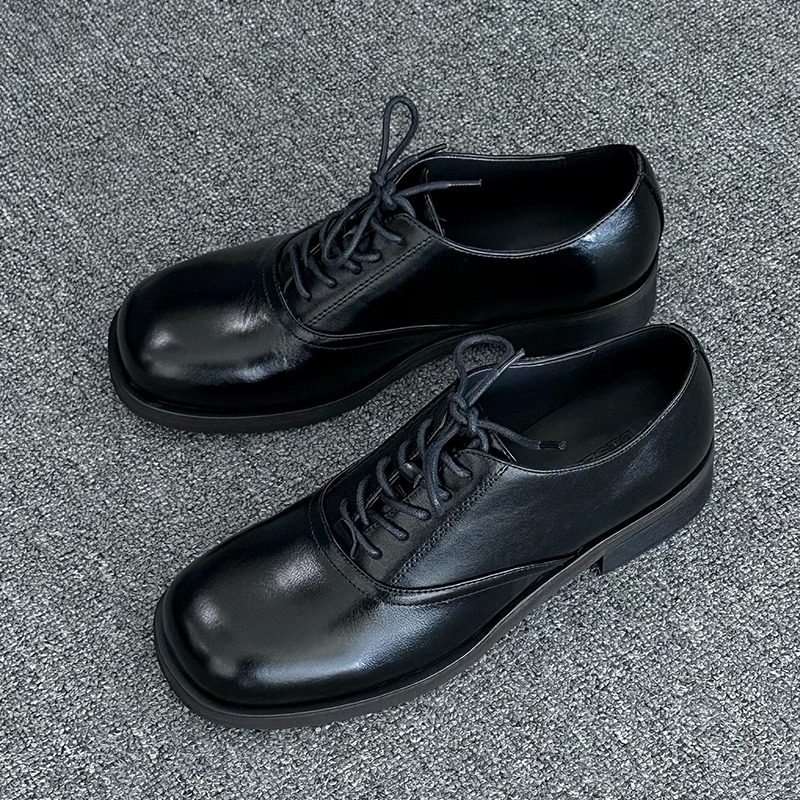
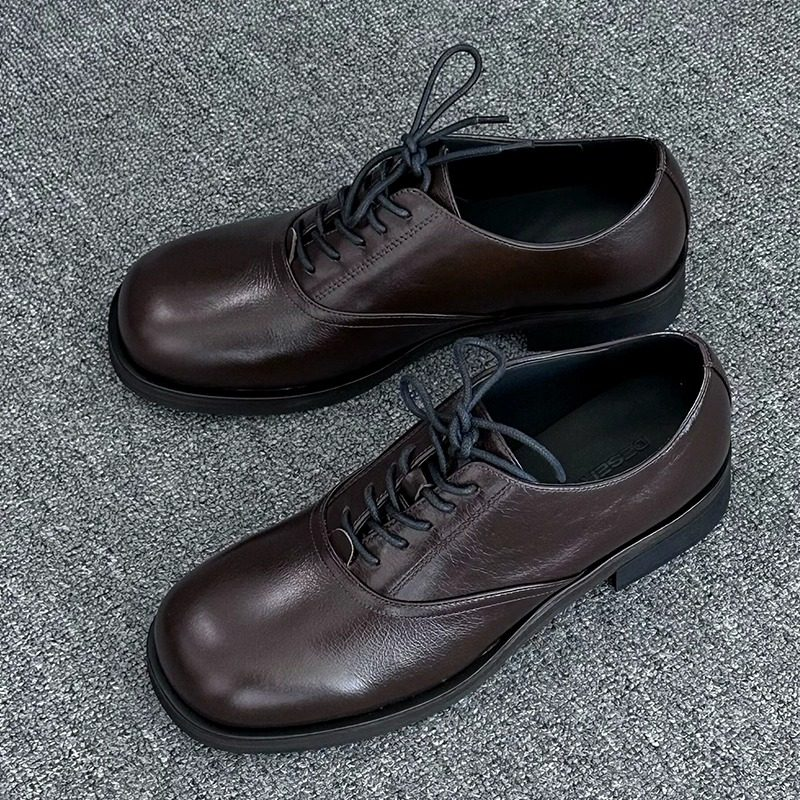
In today’s highly competitive footwear market, brands are looking for more than just standard products. They want flexibility, identity, and control over quality. This is why custom shoe manufacturing and private label production have become essential strategies for global brands, retailers, and startups aiming to stand out in international markets.
From design and material selection to branding and mass production, custom shoe manufacturing allows brands to transform ideas into market-ready footwear tailored to their target customers.
What Is Custom Shoe Manufacturing?
Custom shoe manufacturing refers to the process where footwear is produced according to a brand’s specific requirements rather than using ready-made designs. Brands can customize:
- Shoe style and structure
- Materials and components
- Colors and patterns
- Sizes and fitting standards
- Performance features
- Packaging and branding
This approach gives brands full control over product positioning, quality, and differentiation.
Understanding Private Label Shoe Production
Private label production means shoes are manufactured by a factory but sold under the buyer’s own brand name. The factory handles production, while the brand focuses on marketing, sales, and distribution.
Private label shoe production is ideal for:
- Established footwear brands
- Fashion labels expanding into shoes
- Retail chains and e-commerce sellers
- Startups launching new footwear lines
It significantly reduces development costs while allowing brands to build a strong market identity.
Types of Shoes Commonly Produced for Private Label Brands
Custom shoe manufacturers typically support a wide range of footwear categories, including:
Casual and Fashion Shoes
Sneakers, loafers, slip-ons, sandals, and lifestyle footwear designed for everyday wear.
Sports and Performance Shoes
Running shoes, training shoes, basketball shoes, and other athletic footwear with functional materials and cushioning systems.
Leather Shoes
Formal shoes, business shoes, and premium leather footwear for men and women.
Work and Safety Shoes
Industrial footwear with reinforced toes, anti-slip soles, and durability features.
Children’s Shoes
Lightweight, comfortable designs tailored to growing feet with safety considerations.
The Custom Shoe Manufacturing Process
A professional custom shoe manufacturing and private label production process usually follows these steps:
1. Design and Development
Brands provide sketches, reference samples, or technical specifications. Manufacturers assist with pattern making, mold development, and material selection.
2. Sampling and Prototyping
Samples are produced for fit testing, comfort evaluation, and design confirmation. Adjustments are made before mass production.
3. Material Sourcing
Factories source uppers, soles, fabrics, leather, accessories, and eco-friendly materials based on the brand’s requirements.
4. Mass Production
After sample approval, large-scale production begins with strict quality control at each stage.
5. Branding and Packaging
Private label logos, labels, insoles, boxes, and customized packaging are applied according to brand guidelines.
Advantages for Global Brands
Full Brand Control
Custom manufacturing ensures the product reflects the brand’s identity, from design to packaging.
Cost Efficiency
Compared to in-house production, outsourcing custom shoe manufacturing reduces equipment, labor, and operational costs.
Scalable Production
Manufacturers can support both small trial orders and large-volume global distribution.
Faster Market Entry
Experienced factories streamline development, helping brands launch products faster.
Quality Control and International Standards
Reliable custom shoe manufacturers follow strict quality systems, including:
- Raw material inspection
- In-process production checks
- Final product inspection
- Size and fit consistency testing
Many factories also comply with international standards and export requirements for different regions.
Minimum Order Quantity and Lead Time
MOQ and lead time depend on shoe type, materials, and customization level.
- MOQ: Commonly starts from 500–1,000 pairs per style
- Sample time: 7–15 days
- Mass production: 25–45 days
Clear communication at the beginning helps avoid delays and misunderstandings.
How to Choose the Right Custom Shoe Manufacturing Partner
When selecting a private label shoe manufacturer, global brands should consider:
- Manufacturing experience and specialization
- Sample quality and consistency
- Communication and responsiveness
- Customization capabilities
- Export and logistics experience
A strong manufacturing partner acts as an extension of the brand’s supply chain, not just a supplier.
Sustainability and Future Trends
More global brands are requesting sustainable footwear solutions, including:
- Recycled or bio-based materials
- Water-based adhesives
- Reduced packaging waste
- Energy-efficient production processes
Custom shoe manufacturing allows brands to integrate sustainability into their products without compromising performance or style.
Conclusion
Custom shoe manufacturing and private label production provide global brands with the flexibility, quality control, and scalability needed to succeed in international markets. By working with experienced manufacturers, brands can turn creative concepts into competitive footwear products while maintaining full ownership of their brand identity.
As consumer demand continues to evolve, customized and private label footwear will remain a key growth strategy for brands worldwide.
Article link:https://www.vlefooena.com/custom-shoe-manufacturing-private-label-production-for-global-brands/


No reply content