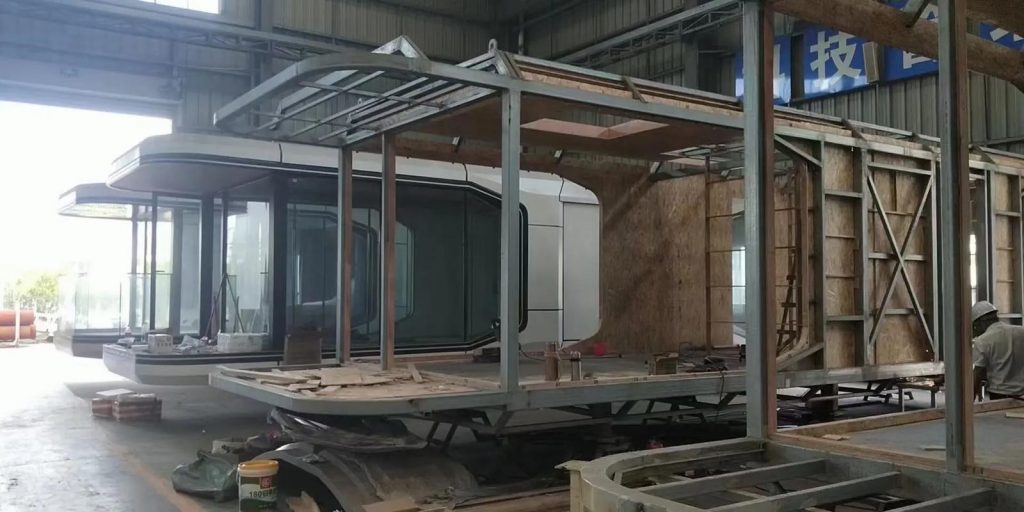
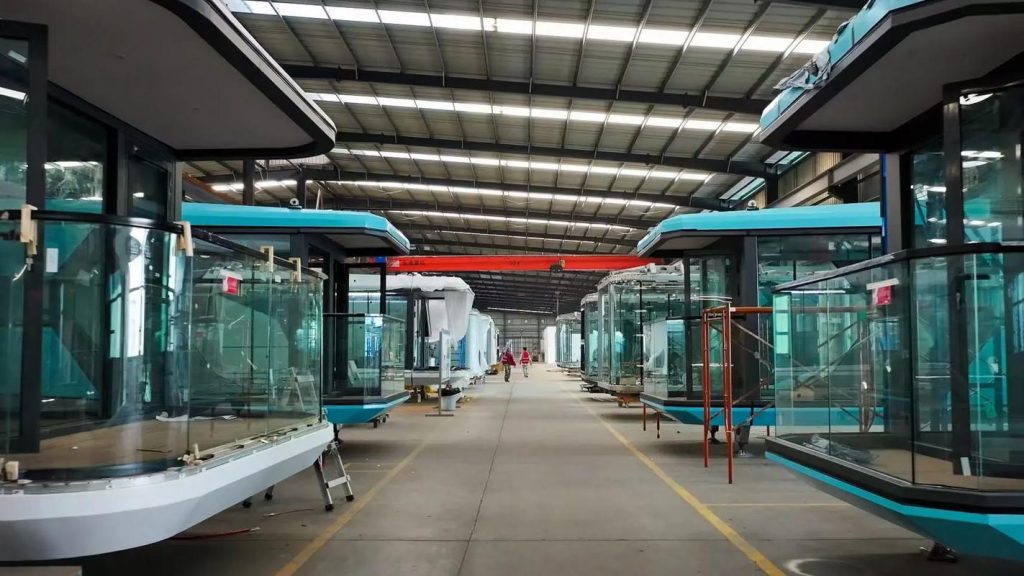
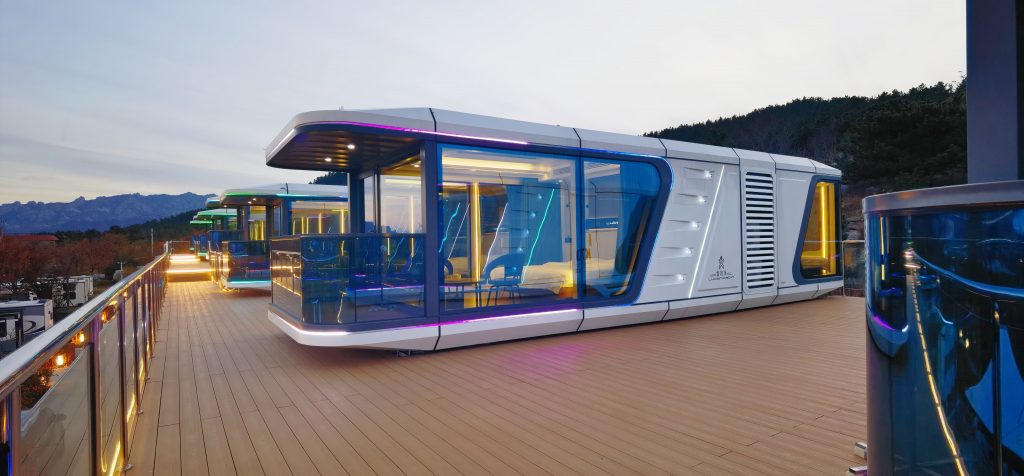
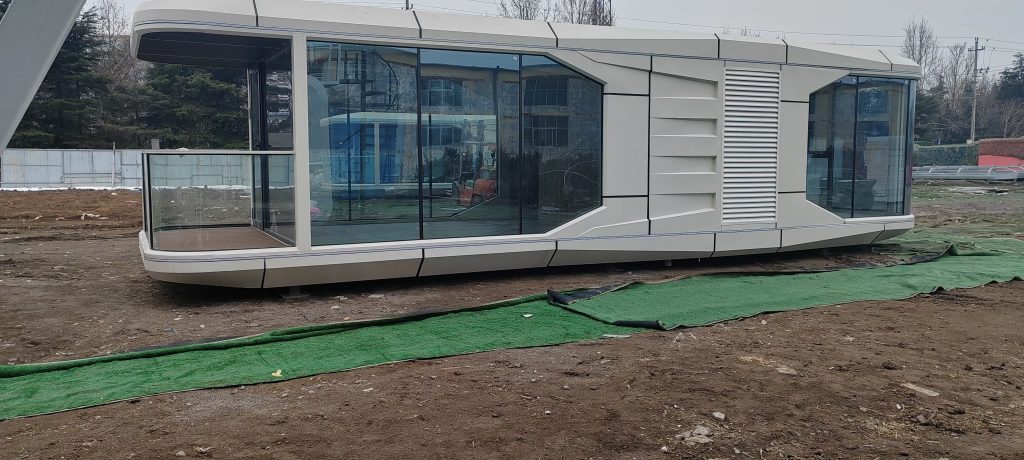
In an era defined by climate urgency and the need for sustainable infrastructure, the construction industry faces a pivotal challenge: balancing growth with environmental stewardship. Eco-friendly factory-made modular units have emerged as a transformative solution, merging industrial efficiency with green design to deliver high-quality, export-ready spaces. These units are not just buildings—they are statements of responsible innovation, engineered to minimize ecological footprints while maximizing adaptability for global markets. By prioritizing recycled materials, energy independence, and circular lifecycle design, they redefine what it means to build sustainably. This article explores how these modular units embody eco-conscious manufacturing, their technical advantages, and their role as a leading export solution for a greener world.
1. Factory-Made Sustainability: Reducing Waste, Maximizing Efficiency
Traditional construction is notorious for its environmental toll: 30–40% of global waste stems from building activities, and on-site processes often lead to excessive energy use and carbon emissions. Eco-friendly modular units flip this script by shifting production to controlled factory environments, where precision engineering slashes waste and optimizes resource use.
Zero-Waste Manufacturing
Factories leverage digital design software (BIM) to map material usage down to the millimeter, ensuring every steel beam, composite panel, and insulation sheet is cut with minimal offcuts. Leftover materials—such as steel scraps or wood offcuts—are recycled into new components, achieving a 95% material utilization rate (compared to 60–70% in traditional builds). For example, a 50-unit modular project generates less than 2 tons of waste, versus 15–20 tons for an equivalent site-built structure.
Energy-Efficient Production
Factory operations run on renewable energy grids where possible, with solar panels and wind turbines powering machinery. Automated systems further reduce energy use: robotic arms consume 30% less power than manual labor for tasks like welding or panel assembly. The result? A 40m² modular unit is manufactured with a carbon footprint 50% lower than a conventionally built equivalent.
2. Modular Design: The Backbone of Circular Construction
Modularity itself is inherently eco-friendly. By breaking structures into reusable, reconfigurable components, these units embrace the circular economy—a model that prioritizes reuse, repair, and recycling over linear “take-make-waste” practices.
Reconfigurable and Expandable
A base modular unit (e.g., 20m²) can be linked with additional modules to form larger spaces (40m², 60m², or more) without new materials. If needs change—say, a pop-up shop expands into a permanent store—old modules are disassembled and repurposed elsewhere. This “plug-and-play” flexibility extends a unit’s lifecycle from 20 to 50+ years, depending on use.
Disassembly and Recycling
At end-of-life, 98% of a modular unit’s components are recyclable. Steel frames are melted down for new construction, composite panels are shredded for insulation, and wiring is stripped for copper reuse. Even biodegradable elements (like bamboo flooring) decompose naturally, leaving no toxic residue.
3. Eco-Friendly Materials: Nature-Inspired Innovation
The choice of materials defines a modular unit’s environmental impact. Eco-friendly units prioritize low-carbon, recycled, and renewable resources, avoiding harmful chemicals and unsustainable sourcing.
Structural Materials
-
Recycled Steel: Frames use 85–90% post-consumer steel (e.g., from decommissioned vehicles or buildings), reducing mining demand and CO₂ emissions by 60% compared to virgin steel.
-
Cross-Laminated Timber (CLT): For non-load-bearing walls, FSC-certified CLT from sustainably managed forests stores carbon (1 ton of CLT sequesters 1.8 tons of CO₂).
-
Fiber-Reinforced Polymers (FRP): Lightweight and corrosion-resistant, FRP replaces aluminum in coastal units, cutting energy use in production by 40%.
Insulation and Finishes
-
Bio-Based Insulation: Sheep’s wool, hemp, and mushroom mycelium composites replace petroleum-based foams. These materials are breathable, non-toxic, and have a 50-year lifespan.
-
Low-VOC Paints: Water-based, plant-derived coatings emit zero volatile organic compounds (VOCs), ensuring healthy indoor air quality.
-
Recycled Composite Panels: Exteriors use panels made from 70% recycled plastic bottles and agricultural waste, resistant to UV rays and extreme temperatures.
4. Energy Independence: Powering a Greener Future
Eco-friendly modular units go beyond reducing waste—they actively generate clean energy. Integrated systems make them self-sufficient, even in remote export destinations.
Solar Integration
Roofs are fitted with high-efficiency monocrystalline solar panels (20–22% efficiency), generating 3–5 kWh daily per 10m² of surface area. This powers LED lighting, HVAC systems, and small appliances, with excess energy stored in lithium-ion batteries (5–10 kWh capacity) for nighttime use. A 30m² unit can achieve net-zero energy consumption in sunny climates.
Passive Design for Efficiency
Strategic orientation minimizes energy needs: large south-facing windows (in the Northern Hemisphere) maximize winter sun, while overhangs block summer heat. Cross-ventilation systems use natural airflow to cool interiors, reducing AC use by 40%. In colder regions, vacuum-insulated panels (VIPs) retain heat, cutting heating costs by 50%.
Water Conservation
Rainwater harvesting systems collect and filter water for toilets and irrigation, while greywater recycling units treat sink/shower water for reuse. Dual-flush toilets and low-flow faucets further reduce consumption by 30%.
5. Export Readiness: Adapting to Global Green Standards
To succeed in export markets, modular units must meet diverse environmental regulations and cultural preferences. Manufacturers engineer them for universal adaptability while adhering to strict eco-standards.
Compliance with International Certifications
Units are designed to exceed global benchmarks:
-
LEED/BREEAM: Achieve Platinum ratings via recycled materials, energy efficiency, and water conservation.
-
Cradle to Cradle (C2C): Certified for material health, recyclability, and renewable energy use.
-
ISO 14001: Environmental management systems ensure compliance with EU, US, and Asian green building codes.
Regional Climate Adaptation
-
Arctic Regions: Extra VIP insulation (-40°C tolerance) and heated flooring prevent freezing.
-
Tropical Zones: Reflective roof coatings (albedo >0.8) and insect-proof screens combat heat and pests.
-
Coastal Areas: Salt-resistant FRP cladding and stainless steel fasteners resist corrosion.
Logistical Efficiency
Units are flat-packed into 20ft/40ft containers (4–6 units per container), reducing shipping emissions by 35% compared to bulk material transport. On-site assembly requires no concrete (optional screw piles minimize ground disturbance), making them ideal for ecologically sensitive areas like wetlands or forests.
6. Real-World Applications: Driving Global Change
Eco-friendly modular units are already transforming communities worldwide, proving their value in diverse scenarios.
Affordable Green Housing
In Southeast Asia, 50-unit modular villages provide low-income families with homes that cost 40% less than brick-and-mortar equivalents. Solar power and rainwater harvesting cut utility bills by 60%, improving quality of life without straining local resources.
Disaster-Relief Shelters
After wildfires in Australia, modular units with fire-resistant CLT walls and solar generators offered immediate, safe housing. Their portability allowed rapid deployment to remote areas, with disassembly planned once permanent homes are rebuilt.
Eco-Tourism Hubs
In Costa Rica, modular glamping pods blend into rainforests with bamboo exteriors and green roofs. They generate their own power, treat wastewater on-site, and educate guests on sustainability—boosting eco-tourism revenue by 25%.
Conclusion: The Future of Green Export Solutions
Eco-friendly factory-made modular units are more than a product—they are a blueprint for sustainable development. By merging precision manufacturing with circular design, renewable energy, and global adaptability, they address the dual challenges of housing shortages and climate change. For export markets, they offer a turnkey solution: high-quality, low-impact structures that comply with international standards and respect local ecosystems.
As nations and businesses prioritize green infrastructure, these modular units will play a pivotal role in building a resilient, equitable future. They prove that sustainability and scalability can coexist—and that the best way to go global is to go green. For anyone seeking to invest in export solutions that matter, eco-friendly modular units are not just an option—they are the future of responsible construction.
Article link:https://www.vlefooena.com/eco-friendly-factory-made-modular-units-high-quality-export-solutions/


No reply content