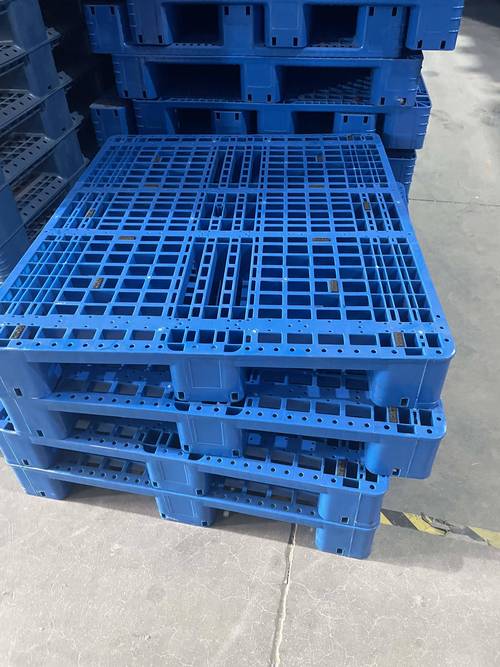
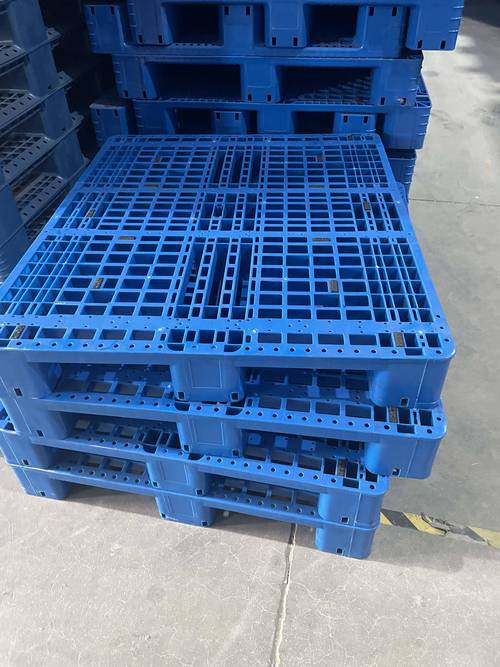
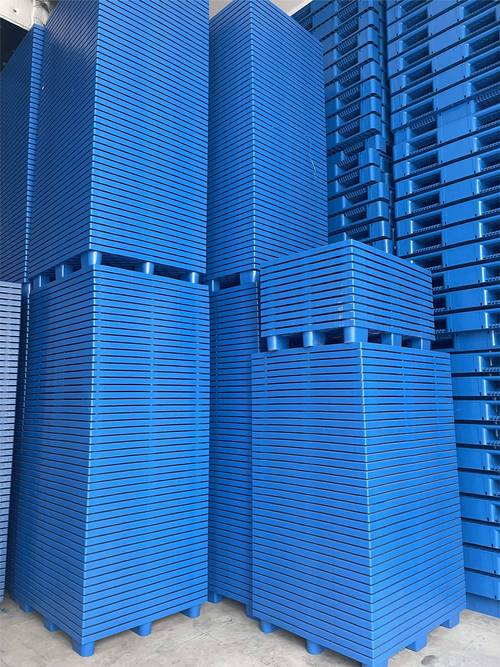
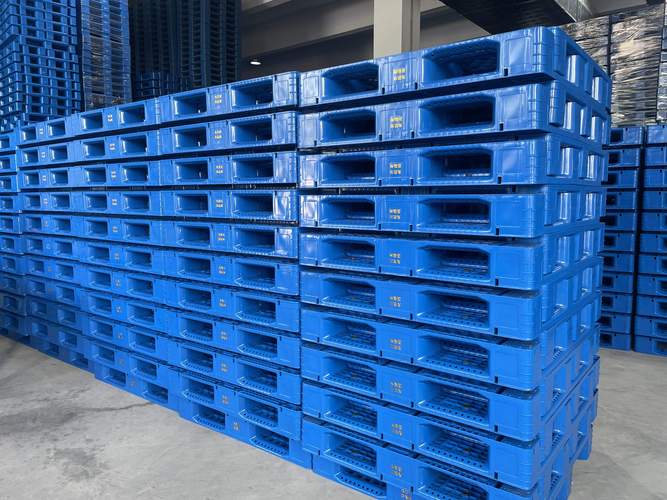
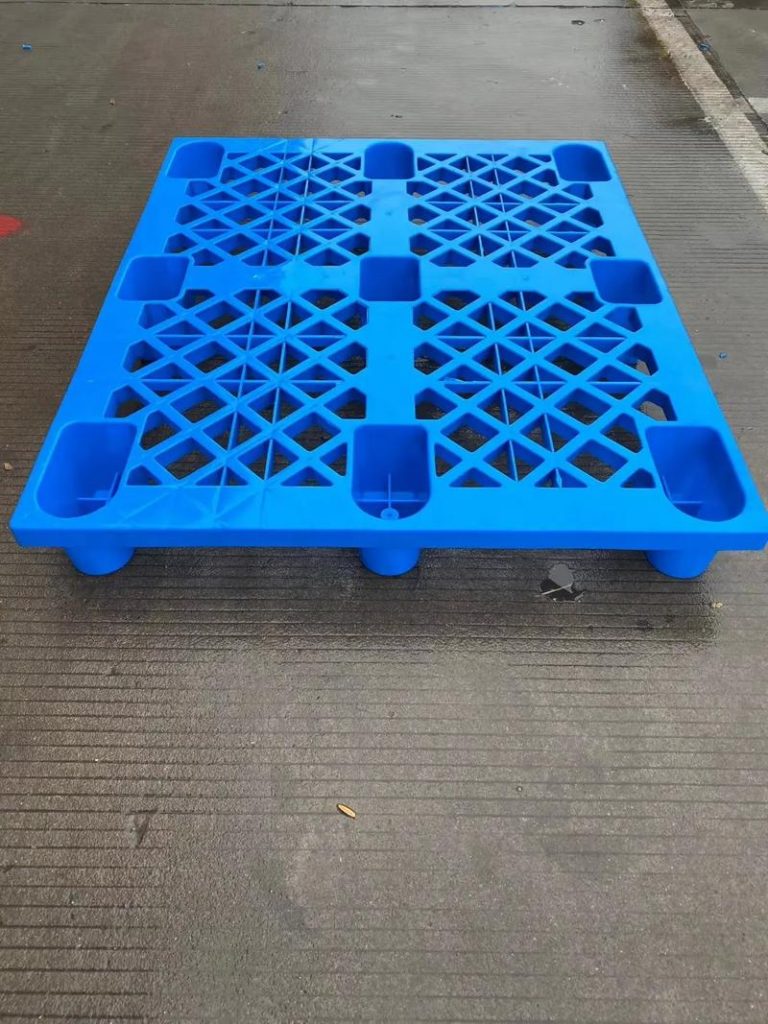
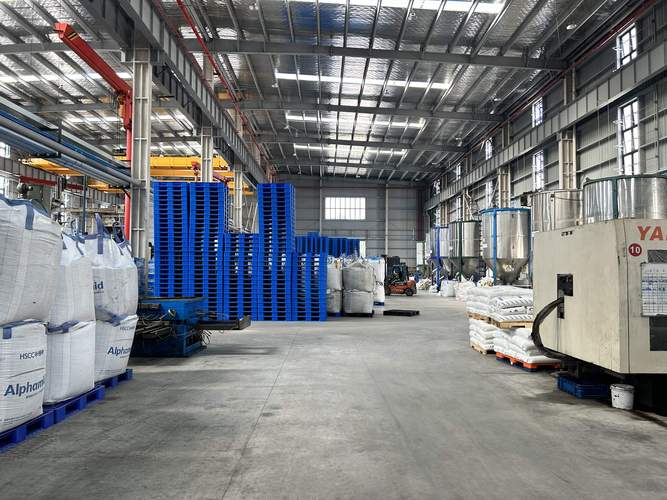
Plastic pallets have become a standard component in global logistics due to their durability, hygiene, and cost-effectiveness. Businesses worldwide, including distributors, manufacturers, and retailers, increasingly turn to China as a primary source for these pallets. However, importing plastic pallets requires careful planning, supplier selection, and quality assurance to ensure smooth transactions. This guide provides essential tips for buying plastic pallets from China for export, helping businesses make informed decisions and maximize efficiency.
1. Understand Your Business Requirements
Before sourcing from China, clearly define your requirements:
- Type of Pallet: Choose among stackable, nestable, ventilated, solid deck, or customized pallets.
- Material Needs: HDPE or PP pallets offer durability, chemical resistance, and hygiene.
- Load Capacity: Assess maximum static and dynamic loads to ensure pallets meet operational requirements.
- Quantity: Determine your order volume based on warehouse space, shipping needs, and projected usage.
- Budget: Include unit cost, shipping, customs duties, and storage when planning your budget.
Understanding your requirements allows you to target suppliers effectively and avoid unnecessary costs.
2. Research Reputable Suppliers
Selecting a reliable Chinese manufacturer is crucial:
- Verify Factory Credentials: Ensure ISO 9001 certification and production capability.
- Experience in Exports: Look for suppliers with proven track records in international shipping and customs compliance.
- Product Range: Ensure the factory produces the types of pallets you require.
- References and Reviews: Seek feedback from previous buyers about quality, reliability, and delivery times.
- Communication Skills: Effective communication helps prevent misunderstandings and mistakes.
Using B2B platforms like Alibaba, Made-in-China, or attending trade fairs can help identify trustworthy suppliers.
3. Evaluate Product Quality
High-quality pallets are essential for safe and efficient logistics. Consider:
- Material Quality: Ensure HDPE or PP is used for durability and chemical resistance.
- Dimensions and Weight: Check for uniformity to ensure compatibility with forklifts and racking systems.
- Load Testing: Verify that pallets can handle expected loads without bending or breaking.
- Hygiene Compliance: For food, pharmaceutical, or medical use, confirm that pallets are easy to sanitize and non-toxic.
Requesting samples before placing bulk orders is highly recommended to assess quality firsthand.
4. Negotiate Terms and Pricing
Negotiation ensures competitive pricing and favorable conditions:
- Bulk Discounts: Larger orders often come with lower unit prices.
- Payment Terms: Use secure payment methods such as letters of credit, T/T, or verified trade platforms.
- Incoterms: Clarify responsibilities for shipping, insurance, and customs (FOB, CIF, DDP).
- Delivery Timeline: Confirm production lead time and shipping schedules to avoid delays.
Clear agreements reduce the risk of misunderstandings and protect your investment.
5. Consider Customization Options
Many Chinese manufacturers offer pallet customization:
- Dimensions and Load Capacity: Tailor pallets to fit storage racks, forklifts, and shipping containers.
- Color Coding: Use different colors for inventory management or branding purposes.
- Logo Printing: Enhance brand visibility during storage and transport.
- Special Features: Anti-slip surfaces, reinforced corners, or RFID integration for smart logistics.
Customized pallets can improve operational efficiency and strengthen brand identity.
6. Conduct Pre-Production and In-Process Inspections
Quality control is essential for smooth exporting:
- Pre-Production Inspection: Verify raw materials and production methods.
- In-Process Inspection: Randomly check pallets during production for dimensional accuracy and load capacity.
- Pre-Shipment Inspection: Ensure finished pallets are free from defects, properly packaged, and ready for export.
Third-party inspection services can provide professional verification, reducing risk and ensuring compliance.
7. Manage Shipping and Logistics
Efficient logistics are crucial for exporting:
- Shipping Method: Sea freight is cost-effective for bulk orders, air freight for urgent shipments, and express courier for samples.
- Proper Packaging: Pallets should be stacked, shrink-wrapped, or strapped securely to prevent damage.
- Customs Documentation: Include invoices, packing lists, certificates of origin, and any other required documents.
- Insurance: Protect shipments against loss or damage during transit.
Careful planning and coordination minimize delays and unexpected costs.
8. Comply with Import Regulations
Exporting pallets requires compliance with your country’s regulations:
- Material Standards: Ensure pallets meet environmental, safety, and hygiene standards.
- Import Duties and Taxes: Understand applicable tariffs, VAT, or other fees.
- Inspection Procedures: Be prepared for customs inspections to verify compliance.
Working with experienced customs brokers simplifies the process and reduces risks.
9. Build Long-Term Supplier Relationships
Developing a reliable relationship with your Chinese supplier provides ongoing benefits:
- Priority Production: Long-term partners prioritize your orders during peak demand.
- Consistent Quality: Reliable suppliers maintain high-quality standards across multiple shipments.
- Negotiated Pricing: Loyalty can result in better rates and flexible payment terms.
- Flexibility: Easier to request custom dimensions, materials, or branding.
Strong supplier relationships improve reliability and efficiency in the long term.
10. Plan for Future Growth
When buying pallets for export, consider future business needs:
- Scalability: Choose suppliers capable of handling increased order volumes as your business grows.
- Innovation: Monitor new pallet designs, smart tracking, or eco-friendly materials offered by suppliers.
- Market Expansion: Ensure suppliers can ship to multiple destinations efficiently.
Planning ahead ensures that your sourcing strategy supports growth and sustainability.
Conclusion
Buying plastic pallets from China for export can provide businesses with durable, cost-effective, and versatile logistics solutions. By understanding your requirements, carefully selecting suppliers, evaluating quality, negotiating favorable terms, managing logistics, and complying with regulations, you can ensure a smooth and profitable importing process. Long-term supplier relationships, customization options, and forward planning further enhance operational efficiency and business growth. With these essential tips, businesses can confidently source Chinese plastic pallets for successful international trade.
Article link:https://www.vlefooena.com/essential-tips-for-buying-plastic-pallets-from-china-for-export/


No reply content