
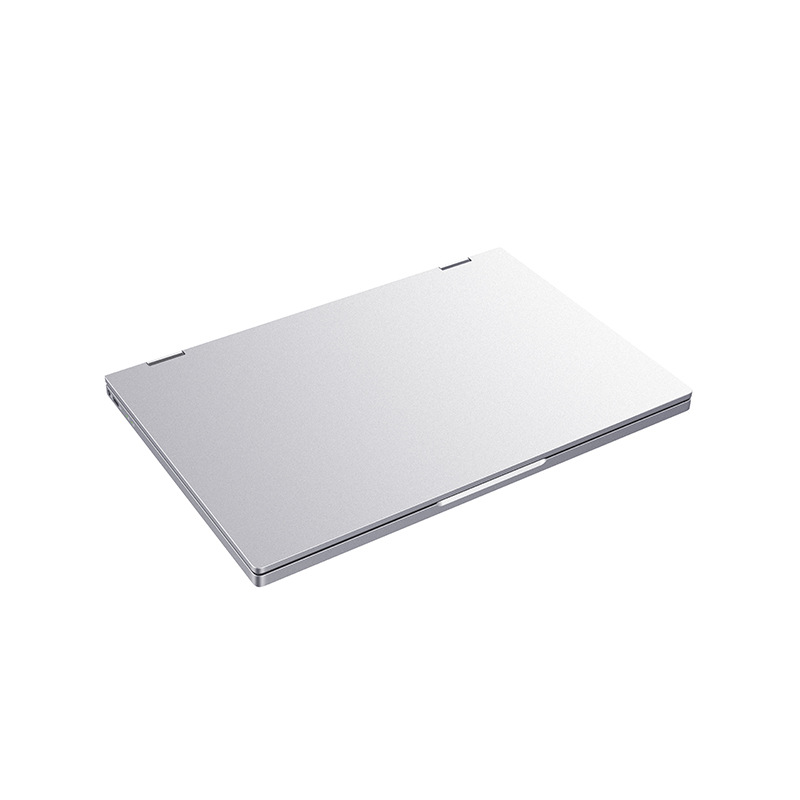
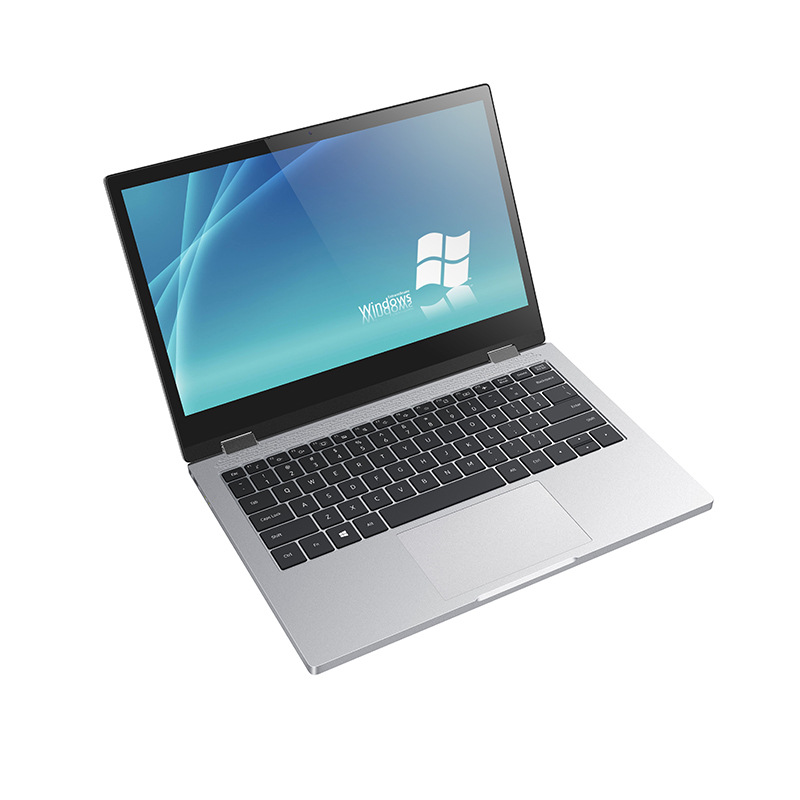
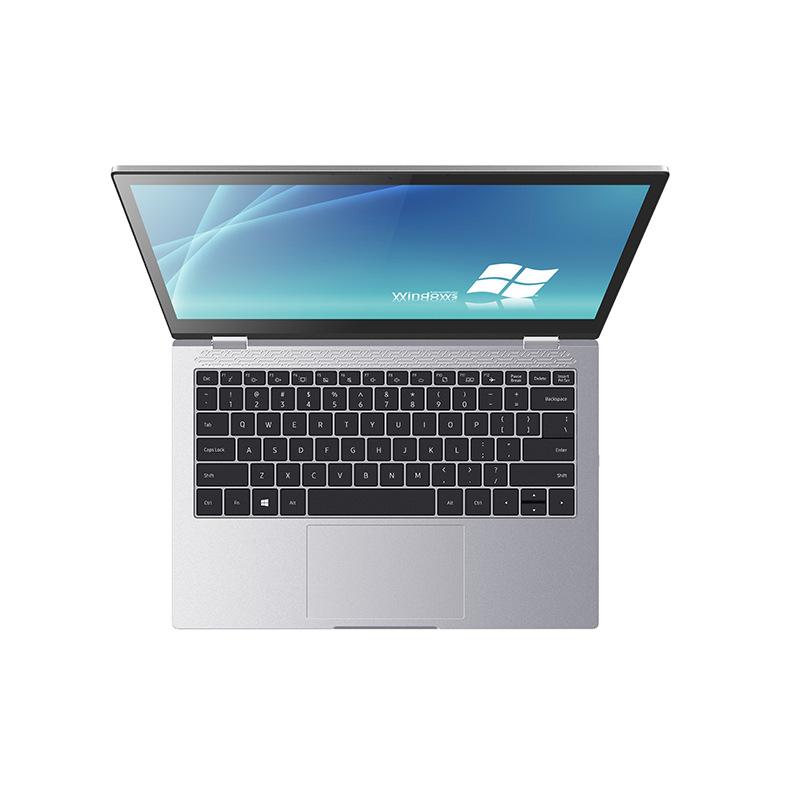
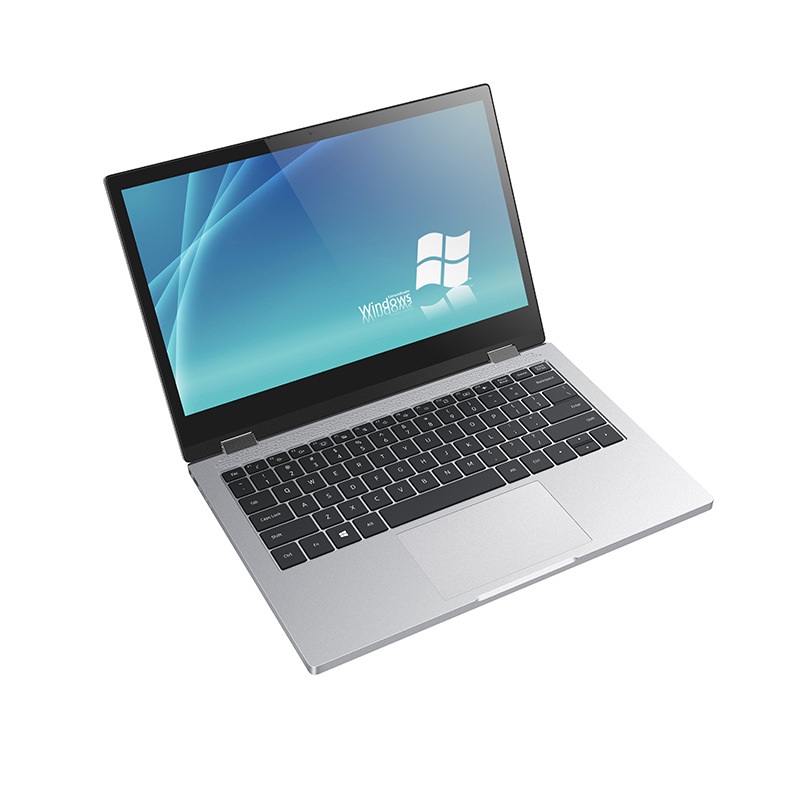
A deep, factory-level look at how modern laptop computers are engineered, assembled, tested, and delivered at scale. Covering design capability, motherboard integration, supply chain control, quality assurance systems, customization services, production capacity, and global export experience. Built on real manufacturing expertise and transparent operational standards.
Introduction: Why Choosing the Right Laptop Manufacturer Matters
The global laptop market is one of the most technically demanding sectors in consumer electronics. Unlike simple electronic products, a laptop integrates:
- High-performance processors
- Complex motherboard architecture
- Thermal management systems
- Display panel integration
- Battery engineering
- Firmware and BIOS optimization
- Compliance certifications
- Long-term reliability testing
For brands, distributors, and institutional buyers, selecting a professional laptop manufacturing factory is not simply about price—it is about engineering capability, supply chain stability, quality control discipline, and after-sales accountability.
As an experienced laptop OEM & ODM manufacturing facility, we operate under structured electronics production standards. Our approach combines hardware engineering, production scalability, and global export compliance.
This article offers a comprehensive look at how a professional laptop factory functions—designed to meet E-E-A-T principles: real experience, technical expertise, manufacturing authority, and operational transparency.
1. What Defines a Professional Laptop Manufacturing Factory?
A true laptop factory is not just an assembly line. It integrates research, electronic engineering, supply chain coordination, automated production, and strict quality testing.
Core Capabilities Include:
- PCB (Printed Circuit Board) assembly lines (SMT)
- Motherboard design & layout optimization
- Thermal solution engineering
- Mechanical housing production
- Firmware customization (BIOS, EC firmware)
- Display integration
- Battery testing labs
- Reliability testing facilities
- Cleanroom assembly zones
Factories lacking SMT and engineering capabilities typically rely on external suppliers and cannot fully control quality consistency.
2. Our Manufacturing Experience and Technical Background
Our production team includes:
- Hardware engineers
- BIOS and firmware developers
- SMT technicians
- Quality assurance managers
- Supply chain specialists
- Mechanical design engineers
We have developed and manufactured:
- Entry-level education laptops
- Business notebooks
- Rugged industrial laptops
- Gaming laptops
- Lightweight ultrabooks
- Customized government and enterprise devices
Our engineering approach ensures every product is structurally optimized and performance-balanced.
3. The Complete Laptop Production Process
Laptop manufacturing involves multiple synchronized stages.
Step 1: Product Planning & Engineering Design
Before production begins:
- CPU platform selection (Intel / AMD / ARM)
- GPU configuration
- RAM architecture planning
- Storage configuration
- Cooling system design
- Battery capacity selection
- Port layout planning
Our engineering team ensures compatibility and long-term component availability.
Step 2: Motherboard SMT Assembly
SMT (Surface Mount Technology) is the foundation of electronics manufacturing.
Process includes:
- Solder paste printing
- Component placement via high-speed machines
- Reflow soldering
- AOI (Automated Optical Inspection)
- X-ray inspection
Every motherboard undergoes strict inspection before moving to next stage.
Step 3: Mechanical Housing Production
Laptop housings may use:
- ABS plastic
- Aluminum alloy
- Magnesium alloy
- Carbon fiber composites
Mechanical engineering ensures:
- Structural rigidity
- Heat dissipation efficiency
- Lightweight design
- Drop resistance
Step 4: Thermal System Integration
Heat management is critical in laptop performance.
We design:
- Copper heat pipes
- Vapor chamber systems
- Active cooling fan systems
- Optimized airflow channels
Thermal simulation testing ensures CPU and GPU stability under full load.
Step 5: Display & Panel Integration
Panel options include:
- TN
- IPS
- OLED
- High refresh rate panels
- Touchscreen integration
Each panel undergoes:
- Dead pixel testing
- Color calibration
- Brightness uniformity inspection
Step 6: Final Assembly Line
The assembly includes:
- Keyboard installation
- Battery installation
- Screen alignment
- Speaker integration
- I/O port inspection
- BIOS flashing
Each unit is assembled in ESD-protected environments.
Step 7: System Testing & Burn-In
Every laptop undergoes:
- Boot testing
- CPU stress testing
- GPU load testing
- RAM stability testing
- Battery cycle test
- WiFi and Bluetooth verification
- USB and HDMI port testing
Burn-in testing typically runs 4–24 hours depending on model.
4. Quality Control & Reliability Standards
We implement multi-layer quality control:
IQC (Incoming Quality Control)
Component-level inspection.
IPQC (In-Process Quality Control)
Inspection during assembly.
FQC (Final Quality Control)
Full system testing.
OQC (Outgoing Quality Control)
Pre-shipment random sampling.
Additionally, we perform:
- Drop testing
- Vibration testing
- High/low temperature testing
- Humidity testing
5. OEM & ODM Customization Capabilities
We support:
OEM Services
- Private label branding
- Logo printing
- Custom packaging
- BIOS customization
- Software preload
ODM Services
- Custom motherboard design
- Custom chassis design
- Port configuration changes
- Specialized industrial versions
Customization is available for education projects, government tenders, and enterprise deployment.
6. Production Capacity & Scalability
Our factory supports:
- Small trial production
- Medium-scale brand launches
- Large institutional procurement
Monthly production capacity can reach tens of thousands of units depending on configuration.
Production scheduling is transparent and coordinated with clients.
7. Supply Chain Stability
We maintain strategic partnerships with:
- CPU suppliers
- Memory manufacturers
- SSD suppliers
- Display panel factories
- Battery producers
Stable sourcing reduces delays and protects long-term production continuity.
8. Compliance & Certification
We support global certification requirements such as:
- CE
- FCC
- RoHS
- UL
- Energy efficiency standards
Compliance documentation can be provided for import clearance and tender submissions.
9. Export & Logistics Experience
We export worldwide and manage:
- Carton labeling compliance
- HS code classification
- Palletization
- Container optimization
- Air & sea freight coordination
Our logistics team ensures smooth global delivery.
FAQ — Frequently Asked Questions
1. Can you manufacture customized laptop computers?
Yes.
We provide full OEM & ODM services including:
- Custom hardware configuration
- CPU and GPU selection
- RAM and SSD customization
- Logo branding
- BIOS customization
- Software preload
Engineering consultation is provided before confirmation.
2. What is your MOQ (Minimum Order Quantity)?
MOQ depends on configuration:
- Standard models: typically 100–300 units
- Customized chassis design: higher MOQ required
- Government or enterprise projects: negotiable
Small trial orders may be supported for long-term partners.
3. What is the production lead time?
Lead time depends on configuration and quantity:
- Standard configuration: 15–30 days
- Custom OEM orders: 30–45 days
- Fully customized ODM projects: 45–90 days
Lead time begins after deposit and final specification confirmation.
4. Do you have ready stock available?
Yes, certain standard models may be available in limited stock.
Stock availability changes based on market demand and component supply.
Most customized laptops are produced upon order confirmation.
Contact us for real-time inventory updates.
5. Do you provide warranty and after-sales support?
Yes.
We provide:
- 1–3 year warranty options
- Spare parts supply
- Remote technical support
- Firmware update service
- Replacement policy agreements
Conclusion: Manufacturing Excellence Through Engineering Discipline
Laptop manufacturing requires precision, supply chain coordination, engineering validation, and strict quality management.
A professional factory does more than assemble components—it builds integrated systems that must perform reliably for years.
When selecting a manufacturing partner, consider:
- Engineering depth
- Production capacity
- Quality assurance systems
- Certification support
- Supply chain reliability
- Transparent communication
Our commitment is to deliver stable, scalable, and performance-driven laptop solutions for global clients.
If you require technical specifications, OEM quotation, or production planning consultation, our engineering and sales teams are ready to assist.
Let’s build your next-generation computing solution with precision and trust.


No reply content