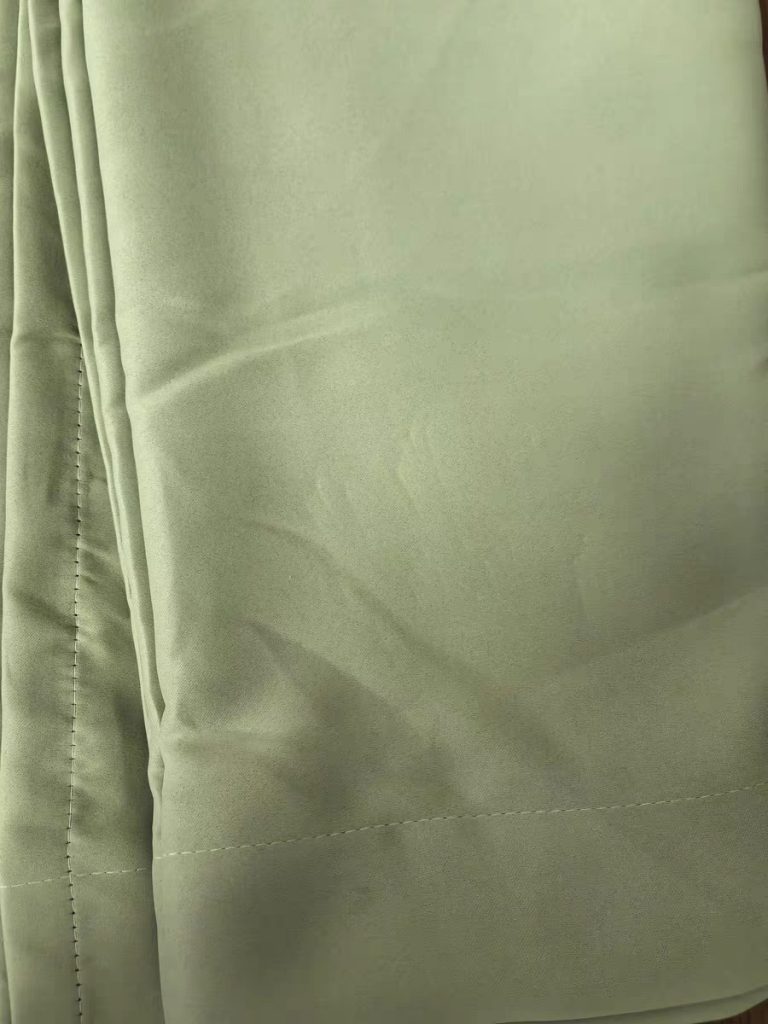
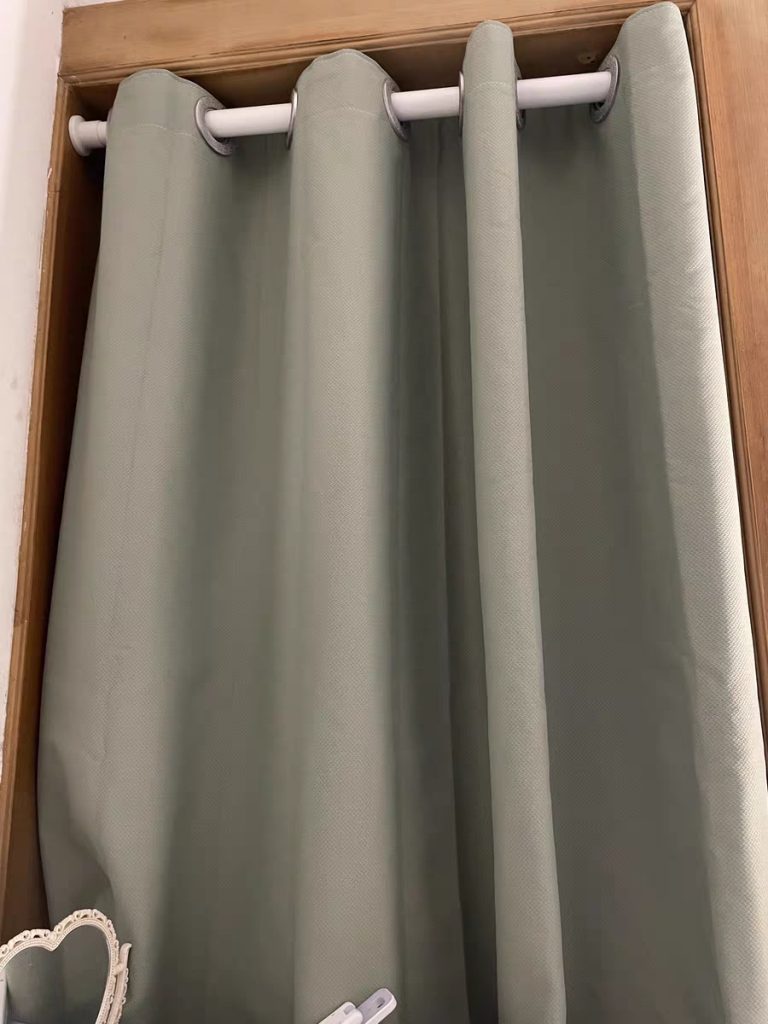
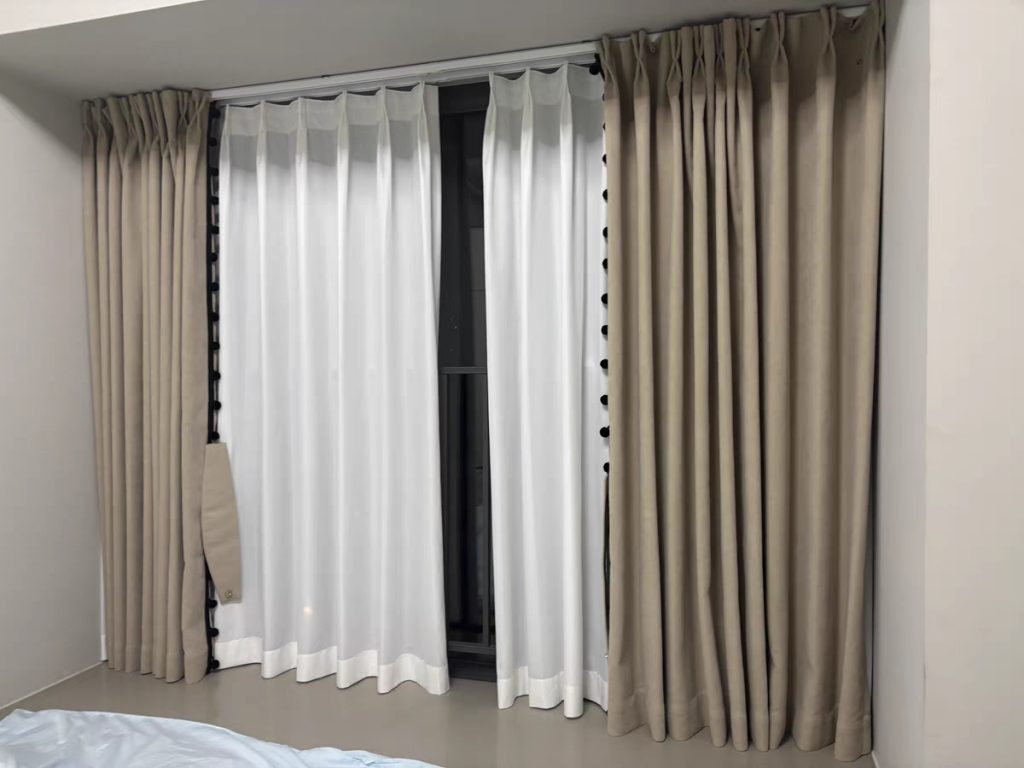
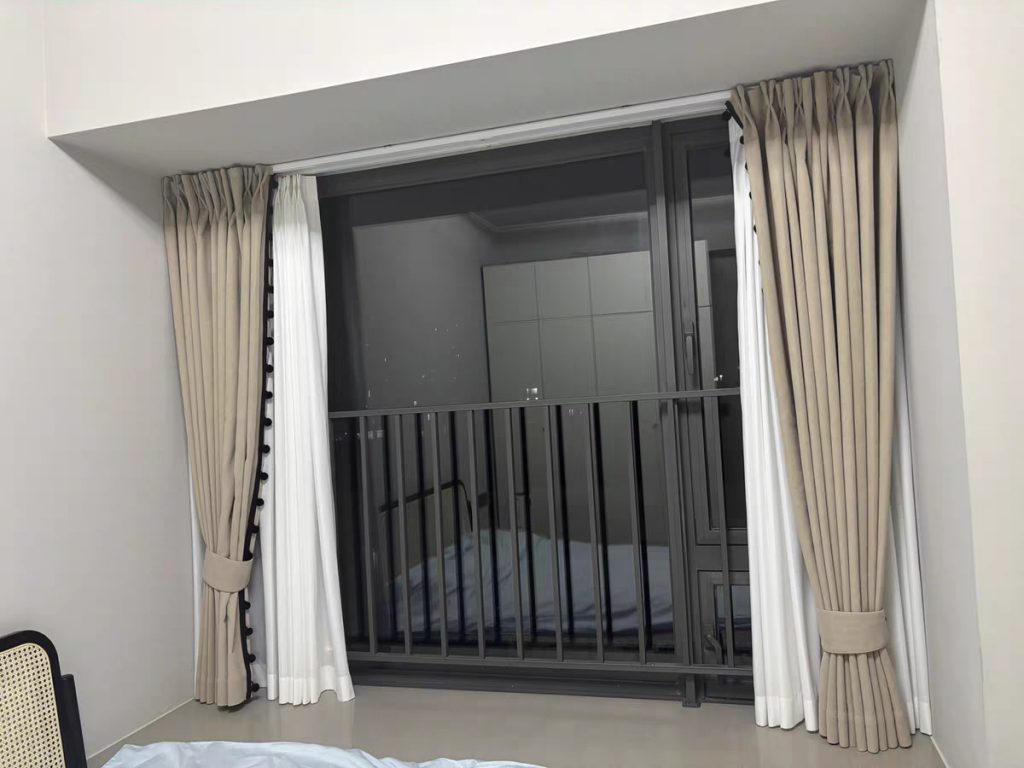
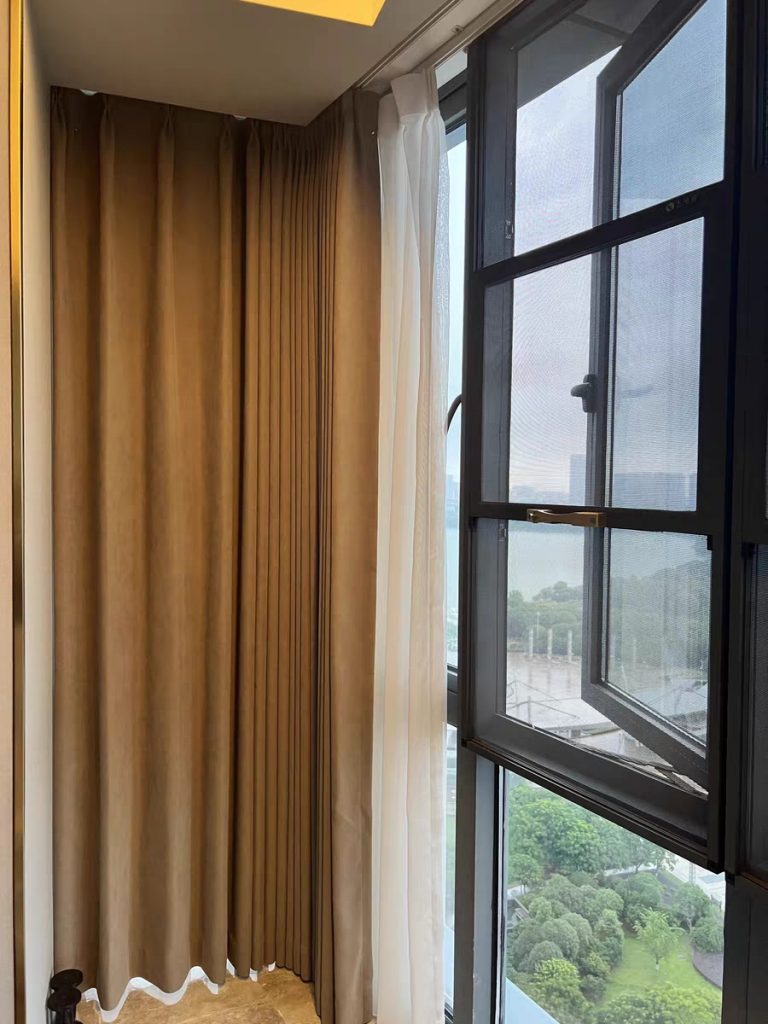
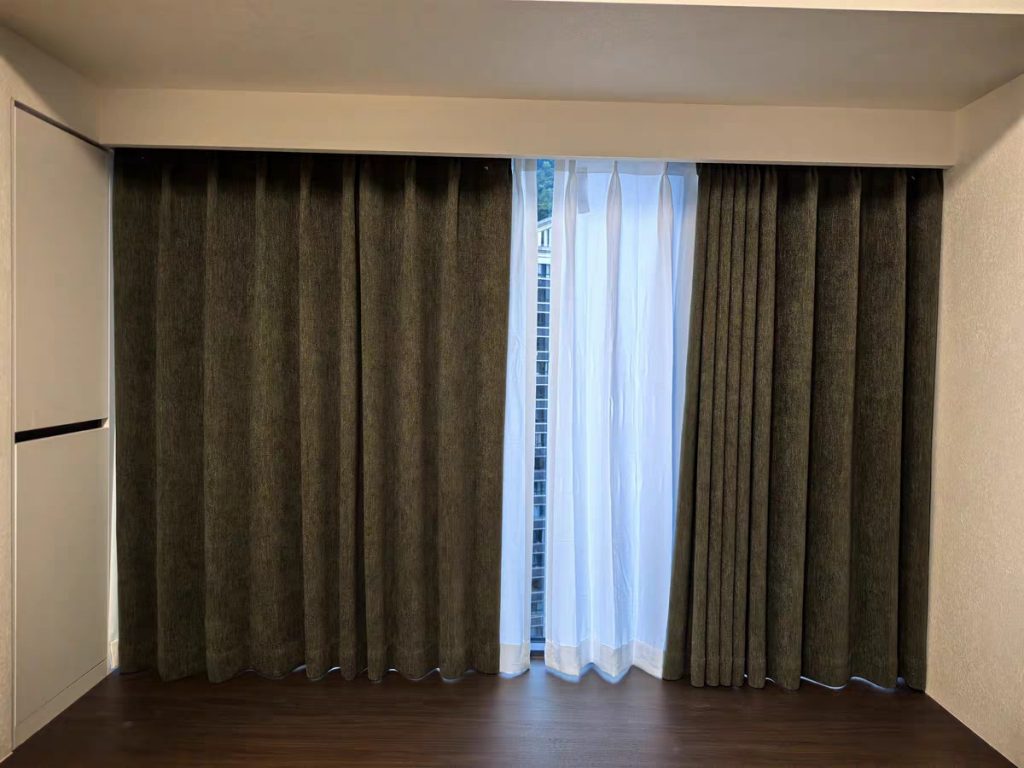
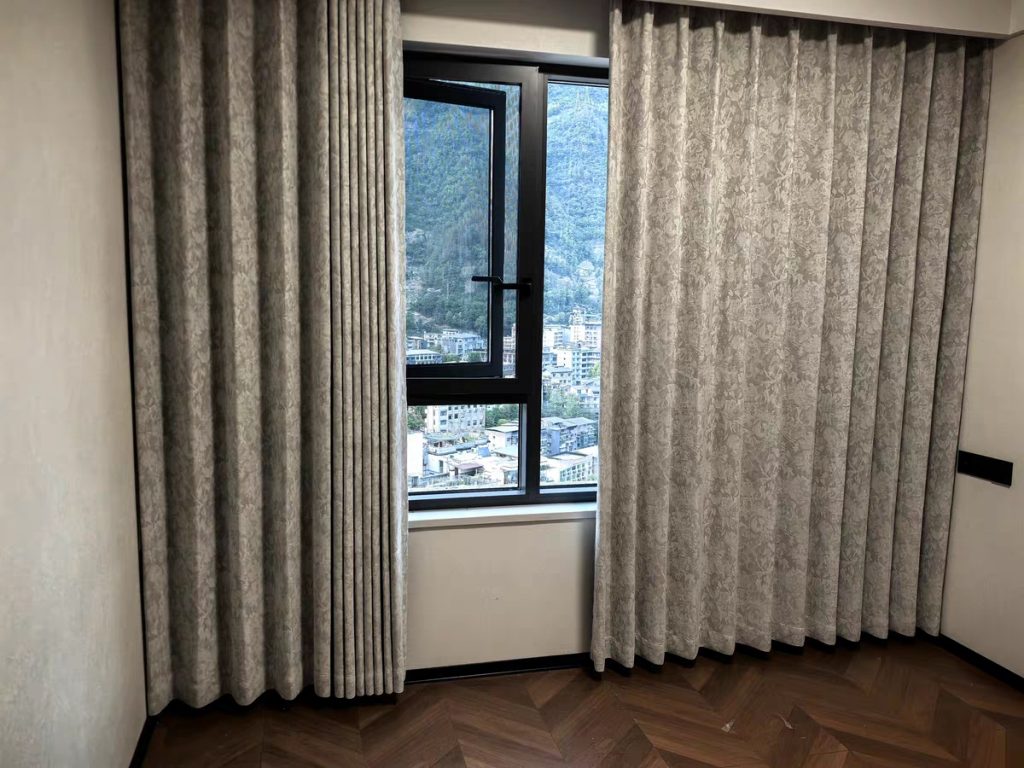
 In the realm of interior design, few elements possess the transformative power of curtains—they frame spaces, filter light, and set the tone for an entire room. Today, Chinese manufacturers are redefining this essential decor category by masterfully blending age – old craftsmanship with cutting – edge innovation. The image of a living space adorned with deep brown drapes and ethereal white sheer curtains, set against a sprawling urban skyline, epitomizes this synergy. It showcases how Chinese designers and factories are honoring cultural heritage while catering to global demand for modern, sophisticated aesthetics. This article explores the techniques, materials, and inspirations driving China’s role as a leader in fusing tradition and modernity in curtain design.
The Art of Blending Eras: A Cultural Tapestry Unveiled
Honoring Traditional Craftsmanship
-
Embroidery: Delicate hand – stitched patterns inspired by Peking Opera costumes, blue-and-white porcelain, or bamboo forests add a layer of cultural richness. For example, a sheer white curtain might feature subtle phoenix embroidery along the border, evoking grace and resilience.
-
Natural Dyeing: Plants like indigo, madder root, and tea leaves are used to create muted, earthy tones reminiscent of classical Chinese paintings. These hues complement the deep brown curtain in the image, grounding it in tradition while feeling utterly modern.
-
Weaving Techniques: Time – honored methods such as jacquard weaving produce intricate geometric patterns that nod to imperial tapestries. When combined with minimalist lines, these textures create visual intrigue without overwhelming a space.
Embracing Modern Minimalism
-
Silhouettes: Floor – to – ceiling drapes with straight hems and hidden pockets for motorization reflect Scandinavian simplicity, as seen in the streamlined brown curtain of the featured image.
-
Color Palettes: Monochromatic schemes (e.g., charcoal gray, ivory) or duotones (like the deep brown and white pairing) dominate modern interiors, allowing traditional accents to shine as focal points.
-
Functionality: Features like blackout linings, thermal insulation, and motorized controls address practical needs without compromising style.
Materials: Bridging Past and Present
Traditional Textiles Reimagined
-
Silk: Once reserved for royalty, silk is now reinterpreted in lightweight, durable weaves. A sheer silk curtain with a hand – painted landscape design can transform a room into a tranquil oasis, blending artistry and functionality.
-
Linen: Naturally textured and breathable, linen curtains in earthy tones echo the rustic charm of Chinese countryside homes. When layered with silk or velvet, they add depth and sophistication.
-
Bamboo Fiber: An eco – friendly alternative to cotton, bamboo curtains offer moisture – wicking properties and a soft, natural look that resonates with minimalist and hygge aesthetics.
Sustainable Innovations
-
Recycled Polyester: Made from post – consumer plastic bottles, this material mimics the drape and durability of traditional fabrics while reducing environmental impact. A sheer white curtain crafted from recycled polyester maintains its ethereal quality while aligning with sustainability goals.
-
Tencel™ Lyocell: Sourced from sustainably managed forests, Tencel combines the softness of silk with the breathability of linen. Its natural sheen complements both traditional wood accents and sleek metal hardware.
Design Case Studies: Where Tradition Meets Modernity
1. The “Silk Road Revival” Collection
-
Fabrics: Handwoven silk – cotton blends in deep indigo and terracotta hues, reminiscent of Central Asian textiles.
-
Patterns: Subtle, repeating geometric patterns inspired by Islamic geometry are printed using eco – friendly water – based inks.
-
Details: Hidden pockets for smart lighting systems allow users to control ambiance with a tap, bridging tradition with technology.
2. The “Urban Oasis” Series
-
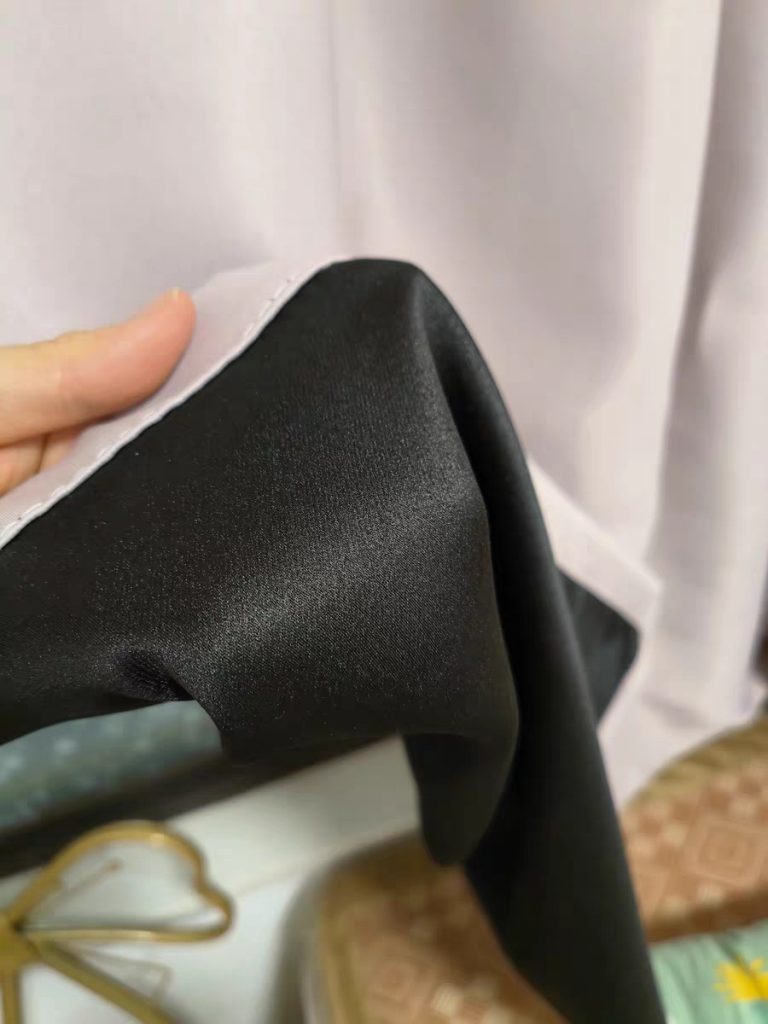
Fabric Layers: A sheer outer layer filters sunlight, while an inner blackout lining ensures privacy and light control.
-
Color Story: Rich espresso brown curtains anchor the space, contrasted by ivory sheers that diffuse city glow into a warm, ambient light.
-
Hardware: Brushed brass finishes add a touch of industrial chic, echoing the metallic structures of urban skylines.
Technological Advancements: Tools of Transformation
Digital Printing and Customization
-
Photorealistic Prints: High – resolution printers recreate intricate artwork, from Chinese ink wash landscapes to abstract urban sketches, directly onto fabric. A sheer curtain featuring a cityscape mural can transform a room into a gallery of light and shadow.
-
AI – Driven Design: Algorithms analyze global trends to suggest color palettes, patterns, and silhouettes, ensuring designs feel fresh yet timeless.
Automation and Precision
-
CAD – Guided Cutting: Computer – aided design systems optimize fabric usage, reducing waste and enabling complex cuts for asymmetrical drapes or layered installations.
-
Robotic Sewing: Automated machines handle delicate tasks like embroidering fine details or attaching hardware, ensuring consistency across large-scale productions.
Sustainability: A Core Principle
-
Waterless Dyeing: This process eliminates water usage and chemical runoff, producing vibrant colors while protecting ecosystems.
-
Upcycling Initiatives: Some factories repurpose scrap fabric into decorative trims or reusable packaging, reducing landfill waste.
-
Circular Business Models: Brands like EcoCurtain offer take – back programs, refurbishing old curtains into new products or donating them to underserved communities.
Market Trends Shaping the Future
-
Biophilic Design: Incorporating natural materials (wood, stone) and organic shapes brings the outdoors in, as seen in curtains with leaf – inspired patterns or woven textures that mimic tree bark.
-
Smart Home Integration: Motorized curtains controlled via apps or voice assistants are increasingly popular, especially in tech – forward markets.
-
Wellness – Focused Textiles: Curtains treated with anti – bacterial coatings or stress – relieving fabrics promote better sleep and mental clarity.
Challenges and Opportunities Ahead
-
IP Protection: Protecting unique designs from imitation requires stronger legal frameworks and blockchain – enabled traceability.
-
Labor Shortages: Rising wages and skilled labor shortages are driving investments in automation and workforce training programs.
-
Global Supply Chain Resilience: Diversifying sourcing and manufacturing hubs helps mitigate risks from geopolitical tensions and pandemics.
The Human Element: Craftsmanship as a Bridge
Conclusion: A Tapestry of Possibilities
Article link:https://www.vlefooena.com/fusion-of-tradition-modernity-innovative-curtain-designs-by-chinese-manufacturers/


No reply content