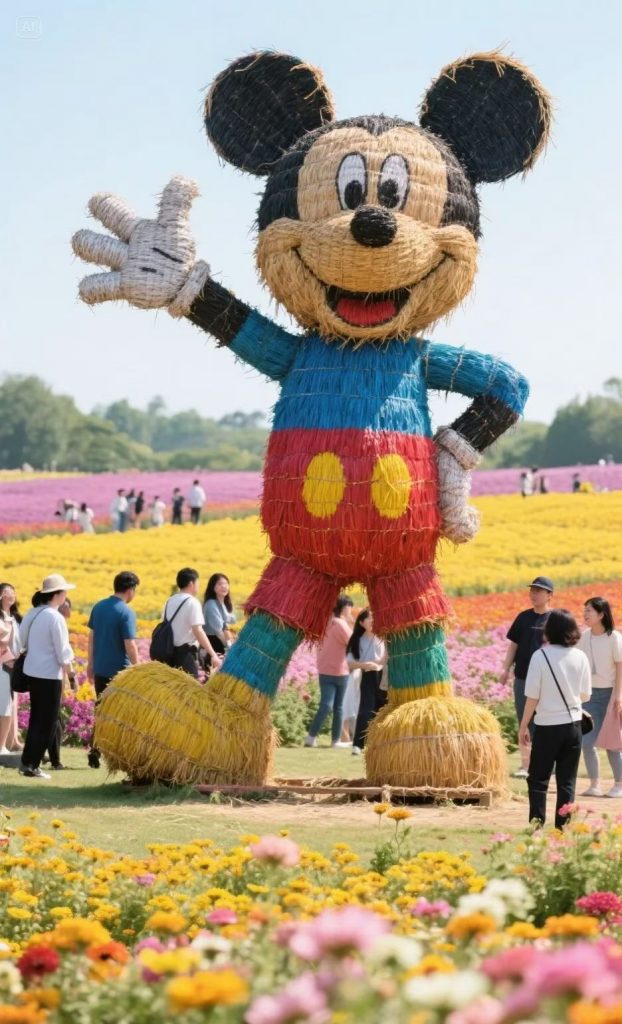
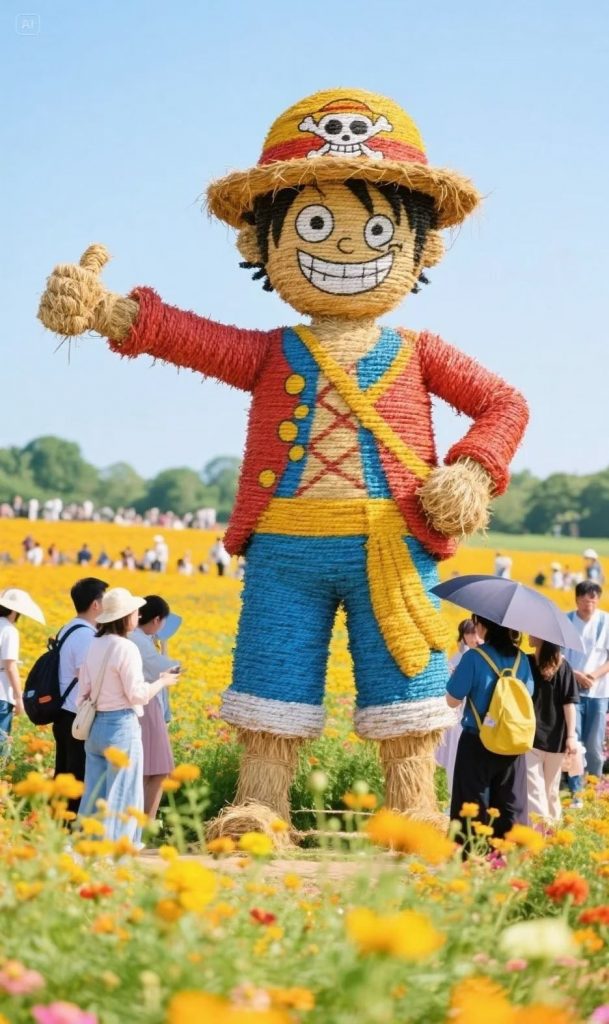
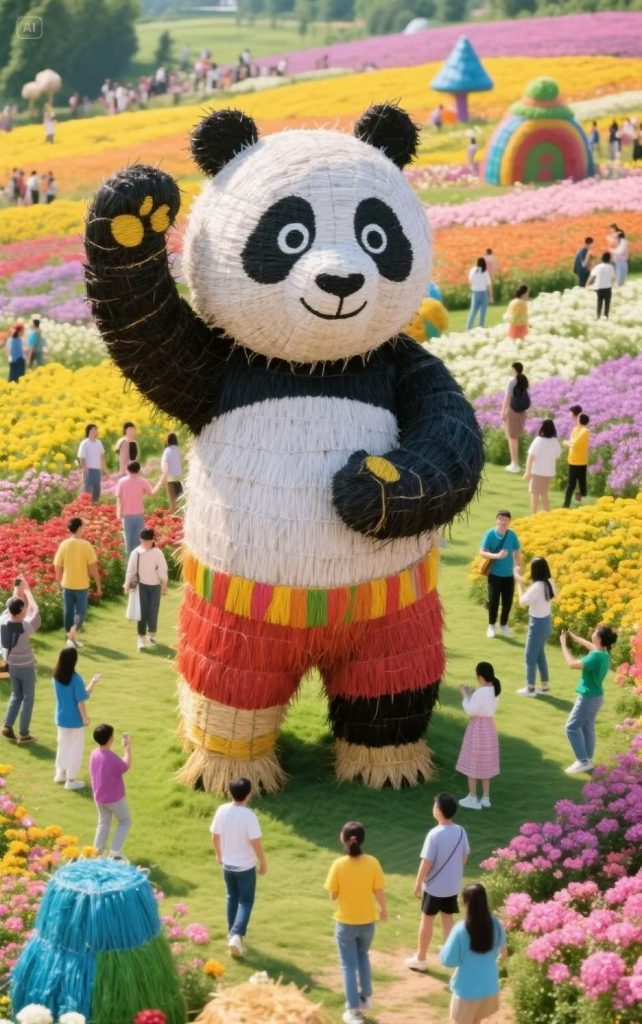
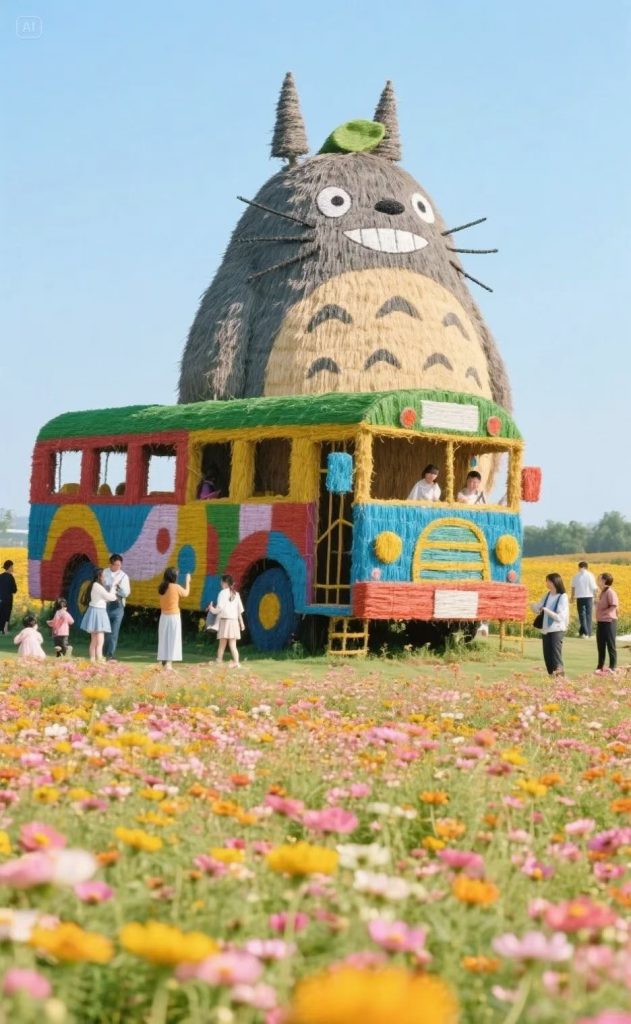
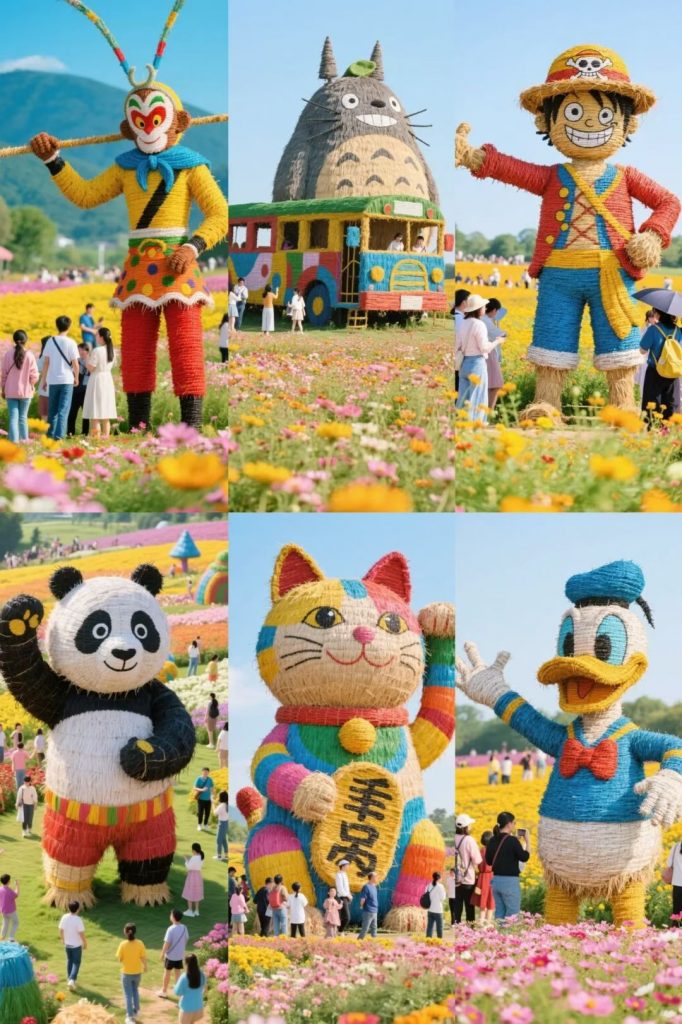
In the ever-evolving landscape of outdoor tourism and cultural attractions, creating immersive, Instagram-worthy experiences has become a cornerstone of success for theme parks, botanical gardens, and flower fields. Among the myriad of decorative options available, one art form stands out for its unique blend of rustic charm, sustainability, and cultural resonance: the giant panda straw sculpture. As an outdoor art installation tailored for theme parks and flower fields, these life-sized or larger-than-life creations have emerged as a game-changer in destination marketing, visitor engagement, and environmental storytelling. This article explores the rise of giant panda straw sculptures, their applications in modern attractions, the craftsmanship behind their creation, and the reasons they are becoming a must-have addition to outdoor spaces worldwide.
The Growing Demand for Immersive Outdoor Art
The global tourism industry is undergoing a paradigm shift. Travelers no longer seek passive sightseeing; they crave interactive, memorable experiences that connect them with nature, culture, and creativity. According to a 2023 report by the World Tourism Organization (UNWTO), 68% of tourists prioritize “unique local experiences” when planning trips, with outdoor attractions leading the charge. Theme parks, once dominated by roller coasters and rides, now compete on the basis of thematic cohesion, aesthetic appeal, and seasonal events. Similarly, flower fields—from Japan’s iconic lavender farms to Holland’s tulip fields—are transforming into year-round destinations through art installations, light shows, and interactive exhibits.
In this context, outdoor art installations serve as both focal points and backdrops. They draw visitors in, encourage exploration, and provide endless opportunities for photography—critical in the age of social media. However, traditional materials like metal, fiberglass, or concrete often come with high costs, maintenance challenges, and limited eco-friendly credentials. This is where straw sculptures step in, offering a sustainable, cost-effective, and visually striking alternative.
Why the Giant Panda? A Symbol of Global Appeal
At the heart of this trend lies the giant panda—a creature universally beloved for its gentle demeanor, distinctive black-and-white markings, and status as a symbol of conservation. Native to China but adored globally, pandas transcend cultural boundaries, making them ideal mascots for international attractions. For theme parks looking to tap into family-friendly demographics, pandas evoke feelings of warmth and nostalgia. For flower fields, pairing a panda sculpture with vibrant blooms creates a whimsical contrast between soft petals and textured straw, enhancing the visual narrative.
Moreover, pandas align with the growing emphasis on sustainability. As endangered species, they represent the importance of environmental protection—a message that resonates with eco-conscious travelers. By choosing a panda straw sculpture, attractions can subtly communicate their commitment to green practices while delighting visitors with a charming centerpiece.
The Craftsmanship Behind Giant Panda Straw Sculptures
Creating a giant panda straw sculpture is a meticulous process that blends traditional craftsmanship with modern design principles. Unlike mass-produced decor, each piece is handcrafted to ensure uniqueness and durability. Here’s a breakdown of the key steps involved:
1. Design and Conceptualization
Every project begins with a collaborative design phase. Artists work closely with clients to understand the attraction’s theme, target audience, and spatial constraints. For a theme park, the panda might be depicted in a playful pose, interacting with other elements like bamboo groves or miniature amusement rides. In a flower field, it could be nestled among roses or sunflowers, blending seamlessly with the natural surroundings. Advanced 3D modeling software is often used to visualize the final product, ensuring proportions are accurate and details like fur texture are realistic.
2. Material Selection: The Magic of Straw
The choice of straw is critical. High-quality wheat or rice straw is preferred for its flexibility, strength, and ability to hold shape when dried. Before use, the straw undergoes a thorough cleaning process to remove impurities and pests. It is then sorted by length and thickness to suit different parts of the sculpture—thicker strands for the body, finer ones for facial features.
3. Structural Framework
A sturdy internal framework forms the skeleton of the sculpture. Typically made from steel or reinforced wood, this structure supports the straw and ensures stability, even in windy conditions. For large installations, additional bracing may be added to distribute weight evenly.
4. Straw Application: Layer by Layer
Artisans meticulously attach straw to the frame using non-toxic adhesives or natural fibers. Starting with the base layers, they build up volume and texture, mimicking the panda’s fluffy coat. Special attention is paid to the face—eyes, nose, and mouth are crafted with precision to convey emotion. To enhance realism, some sculptures incorporate dyed straw for subtle color variations, such as lighter tones for the underbelly.
5. Sealing and Weatherproofing
Once the straw is in place, the sculpture is sealed with a protective coating. This layer shields it from rain, UV rays, and mold, extending its lifespan. Eco-friendly sealants derived from plant-based resins are increasingly popular, aligning with the sustainable ethos of the material itself.
6. Installation and Maintenance
Transporting and installing a giant sculpture requires careful planning. Teams use cranes and specialized rigging to position the artwork safely. Post-installation, regular inspections ensure any loose straw is reattached, and minor repairs are made as needed. With proper care, these sculptures can last 3–5 years outdoors, making them a long-term investment.
Applications in Theme Parks: Creating Thematic Cohesion
Theme parks thrive on storytelling, and a giant panda straw sculpture can serve as the anchor for an entire themed area. Consider a “Panda Paradise” zone within a park: the sculpture could be placed at the entrance, surrounded by artificial bamboo forests, koi ponds, and interactive games for children. During seasonal events like Chinese New Year, the panda might be adorned with festive red scarves or lanterns, adding a touch of cultural celebration.
For parks with a focus on education, the sculpture can double as a teaching tool. Informational plaques nearby can share facts about pandas, their habitats, and conservation efforts. This not only enriches the visitor experience but also positions the park as a leader in environmental awareness.
Additionally, straw sculptures offer practical advantages over traditional decor. They are lightweight compared to concrete statues, reducing installation costs. Their organic texture contrasts beautifully with sleek ride structures, creating visual harmony. And because they are biodegradable, they leave minimal environmental impact when eventually dismantled.
Transforming Flower Fields: From Blooms to Masterpieces
Flower fields are inherently picturesque, but adding a giant panda straw sculpture elevates them to a new level of enchantment. Imagine a vast expanse of lavender with a 10-foot-tall panda resting among the purple blooms—its black ears peeking out above the flowers. Visitors flock to capture this idyllic scene, sharing it across social media and drawing more foot traffic.
Seasonal rotations further enhance the appeal. In spring, a panda could be paired with cherry blossoms; in summer, sunflowers; in autumn, chrysanthemums. Some flower fields even host “panda-themed” festivals, featuring workshops on straw art, photo contests, and guided tours explaining the sculpture’s creation.
Beyond aesthetics, these installations boost local economies. A 2022 study by the European Flower Growers Association found that attractions with art installations saw a 40% increase in visitor spending on food, merchandise, and accommodations. For rural areas reliant on agritourism, a giant panda sculpture can turn a seasonal flower field into a year-round destination.
Sustainability: A Core Advantage
In an era where consumers prioritize eco-friendly choices, the sustainability of straw sculptures is a major selling point. Straw is an agricultural byproduct—using it prevents waste and reduces reliance on non-renewable resources. Unlike plastic or synthetic materials, it decomposes naturally, leaving no harmful residues.
Moreover, the production process itself is low-impact. Artisans often source straw locally, minimizing transportation emissions. Handcrafting techniques require minimal energy compared to industrial manufacturing, and the use of natural adhesives and sealants avoids toxic chemicals.
For attractions aiming to achieve certifications like LEED (Leadership in Energy and Environmental Design) or promote themselves as “green destinations,” a panda straw sculpture aligns perfectly with their values. It tells a story of innovation and respect for the environment—one that resonates deeply with today’s travelers.
Case Studies: Success Stories from Around the Globe
While specific client names are omitted per request, several notable implementations illustrate the impact of these sculptures:
-
A European Theme Park: Introduced a 15-foot-tall panda sculpture as part of its “Wildlife Adventure” section. Within three months, social media mentions of the park increased by 55%, and attendance at the adjacent animal show rose by 30%.
-
An Australian Flower Field: Installed a panda sculpture during its annual tulip festival. The installation was featured in national travel magazines and led to a 25% spike in pre-booked tickets for the following year.
-
A U.S. Botanical Garden: Used a smaller panda sculpture in its children’s garden, paired with educational signage about pollinators. Visitor feedback highlighted the sculpture as a favorite interactive element, particularly for families.
Choosing the Right Partner: What to Look For
For attractions considering a giant panda straw sculpture, selecting the right manufacturer is crucial. Key factors include:
-
Experience: Look for a partner with a portfolio of similar projects, demonstrating expertise in both artistry and structural engineering.
-
Customization Capabilities: Ensure they can adapt designs to fit your space, theme, and budget.
-
Sustainability Practices: Ask about material sourcing, waste management, and eco-friendly coatings.
-
After-Sales Support: Reliable partners offer maintenance guides and assistance with repairs.
Conclusion: The Future of Outdoor Art
As the demand for immersive, sustainable attractions continues to grow, giant panda straw sculptures are poised to remain a staple of outdoor design. Their ability to blend art, nature, and storytelling makes them invaluable assets for theme parks, flower fields, and botanical gardens alike. By investing in one of these creations, attractions not only enhance their aesthetic appeal but also send a powerful message about creativity, conservation, and community engagement.
In a world where travelers seek moments of wonder, a giant panda straw sculpture offers just that—a towering, friendly figure that invites visitors to pause, smile, and connect with the beauty of the natural world. Whether nestled among flowers or standing guard at a theme park entrance, it is more than just decor; it is an experience waiting to be shared.


No reply content