
Introduction
The global solar energy market is growing at unprecedented speed. As governments implement renewable energy targets and commercial energy users seek cost-efficient power solutions, solar equipment demand has skyrocketed. Overseas buyers increasingly turn to China as a strategic sourcing hub for solar panels, inverters, and energy storage systems.
However, successful importation goes beyond price comparison. Buyers must understand market trends, regional compliance requirements, and supply chain dynamics to make informed decisions. This article explores the key factors shaping solar equipment sourcing and provides practical guidance for international buyers.
1. The Rising Global Demand for Solar Energy
Solar installations are expanding across multiple continents:
- Europe: Driven by green policies, subsidies, and corporate sustainability goals.
- Middle East: Solar farms provide cost-competitive energy in high-irradiance regions.
- Africa: Off-grid and mini-grid projects rely heavily on solar plus storage solutions.
- North America: Corporate and residential solar adoption continues to grow steadily.
For buyers, this means equipment requirements vary depending on location, climate, and regulatory environment.
2. Why China Remains the Top Supplier
China continues to dominate global solar manufacturing for several reasons:
- Large-scale production capacity that meets both small and mega-project demands.
- Advanced R&D in high-efficiency panels, inverters, and energy storage.
- Extensive export experience, understanding certifications, and market-specific needs.
- Competitive pricing that allows buyers to achieve favorable project economics.
Understanding these strengths helps buyers evaluate supplier capabilities and make strategic procurement decisions.
3. Regional Compliance Considerations
Solar equipment import regulations differ significantly by region:
- Europe: CE marking, IEC compliance, and RoHS environmental standards.
- North America: UL certification, grid interconnection standards, and fire safety approvals.
- Middle East / Africa: Local voltage standards, grid synchronization requirements, and environmental compliance.
Early alignment with local regulations minimizes delays, customs issues, and financing complications.
4. Choosing the Right Solar Equipment for Different Markets
Market-specific requirements influence equipment selection:
- Residential rooftop projects: Prioritize panel efficiency, aesthetic integration, and small-scale inverters.
- Commercial and industrial installations: Focus on system scalability, high-capacity inverters, and monitoring software.
- Utility-scale solar farms: Emphasize module durability, large-format panels, and centralized inverter systems.
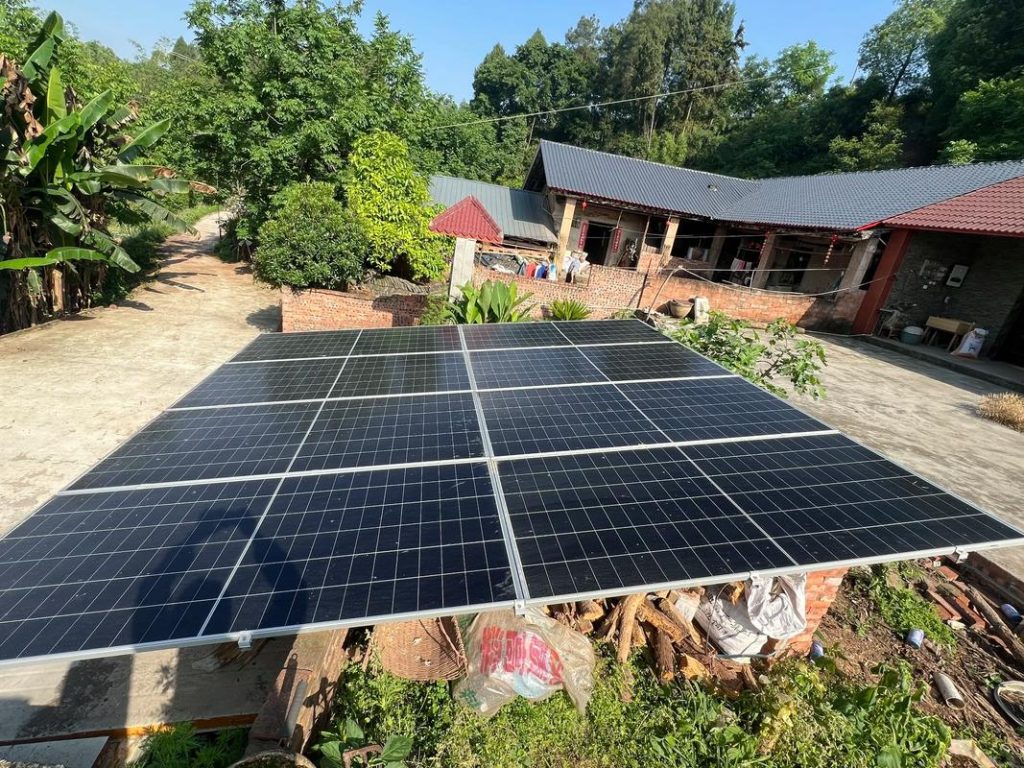
- Off-grid and rural electrification: Require integrated solar-plus-storage systems with robust battery management.
Identifying the target application early improves sourcing efficiency and reduces mismatch risks.
5. Total Cost of Ownership (TCO) Approach
Overseas buyers increasingly adopt a total cost of ownership mindset:
- Initial equipment price is only part of the equation.
- Maintenance, operational downtime, shipping risks, and warranty management influence long-term cost.
- High-efficiency, durable systems with strong after-sales support often provide better ROI than cheaper alternatives.
Chinese manufacturers with proven export experience often provide transparency in pricing and lifecycle cost analysis.
6. Supplier Evaluation Checklist
When sourcing solar equipment from China, consider:
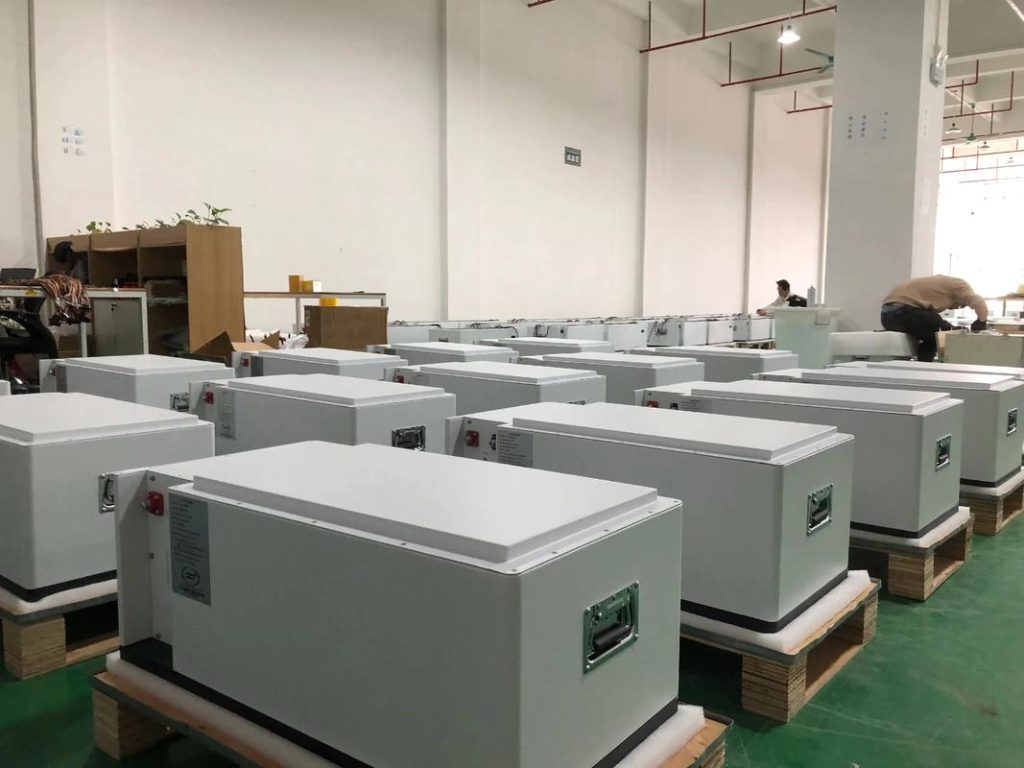
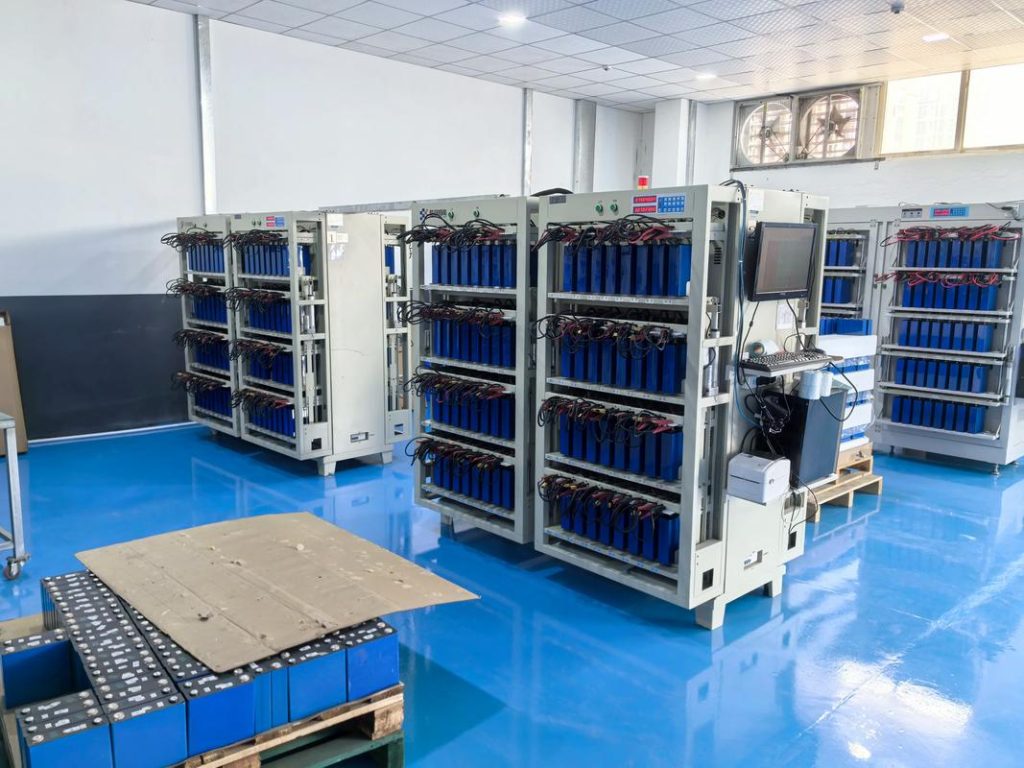
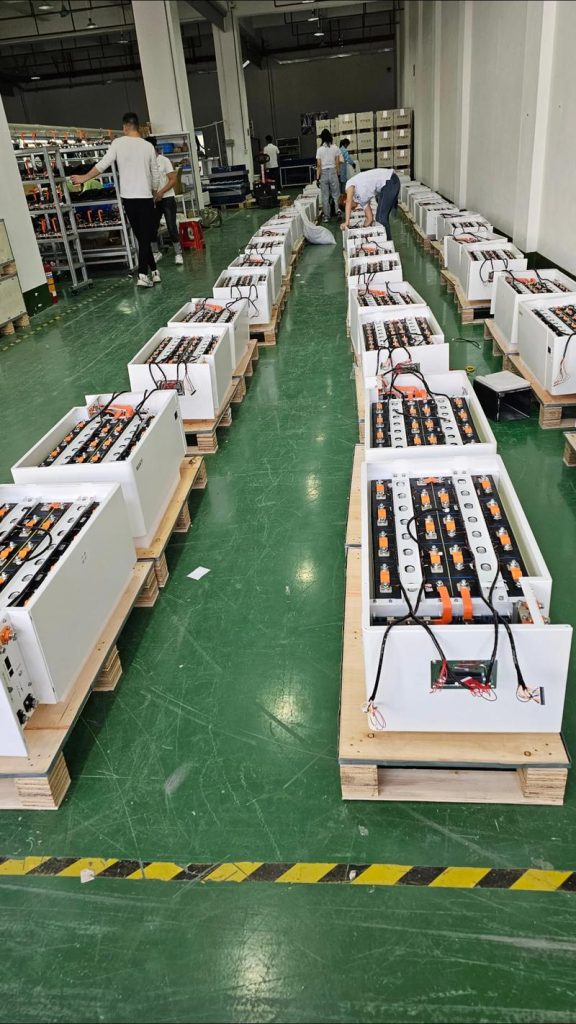
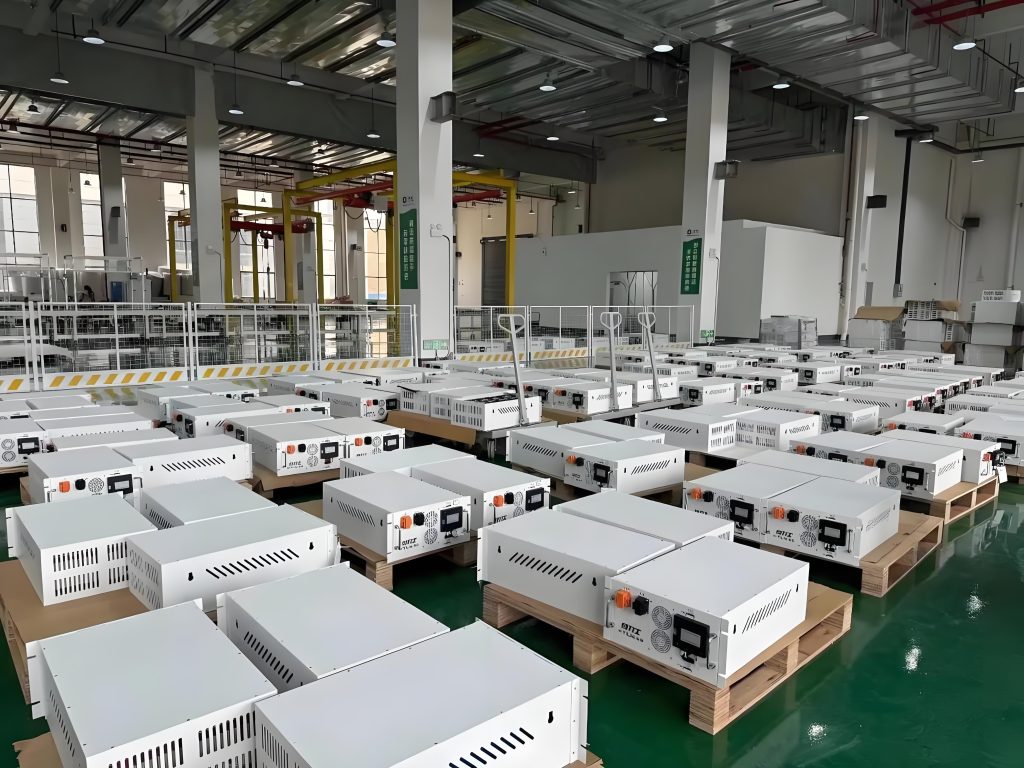
- Factory scale and production lines – can they meet your volume and timeline?
- R&D capability – do they innovate and adapt to your regional standards?
- Certification and compliance – are the products approved for your target market?
- Customization capability – can they provide tailored solutions if required?
- After-sales service – do they support technical guidance, firmware updates, and replacement parts?
A structured evaluation ensures buyers select reliable partners, not just suppliers with attractive quotes.
7. Logistics and Shipping Strategies
Efficient logistics are critical:
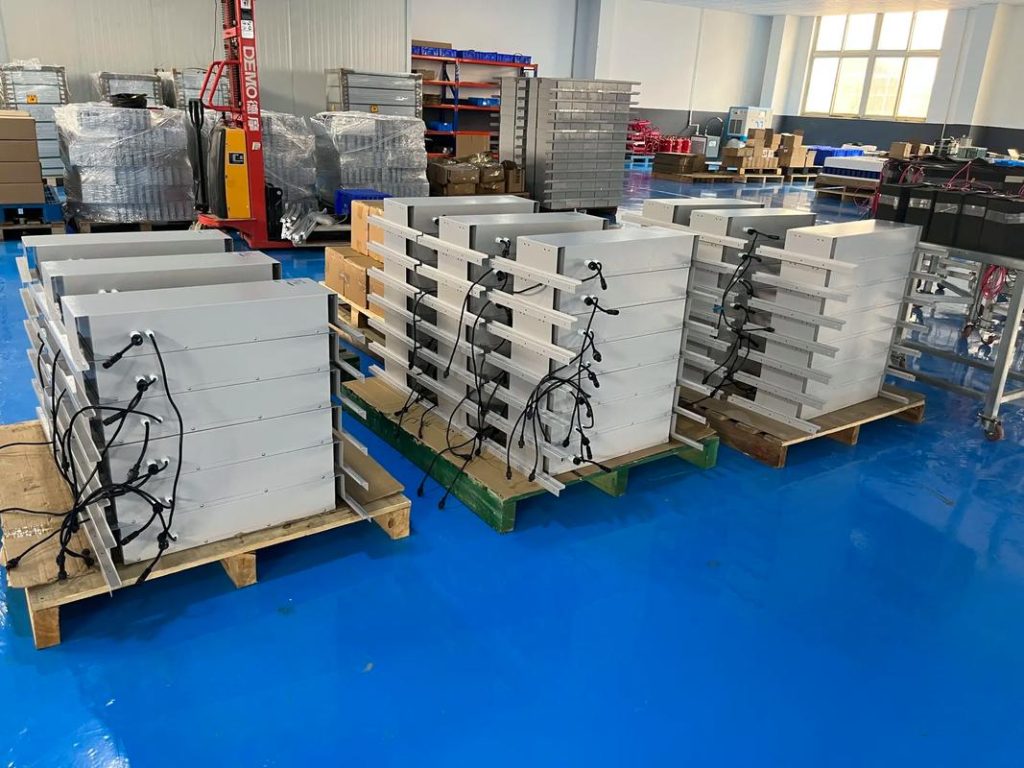
- Proper packaging protects sensitive components like batteries and inverters.
- Choose sea or air freight based on urgency and cost.
- Ensure compliance with lithium battery shipping regulations if energy storage is included.
- Include accurate HS codes and documentation for customs clearance.
Strategic planning reduces delays and protects project schedules.
8. Strategic Planning for Multi-Project Portfolios
For buyers managing multiple projects across regions:
- Standardized equipment selection simplifies maintenance and spares management.
- Bulk purchasing and long-term contracts improve pricing and lead times.
- Regional distribution centers reduce shipping times and mitigate risk.
China’s manufacturing ecosystem supports such portfolio-level procurement strategies efficiently.
9. Market Trends Shaping Future Procurement
Several trends influence future solar equipment sourcing:
- Increasing adoption of bifacial panels for higher energy yield.
- Growth of solar-plus-storage systems, especially in off-grid regions.
- Integration of smart monitoring and AI analytics for predictive maintenance.
- Emphasis on environmentally sustainable production and recycling initiatives.
Buyers aligned with these trends can source systems that remain competitive and compliant with evolving market demands.
10. Key Takeaways for Overseas Buyers
- Understand your regional market requirements and regulations.
- Treat solar equipment as a long-term investment, not just a procurement item.
- Evaluate suppliers based on technical capability, certifications, and after-sales support.
- Plan logistics and shipping carefully to avoid delays and damages.
- Monitor emerging technology and market trends to maintain a competitive edge.
Strategic sourcing from China requires preparation, evaluation, and long-term vision. When executed correctly, it enables cost-effective, high-performance solar deployments worldwide.


No reply content