
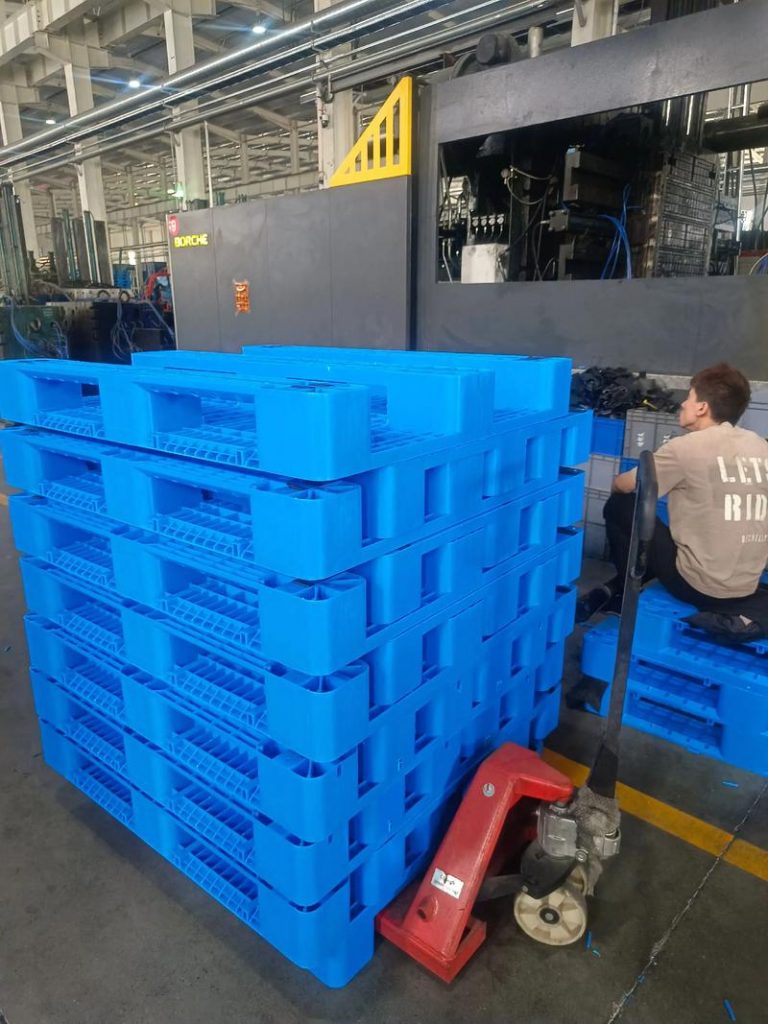
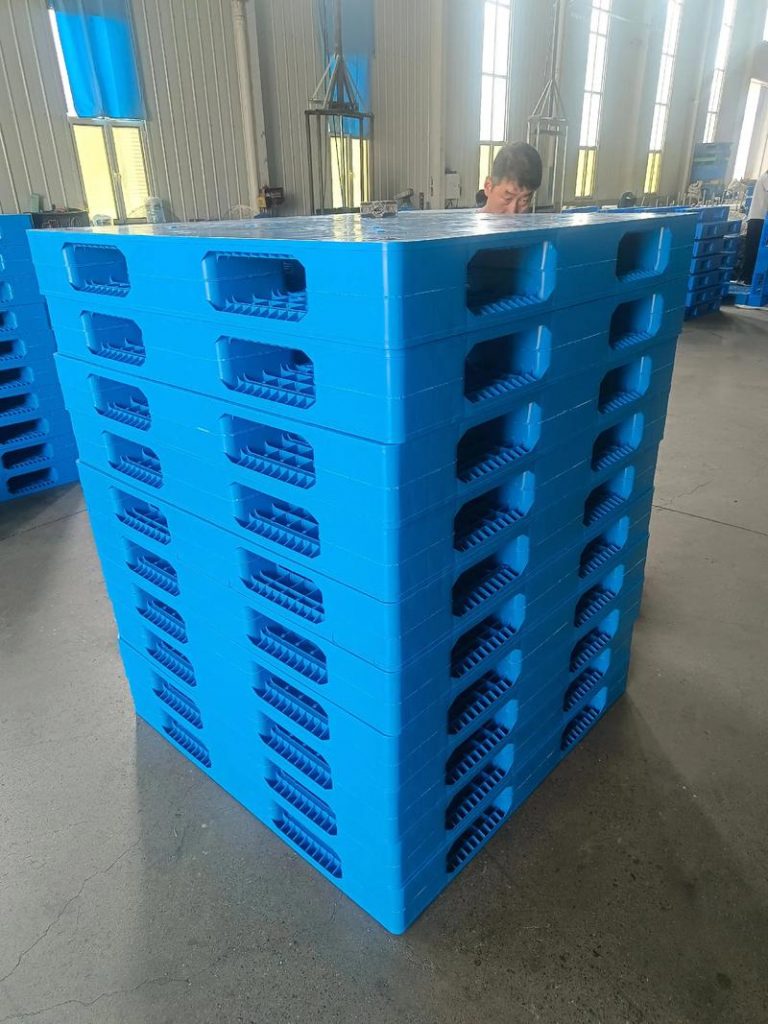

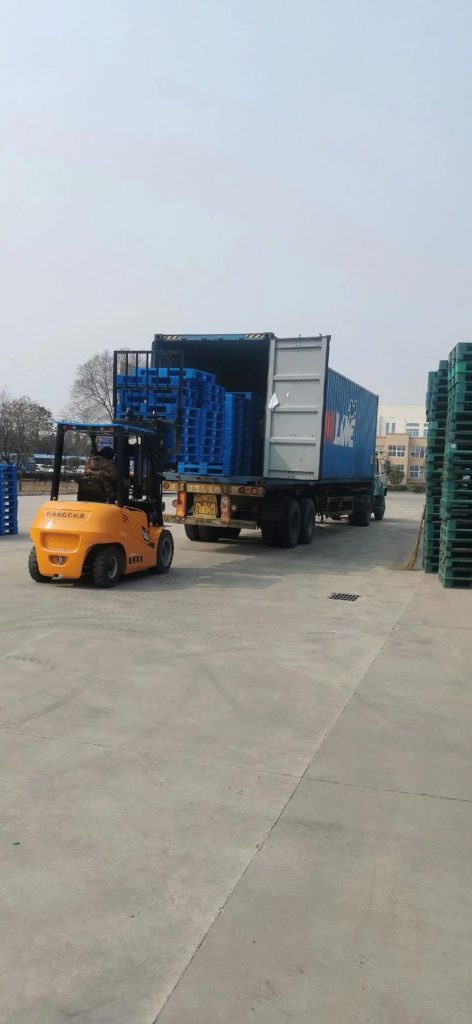
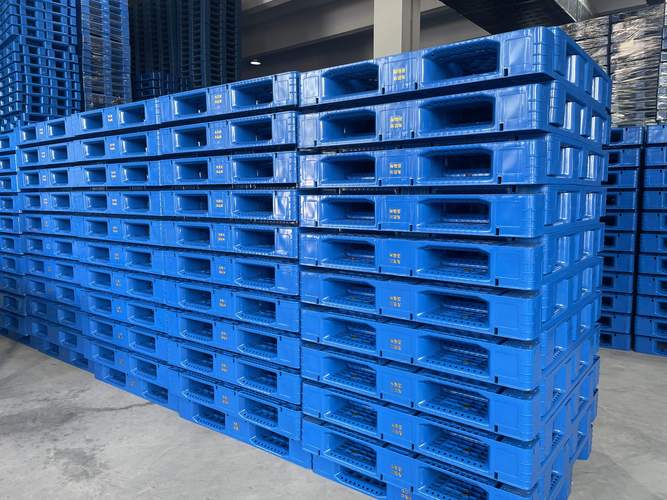
In industrial operations, the demand for strong, reliable, and durable pallets is higher than ever. Heavy machinery, raw materials, and large-scale products require pallets that can withstand extreme weight, frequent handling, and harsh conditions. Heavy-duty plastic pallets have emerged as a superior solution for industrial applications, combining durability, safety, and efficiency for businesses across manufacturing, logistics, and distribution sectors.
Why Heavy-Duty Plastic Pallets Are Essential
Industrial operations often involve moving large, bulky, or heavy items. Traditional wooden pallets may fail under such stress, leading to product damage, safety hazards, and operational delays. Heavy-duty plastic pallets offer several advantages:
-
High Load-Bearing Capacity
Designed to support heavy industrial loads, these pallets maintain structural integrity even under repeated use. They are suitable for both static storage and dynamic handling in warehouses and transport. -
Resistance to Harsh Conditions
Unlike wood, plastic pallets are impervious to moisture, chemicals, and corrosion. This makes them ideal for industries where exposure to water, oils, or industrial chemicals is common. -
Longevity and Reusability
Heavy-duty plastic pallets can last for many years, even under continuous use. Their durability reduces replacement frequency, saving costs and minimizing downtime in industrial operations. -
Enhanced Safety
Plastic pallets eliminate hazards associated with nails, splinters, or broken boards, ensuring a safer work environment for warehouse staff and transport personnel.
Applications in Industrial Settings
Heavy-duty plastic pallets are widely used in various industrial applications:
- Manufacturing Plants – For storing and transporting raw materials, machinery parts, and finished goods.
- Chemical Industry – Resistant to corrosive substances and suitable for transporting chemical containers safely.
- Automotive Industry – Strong enough to carry engines, components, and heavy assemblies.
- Construction and Building Materials – Ideal for cement bags, bricks, and other heavy construction materials.
- Metal and Engineering Sectors – Capable of handling heavy machinery parts and equipment.
Types of Heavy-Duty Plastic Pallets
Industrial applications demand different types of heavy-duty pallets depending on load, storage, and transportation needs:
1. Solid Deck Pallets
Solid deck pallets provide a continuous surface, offering maximum support for heavy, uneven, or delicate industrial goods. They prevent small items from falling through and are suitable for automated storage systems.
2. Reinforced Plastic Pallets
These pallets include additional structural reinforcements such as ribs or steel inserts to handle extremely heavy loads, making them ideal for industrial machinery or bulk materials.
3. Stackable Pallets
Stackable heavy-duty pallets allow secure stacking of multiple loaded pallets, optimizing warehouse space and improving storage efficiency without compromising stability.
4. Custom Heavy-Duty Pallets
For specialized industrial requirements, custom pallets can be designed to match exact dimensions, weight capacity, and handling methods. These are particularly useful for oversized or irregularly shaped equipment.
Advantages of Heavy-Duty Plastic Pallets in Industry
1. Durability Under Stress
Engineered from high-quality plastics, heavy-duty pallets withstand repeated handling, impact, and harsh environmental conditions. Their resistance to cracking, warping, and chemical damage ensures long-term reliability.
2. Operational Efficiency
Strong and uniform pallets facilitate faster loading, unloading, and stacking. They are compatible with forklifts, pallet jacks, conveyors, and automated warehouse systems, streamlining industrial operations.
3. Cost-Effective Over Time
Although heavy-duty plastic pallets may cost more initially than wood or lightweight alternatives, their extended lifespan, reduced product damage, and lower maintenance result in significant cost savings over time.
4. Hygiene and Safety
Plastic pallets are easy to clean, moisture-resistant, and free of sharp edges or nails, reducing workplace hazards and contamination risks. They are suitable for industries with hygiene requirements, including food processing and pharmaceuticals.
5. Environmental Sustainability
Many heavy-duty plastic pallets are made from recycled plastics and are fully recyclable at the end of their service life. Their reusability and longevity reduce waste compared to single-use wooden pallets, supporting eco-friendly industrial practices.
Choosing the Right Heavy-Duty Plastic Pallet
When selecting pallets for industrial applications, consider the following factors:
- Load Requirements – Determine maximum static and dynamic loads to ensure safe handling.
- Warehouse Conditions – Consider shelving, stacking, and environmental exposure, such as humidity or chemicals.
- Handling Equipment Compatibility – Ensure pallets work with forklifts, pallet jacks, and automated systems.
- Regulatory Compliance – For specific industries, ensure pallets meet safety, hygiene, or chemical standards.
- Material Quality and Design – High-grade plastic and reinforced structures improve durability and reliability.
Conclusion
Heavy-duty plastic pallets are indispensable in modern industrial operations. Their strength, durability, and versatility allow businesses to transport and store heavy loads safely and efficiently. By investing in high-quality heavy-duty pallets, industrial facilities can reduce operational risks, lower long-term costs, and improve overall warehouse and supply chain performance.
In a competitive industrial environment, choosing the right heavy-duty plastic pallets is not just a practical decision—it is a strategic investment that supports safety, efficiency, and sustainability in every aspect of material handling and storage.
Article link:https://www.vlefooena.com/heavy-duty-plastic-pallets-for-industrial-applications/


No reply content