As solar adoption continues to grow, homeowners increasingly ask: “How much does a home energy storage system cost in 2026?” Prices vary depending on battery type, capacity, installation complexity, and location. Understanding these costs is essential for planning your solar and storage investment. This guide provides a clear breakdown of current system prices, additional expenses, and factors affecting long-term return on investment.

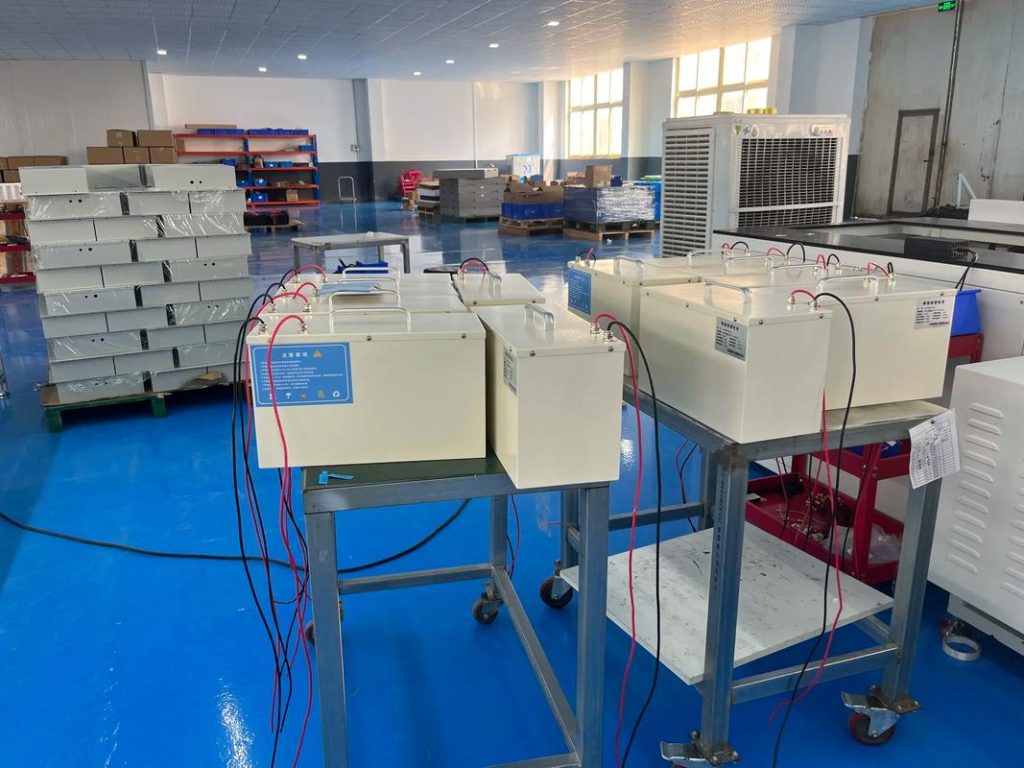
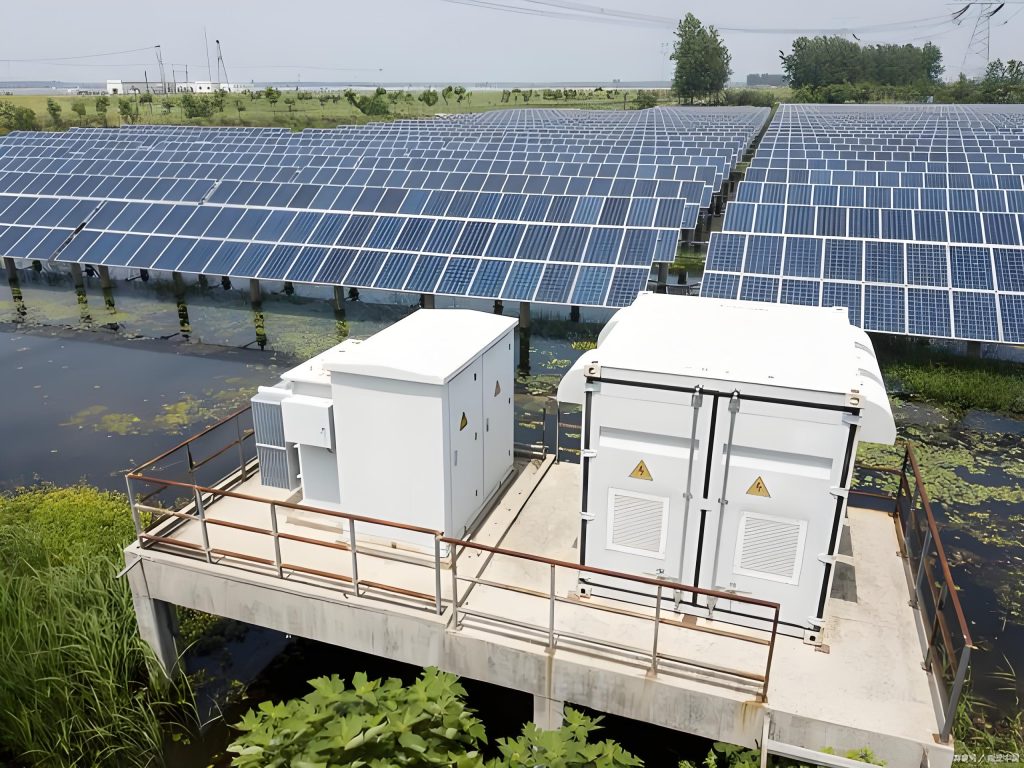
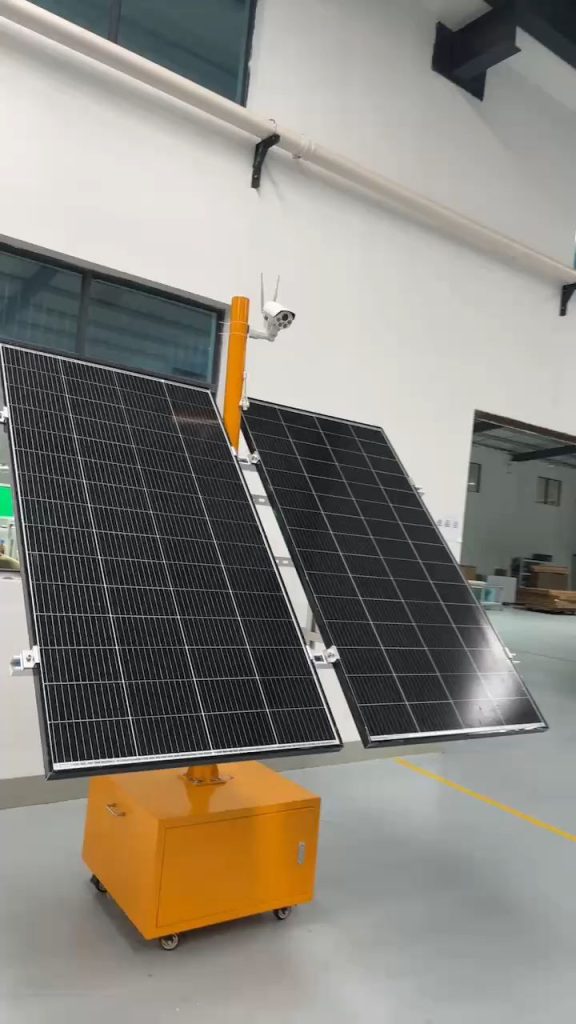
1. Key Factors Influencing Home Energy Storage Costs
Several factors determine the final cost of a home energy storage system:
- Battery capacity (kWh) – Larger capacity costs more but provides longer backup and greater solar self-consumption
- Battery technology – Lithium vs lead acid, with lithium offering longer lifespan but higher upfront cost
- Installation complexity – Indoor/outdoor placement, existing electrical infrastructure, and system integration
- Inverter type – Hybrid or separate inverters can affect total cost
- Local incentives – Rebates, tax credits, and feed-in tariffs may reduce net cost
Each of these factors must be considered to understand the true cost of ownership.
2. Average System Costs by Battery Capacity
Here’s a realistic cost overview for 2026, based on global residential solar markets:
| Battery Capacity | Estimated Cost (USD) | Notes |
|---|---|---|
| 5 kWh | $3,000 – $5,000 | Basic backup, small households |
| 10 kWh | $6,000 – $10,000 | Most common choice, essential loads |
| 15 kWh | $9,000 – $15,000 | Partial whole-home backup |
| 20 kWh+ | $12,000 – $20,000+ | Full backup, off-grid or large households |
These estimates include battery, inverter, and basic installation, but additional costs may apply.
3. Cost Differences Between Lithium and Lead Acid Batteries
- Lithium Batteries: Higher upfront cost ($1,000–$1,500 per kWh) but longer lifespan (10–15 years) and higher efficiency
- Lead Acid Batteries: Lower upfront cost ($400–$600 per kWh) but shorter lifespan (3–5 years) and higher maintenance
Although lithium batteries cost more initially, their lower replacement frequency and higher efficiency make them more cost-effective in the long run.
4. Installation Costs Explained
Installation typically accounts for 20–40% of total system cost. Factors influencing installation costs include:
- Wiring and electrical upgrades
- Indoor vs outdoor installation
- Number of battery modules
- Integration with solar inverter and monitoring systems
Professional installation ensures safety, compliance, and optimal performance.
5. Additional Costs to Consider
- Permitting and inspection fees – $200–$800 depending on region
- Backup generator (optional) – $1,500–$5,000
- Monitoring and smart energy management tools – $200–$500
Ignoring these can lead to unexpected expenses, so budget accordingly.
6. Cost Per kWh: Understanding Value
Calculating cost per usable kWh helps compare systems:
- Example: 10kWh lithium battery at $8,000, usable capacity 9kWh → ~$890 per kWh
- Example: 10kWh lead acid battery at $6,000, usable capacity 5kWh → $1,200 per kWh
Although lithium is more expensive upfront, its higher usable capacity reduces long-term cost per kWh.
7. Regional Variations in Home Energy Storage Costs
- North America: $600–$1,200 per kWh installed
- Europe: $700–$1,400 per kWh installed
- Asia: $500–$1,000 per kWh installed
Prices vary based on local labor rates, supply chain, and government incentives.
8. How Government Incentives Can Lower Costs
Many countries offer financial incentives to promote home energy storage:
- Tax credits or rebates
- Feed-in tariffs for excess solar energy
- Low-interest loans for renewable energy projects
Eligibility and benefits vary by region, so homeowners should research local programs.
9. Return on Investment (ROI) Considerations
Key factors affecting ROI:
- Electricity price savings
- Solar self-consumption rate
- Frequency of power outages
- System lifespan
- Maintenance costs
A well-sized 10kWh lithium system can often pay for itself within 7–10 years in areas with moderate electricity costs.
10. Cost Trends: What to Expect in 2026 and Beyond
- Lithium battery prices are gradually decreasing due to increased production and technology improvements
- Installation costs may decrease with standardized systems
- Efficiency improvements increase the usable energy per kWh, lowering effective cost
Homeowners who plan now may benefit from long-term savings and reliable backup.
11. Tips for Reducing Total Costs
- Compare multiple suppliers and quotes
- Take advantage of government incentives
- Start with a smaller system (5–10kWh) with future expandability
- Use hybrid systems to maximize grid and solar efficiency
- Choose batteries with long lifespan and high efficiency
Strategic planning reduces upfront cost while maintaining energy security.
12. Common Misconceptions About Home Energy Storage Costs
- “Batteries are too expensive” – total cost per kWh and ROI show long-term value
- “Lead acid is always cheaper” – frequent replacements and low efficiency increase lifetime cost
- “Installation is simple” – professional installation ensures safety and performance
Accurate understanding helps homeowners make confident investment decisions.
13. Choosing the Right System Within Your Budget
- Small households / basic backup → 5kWh
- Medium households / essential loads → 10kWh
- Large households / partial whole-home backup → 15kWh
- Off-grid or luxury installations → 20kWh+
The choice depends on your energy goals, daily consumption, and long-term ROI.
14. Why 2026 Is a Good Time to Invest
- Stable lithium battery supply
- Falling system prices
- Increased awareness of energy independence
- Growing availability of hybrid and smart energy management solutions
Homeowners can now access high-quality systems with better value and long-term savings.
Conclusion
The cost of a home energy storage system in 2026 depends on capacity, technology, installation, and location. While upfront costs may seem high, lithium-based systems offer the best long-term value, efficiency, and reliability. Properly sized systems provide both financial benefits through reduced electricity bills and peace of mind during outages. Investing now in a well-planned system ensures energy security and a strong return on investment for years to come.


No reply content