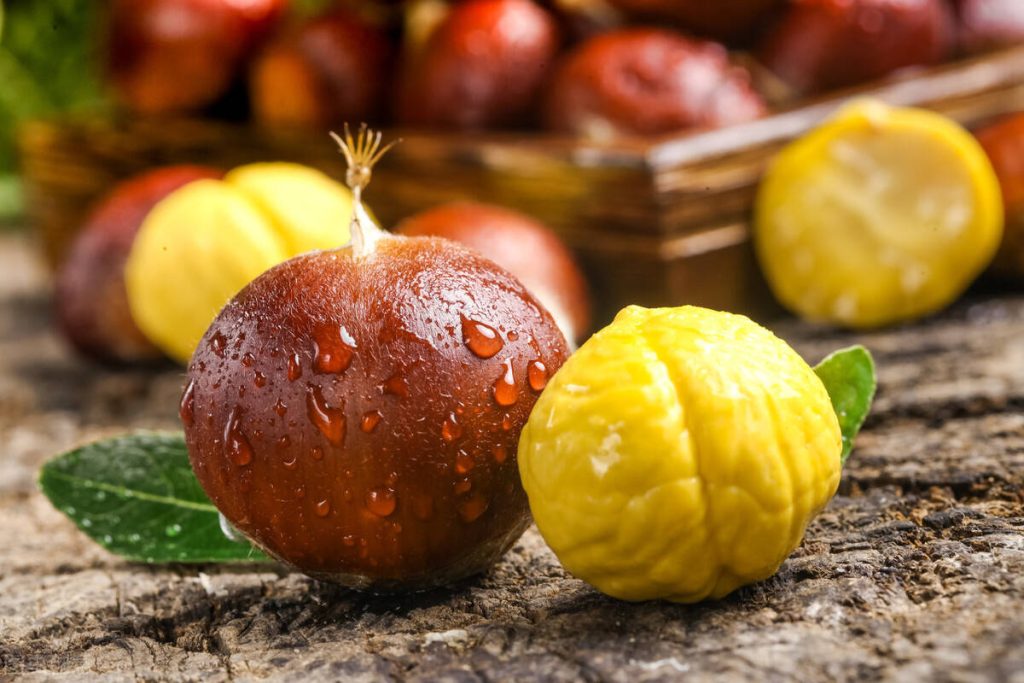
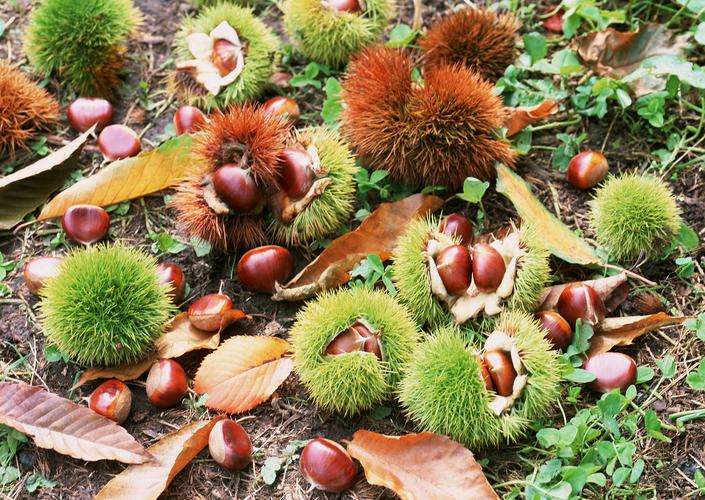
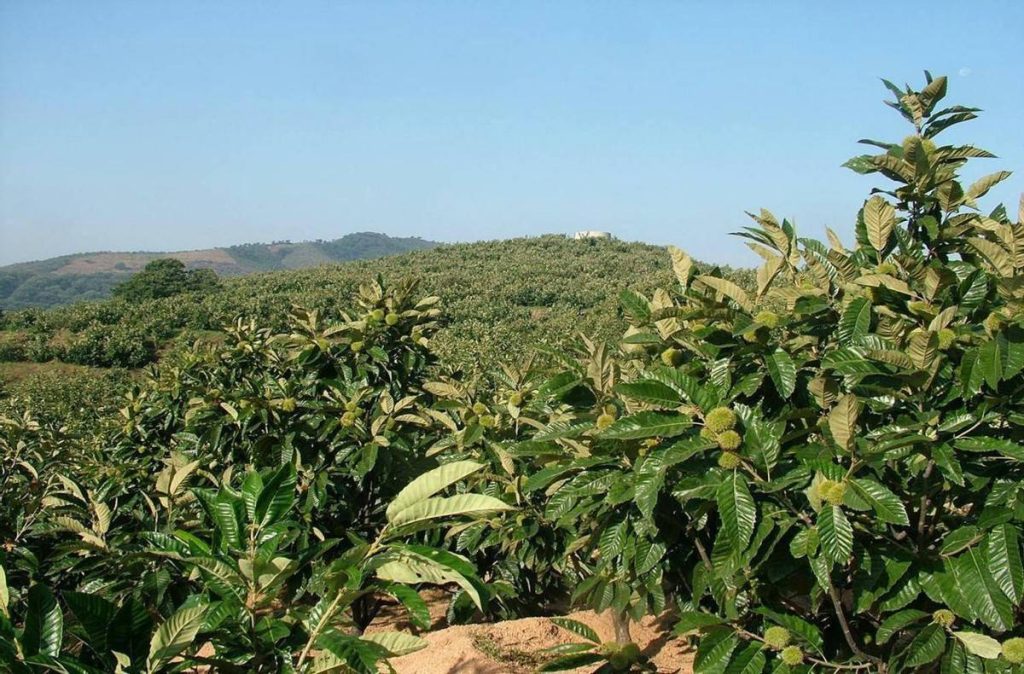
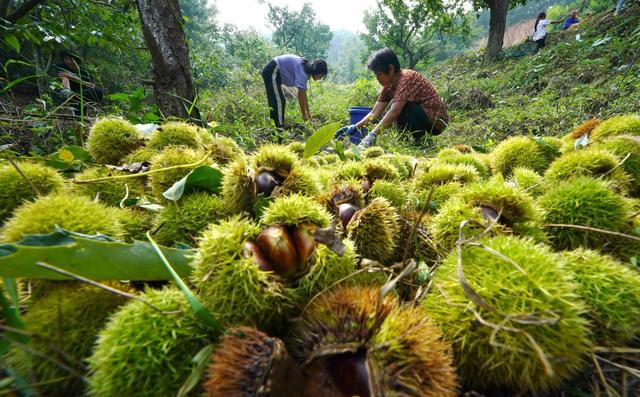
Importing chestnuts from China is a cost-effective and reliable solution for wholesalers, retailers, and food processors worldwide. China is the largest chestnut producer, offering fresh, frozen, dried, and value-added chestnut products. This guide covers sourcing, quality standards, packaging, shipping, export documentation, and supplier selection, helping you import safely, reduce risk, and build a stable supply chain for your business.
1. Why Source Chestnuts from China?
China is the world’s leading chestnut producer, responsible for more than 80% of global production. The country benefits from favorable climates, fertile soil, and centuries of cultivation experience. Chinese suppliers have developed a mature supply chain covering planting, harvesting, sorting, processing, packaging, and exporting.
Advantages for Importers
- Large-scale and stable production
- Competitive pricing
- Wide product variety: fresh, frozen, dried, roasted, peeled, value-added
- Custom packaging and private label options
- International export compliance and experience
Many international buyers choose China because it combines high quality, competitive cost, and reliability, making it ideal for bulk and long-term sourcing.
2. Main Chestnut-Producing Regions in China
| Region | Key Features |
|---|---|
| Hebei | Large-scale farms, export-oriented, consistent quality |
| Shandong | Sweet varieties, suitable for roasting and snacks |
| Liaoning | Cold-resistant varieties, firm texture, long shelf life |
| Anhui | Traditional cultivation, rich natural flavor |
| Hunan | Organic and mountain-grown chestnuts, high-end markets |
Selecting the right region is crucial because chestnut size, taste, sweetness, and texture vary depending on origin.
3. Types of Chestnuts Supplied by Chinese Exporters
3.1 Fresh Chestnuts
- Naturally sweet and firm
- Seasonal availability: September–December
- Requires cold storage and cold-chain shipping
- Popular in retail and restaurants
3.2 Frozen Chestnuts
- Peeled or unpeeled
- Long shelf life (up to 24 months)
- Suitable for food processing factories and long-distance shipping
3.3 Dried Chestnuts
- Lightweight and easy to transport
- Shelf life: 12 months
- Ideal for baking, confectionery, and snacks
3.4 Roasted Chestnuts
- Ready-to-eat snack
- Vacuum-packed for freshness
- Widely sold in convenience stores, supermarkets, and seasonal markets
3.5 Peeled Chestnuts / Value-Added Products
- Peeled chestnuts for easy cooking
- Chestnut puree and paste for desserts and bakery
- Chestnut flour and snacks for industrial use
4. Harvest Season and Supply Cycle
| Region | Harvest Time |
|---|---|
| Northern China | September – October |
| Central China | August – September |
| Southern China | July – August |
Peak export season: September to December
Understanding the harvest season allows buyers to plan orders and avoid stock shortages.
5. Quality Standards for Chinese Chestnuts
Quality is the top priority when importing chestnuts. Buyers should evaluate:
Physical Standards
- Uniform size
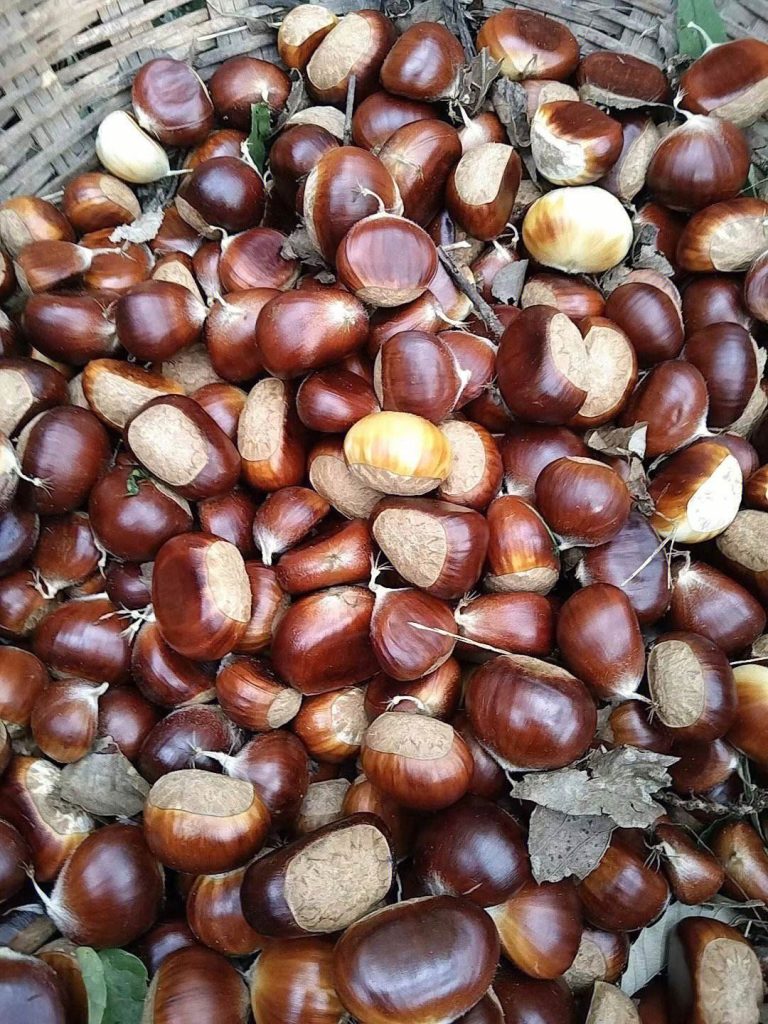
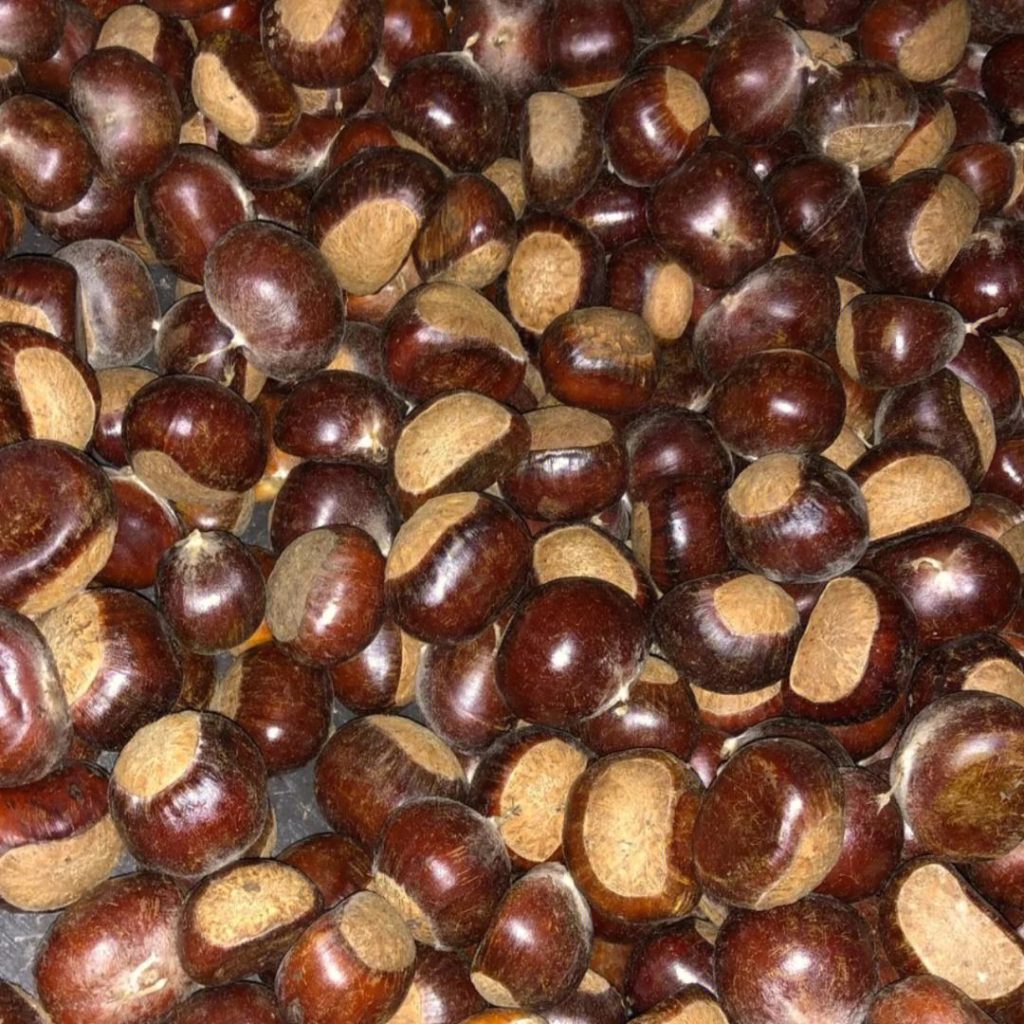
- Smooth, clean shells
- Thick shell and firm kernel
- Minimal damage or cracks
Taste & Sweetness
- Naturally sweet flavor
- Soft and tender texture when cooked
Moisture Content
- Excess moisture can cause mold and spoilage
- Dried or frozen chestnuts must meet strict moisture standards
Food Safety
- Mold and pest control
- Pesticide residue testing
- Heavy metal testing
- Microbiological testing
Certifications Available
- Phytosanitary Certificate
- Certificate of Origin
- Health Certificate
- COA (Certificate of Analysis)
- Organic Certificate (if required)
6. Packaging Options
Chinese suppliers offer flexible packaging to meet international market requirements.
Retail Packaging
- Net bags: 250g, 500g, 1kg
- Vacuum-sealed pouches
- Stand-up zipper bags
- Custom printed boxes
Bulk Packaging
- 5kg / 10kg / 20kg export cartons
- PE inner bags to prevent moisture
- Palletized cartons for sea freight
Private Label & OEM
- Custom logo and branding
- Multilingual labels
- Nutrition panels and barcodes
- Custom carton design
7. Export Markets for Chinese Chestnuts
Chinese chestnuts are exported worldwide, with strong demand in:
- United States: peeled and processed chestnuts
- European Union: organic and vacuum-packed products
- Japan: high-quality peeled and frozen chestnuts
- Middle East: ready-to-eat roasted products
- Southeast Asia: fresh and roasted chestnuts
- Australia & New Zealand: high-end retail markets
Understanding the target market helps suppliers meet regulatory and consumer expectations.
8. Export Process from China
A professional export process reduces risks and ensures compliance.
Step 1: Supplier Selection
- Verify production capacity, quality control, and export experience
Step 2: Sample Request
- Evaluate appearance, size, taste, and packaging
Step 3: Confirm Product Specifications
- Size, grade, moisture, sweetness, and processing type
Step 4: Negotiate Terms
- Price, MOQ, payment terms, delivery time, Incoterms
Step 5: Production & Sorting
- Supplier harvests, sorts, and processes chestnuts according to specification
Step 6: Quality Inspection
- Third-party inspection can be used to confirm standards
Step 7: Packing
- Retail or bulk packaging
- Palletization if needed
Step 8: Shipping
- Sea freight: cost-effective for bulk
- Air freight: fast, for high-value orders
- Refrigerated containers for fresh chestnuts
Step 9: Customs Clearance
- Prepare commercial invoice, packing list, bill of lading, and certificates
9. Shelf Life of Different Chestnut Products
| Product Type | Shelf Life |
|---|---|
| Fresh Chestnuts | 30–60 days (cold storage) |
| Frozen Chestnuts | 12–24 months |
| Dried Chestnuts | 12 months |
| Roasted (vacuum-packed) | 6–9 months |
Proper storage ensures quality and prevents spoilage.
10. Applications of Chestnuts
Chinese chestnuts are versatile and widely used in:
- Supermarkets and retail chains
- Bakeries and confectionery factories
- Restaurants and catering
- Snack brands and packaged food
- Baby food and desserts
- Ice cream and bakery fillings
- Traditional medicine and supplements
11. Common Challenges & How to Avoid Them
Mold & Spoilage
- Ensure moisture control and cold chain logistics
Inconsistent Size
- Require strict grading and inspection
Packaging Damage
- Use strong cartons and PE liners
Delayed Shipments
- Work with experienced suppliers and confirm realistic lead times
Regulatory Compliance
- Check certificates and ensure shipment meets import country regulations
12. How to Choose a Reliable Chinese Chestnut Supplier
Key Criteria
- Own farms or contracted plantations
- Export experience and references
- Transparent pricing
- Quality inspection reports
- Cold storage and processing facilities
- OEM and private label capability
Suggested Questions
- What is your annual production volume?
- Can you provide samples before placing bulk orders?
- What certifications do you hold?
- What is your minimum order quantity (MOQ)?
- How do you ensure consistent quality?
13. Frequently Asked Questions (FAQ)
Q1: What is the MOQ for chestnuts?
A1: MOQ varies by product type, packaging, and grade. Most suppliers accept small sample orders.
Q2: Can I get samples before placing a bulk order?
A2: Yes, samples are available for quality evaluation.
Q3: What documents are required for import?
A3: Commercial invoice, packing list, bill of lading, certificate of origin, phytosanitary certificate, and COA.
Q4: Do you offer private labeling?
A4: Yes, private labeling and custom packaging are available.
Q5: How long does shipping take?
A5: Sea freight: 20–40 days depending on destination; Air freight: 5–10 days.
14. Customer Reviews
⭐⭐⭐⭐⭐
Michael R. – USA 🇺🇸
“Excellent quality chestnuts. Sweet, fresh, and perfectly packed.”
⭐⭐⭐⭐⭐
Anna K. – Germany 🇩🇪
“Very stable quality. Communication was smooth and professional.”
⭐⭐⭐⭐⭐
James P. – UK 🇬🇧
“Packaging was strong and perfect for our retail market.”
⭐⭐⭐⭐⭐
Hiroshi T. – Japan 🇯🇵
“Sweet taste and uniform size. Suitable for premium customers.”
⭐⭐⭐⭐⭐
Carlos M. – Spain 🇪🇸
“Reliable long-term supplier with consistent shipments.”
⭐⭐⭐⭐⭐
Liam O. – Australia 🇦🇺
“Organic certification was complete and valid.”
⭐⭐⭐⭐⭐
Fatima A. – UAE 🇦🇪
“Custom packaging was done perfectly.”
⭐⭐⭐⭐⭐
Noah S. – Canada 🇨🇦
“Low moisture and long shelf life.”
⭐⭐⭐⭐⭐
Sophie L. – France 🇫🇷
“Very professional service and prompt response.”
⭐⭐⭐⭐⭐
Daniel W. – Netherlands 🇳🇱
“Stable supply even during peak season.”
⭐⭐⭐⭐⭐
Marco B. – Italy 🇮🇹
“Good value for money and excellent quality.”
⭐⭐⭐⭐⭐
Oliver H. – Sweden 🇸🇪
“Fast response and clear communication.”
⭐⭐⭐⭐⭐
Ahmed K. – Egypt 🇪🇬
“Product quality exceeded expectations.”
⭐⭐⭐⭐⭐
Lucas D. – Brazil 🇧🇷
“Will continue cooperation.”
⭐⭐⭐⭐⭐
Emily J. – New Zealand 🇳🇿
“Excellent after-sales support.”
15. Final Thoughts and Contact
Importing chestnuts from China is highly profitable if you choose the right supplier. By understanding product types, quality standards, packaging, logistics, and risk management, you can build a stable and long-term supply chain.
If you are looking for a reliable China chestnut supplier, contact us today for latest prices, samples, and detailed specifications. Our professional export team is ready to support your business and ensure a smooth sourcing process.
Article link:https://www.vlefooena.com/how-to-import-chestnuts-from-china-a-complete-buyers-guide-2/


No reply content