
Importing ginger from China offers global buyers a reliable supply, competitive pricing, and stable quality. This guide explains everything you need to know—from sourcing and quality control to shipping, customs, and risk management—so you can import safely and profitably.
1. Why China Is the World’s Leading Ginger Supplier
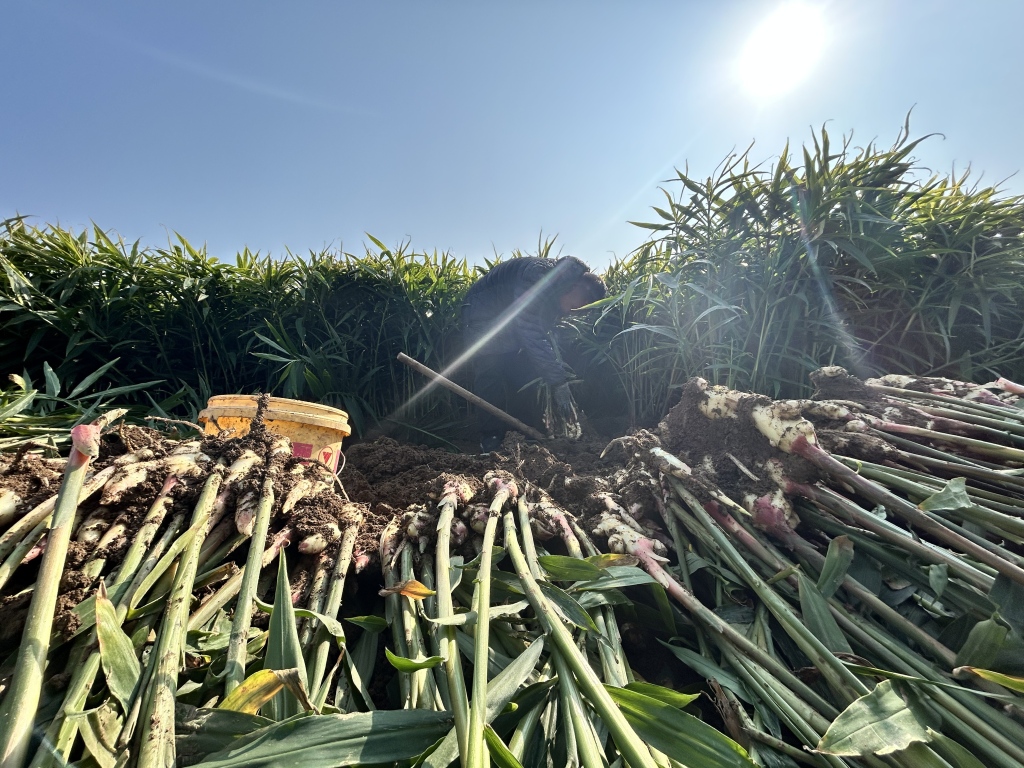
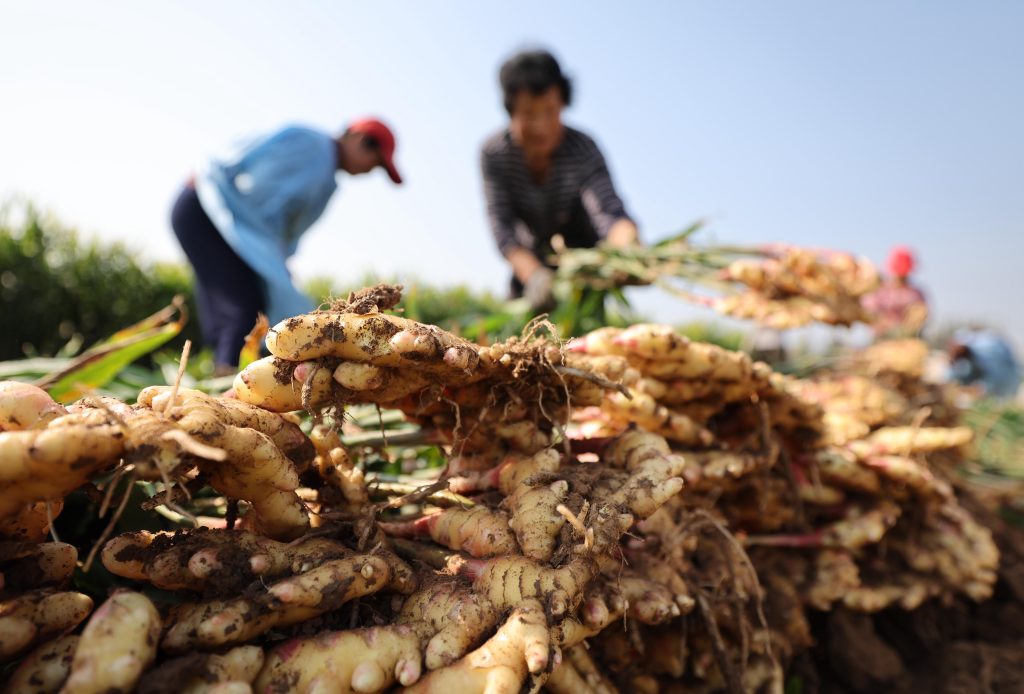
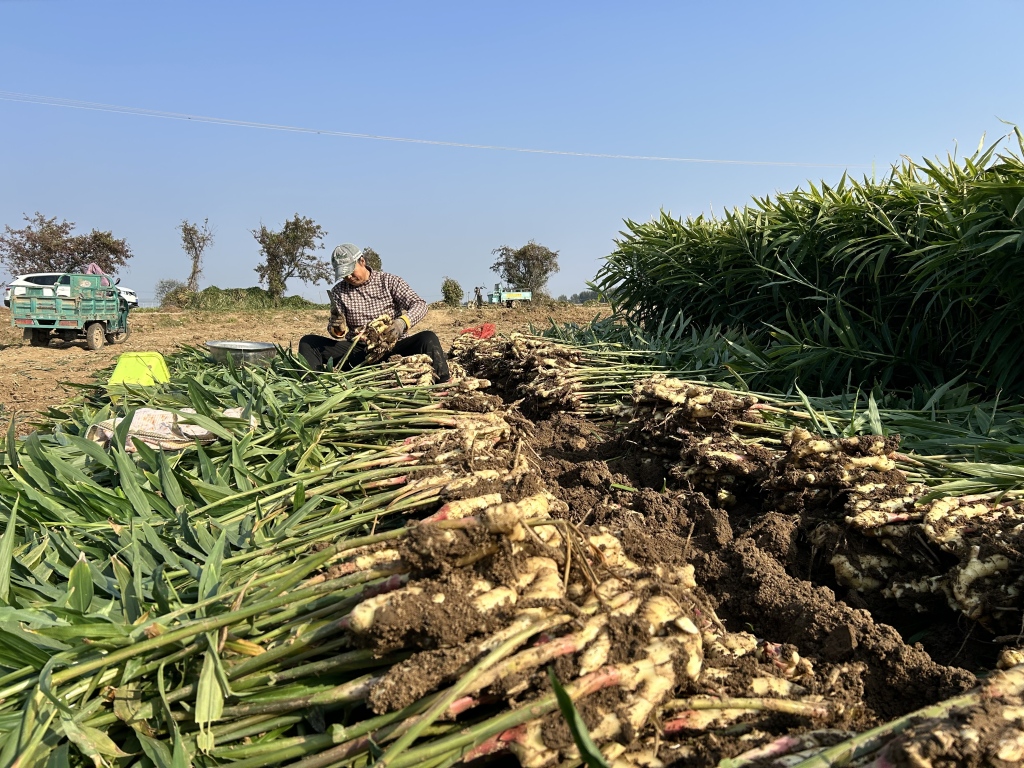
China has been the world’s largest ginger producer and exporter for many years. With advanced agricultural techniques, large-scale plantations, and efficient logistics networks, Chinese ginger suppliers are able to offer consistent quality at competitive prices.
Chinese ginger is known for:
- Strong aroma
- High gingerol content
- Thick skin and long shelf life
- Wide size options
- Stable year-round supply
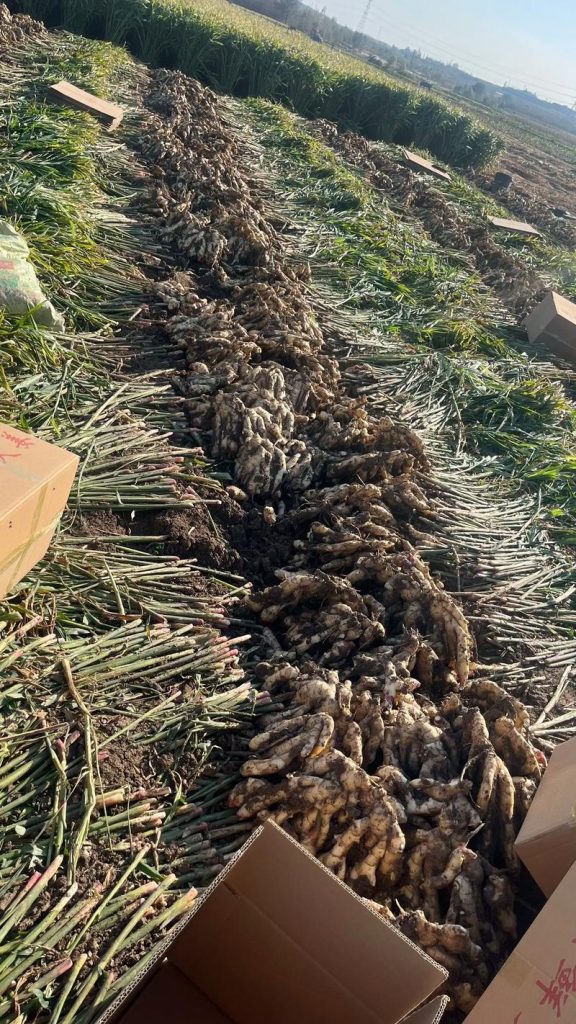
Major production areas include Shandong, Fujian, Guangdong, and Yunnan. These regions have ideal soil conditions, temperature, and humidity, which help produce ginger with rich flavor and strong pungency.
For importers, China provides a mature export system, complete phytosanitary documentation, and flexible packaging solutions.
2. Types of Ginger You Can Import from China
Before importing, it is important to understand the different types of ginger available.
2.1 Fresh Ginger
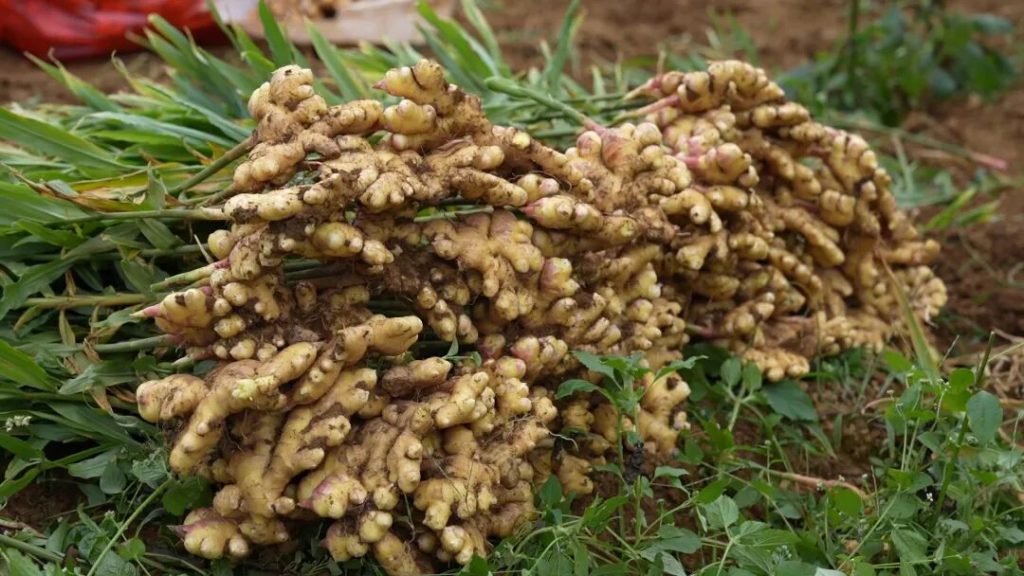
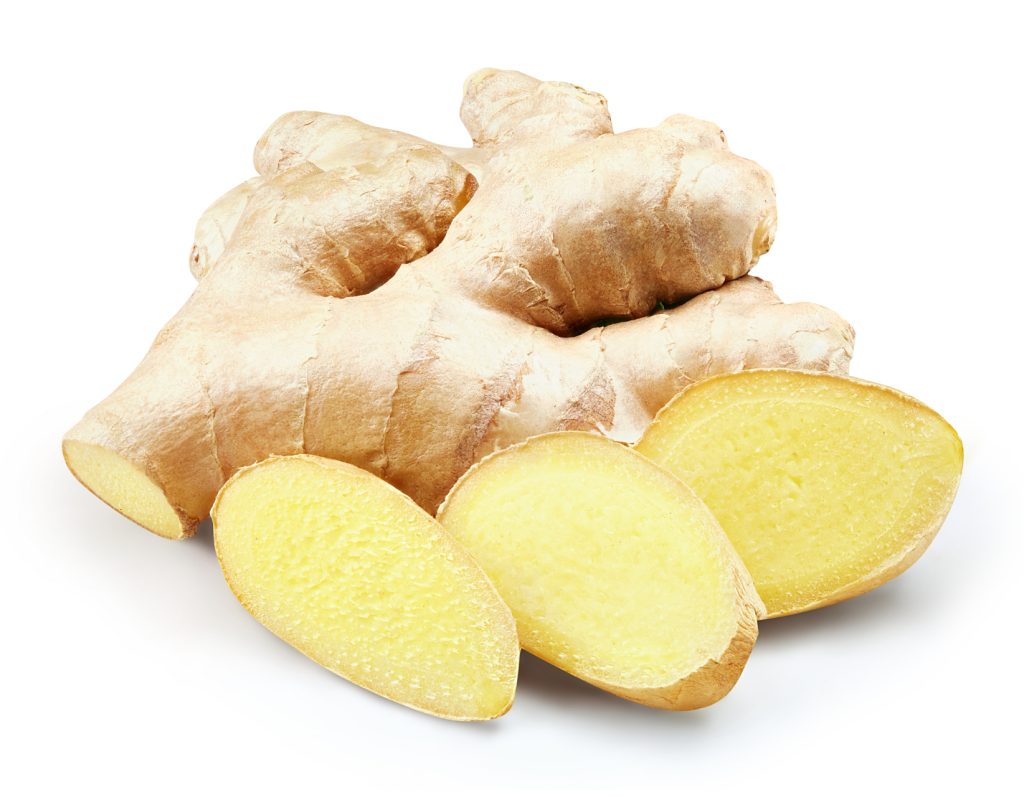
Fresh ginger is the most common export product. It is widely used in cooking, beverages, and traditional medicine.
2.2 Air-Dried Ginger
This type has lower moisture content, longer shelf life, and is suitable for long-distance transportation.
2.3 Dehydrated Ginger
Used in food processing, tea production, and spice blending industries.
2.4 Ginger Powder
Finely ground ginger powder is widely used in health products and seasoning.
2.5 Organic Ginger
Certified organic ginger is increasingly popular in Europe, North America, and Australia.
3. How to Find Reliable Ginger Suppliers in China
Choosing the right supplier is the most important step.
3.1 Supplier Types
- Direct farms
- Processing factories
- Trading companies
- Export agents
Each has its advantages. Farms offer lower prices; factories provide stable quality; trading companies handle documentation and logistics more smoothly.
3.2 Where to Find Suppliers
- B2B platforms
- Trade fairs
- Industry directories
- Independent websites
- Google search
3.3 Supplier Verification Checklist
- Business license
- Export qualification
- Previous shipment records
- Product photos and videos
- Sample testing
- Certifications (GlobalGAP, HACCP, Organic, etc.)
4. Quality Standards and Specifications
Before signing a contract, clearly define quality requirements.
Typical specifications include:
- Size (100g–150g, 150g–200g, 200g+)
- Skin condition (clean, no mold, no cuts)
- Moisture content
- Color
- Pungency level
- Packaging type
- Shelf life
Professional suppliers will provide inspection photos, videos, and third-party test reports.
5. Packaging Options for Ginger Export
Packaging plays a critical role in preserving freshness.
Common packaging:
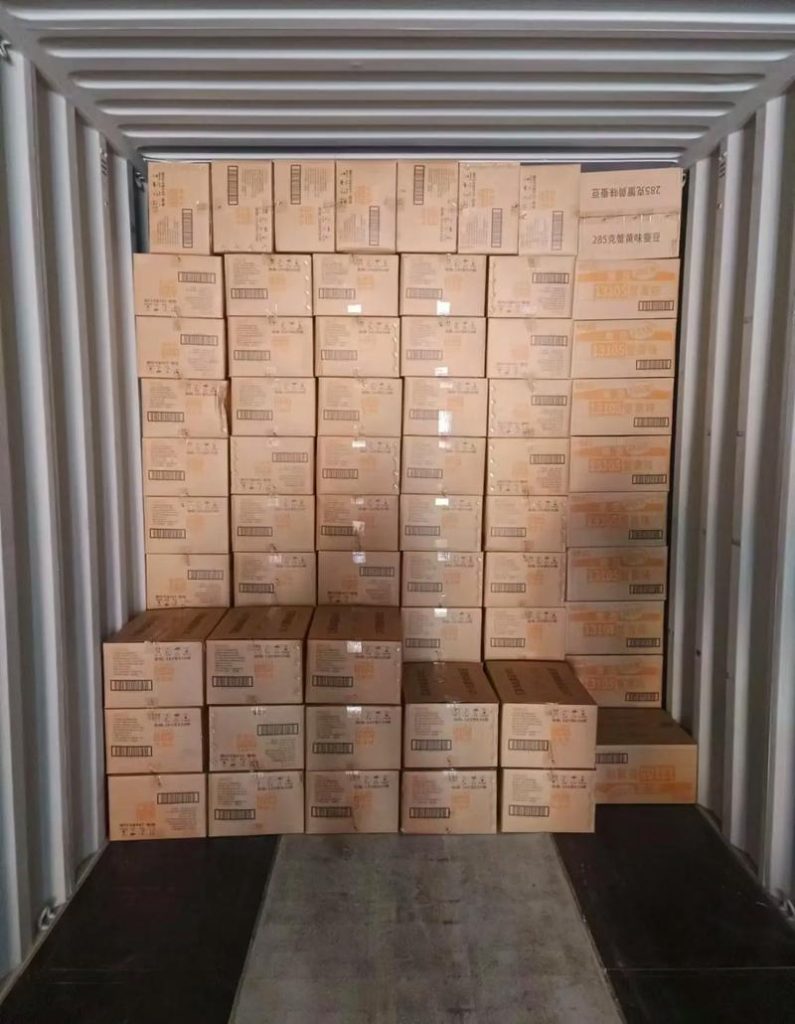
- Mesh bags (5kg, 10kg, 20kg)
- Cartons with ventilation holes
- Plastic crates
- Customized branded cartons
Inner packaging may include:
- Foam net
- Paper lining
- Moisture-absorbing sheets
6. Shipping Methods for Ginger Import
6.1 Sea Freight
Best for large volumes. Cost-effective but slower.
6.2 Air Freight
Fast but expensive. Suitable for urgent or high-value shipments.
6.3 Reefer Containers
Temperature-controlled containers help preserve freshness.
7. Required Documents for Importing Ginger
Typical documents include:
- Commercial invoice
- Packing list
- Bill of lading
- Certificate of origin
- Phytosanitary certificate
- Fumigation certificate
- Insurance policy
Different countries may require additional documents.
8. Customs Clearance and Import Regulations
Each country has its own import rules.
Common requirements:
- Pesticide residue limits
- Food safety compliance
- Labeling regulations
- Plant quarantine
Working with a professional customs broker is strongly recommended.
9. Pricing Structure and Cost Breakdown
Your final landed cost includes:
- Product price
- Packaging
- Inland transport
- Export customs clearance
- Sea or air freight
- Insurance
- Import duties
- VAT or GST
- Destination handling fees
10. Risk Control When Importing Ginger
Main risks:
- Quality mismatch
- Shipment delay
- Moisture damage
- Mold growth
- Customs rejection
Solutions:
- Third-party inspection
- Clear contract clauses
- Temperature monitoring
- Cargo insurance
- Trial orders
11. Why Importers Choose Chinese Ginger
China offers:
- Stable supply
- Mature export experience
- Competitive pricing
- Wide product range
- Flexible customization
- Fast production cycles
12. Tips for First-Time Ginger Importers
- Start with small quantities
- Request samples
- Use secure payment terms
- Work with professional freight forwarders
- Keep clear communication
13. Long-Term Business Strategy
Building long-term supplier relationships improves:
- Pricing stability
- Priority production
- Better quality control
- Faster response time
⭐⭐⭐⭐⭐
👤 James R. (🇺🇸 USA)
The ginger quality exceeded our expectations. Strong aroma, fresh, and well packed.
⭐⭐⭐⭐⭐
👤 Sophie L. (🇫🇷 France)
Reliable supplier, smooth shipping process, and very professional service.
⭐⭐⭐⭐⭐
👤 Mohamed A. (🇪🇬 Egypt)
We’ve been importing for two years now. Very stable quality.
⭐⭐⭐⭐⭐
👤 Daniel K. (🇩🇪 Germany)
Clean ginger, good size, no mold. Highly recommended.
⭐⭐⭐⭐⭐
👤 Maria S. (🇪🇸 Spain)
Excellent communication and fast documentation.
⭐⭐⭐⭐⭐
👤 William T. (🇨🇦 Canada)
The packaging was solid and moisture-controlled.
⭐⭐⭐⭐⭐
👤 Noah P. (🇦🇺 Australia)
Competitive pricing and professional service.
⭐⭐⭐⭐⭐
👤 Ahmed H. (🇸🇦 Saudi Arabia)
Fresh arrival, no damage. Will reorder.
⭐⭐⭐⭐⭐
👤 Lucas B. (🇧🇷 Brazil)
Our clients love the flavor.
⭐⭐⭐⭐⭐
👤 Ivan M. (🇷🇺 Russia)
Smooth customs clearance. Great support.
⭐⭐⭐⭐⭐
👤 Peter N. (🇳🇱 Netherlands)
Consistent quality every shipment.
⭐⭐⭐⭐⭐
👤 Hassan R. (🇦🇪 UAE)
Very professional export team.
⭐⭐⭐⭐⭐
👤 Emily W. (🇬🇧 UK)
One of the best ginger suppliers we’ve worked with.
Article link:https://www.vlefooena.com/how-to-import-ginger-from-china-complete-guide-for-global-buyers/


No reply content