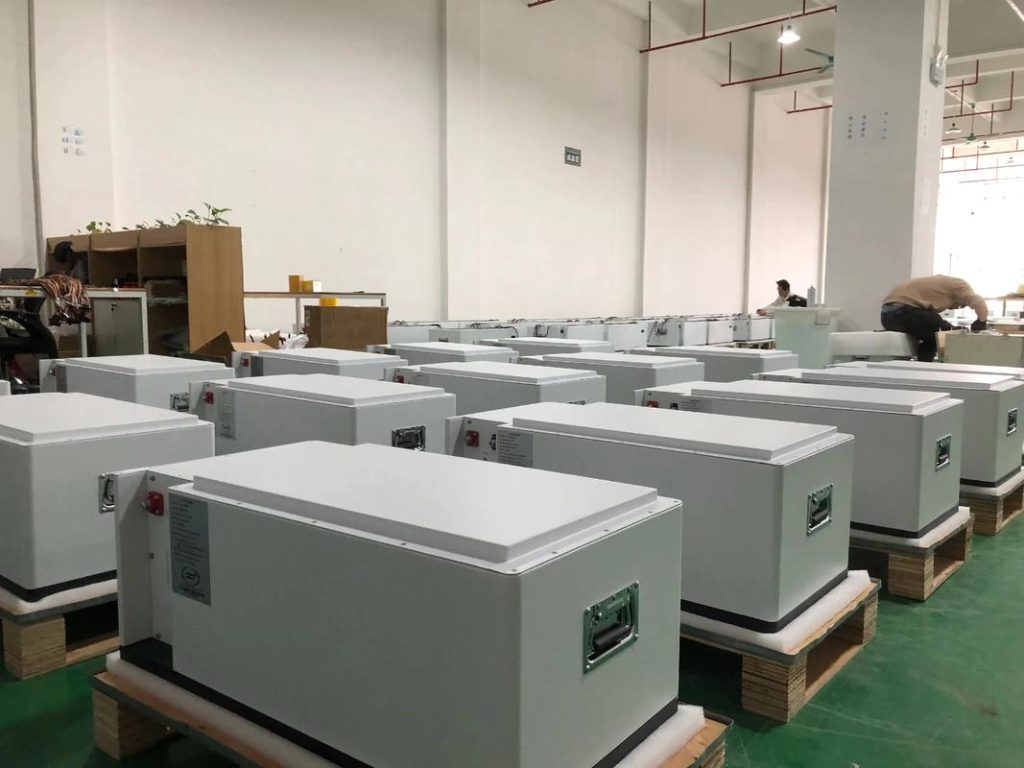

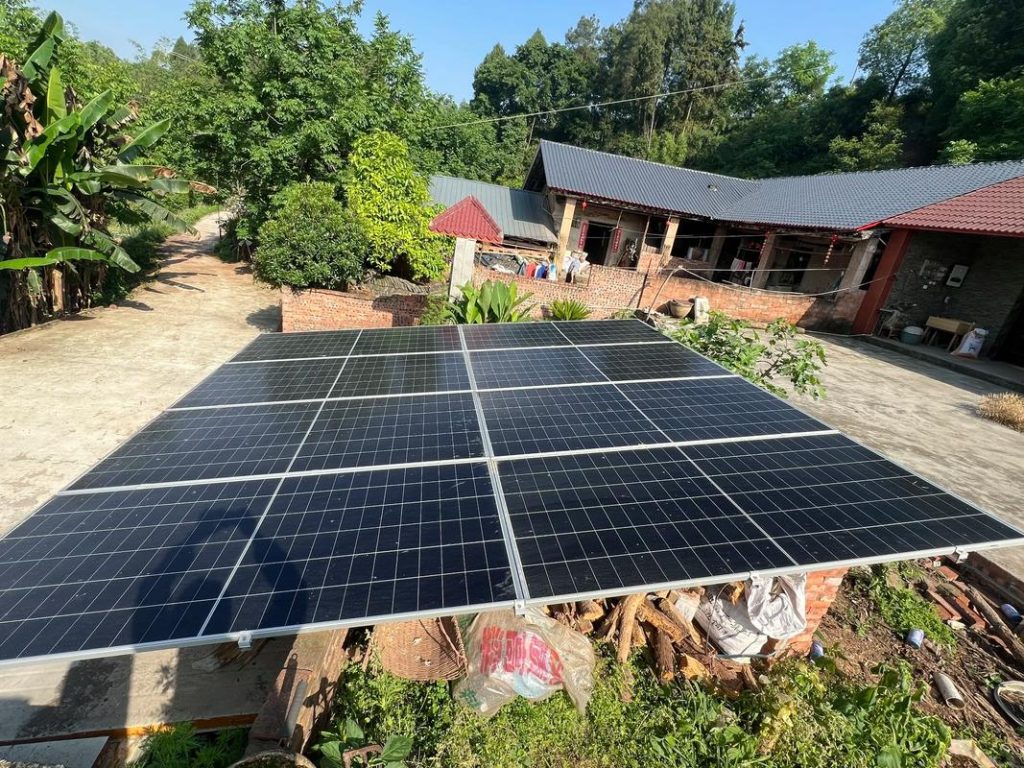
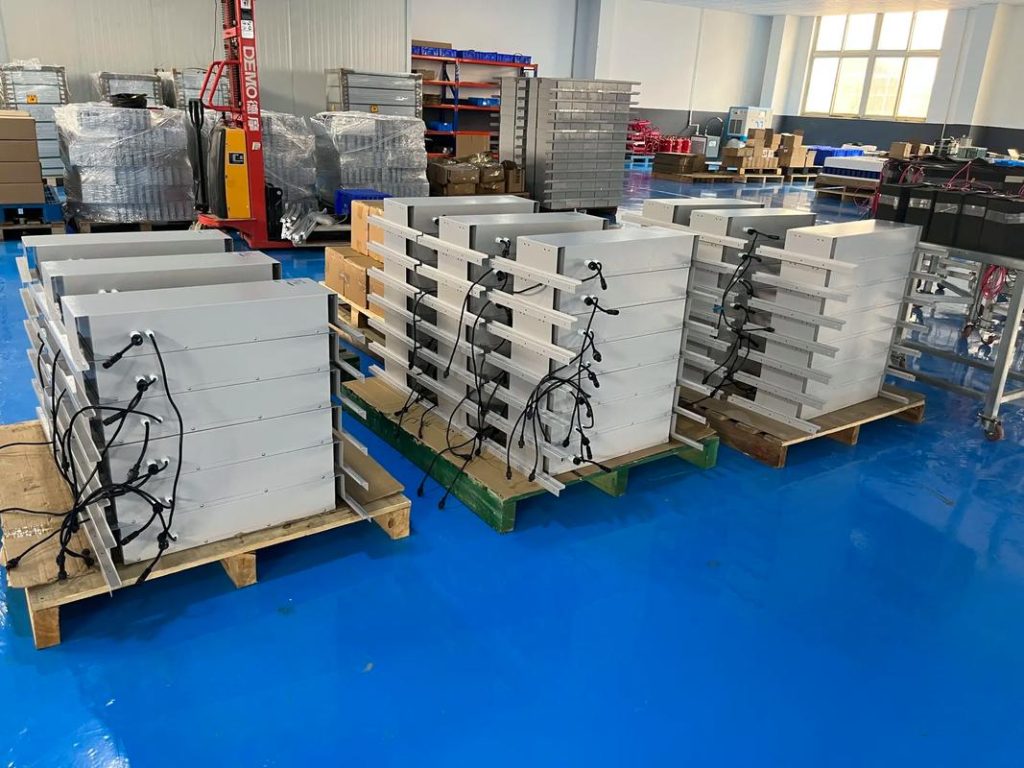
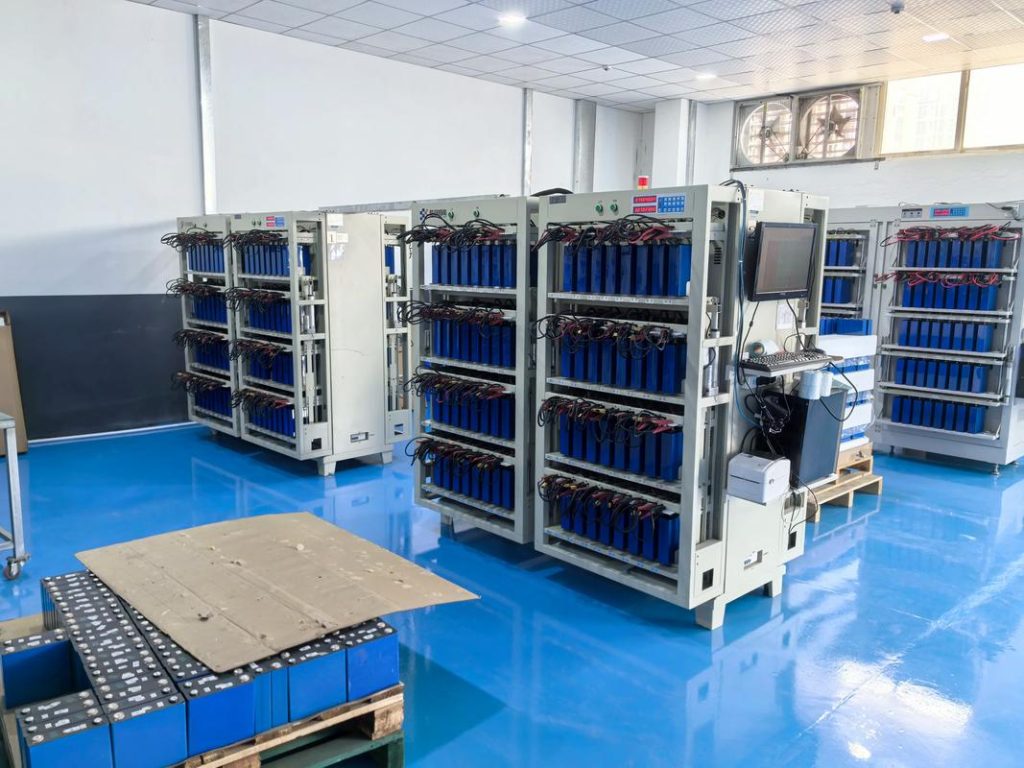
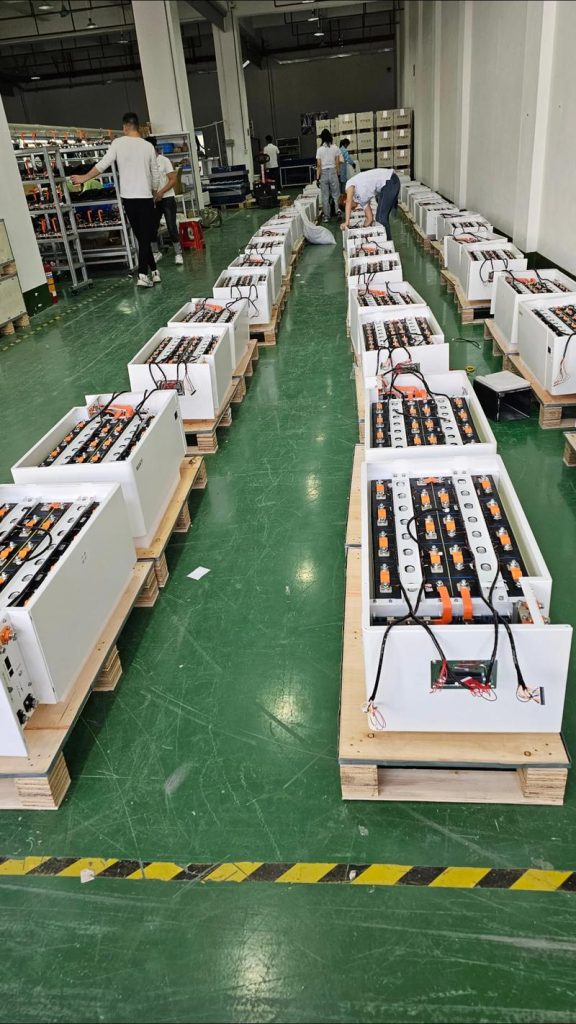
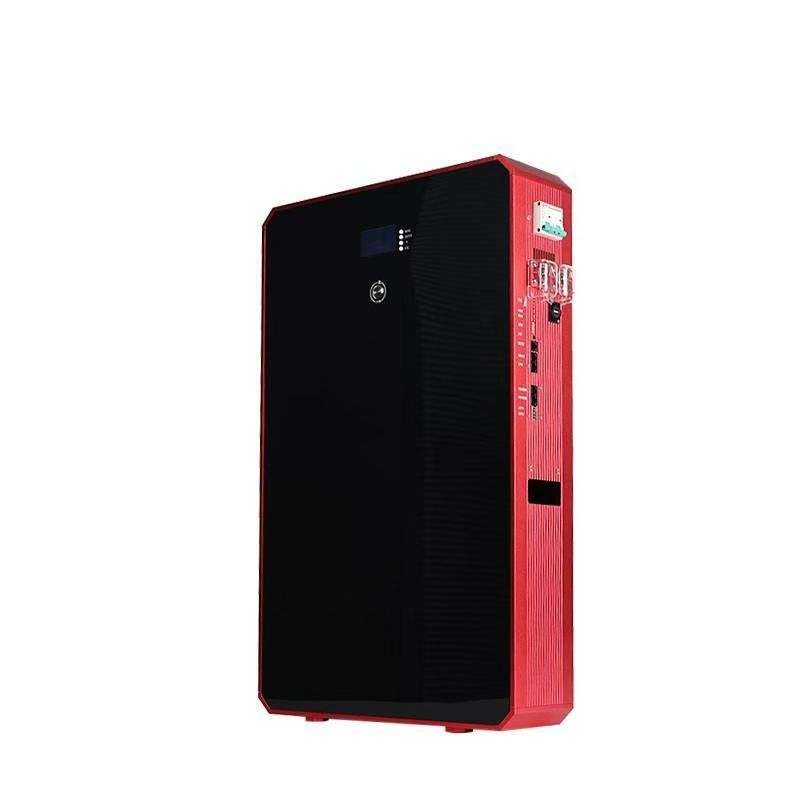
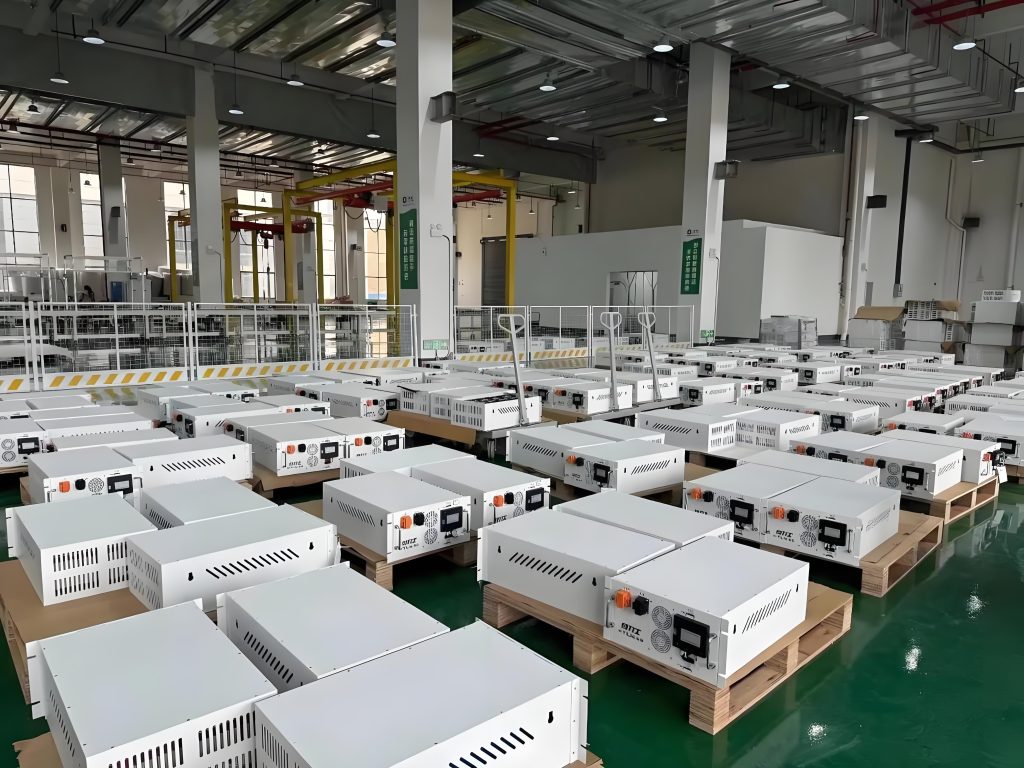
Choosing the right size for your home energy storage system is essential to maximize efficiency, backup reliability, and long-term savings. In 2026, homeowners have a wide range of options—from small 5kWh systems to large 20kWh+ installations. This guide explains how to calculate your energy needs, evaluate appliance loads, and select the appropriate battery capacity to ensure your system meets daily and emergency requirements.
1. Why Correct Sizing Matters
An incorrectly sized system can lead to:
- Insufficient backup during outages
- Wasted investment in unused capacity
- Reduced solar self-consumption efficiency
- Shortened battery lifespan due to over-cycling
Correct sizing ensures maximum value, reliability, and efficiency from your home energy storage system.
2. Step 1: Calculate Your Household Energy Consumption
Start by assessing your daily energy usage:
- Review utility bills to find average daily kWh consumption
- List high-power appliances (AC, water heater, oven, EV charger)
- Identify critical loads for backup versus optional loads
Example Daily Usage:
- Refrigerator: 1–2 kWh
- Lighting: 1 kWh
- Electronics: 0.5 kWh
- HVAC / fans: 2–4 kWh
This helps determine the minimum backup requirements.
3. Step 2: Determine Desired Backup Duration
Decide how long your system should provide power during an outage:
- Short-term outages: 4–8 hours
- Moderate outages: 12–24 hours
- Extended off-grid: 2+ days
Backup duration directly impacts battery capacity requirements.
4. Step 3: Calculate Required Battery Capacity
Use this formula to estimate needed battery size:
Example:
- Daily critical load: 5 kWh
- Desired backup: 1 day
- Lithium battery DoD: 90%
This ensures batteries are not over-discharged, prolonging lifespan.
5. Step 4: Account for System Losses and Efficiency
Battery systems are not 100% efficient. Consider:
- Round-trip efficiency (Lithium ~90–95%, Lead Acid ~70–80%)
- Inverter losses (~5–10%)
- Additional energy for system management
Example: 5.6 kWh × 1.1 (10% losses) ≈ 6.2 kWh total capacity needed
6. Step 5: Decide Between Partial or Whole-Home Backup
- Partial Backup: Powers only essential loads, lower cost, smaller capacity
- Whole-Home Backup: Powers all appliances, higher capacity, more expensive
Most homeowners start with partial backup to reduce costs while ensuring energy security.
7. Step 6: Consider Future Expansion
Choose a system that allows modular expansion:
- Add battery modules as energy needs grow
- Upgrade inverter if adding more solar panels
- Plan for future EV charging or home electrification
Modular systems ensure flexibility and reduce initial investment risk.
8. Step 7: Factor in Seasonal and Weather Variations
Energy demand and solar production vary:
- Winter: Lower solar generation, higher heating load
- Summer: Higher AC load, longer daylight for solar
- Cloudy/rainy periods reduce solar input
Oversizing slightly or combining with hybrid/grid support ensures reliability.
9. Step 8: Professional Assessment and Verification
While DIY sizing is possible, professional installers can:
- Analyze historical energy consumption
- Simulate outage scenarios
- Recommend optimal battery and inverter configuration
- Ensure compliance with safety standards and local regulations
Professional input prevents under-sizing or oversizing errors.
10. Common Mistakes to Avoid
- Choosing the battery solely based on cost, ignoring DoD and efficiency
- Neglecting to prioritize essential loads first
- Ignoring system losses and seasonal variations
- Failing to plan for future expansion
Careful planning avoids wasted investment and ensures reliable energy.
Conclusion
Properly sizing your home energy storage system in 2026 is crucial for reliability, efficiency, and long-term savings. By calculating daily consumption, determining backup duration, accounting for system losses, and planning for future expansion, homeowners can select the ideal battery capacity. A correctly sized system maximizes solar self-consumption, provides reliable backup during outages, and protects your investment for years to come.


No reply content