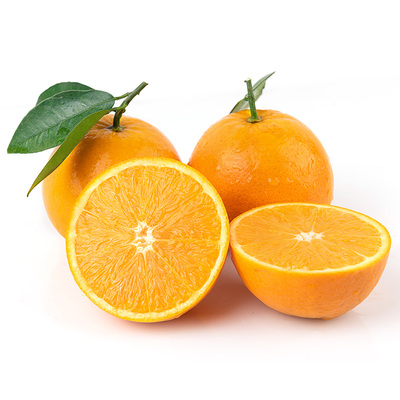
 For citrus growers, distributors, and wholesalers, the moment navel oranges leave the tree is the start of a race against time. These iconic winter fruits—known for their sweet, seedless flesh and easy-to-peel skin—are 80% water. That high moisture content makes them susceptible to mold, dehydration, and flavor loss. Cold storage isn’t just about keeping oranges “cold”; it’s about slowing their metabolism to a crawl, preserving texture, taste, and nutritional value for months. Done right, it can extend shelf life from 2–3 weeks at room temperature to 3–5 months in storage. Here’s the definitive guide to mastering navel orange cold storage.
Why Cold Storage Works for Navel Oranges
Navel oranges are “non-climacteric,” meaning they don’t ripen after harvest (unlike bananas or avocados). Their respiration rate—how quickly they consume oxygen and release ethylene gas—dictates freshness. At room temperature (20–25°C), respiration is rapid: sugars break down, membranes weaken, and mold spores (like Penicillium digitatum) thrive. Cold storage slows this process by:
-
Reducing respiration by 50–70% at optimal temperatures.
-
Inhibiting ethylene production (ethylene accelerates aging).
-
Slowing microbial growth (mold needs warmth and moisture to spread).
Step 1: Harvest Timing—The Foundation of Success
Oranges picked too early (underripe) lack sweetness and have thin skins prone to bruising. Picked too late (overripe), they’re already breaking down internally. The sweet spot:
-
Color: 90% orange peel (some green patches are normal; they’ll fade in storage).
-
Texture: Firm but slightly yielding to pressure (like a ripe avocado).
-
Harvest Method: Use clippers, not hands, to avoid puncturing the rind. Damaged fruit releases ethylene, spoiling nearby oranges.
Step 2: Pre-Cooling—Don’t Skip This Critical Step
Never store warm oranges directly in a cold room. Residual field heat (20–25°C) will raise the storage temperature, triggering condensation and mold. Pre-cool within 4–6 hours of harvest:
-
Hydrocooling: Submerge oranges in chilled water (0–2°C) for 10–15 minutes. Effective for large batches but requires clean, chlorinated water to prevent bacterial growth.
-
Forced-Air Cooling: Place oranges in crates with spacing between them; use fans to circulate cold air (2–5°C) until core temperature drops to 5°C (usually 12–24 hours). Ideal for delicate fruit.
-
Room Cooling: Leave oranges in a shaded, ventilated area (10–15°C) for 24 hours. Least effective but suitable for small-scale growers.
Step 3: Optimal Storage Conditions—Temperature, Humidity, and Gas
Cold storage isn’t “set it and forget it.” Three variables must align:
Temperature: 3–5°C (37–41°F)
This narrow range is critical. Below 3°C, oranges suffer “chilling injury”: the rind piths (white spongy layer), turning brown and bitter. Above 5°C, respiration speeds up, shortening shelf life. Use calibrated thermometers—digital probes are more accurate than dial gauges.
Humidity: 85–90% Relative Humidity (RH)
Oranges lose moisture rapidly at low humidity (below 80%), shrinking into “wrinkled” fruit. Too high (above 95%), and condensation forms, creating a breeding ground for mold. Maintain RH with:
-
Hygrostat-controlled humidifiers (best for large rooms).
-
Water trays placed near vents (simple for small-scale storage).
-
Avoid plastic wrapping (traps ethylene and promotes rot).
Ethylene Management: Ventilation or Absorbers
Though navel oranges produce little ethylene, nearby ripening fruits (bananas, tomatoes) can contaminate them. Ensure storage rooms have:
-
Continuous airflow (0.5–1.0 m/s) to disperse ethylene.
-
Potassium permanganate filters (absorbs ethylene gas). Replace filters every 3 months.
Step 4: Packaging—Protection Without Trapping Moisture
Choose packaging that balances protection and breathability:
-
Corrugated Fiberboard Cartons: Standard for wholesale. Opt for vented designs (holes or slits) to allow airflow. Avoid wax-coated boxes—they trap moisture.
-
Plastic Mesh Bags: Used for retail. Ensure bags have micro-perforations (look for tiny dots); solid plastic accelerates mold.
-
Palletizing: Stack cartons in rows with 10–15 cm gaps between layers for air circulation. Never stack more than 8 boxes high—bottom layers crush under weight.
Step 5: Monitoring—Catch Issues Early
Even with perfect conditions, problems arise. Inspect oranges weekly:
-
Visual Checks: Look for soft spots, green mold (early stage), or shriveling. Remove affected fruit immediately—one rotten orange can spoil 10 nearby.
-
Core Temperature: Use a probe thermometer to check internal temp. If it rises above 6°C, increase cooling capacity.
-
Humidity Logs: Record RH daily. Adjust humidifiers/dehumidifiers if readings drift outside 85–90%.
Common Mistakes to Avoid
-
Storing with Other Fruits: Bananas, apples, and pears emit high ethylene—keep them far away.
-
Overpacking Pallets: Crushed oranges bruise easily, releasing ethylene and inviting mold.
-
Ignoring Pre-Cooling: Skipping this step can cut shelf life in half.
-
Using Dirty Containers: Wash crates with a 1:100 bleach solution to kill mold spores.
Post-Storage: Transitioning to Market
When ready to sell, don’t rush the transition. Move oranges from 3–5°C to 10–15°C over 24 hours. Sudden temperature changes cause condensation (“sweating”), which rots the rind. For retail, display oranges in well-ventilated bins at 10–12°C—refrigerated displays are ideal, but if using ambient shelves, rotate stock every 2 days.
Final Tip: Know Your Orange’s “Use By” Date
Even under perfect conditions, navel oranges lose quality over time. For best flavor:
-
0–1 month: Peak sweetness, firm texture.
-
1–3 months: Slightly less juicy but still excellent for juicing.
-
3–5 months: Best for cooking (marmalade, sauces) as flavor mellows.
By following these steps, you’re not just storing oranges—you’re preserving the sun-ripened taste of the orchard for months. For small-scale growers, a modified chest freezer (set to 4°C with a hygrometer) can work; for commercial operations, invest in a purpose-built cold room with precise climate controls. Either way, the payoff is the same: customers biting into a navel orange that tastes as fresh as the day it was picked.
Article link:https://www.vlefooena.com/how-to-store-navel-oranges-in-cold-storage/


No reply content