


China has become one of the world’s most important agricultural exporters, supplying fresh vegetables to markets across Asia, Europe, the Middle East, and North America. Among these products, carrots stand out for their long shelf life, versatility, and year-round availability. Importing carrots from China offers global buyers access to consistent supply, competitive pricing, and increasingly sophisticated quality control systems.
However, successful importing requires more than just placing an order. Buyers must understand production standards, grading systems, logistics requirements, packaging options, and compliance regulations. This guide explains how to import carrots from China efficiently and safely.
Why Import Carrots from China?
China’s carrot export industry benefits from large-scale farming operations, advanced agricultural technology, and strong logistics infrastructure. Unlike countries with short harvest windows, China can supply carrots throughout most of the year by utilizing different growing regions.
Key advantages include:
- Large production capacity
- Stable supply volumes
- Competitive pricing
- Modern sorting and washing facilities
- Flexible packaging options
- Expanding cold chain networks
These factors make Chinese carrots especially attractive for wholesalers, supermarket chains, food processors, and catering businesses.
Common Types of Carrots for Export
When importing carrots from China, buyers can choose from several formats depending on their market needs.
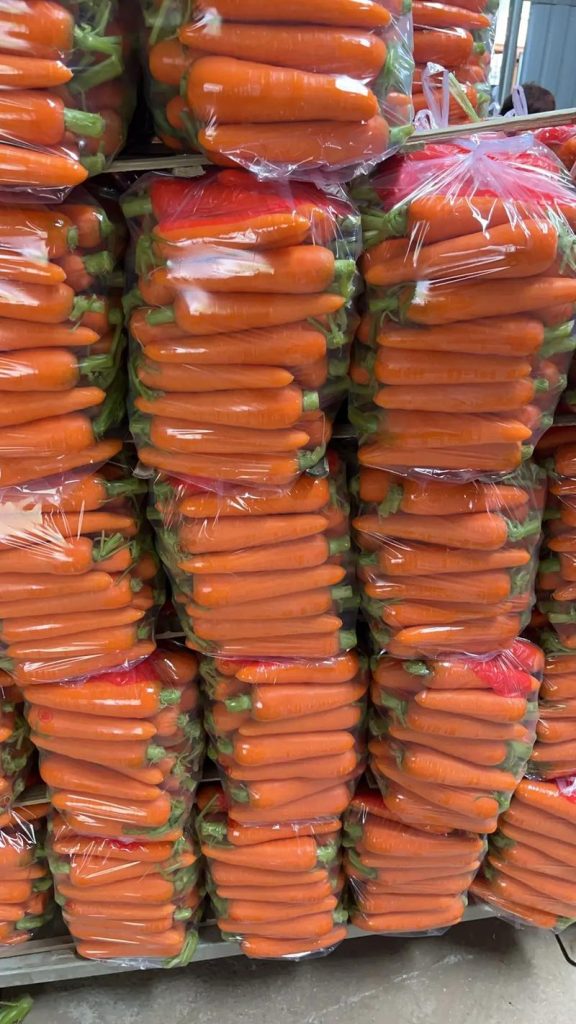
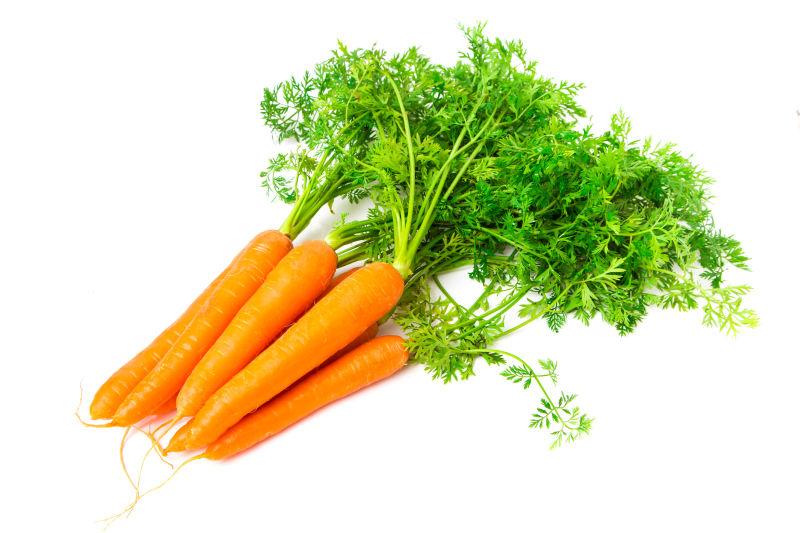
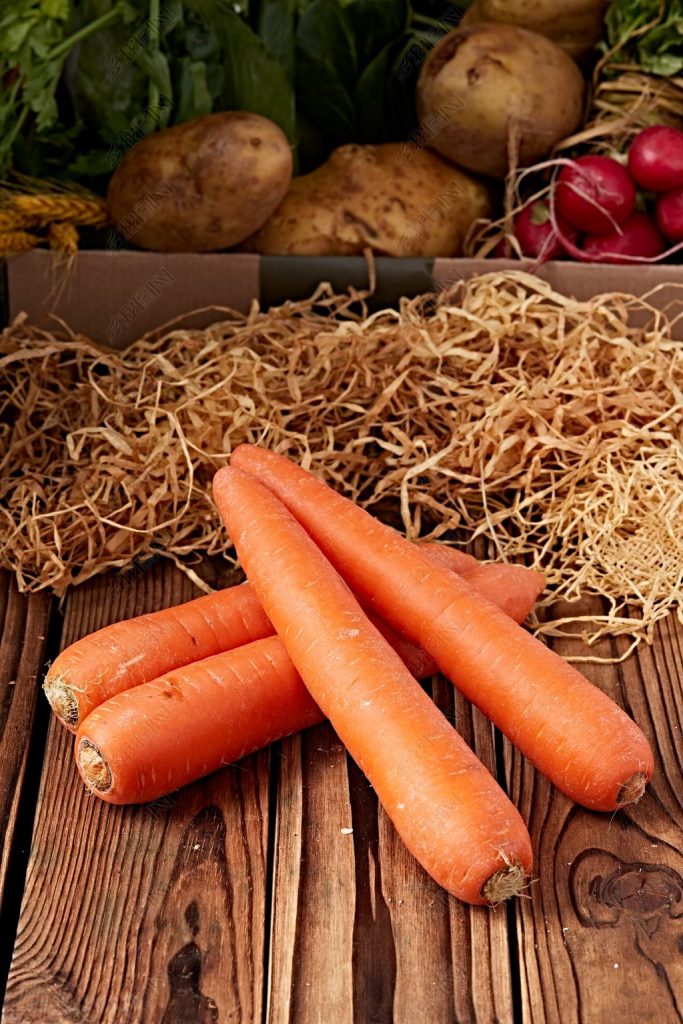
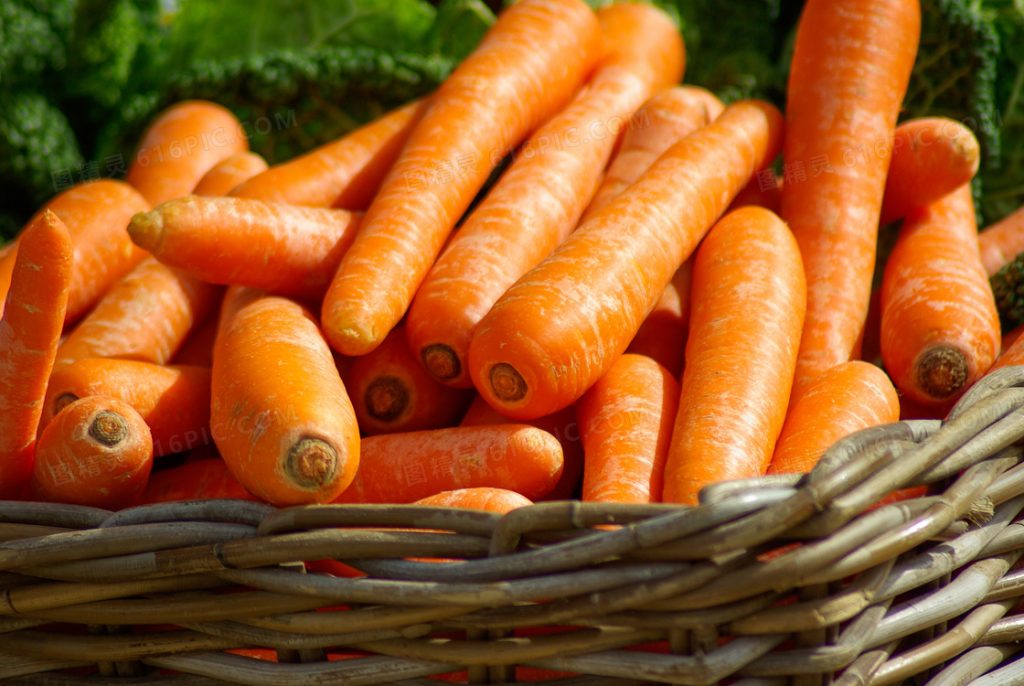
Fresh whole carrots are the most common export product. These are typically washed, graded, and packed for long-distance shipping.
Other formats include:
- Baby carrots
- Peeled carrots
- Sliced or shredded carrots
- Frozen diced carrots
- Carrot puree for processing
Each type has different shelf-life characteristics and packaging requirements.
Quality Standards and Grading
Export-grade carrots are sorted according to strict standards. These usually include:
- Uniform length and diameter
- Smooth surface
- Bright color
- No cracks or bruises
- Firm texture
- Low moisture loss
Higher-grade carrots maintain freshness longer and experience fewer losses during transit.
Professional exporters use optical sorting systems and manual inspections to ensure consistency.
Post-Harvest Handling
Post-harvest handling plays a major role in preserving carrot quality. After harvesting, carrots typically go through:
- Washing to remove soil and debris
- Sorting by size and shape
- Drying to prevent mold
- Pre-cooling
- Cold storage
This process minimizes dehydration and slows down spoilage.
Packaging Options
Packaging affects both shelf life and market appeal. Importers can choose from several options:
- Mesh bags for bulk sales
- Cartons with inner liners
- Vacuum-sealed retail packs
- Modified atmosphere packaging
For long-distance shipments, moisture retention and ventilation are critical.
Cold Chain Logistics
Carrots must be kept under controlled temperatures from harvest to arrival.
Ideal conditions include:
- Temperature: 0–2°C
- High humidity
- Good airflow
- Minimal temperature fluctuation
A reliable cold chain reduces spoilage, preserves texture, and maintains flavor.
Shipping Methods
Most carrots are shipped by sea using refrigerated containers. For urgent or premium markets, air freight may be used, though it is significantly more expensive.
Transit time depends on the destination, but proper cold chain management allows carrots to remain fresh for several weeks.
Export Documentation
When importing carrots from China, you will typically receive:
- Commercial invoice
- Packing list
- Certificate of origin
- Phytosanitary certificate
- Bill of lading
- Quality inspection report
Accurate documentation is essential for customs clearance.
Pricing Factors
The price of Chinese carrots depends on:
- Harvest season
- Grade level
- Size uniformity
- Packaging type
- Order quantity
- Shipping distance
It is important to evaluate total landed cost rather than just the product price.
How to Choose a Reliable Supplier
A trustworthy exporter should provide:
- Clear product specifications
- Quality inspection reports
- Pre-shipment photos or videos
- Transparent pricing
- Stable communication
- Export references
Avoid suppliers who refuse to provide documentation or samples.
Common Importing Mistakes
New buyers often face problems because they:
- Choose the cheapest option without checking quality
- Ignore cold chain requirements
- Overlook packaging suitability
- Fail to verify certifications
- Underestimate transit risks
A strategic approach prevents costly mistakes.
Future Outlook
Global demand for fresh vegetables continues to grow, driven by health-conscious consumers and expanding urban populations. China is expected to strengthen its position in the carrot export market through improved farming technology, sustainability practices, and traceability systems.
For importers, long-term partnerships with professional suppliers offer the best path to stability and growth.
Article link:https://www.vlefooena.com/importing-carrots-from-china-a-practical-guide-for-global-buyers/


No reply content