Importing potatoes from China offers international buyers access to large-scale production, competitive pricing, and consistent supply. This comprehensive guide explains sourcing methods, quality standards, packaging, logistics, customs clearance, cost control, and risk management, helping importers build reliable supply chains while ensuring product safety, freshness, and long-term business success.
1. Why Import Potatoes from China?
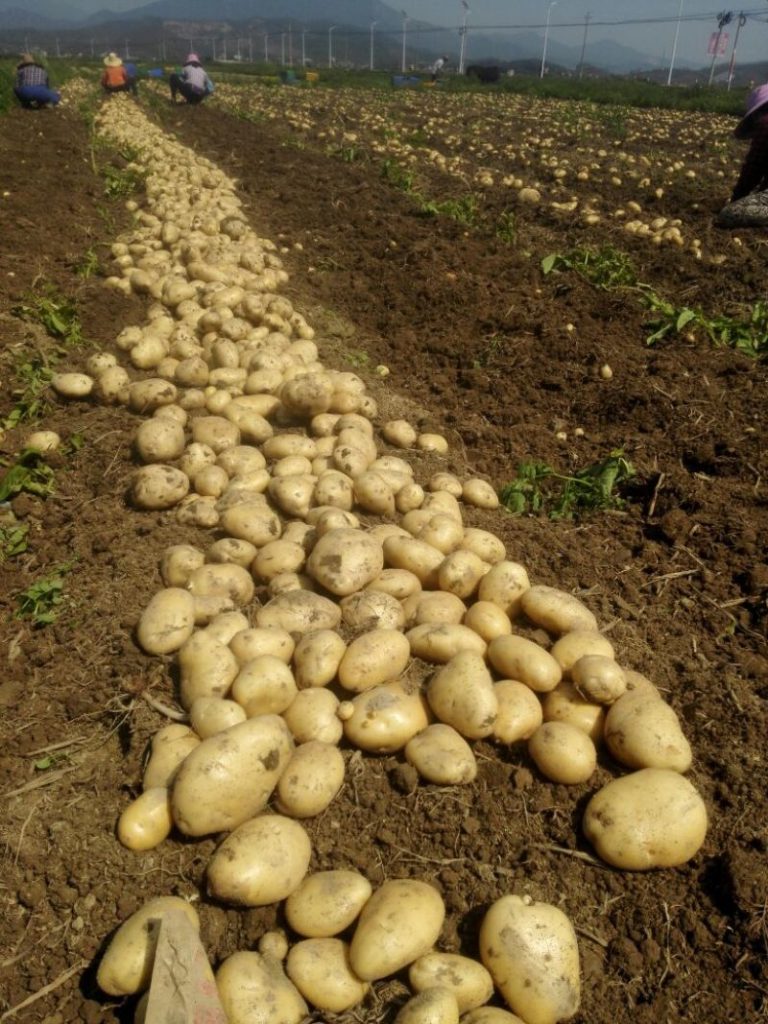
China is one of the world’s largest agricultural producers, with extensive experience in potato cultivation. Its diverse climate zones allow for year-round production, making it a stable supplier for global markets. Importers choose China due to its strong farming infrastructure, efficient logistics networks, and ability to fulfill large-volume orders.
Potatoes grown in China are widely used for fresh consumption, processing, and industrial food production. The country’s advanced cold chain systems and modern packaging technologies further support long-distance shipping.
Key advantages include:
- Large-scale production capacity
- Competitive cost structure
- Wide variety of potato types
- Consistent year-round availability
- Well-developed export systems
2. Understanding Potato Varieties for Export
Different markets require different types of potatoes. Importers should understand what varieties are available and which suit their target consumers.
2.1 Fresh Consumption Varieties
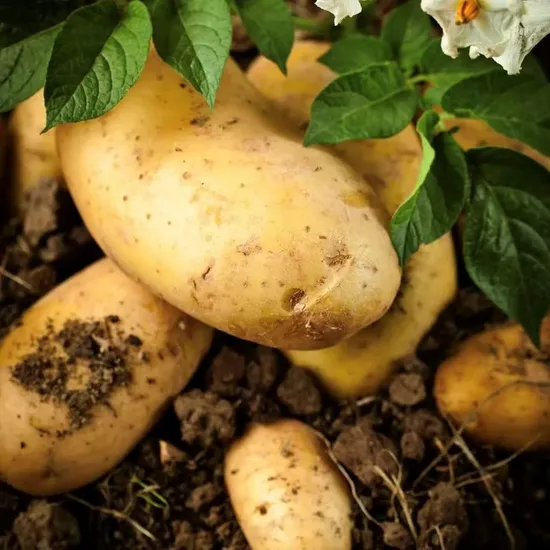
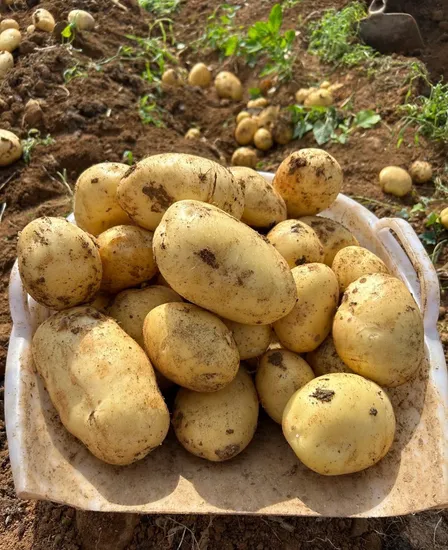
These potatoes are typically medium-sized, smooth-skinned, and suitable for boiling, baking, and frying.
2.2 Processing Varieties
These are used for chips, fries, flakes, and starch production. They usually contain higher dry matter content and lower sugar levels.
2.3 Specialty Potatoes
Includes baby potatoes, colored varieties, and organic options. These are often marketed as premium products.
Choosing the right variety is essential for meeting market expectations and regulatory standards.
3. Quality Standards and Grading
Potato quality is assessed based on:
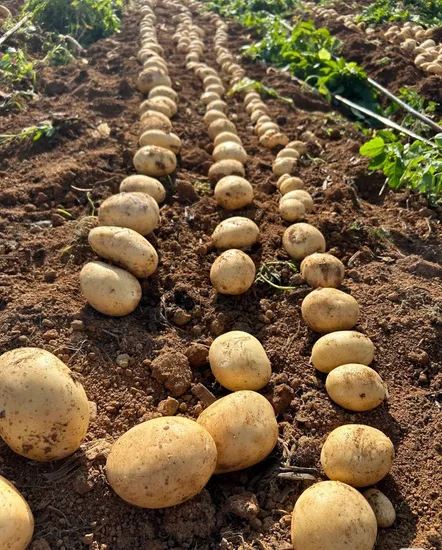
- Size uniformity
- Skin smoothness
- Absence of mechanical damage
- Low moisture loss
- Freedom from pests and diseases
Most exporting suppliers follow international grading systems. Buyers should request detailed grading specifications before placing bulk orders.
4. Packaging Methods
Proper packaging is essential to preserve freshness and prevent damage during transportation.
4.1 Bulk Packaging
Commonly used for wholesale buyers. Typically packed in mesh bags or woven sacks.
4.2 Retail Packaging
Includes branded cartons, vacuum bags, or plastic pouches.
4.3 Modified Atmosphere Packaging
Used to extend shelf life by controlling oxygen and carbon dioxide levels.
High-quality packaging reduces spoilage and ensures product safety.
5. Storage and Shelf Life
Potatoes must be stored under controlled conditions to prevent sprouting, rot, and dehydration.
Ideal storage conditions:
- Temperature: 4–10°C
- Humidity: 85–90%
- Proper ventilation
- No direct sunlight
Maintaining these conditions throughout the supply chain is critical for preserving quality.
6. Finding Reliable Suppliers
Importers should focus on long-term partnerships rather than short-term transactions.
6.1 Supplier Evaluation Criteria
- Production capacity
- Export experience
- Certifications
- Quality control processes
- Communication efficiency
6.2 Sample Orders
Always request samples before committing to large purchases.
6.3 Factory Audits
On-site or third-party audits help ensure compliance with quality standards.
7. Certifications and Compliance
Depending on destination country regulations, potatoes may require:
- Phytosanitary certificates
- Origin documentation
- Food safety compliance
- Pesticide residue reports
- Organic certifications (if applicable)
Buyers should verify documentation requirements before shipment.
8. Pricing Structure
The final import price includes multiple components:
- Farm gate price
- Sorting and grading costs
- Packaging expenses
- Inland transportation
- Export documentation
- International freight
- Insurance
- Customs duties
- Destination port charges
Understanding these elements helps importers avoid unexpected costs.
9. Shipping Methods
9.1 Sea Freight
Best for large volumes. Requires temperature-controlled containers.
9.2 Air Freight
Suitable for urgent shipments or premium potatoes.
9.3 Multimodal Transport
Combines rail, sea, and truck transport for optimized delivery.
Selecting the right method depends on cost, urgency, and product sensitivity.
10. Customs Clearance Process
Each country has its own import requirements. Common documents include:
- Commercial invoice
- Packing list
- Bill of lading
- Phytosanitary certificate
- Certificate of origin
Working with experienced customs brokers reduces clearance delays.
11. Risk Management
Importing fresh produce involves risks that must be proactively managed.
11.1 Quality Risks
Solved by inspections, sampling, and strict supplier controls.
11.2 Logistics Risks
Minimized through reliable shipping partners and insurance.
11.3 Regulatory Risks
Reduced by understanding import rules in advance.
12. Building Long-Term Supplier Relationships
Successful importers focus on consistency, transparency, and trust.
Benefits of long-term partnerships:
- Stable pricing
- Priority production slots
- Faster response times
- Better customization
- Improved reliability
13. Market Trends in the Global Potato Trade
Modern consumers demand:
- Organic products
- Traceability
- Sustainable farming
- Eco-friendly packaging
- Nutritional transparency
Importers who adapt to these trends gain competitive advantage.
14. Sustainability Considerations
Sustainability is becoming a major purchasing factor.
Best practices include:
- Reducing food waste
- Using biodegradable packaging
- Lowering carbon footprints
- Ethical labor practices
15. Conclusion
Importing potatoes from China can be highly profitable when managed properly. With the right supplier selection, quality control processes, logistics planning, and compliance strategy, buyers can build a stable, scalable, and efficient supply chain. Long-term success depends on transparency, communication, and continuous improvement.
⭐⭐⭐⭐⭐ Customer Reviews
⭐⭐⭐⭐⭐
👤 James W. 🇺🇸 USA
“Excellent quality, consistent size, and smooth import process.”
⭐⭐⭐⭐⭐
👤 Liam R. 🇬🇧 UK
“Very fresh upon arrival, great packaging, and professional handling.”
⭐⭐⭐⭐⭐
👤 Oliver K. 🇨🇦 Canada
“Strong supplier communication and reliable shipping timelines.”
⭐⭐⭐⭐⭐
👤 Mateo S. 🇪🇸 Spain
“High-grade potatoes, perfect for retail distribution.”
⭐⭐⭐⭐⭐
👤 Lucas T. 🇧🇷 Brazil
“Great value for bulk purchases, very satisfied.”
⭐⭐⭐⭐⭐
👤 Noah B. 🇦🇺 Australia
“Clean, well-sorted, and long shelf life.”
⭐⭐⭐⭐⭐
👤 Ethan P. 🇳🇿 New Zealand
“Consistent quality across multiple orders.”
⭐⭐⭐⭐⭐
👤 Daniel M. 🇩🇪 Germany
“Reliable shipments and excellent post-sale service.”
⭐⭐⭐⭐⭐
👤 Marco F. 🇮🇹 Italy
“Perfect for food processing applications.”
⭐⭐⭐⭐⭐
👤 Hugo L. 🇫🇷 France
“Premium quality, very competitive pricing.”
⭐⭐⭐⭐⭐
👤 Ahmad Z. 🇦🇪 UAE
“Professional export handling, very satisfied.”
⭐⭐⭐⭐⭐
👤 Yusuf H. 🇹🇷 Turkey
“Clean, fresh, and well packaged.”
⭐⭐⭐⭐⭐
👤 Samuel N. 🇿🇦 South Africa
“Smooth customs process and excellent product quality.”
Article link:https://www.vlefooena.com/importing-potatoes-from-china-a-complete-guide-for-global-buyers/


No reply content