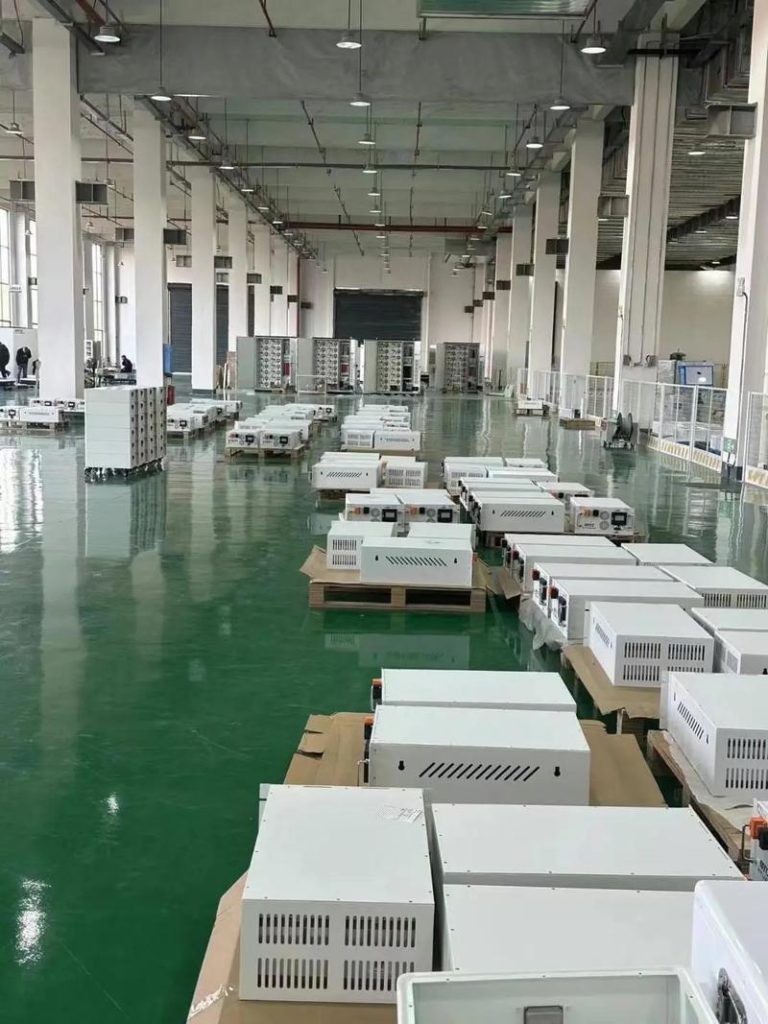
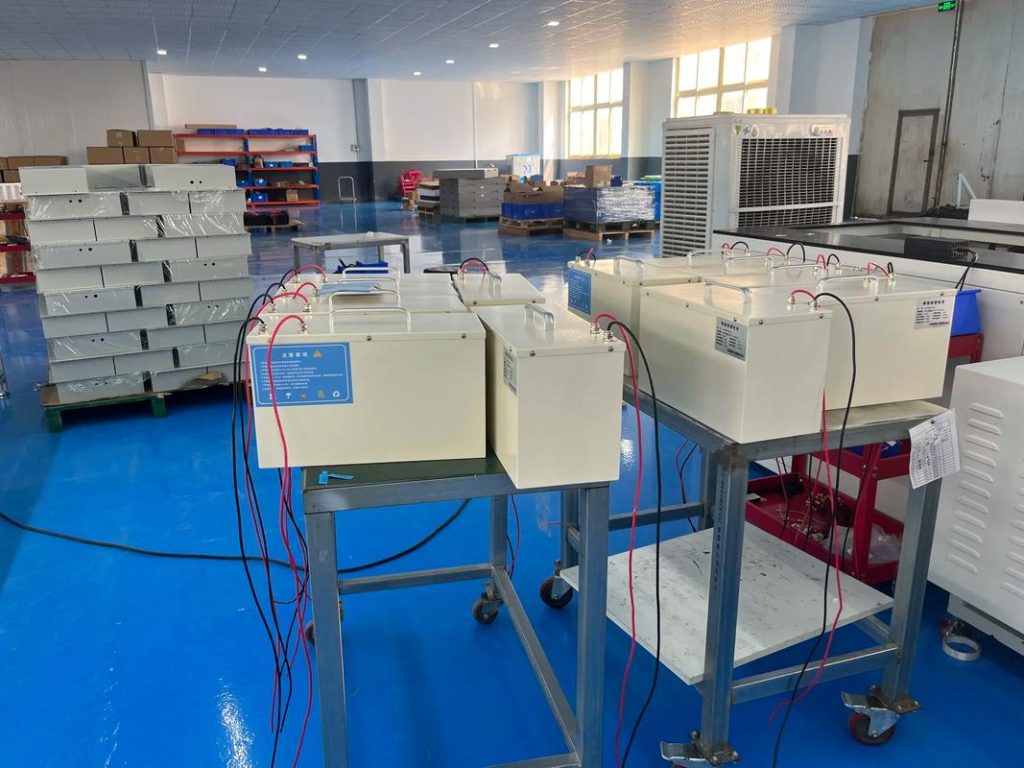
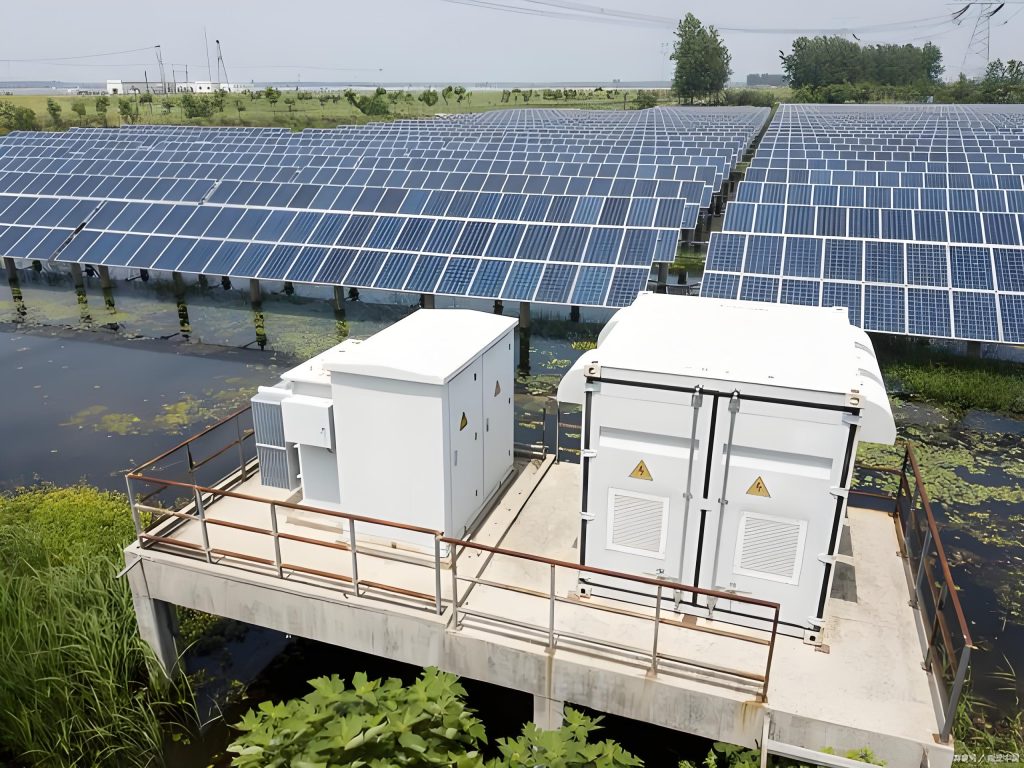
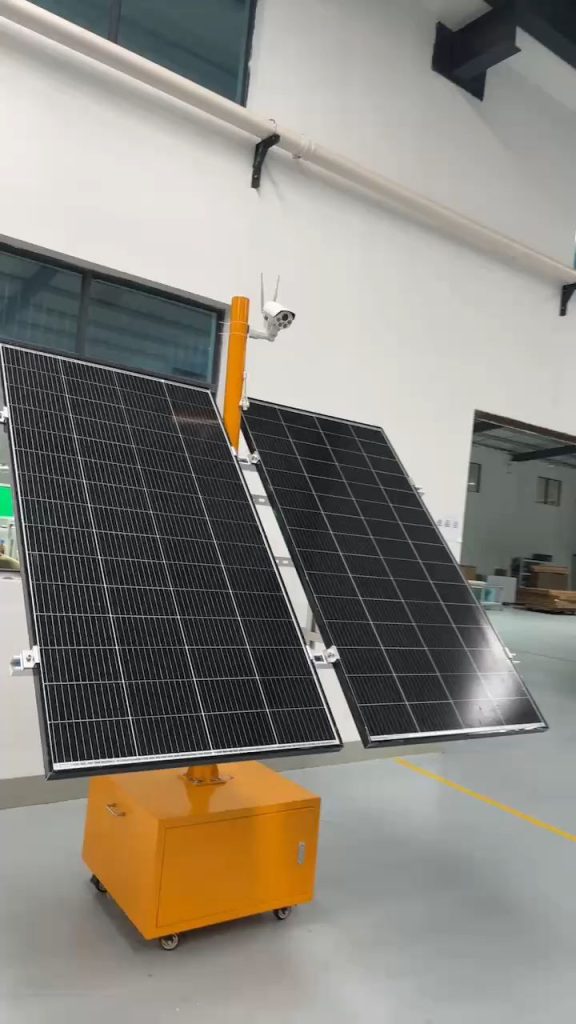
For many international buyers, importing solar power generation equipment from China begins as a cost-driven decision. Lower prices, wide product availability, and fast production capacity are often the first attractions. However, experienced buyers quickly realize that long-term success in solar projects depends far more on understanding systems, supply chains, and cooperation models than on chasing the lowest quotation.
China has become the backbone of the global solar industry, not simply because it produces solar equipment at scale, but because it has accumulated deep operational knowledge across thousands of real-world projects. Understanding how to tap into this ecosystem effectively separates successful solar importers from those who struggle with delays, performance issues, and unexpected costs.
This article explores what seasoned buyers understand about importing solar power equipment from China—and what newcomers often overlook.
1. Solar Equipment Is Infrastructure, Not a Commodity
One of the most common beginner mistakes is treating solar equipment as a standardized commodity. In reality, solar power systems are long-term infrastructure assets expected to operate reliably for 20 to 30 years.
Experienced buyers approach solar imports with an infrastructure mindset, focusing on:
- Long-term performance stability
- Compatibility between components
- Availability of technical support
- Upgrade and expansion potential
Chinese manufacturers that serve global markets understand this mindset and increasingly design products for long operational lifecycles rather than short-term sales.
2. China’s Solar Industry Is an Ecosystem, Not a Single Supplier
New buyers often search for “the best supplier.” Veteran buyers search for the right ecosystem fit.
China’s solar manufacturing advantage lies in its dense industrial clusters, where panel producers, inverter developers, battery factories, and component suppliers operate within the same regions. This proximity enables faster innovation, better compatibility, and rapid response to technical issues.
Working with suppliers inside this ecosystem allows buyers to benefit from:
- Faster customization
- Easier system integration
- Better problem-solving efficiency
Understanding this ecosystem helps buyers evaluate suppliers beyond surface-level marketing materials.
3. Solar Panels Are Only as Good as the System Around Them
Panels receive the most attention, but experienced importers know that system performance depends on the weakest component.
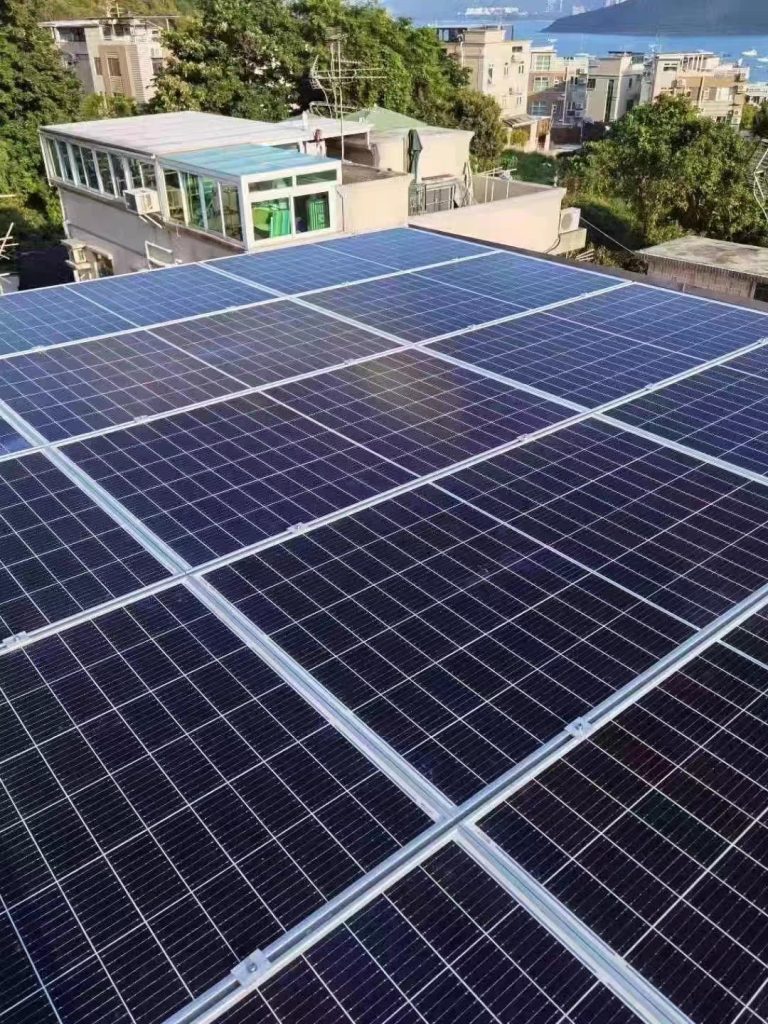
A high-efficiency panel paired with a poorly matched inverter or inadequate mounting structure will underperform. Chinese suppliers increasingly emphasize system-level optimization, offering solutions designed to work together rather than standalone products.
Buyers who focus on complete system compatibility experience fewer installation issues and more stable long-term output.
4. Efficiency Numbers Are Not the Whole Story
Beginners often compare panels by wattage alone. Experienced buyers look deeper.
Key factors that matter in real-world operation include:
- Power degradation rate over time
- Performance under high temperatures
- Resistance to humidity and corrosion
- Mechanical durability under wind and snow loads
Chinese manufacturers with export experience typically provide detailed test data because they understand these factors directly affect project profitability.
5. Inverters Are the “Brain” of the Solar System
Inverter selection is where many projects succeed or fail.
Modern Chinese inverters are no longer simple converters. They function as intelligent control centers that manage energy flow, grid interaction, and system protection.
Experienced buyers evaluate inverters based on:
- Grid support capabilities
- Compatibility with energy storage
- Software upgrade pathways
- Remote monitoring reliability
Choosing an inverter with future expansion in mind reduces upgrade costs later.
6. Energy Storage Is Becoming a Strategic Decision, Not an Add-On
In many markets, energy storage was once optional. Today, it is becoming essential.
Seasoned buyers understand that batteries are not just backup devices but tools for:
- Energy cost optimization
- Load management
- Grid independence
- Power quality improvement
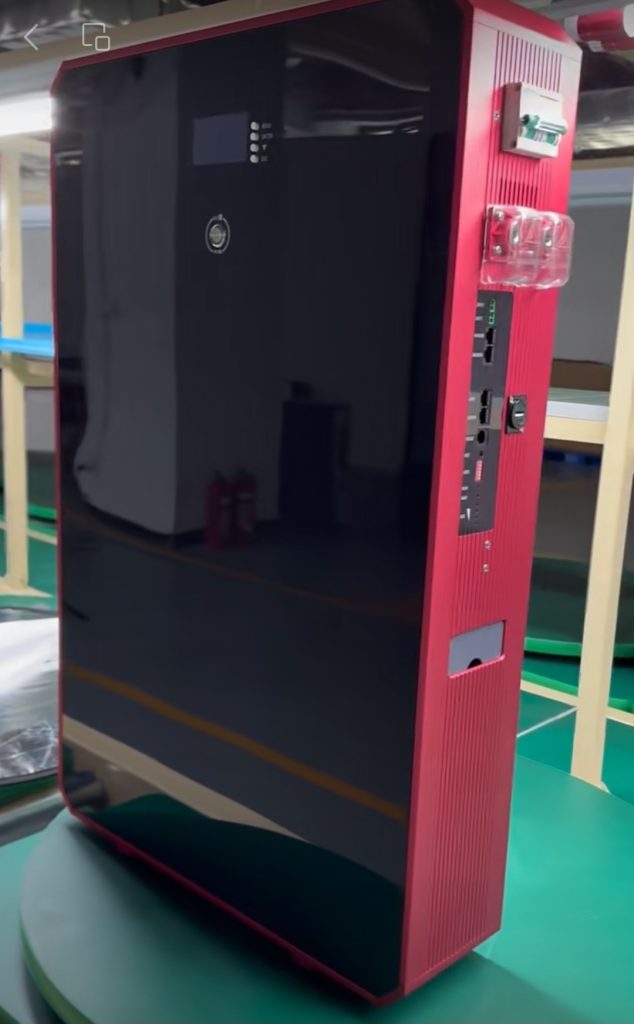
Chinese manufacturers lead in lithium iron phosphate battery technology, offering solutions designed specifically for solar integration rather than generic storage use.
7. Certification Strategy Can Determine Market Access
New buyers often treat certification as a final checkbox. Experienced buyers treat it as a market-entry strategy.
Certifications influence:
- Import approval
- Insurance coverage
- Project financing
- End-customer trust
Suppliers familiar with international markets help buyers align certification choices with long-term business plans, avoiding re-testing costs and compliance delays.
8. The Cheapest Quote Often Becomes the Most Expensive Project
Price-focused buyers frequently encounter hidden costs later.
Common hidden expenses include:
- System redesign due to incompatibility
- Delays caused by incomplete documentation
- Replacement costs due to premature failures
- Increased maintenance labor
Experienced importers evaluate total cost of ownership, understanding that stable performance saves far more money than marginal upfront discounts.
9. Logistics Planning Is a Technical Skill
Solar equipment logistics is not generic freight shipping.
Panels require impact protection, inverters require moisture control, and batteries require regulatory compliance. Chinese suppliers with export experience treat logistics as part of product delivery, not an afterthought.
Buyers who involve suppliers early in logistics planning experience fewer delays and lower damage rates.
10. Communication Quality Predicts Project Outcomes
One overlooked factor in importing solar equipment is communication quality.
Experienced buyers pay attention to:
- How clearly suppliers explain technical details
- Responsiveness to detailed questions
- Willingness to provide documentation
- Transparency about limitations
Strong communication early in the process often predicts smoother cooperation throughout the project lifecycle.
11. After-Sales Support Is a Risk Management Tool
Solar projects operate for decades, and no system is immune to issues.
Veteran buyers evaluate after-sales service not as a courtesy, but as risk insurance. Reliable Chinese suppliers provide:
- Clear warranty terms
- Remote diagnostics
- Spare parts availability
- Long-term software support
This support protects project returns and customer reputation.
12. Long-Term Partnerships Outperform Transactional Buying
The most successful solar importers build long-term supplier relationships.
Benefits of long-term cooperation include:
- Priority production scheduling
- Better customization options
- Faster technical response
- Shared product development insights
Chinese manufacturers value stability and often invest more resources in repeat buyers.
13. Sustainability Is Now a Buyer Expectation
Beyond clean energy itself, buyers increasingly evaluate how equipment is manufactured.
Sustainable manufacturing practices, long product lifespans, and recyclable materials are becoming important purchasing criteria. Chinese factories that adapt to these expectations gain stronger global positioning.
14. Market Trends Experienced Buyers Are Watching
Experienced importers closely monitor industry trends such as:
- Higher system voltage designs
- Integrated solar-storage solutions
- Smart energy management platforms
- Increased safety and fire protection standards
Staying aligned with these trends helps buyers remain competitive in evolving markets.
15. Importing from China as a Strategic Advantage
When done correctly, importing solar power equipment from China offers more than cost savings. It provides access to a mature innovation ecosystem, scalable production, and continuous technical evolution.
Buyers who approach sourcing strategically—rather than tactically—position themselves for long-term success in the global renewable energy market.
Conclusion
Importing solar power generation equipment from China is not simply a purchasing activity. It is a strategic decision that shapes project reliability, profitability, and reputation for decades.
Experienced buyers understand that success comes from system thinking, supplier partnership, and long-term planning. By learning from this perspective, new importers can avoid common pitfalls and fully leverage China’s strengths as the world’s leading solar manufacturing hub.
As the global transition to clean energy accelerates, informed importers will play a key role in turning solar technology into dependable, sustainable power solutions.


No reply content