Over the past decade, solar power has evolved from a niche alternative energy source into a mainstream solution for electricity generation. For project developers, installers, distributors, and energy investors worldwide, sourcing solar power generation equipment from China has become a strategic choice rather than a simple cost decision.
China is not only the largest producer of solar equipment but also one of the most experienced markets in scaling renewable energy infrastructure. However, successful importing goes far beyond finding a low price. It requires understanding technology trends, supplier behavior, compliance systems, logistics realities, and long-term cooperation models.
This article takes a practical, buyer-focused approach to importing solar power generation equipment from China, helping international buyers make informed, sustainable decisions.
1. The Global Shift That Makes China Central to Solar Supply
The rapid growth of solar energy is driven by multiple global pressures: rising electricity costs, climate commitments, grid instability, and energy independence goals. As demand increases, buyers naturally look for suppliers who can deliver not only equipment, but reliability at scale.
China occupies a central role in this landscape for three key reasons:
- Concentrated manufacturing clusters
- Mature technical expertise
- Proven ability to deliver large volumes consistently
Unlike emerging suppliers, Chinese manufacturers have already navigated mass production, global certification, and long-term field performance across different climates.
2. Importing Solar Equipment Is No Longer Just About Panels
Many first-time buyers assume importing solar equipment means purchasing photovoltaic panels alone. In reality, modern solar power systems are integrated solutions that depend on multiple components working together.
A complete import scope often includes:
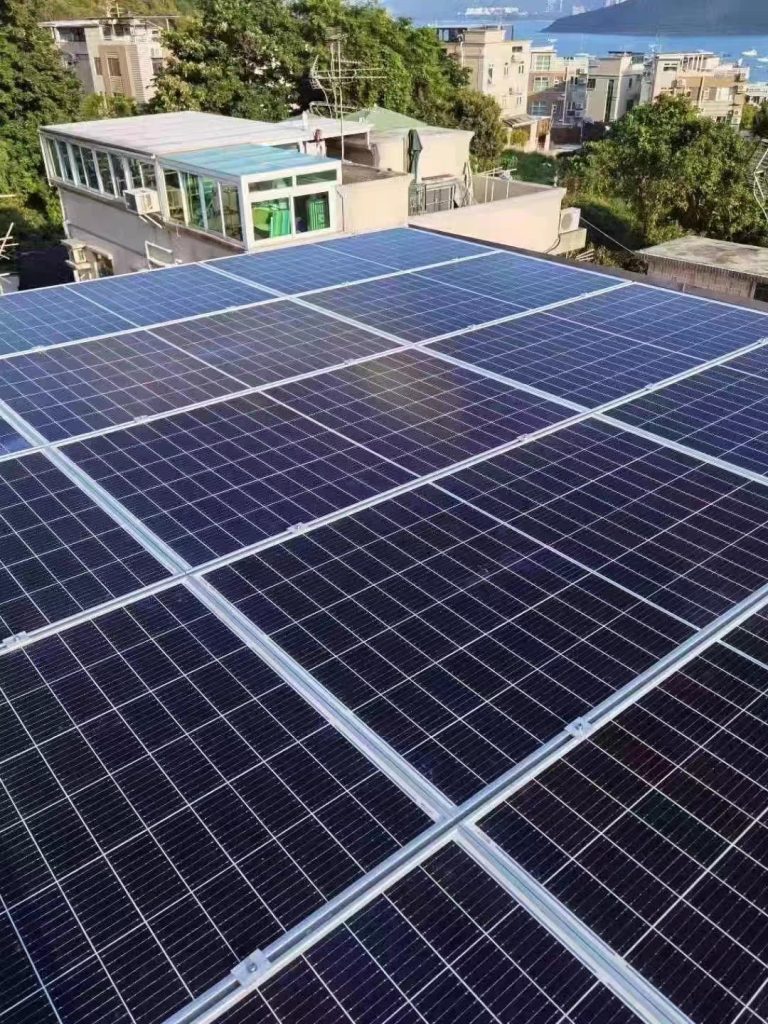
- Solar panels
- Power conversion equipment
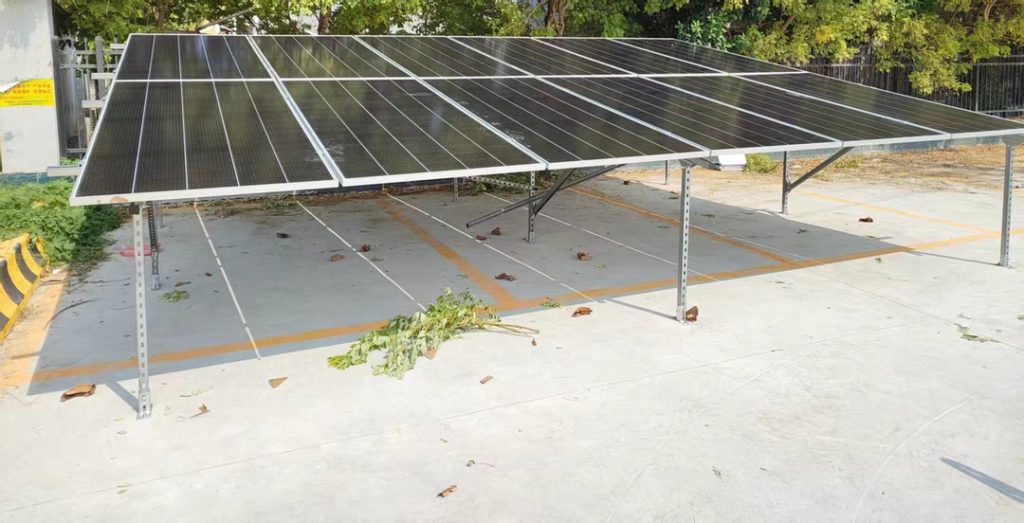
- Structural and mounting systems
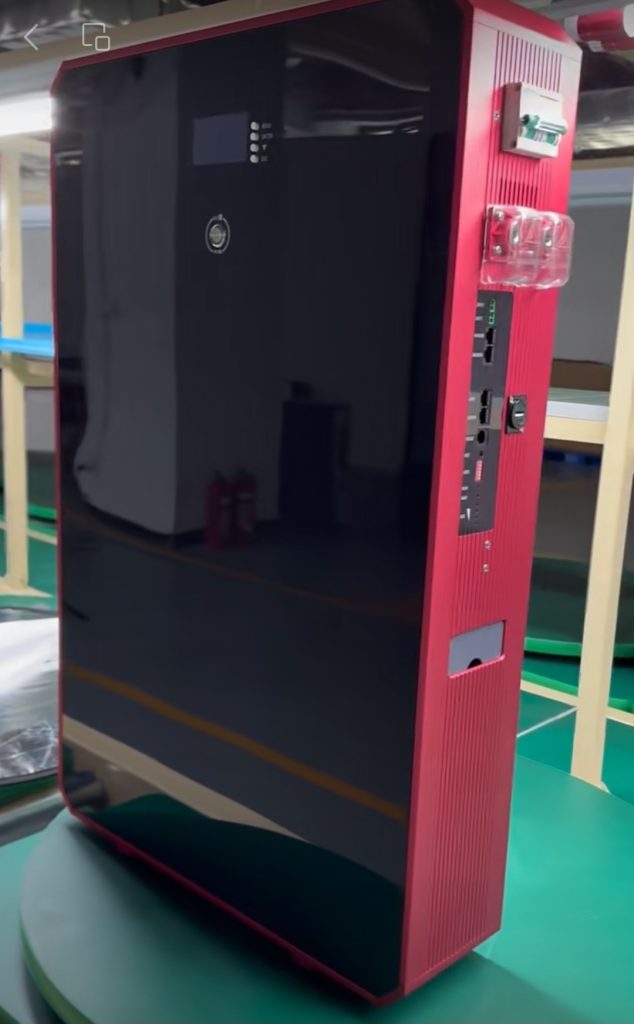
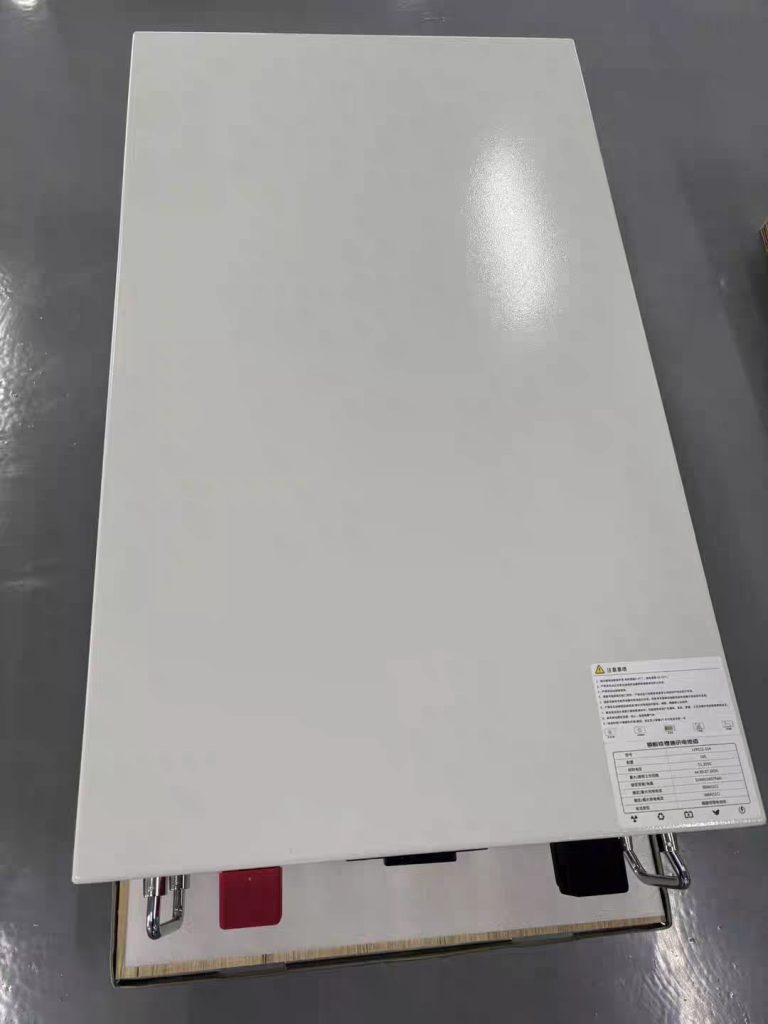
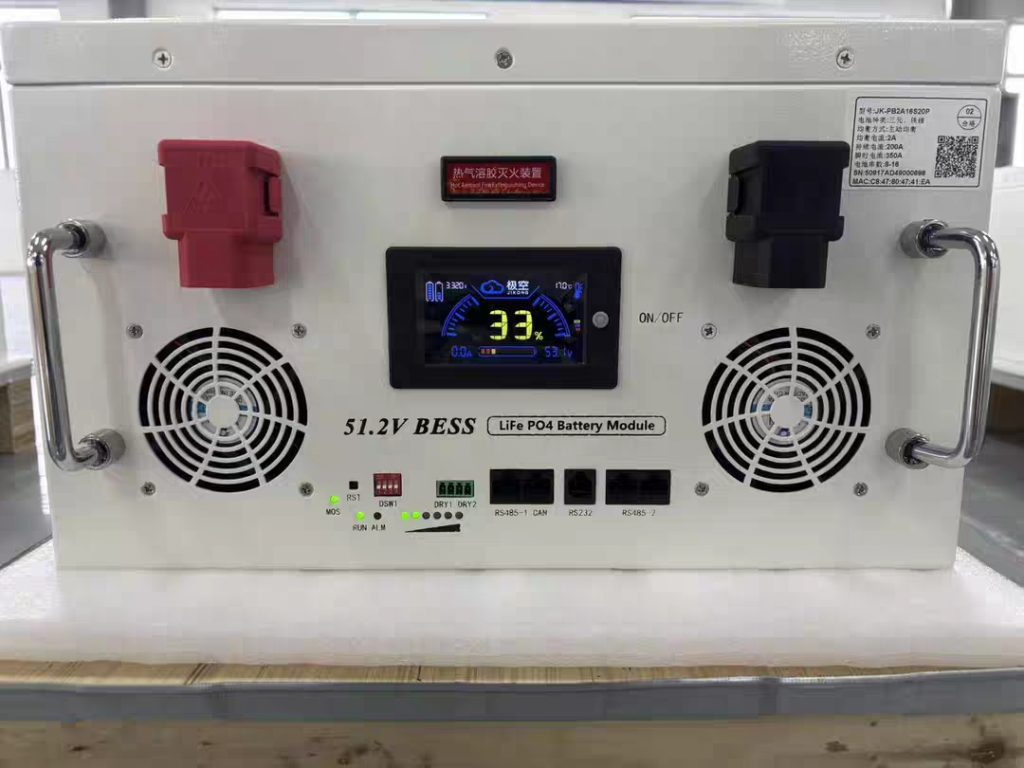
- Energy storage units
- Monitoring and control components
Chinese suppliers increasingly design systems as complete ecosystems rather than standalone products, which significantly improves installation efficiency and long-term system stability.
3. How Chinese Solar Equipment Manufacturing Has Matured
In the early days, China’s advantage was cost. Today, the advantage is maturity.
3.1 Manufacturing Is Data-Driven
Modern factories rely heavily on digital quality tracking, automated assembly, and performance simulation. Each production step is monitored, reducing human error and increasing consistency.
3.2 Field Feedback Drives Design Improvements
Because Chinese manufacturers export globally, they receive operational data from deserts, coastal areas, cold climates, and high-humidity regions. This real-world feedback directly influences product upgrades.
3.3 Standardization with Flexibility
While products follow international standards, Chinese factories are known for adapting quickly to buyer-specific requirements, something many rigid suppliers struggle to offer.
4. Understanding the Buyer’s Role in a Successful Import
Importing solar equipment is a partnership, not a one-sided transaction. Buyers who achieve the best results understand their own responsibilities.
4.1 Clear Project Definition
Before contacting suppliers, buyers should define:
- System size and application
- Grid connection type
- Installation environment
- Expected lifespan and performance goals
Clear inputs lead to accurate proposals and fewer misunderstandings.
4.2 Technical Literacy Matters
Buyers do not need to be engineers, but understanding basic technical concepts such as efficiency, degradation, and system compatibility significantly improves negotiation outcomes.
5. Solar Panels: More Than Just Wattage Numbers
One of the most common mistakes buyers make is focusing solely on panel wattage.
Important but often overlooked factors include:
- Long-term degradation rate
- Temperature coefficient
- Mechanical load tolerance
- Performance under low-light conditions
Chinese manufacturers typically provide detailed datasheets, but buyers should learn how to interpret them rather than relying on headline numbers.
6. Inverters and System Intelligence
As solar systems become smarter, inverters play a more critical role.
Chinese suppliers now offer inverters with:
- Advanced grid support functions
- Hybrid operation modes
- Remote monitoring and firmware updates
- Compatibility with energy storage systems
Choosing the right inverter impacts not only energy conversion but also future system expansion.
7. Energy Storage: The Strategic Component
Energy storage is no longer optional in many markets. Batteries enable:
- Load shifting
- Backup power
- Peak shaving
- Grid stabilization
Chinese manufacturers lead in lithium iron phosphate battery systems due to their safety and long service life. Importers should evaluate not only capacity but also battery management logic and thermal protection design.
8. Certifications Are a Market Entry Tool, Not a Formality
Certifications are often treated as paperwork, but they are strategic assets.
Proper certification:
- Simplifies customs clearance
- Builds trust with local authorities
- Reduces insurance and liability risks
- Enhances brand credibility
Experienced Chinese suppliers understand this and often assist buyers in navigating certification requirements for specific markets.
9. Pricing Strategy: Looking Beyond the Initial Quote
Low pricing can be attractive, but experienced buyers evaluate cost over the entire system lifecycle.
Hidden cost factors include:
- Installation complexity
- Maintenance frequency
- Spare parts availability
- Warranty enforcement
A slightly higher upfront cost often results in lower long-term expenses.
10. Logistics: Where Many Projects Succeed or Fail
Solar equipment logistics is complex due to size, weight, and sensitivity.
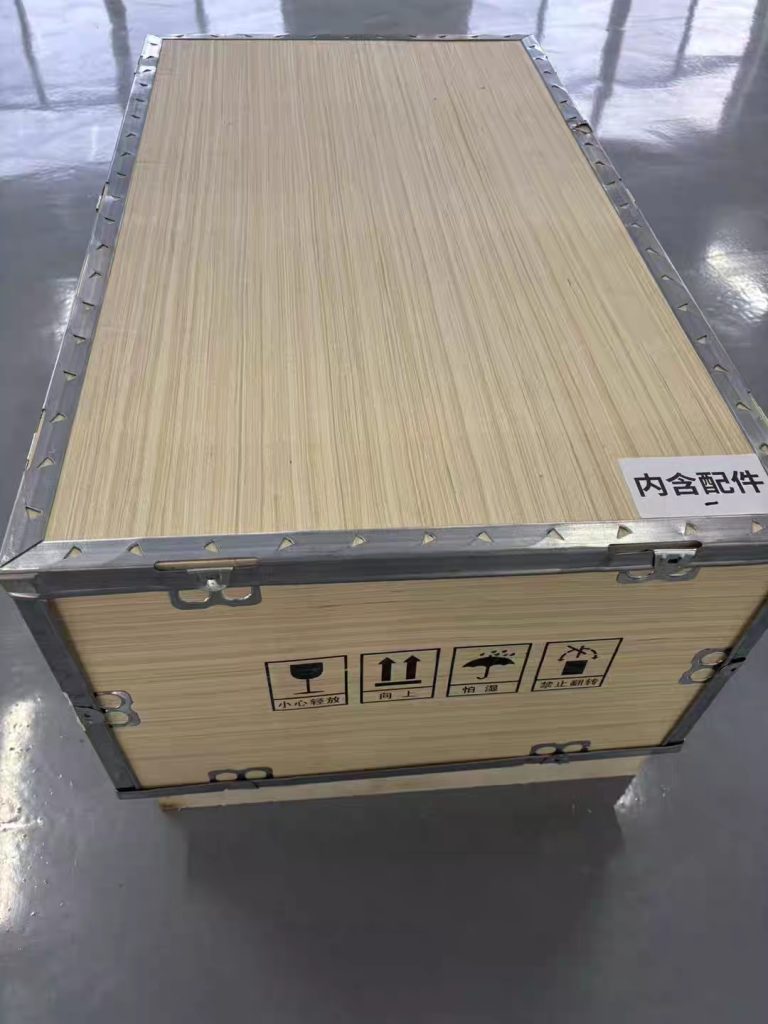
10.1 Packaging Is Part of Product Quality
Reputable suppliers invest in reinforced packaging to minimize transit damage.
10.2 Battery Transportation Requires Expertise
Energy storage systems require compliance with international transport regulations. Buyers should ensure suppliers have experience shipping batteries legally and safely.
11. Communication and Cultural Understanding
Long-term import success depends heavily on communication.
Chinese manufacturers value:
- Clear specifications
- Structured feedback
- Long-term cooperation
Buyers who treat suppliers as partners rather than one-time vendors often receive better service, faster support, and priority production.
12. After-Sales Support Is a Competitive Differentiator
Solar projects operate for decades. Equipment failures, although rare, must be addressed quickly.
Reliable Chinese suppliers provide:
- Remote diagnostics
- Replacement policies
- Technical documentation
- Upgrade compatibility
These services protect project profitability and reputation.
13. Risk Management for Solar Equipment Importers
No international trade is risk-free, but risks can be controlled.
Common risk mitigation strategies include:
- Third-party inspections
- Pilot orders before large purchases
- Clear contractual terms
- Performance guarantees
Professional buyers treat risk management as part of procurement, not an afterthought.
14. Sustainability and Long-Term Value
Sustainability is not just environmental—it is commercial.
Well-designed solar systems:
- Reduce operational costs
- Increase energy independence
- Enhance asset value
- Support regulatory compliance
Chinese solar equipment suppliers increasingly align with these long-term objectives.
15. The Future of Importing Solar Equipment from China
Looking ahead, importing solar power generation equipment from China will involve:
- More intelligent systems
- Greater integration with energy storage
- Higher efficiency standards
- Increased emphasis on safety and compliance
Buyers who build strong supplier relationships today will be better positioned to benefit from future innovations.
Conclusion
Importing solar power generation equipment from China is not simply a sourcing decision—it is a strategic investment in long-term energy infrastructure. China’s mature manufacturing ecosystem, technical expertise, and flexible production capabilities make it an essential partner for global solar projects.
For buyers willing to invest time in understanding products, suppliers, and systems, importing from China offers reliability, scalability, and lasting value. As the global energy transition continues, informed importers will play a critical role in turning solar potential into dependable power.


No reply content