
China Customized OEM Arts & Crafts Gift Manufacturer
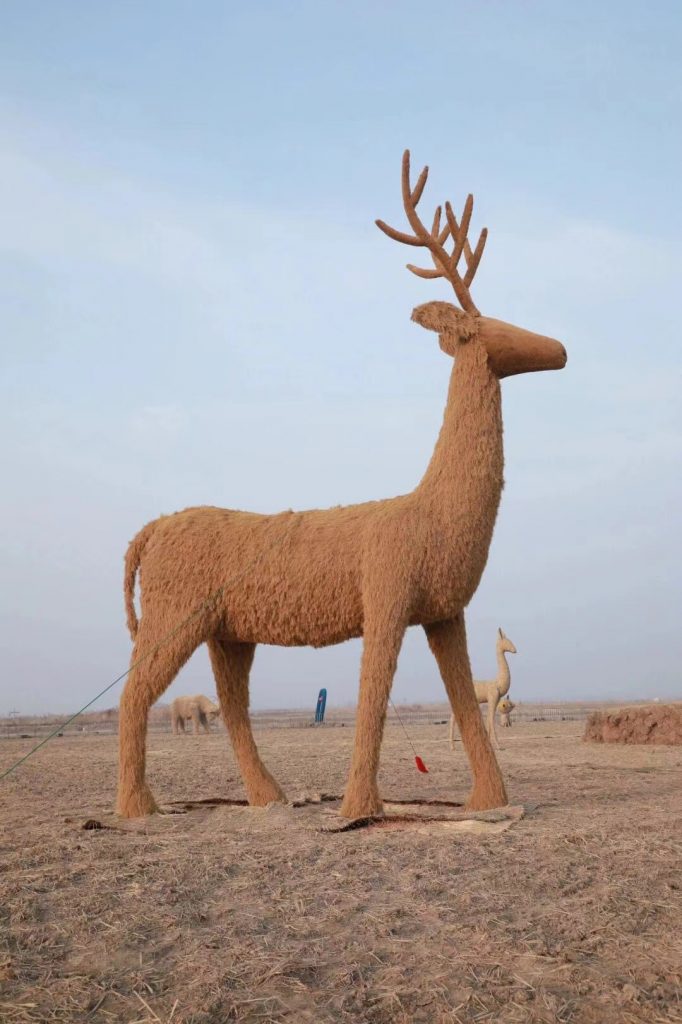
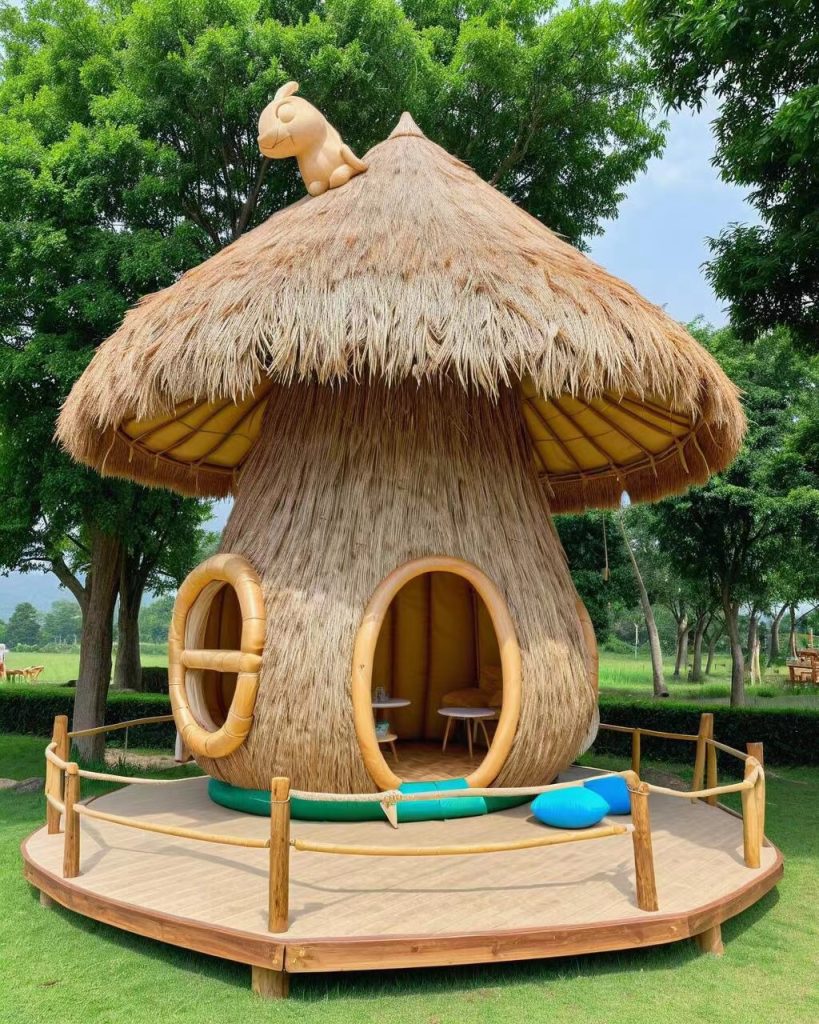
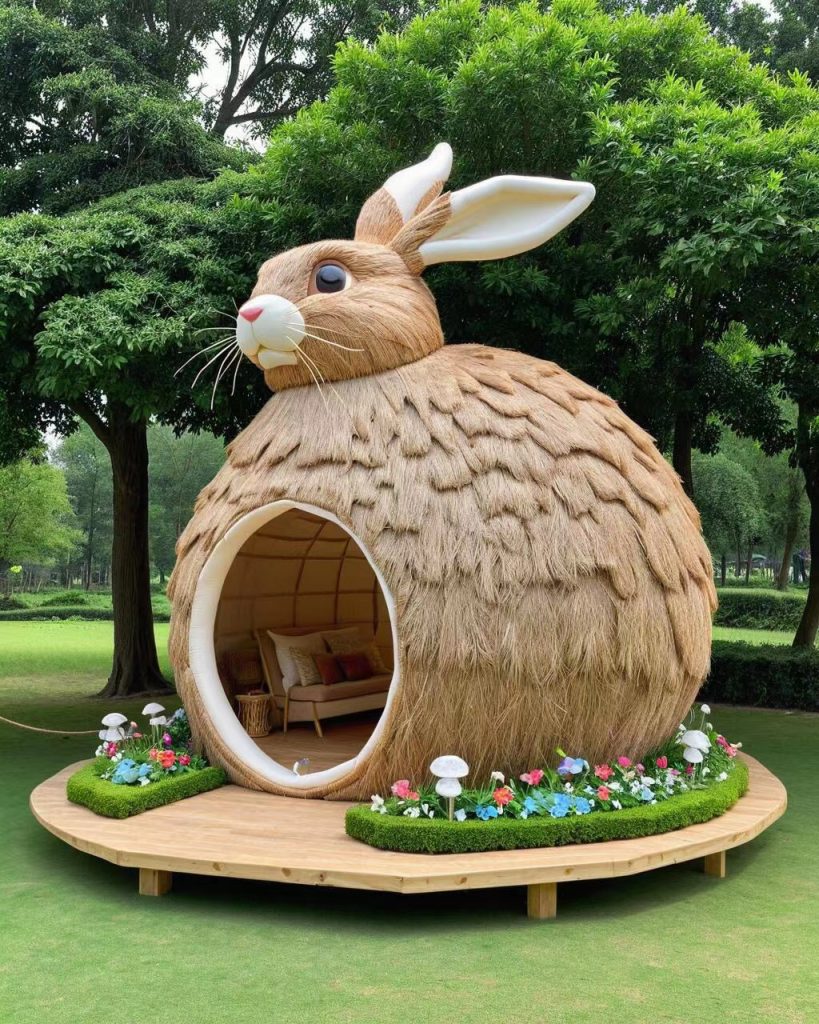
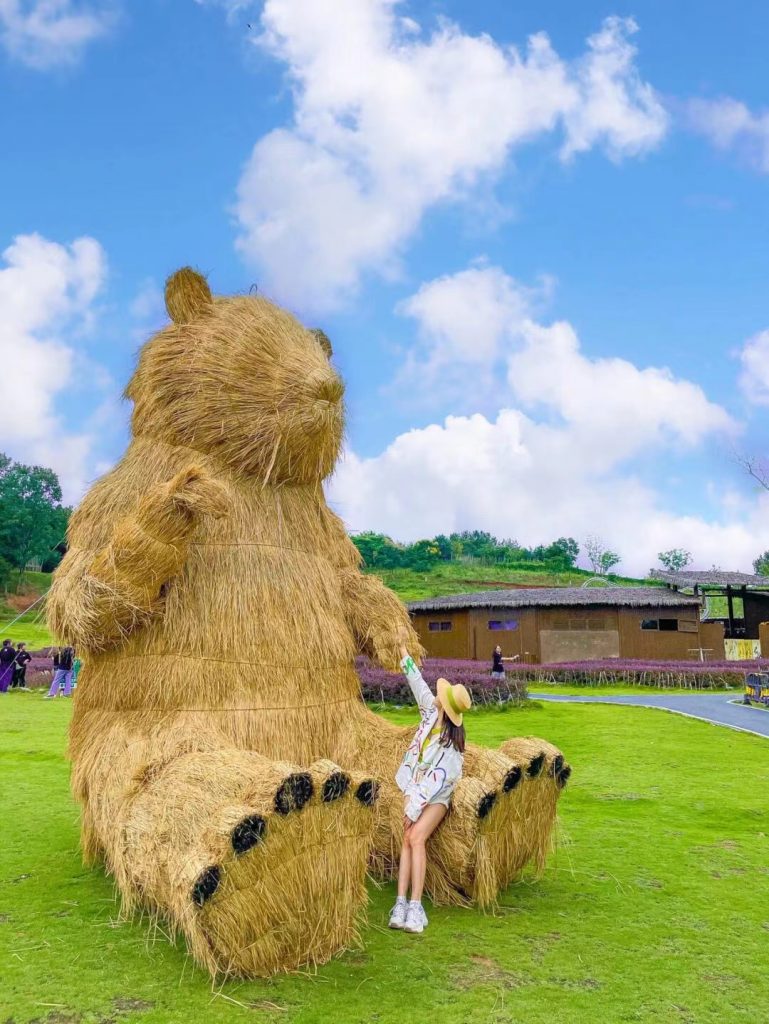
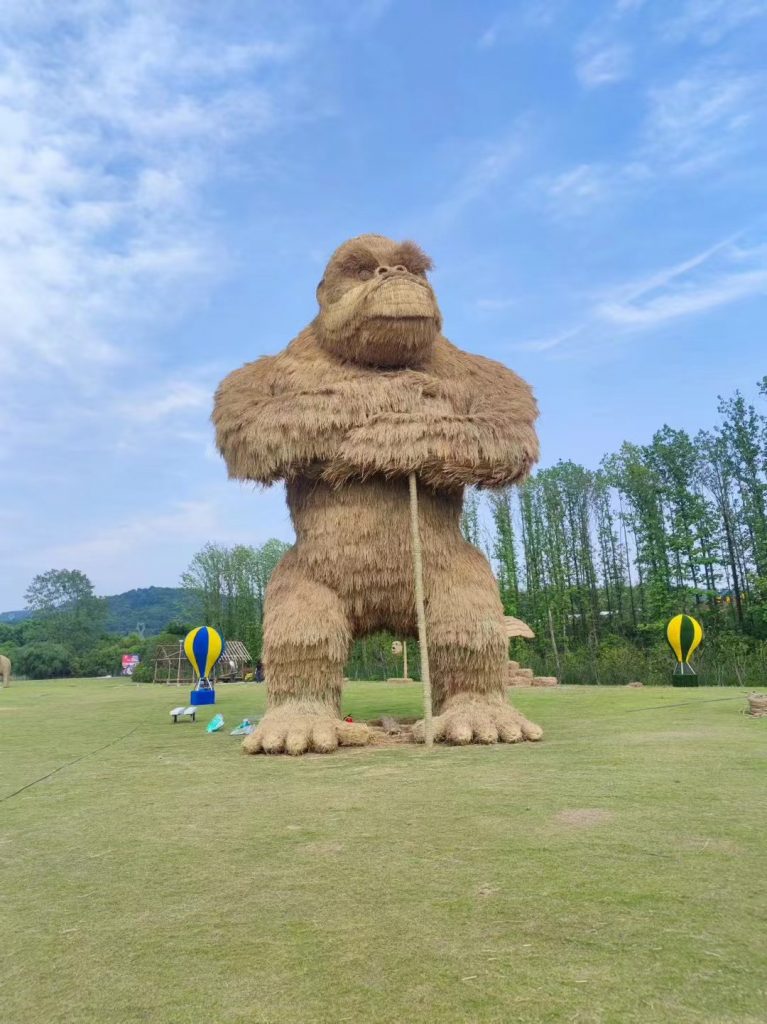


Sculpture in landscape design is the silent poet of outdoor spaces—where stone, metal, and living forms converse with trees, water, and sky, turning ordinary grounds into stages for human-nature dialogue.
Introduction
Landscape design sculpture transcends mere decoration; it is a dynamic medium that bridges art, ecology, and human experience. Unlike gallery-bound art, these sculptures exist in dialogue with their environment—responding to sunlight, wind, and seasonal changes, while shaping how we perceive and interact with outdoor spaces. From ancient stone circles to modern kinetic installations, they have evolved into essential tools for creating meaningful, sustainable landscapes. This article explores the philosophy, practice, and future of landscape design sculpture, revealing how it enriches both natural and built environments.
I. The Evolution of Landscape Sculpture: From Ritual to Ecology
A. Ancient Roots: Sculpture as Sacred Geography
Early civilizations used landscape sculpture to mark sacred sites. The Stonehenge megaliths (UK) aligned with solstices, while Japan’s Jōmon clay figurines adorned forest clearings, symbolizing fertility. These works were not “art for art’s sake” but place-makers—defining spiritual, agricultural, or communal hubs.
B. Modernist Shift: Art as Environmental Intervention
The 20th century saw a revolution. Artists like Isamu Noguchi blurred boundaries with works like California Scenario (1980), where concrete and bronze sculptures mimicked natural landforms, creating a “garden of the mind.” This era emphasized site-specificity—sculptures designed to exist only in one place, responding to topography, climate, and local culture.
C. Contemporary Trends: Ecology and Interaction
Today, landscape sculpture prioritizes ecological integration. Works like Andy Goldsworthy’s ephemeral leaf arrangements or Patrick Dougherty’s willow “stickworks” (biodegradable structures) highlight transience and biodiversity. Interactive sculptures—such as wind-activated mobiles or water-driven kinetic art—invite visitors to become co-creators of the experience.
II. Core Principles of Landscape Sculpture Design
A. Site-Specificity: Listening to the Land
A successful sculpture begins with reading the site. Designers analyze:
-
Topography: Slopes, elevation, and soil type (e.g., a sculpture on a hill might use gravity for a cascading form).
-
Ecology: Native plants, wildlife corridors, and microclimates (avoiding disruption to habitats).
-
Cultural Context: Local history, myths, or community values (e.g., a sculpture honoring Indigenous land stewardship).
Example: A desert landscape sculpture might use drought-resistant materials (corten steel, agave fiber) and forms inspired by cacti, minimizing water use.
B. Ecological Harmony: Art as Habitat
Modern sculptures often double as ecosystem enhancers. Features include:
-
Nesting Sites: Hollows in wooden sculptures for birds.
-
Pollinator Gardens: Sculptures with integrated planters for native wildflowers.
-
Water Management: Sculptures that channel rainwater into bioswales.
C. Narrative and Emotion: Telling Place Stories
Sculptures convey meaning through:
-
Figurative Representation: Human/animal forms evoking local legends (e.g., a salmon sculpture in a Pacific Northwest park).
-
Abstract Symbolism: Geometric shapes representing natural forces (e.g., spirals for wind, jagged lines for mountains).
-
Temporal Change: Works that evolve with seasons (e.g., ice sculptures, or plants growing through a metal frame).
D. Visual Balance: Sculpture in the Landscape Frame
A sculpture must “fit” the view. Designers use:
-
Scale: A 2-meter-tall sculpture in a meadow vs. a 10-meter piece in a plaza.
-
Proportion: Relating size to surrounding trees, buildings, or pathways.
-
Focal Point: Positioning to draw the eye (e.g., at a path junction or water feature edge).
E. Interactivity: Engaging the Body and Mind
Interactive elements transform passive viewing into active participation:
-
Physical Interaction: Climbing structures, touch-sensitive surfaces.
-
Sensory Engagement: Sound (wind chimes), smell (aromatic plants), or light (solar-powered LEDs).
III. Materials and Techniques: From Stone to Smart Media
A. Traditional Materials: Timeless Durability
-
Stone: Granite, marble, or basalt for permanence (e.g., memorials, mountain-top sculptures).
-
Metal: Bronze (patinas over time), corten steel (rust-like finish), or stainless steel (sleek, modern).
-
Wood: Reclaimed timber for rustic charm; requires treatment for rot resistance.
B. Modern and Sustainable Materials
-
Recycled Materials: Crushed glass, reclaimed metal, or plastic waste (e.g., “Plastic Reef” sculptures raising ocean pollution awareness).
-
Bio-Based Composites: Mycelium (fungus root structures), bamboo fiber, or hempcrete (lightweight, carbon-negative).
-
Living Materials: Moss, lichens, or air-purifying plants integrated into wire frames.
C. Digital Tools and Fabrication
-
3D Modeling: Software like Rhino or Blender allows precise design of complex forms.
-
Digital Sculpting: ZBrush for organic shapes; CAD for geometric precision.
-
Additive Manufacturing: 3D printing with sand or polymers for large-scale prototypes.
-
Laser Cutting: Creating intricate patterns in metal or wood with minimal waste.
IV. Applications: Sculpture Across Landscape Types
A. Public Parks and Plazas
Large-scale sculptures define civic identity. Examples include:
-
Monuments: Honor historical figures or events (e.g., a bronze statue of a civil rights leader).
-
Interactive Installations: Musical sculptures (tuned pipes activated by wind) or kinetic mobiles.
B. Private Gardens and Estates
Smaller, personalized sculptures enhance intimacy:
-
Water Features: Stone basins with carved aquatic motifs; bronze frogs spitting water.
-
Focal Points: Abstract forms (e.g., a twisted metal column) to anchor a flower bed.
C. Ecological Restoration Sites
Sculptures aid habitat recovery:
-
Wildlife Crossings: Underpass sculptures with camouflage patterns to guide animals.
-
Soil Stabilization: Rock sculptures preventing erosion on slopes.
D. Cultural and Historical Landscapes
Sculptures interpret heritage:
-
Archaeological Parks: Reconstructions of ancient artifacts (e.g., a partial Roman aqueduct).
-
Indigenous Sites: Totemic sculptures honoring ancestral stories.
V. Sustainability in Landscape Sculpture
A. Circular Design: Reduce, Reuse, Reimagine
-
Material Reuse: Incorporating demolition debris (e.g., bricks from old buildings).
-
Modularity: Designing sculptures in sections for easy repair or relocation.
-
Decomposition Plans: Biodegradable works (e.g., salt sculptures dissolving in rain).
B. Low-Impact Installation
-
Non-Invasive Foundations: Helical piles or gravel beds instead of concrete.
-
Solar Power: Integrating photovoltaic cells for lighting or kinetic movement.
C. Educational Role
Sculptures teach sustainability:
-
Interpretive Signs: Explaining material origins (e.g., “This bench is made from 500 recycled plastic bottles”).
-
Citizen Science: Sculptures with embedded sensors tracking air/water quality.
VI. The Future of Landscape Sculpture
A. Tech Integration: AI, AR, and IoT
-
AI-Generated Design: Algorithms analyzing site data to propose forms (e.g., optimizing for sunlight exposure).
-
Augmented Reality (AR): Overlaying digital sculptures onto physical landscapes via smartphones.
-
IoT Sensors: Sculptures adjusting form/color based on real-time conditions (e.g., opening “petals” when sunlight hits).
B. Bio-Art and Living Sculptures
-
Genetic Art: Sculptures grown from genetically modified organisms (e.g., glow-in-the-dark plants).
-
Symbiotic Systems: Lichen-covered metal structures that evolve with the climate.
C. Community Co-Creation
-
Participatory Design: Local residents contributing ideas or materials (e.g., a mosaic sculpture from broken pottery).
-
Pop-Up Sculptures: Temporary works for festivals, encouraging experimentation.
VII. FAQ: Landscape Design Sculpture
Q1: How do I choose a sculpture for my garden?
A: Start by assessing your garden’s style (formal, cottage, modern) and scale. A small garden suits low-profile pieces (e.g., a stone basin), while large spaces can accommodate tall, dramatic forms. Consider materials that complement existing plants (e.g., rustic wood with wildflowers).
Q2: What materials are best for coastal landscapes?
A: Salt-resistant options like 316L stainless steel, corten steel (weathers to a stable patina), or marine-grade bronze. Avoid untreated iron or porous stone (e.g., limestone), which erodes quickly.
Q3: How can sculptures benefit local ecosystems?
A: Choose designs with nesting cavities, pollinator planters, or water-harvesting features. Avoid invasive materials (e.g., treated wood with chemicals) and place sculptures away from sensitive habitats (e.g., bird nesting zones).
Q4: Are interactive sculptures safe for children?
A: Yes, if designed with rounded edges, stable bases, and non-toxic materials. Follow ASTM F1487 (playground safety) standards for climbing structures.
Q5: How do I maintain an outdoor sculpture?
A: Clean annually with mild soap and water; reapply protective coatings (e.g., wax for bronze) every 3–5 years. Inspect for cracks or loose parts seasonally.
Q6: Can sculptures be moved after installation?
A: Modular designs (bolt-together sections) are easiest to relocate. Heavy sculptures require cranes and professional disassembly to avoid damage.
Q7: What is the lifespan of a landscape sculpture?
A: Varies by material: stone/bronze (100+ years), corten steel (75–100 years), recycled plastic (20–30 years). Biodegradable works last months to years.
Q8: How do I fund a public landscape sculpture?
A: Seek grants (e.g., National Endowment for the Arts), crowdfunding, or corporate sponsorships. Partner with local governments or community groups to share costs.
Q9: Can sculptures be designed to change with seasons?
A: Yes. Use deciduous plants (shedding leaves in winter), ice/snow elements, or modular parts that can be swapped (e.g., holiday-themed additions).
Q10: How do I ensure a sculpture fits the cultural context?
A: Engage local historians, Indigenous groups, or community leaders in the design process. Research local myths, symbols, or historical events to inform the narrative.
Conclusion
Landscape design sculpture is a living art form—one that breathes with the seasons, grows with ecosystems, and evolves with human interaction. By merging creativity with ecological wisdom, today’s sculptors are redefining outdoor spaces as places of discovery, reflection, and connection. As technology and sustainability converge, the future promises even more innovative works—sculptures that not only adorn landscapes but actively heal and inspire them.
In the end, landscape sculpture reminds us: art is not separate from nature, but a part of its endless, beautiful conversation.