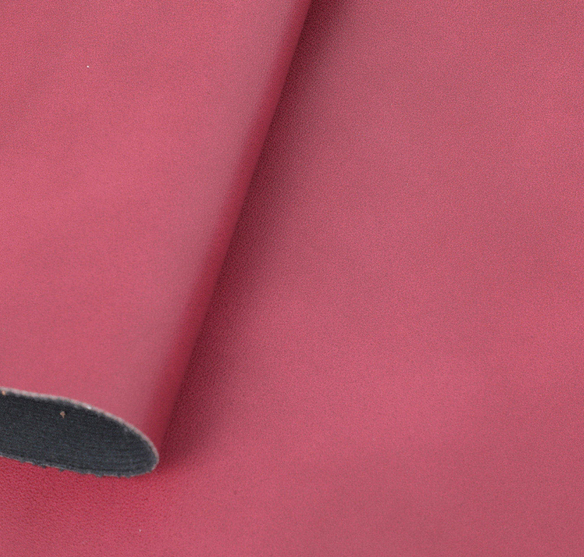
The leather industry in China stands as a cornerstone of the global manufacturing sector, contributing significantly to both domestic economic growth and international trade. As one of the world’s largest producers and exporters of leather goods—ranging from footwear and apparel to furniture and automotive interiors—China has developed a robust framework of specifications, regulations, and quality assurance mechanisms to ensure product safety, environmental compliance, and market competitiveness. This article delves into the key aspects of China’s leather industry specifications, exploring technical standards, regulatory requirements, sustainability initiatives, and their impact on global supply chains.
1. Historical Context and Industry Evolution
China’s leather industry traces its roots back to ancient times, with traditional craftsmanship centered around tanning animal hides for clothing, tools, and armor. However, modern industrialization began in the mid-20th century, accelerating rapidly after the country’s reform and opening-up policy in the late 1970s. By the early 2000s, China had emerged as the world’s leading producer of raw leather, processed leather, and finished leather goods, accounting for over 40% of global production by volume.
This rapid expansion brought challenges, including environmental pollution from tanneries (due to chemical-intensive processes), inconsistent product quality, and non-compliance with international standards. In response, the Chinese government and industry stakeholders initiated reforms to standardize practices, enhance quality control, and align with global norms. Today, China’s leather industry operates under a multi-layered system of national standards, industry guidelines, and international certifications, reflecting its commitment to sustainable development and global integration.
2. Regulatory Framework: Governing Bodies and Key Legislation
China’s leather industry is regulated by a combination of national laws, administrative regulations, and industry-specific standards, overseen by several key government bodies:
2.1 Ministry of Industry and Information Technology (MIIT)
MIIT plays a central role in formulating industrial policies and technical standards for the leather sector. It collaborates with industry associations, research institutions, and enterprises to develop guidelines that balance production efficiency with environmental protection.
2.2 State Administration for Market Regulation (SAMR)
Formerly known as the General Administration of Quality Supervision, Inspection, and Quarantine (AQSIQ), SAMR is responsible for enforcing product quality standards, conducting inspections, and managing certification programs such as the China Compulsory Certification (CCC).
2.3 Ministry of Ecology and Environment (MEE)
MEE regulates environmental impacts through laws like the Environmental Protection Law and the Water Pollution Prevention and Control Law. Tanneries must comply with strict discharge limits for pollutants like chromium, sulfides, and organic compounds, driving investments in cleaner technologies.
2.4 National Standards of the People’s Republic of China (GB Standards)
GB standards are mandatory or voluntary technical specifications issued by SAMR. For the leather industry, key GB standards cover raw material quality, processing techniques, product performance, and safety requirements. Examples include:
-
GB/T 16799-2018: Leather—Physical and mechanical tests—Determination of tear load (tensile strength, elongation, etc.).
-
GB 20400-2006: Leather and fur—Limit of harmful substances (restrictions on formaldehyde, azo dyes, and heavy metals).
-
GB/T 39372-2020: Technical specification for green design product evaluation—Leather products.
3. Technical Standards: Ensuring Quality and Performance
China’s leather specifications emphasize both functional performance and consumer safety. These standards are aligned with international benchmarks set by organizations like the International Organization for Standardization (ISO) and the European Committee for Standardization (CEN), facilitating exports to global markets.
3.1 Raw Material Specifications
Raw hides and skins, primarily sourced from cattle, sheep, goats, and pigs, must meet stringent criteria for freshness, thickness, and defect levels. Standards such as GB/T 14629-2018 (Hides and skins—Grading) classify materials based on origin, size, and quality, ensuring consistency in downstream processing.
3.2 Processing and Tanning Standards
Tanning—the process of converting raw hides into durable leather—is critical for determining final product properties. Chinese standards regulate tanning methods (e.g., chrome tanning, vegetable tanning, synthetic tanning) and their associated parameters:
-
Chemical Usage: Limits on toxic chemicals like hexavalent chromium (a carcinogen) are enforced under GB 20400-2006. Chrome tanning, which accounts for ~80% of China’s leather production, requires strict control of Cr(III) concentrations (≤3 mg/kg in finished leather).
-
Process Efficiency: Guidelines promote water recycling and energy conservation, with targets for reducing wastewater discharge per ton of leather (e.g., ≤50 m³/ton under advanced treatment systems).
3.3 Finished Product Standards
Finished leather products (e.g., shoes, bags, upholstery) must comply with performance tests for durability, flexibility, and resistance to wear. Key metrics include:
-
Tensile Strength: Minimum values vary by application (e.g., 15 N/mm² for shoe uppers vs. 10 N/mm² for garments).
-
Color Fastness: Resistance to rubbing, washing, and light exposure (tested via ISO 105-B02 for color fading).
-
Abrasion Resistance: Measured using devices like the Martindale abrasion tester (e.g., ≥20,000 cycles for high-end furniture leather).
4. Environmental and Safety Regulations
Environmental sustainability is a top priority in China’s leather industry, driven by public health concerns and international pressure. Key regulations focus on pollution prevention and resource efficiency:
4.1 Pollutant Discharge Standards
MEE’s Discharge Standard of Water Pollutants for Tannery Industry (GB 30486-2013) sets strict limits on pollutants in wastewater, including:
-
Chemical Oxygen Demand (COD): ≤100 mg/L (advanced treatment required for some regions).
-
Total Chromium: ≤1.5 mg/L.
-
Sulfide: ≤0.5 mg/L.
Tanneries must install wastewater treatment plants (WWTPs) with technologies like reverse osmosis, activated carbon adsorption, and biological treatment to meet these standards. Non-compliant facilities face fines, shutdowns, or license revocation.
4.2 Restricted Substances
To protect consumers, China bans or restricts hazardous chemicals in leather products. The GB 20400-2006 standard prohibits:
-
Formaldehyde: ≤75 mg/kg (for direct skin contact products like gloves).
-
Azo Dyes: Any dye that releases carcinogenic aromatic amines (e.g., benzidine).
-
Heavy Metals: Lead (≤90 mg/kg), cadmium (≤75 mg/kg), and mercury (≤60 mg/kg).
These restrictions align with the EU’s REACH regulation and the U.S. Consumer Product Safety Improvement Act (CPSIA), simplifying export compliance.
4.3 Occupational Health and Safety
The Law on Work Safety mandates safe working conditions in tanneries, including ventilation systems to reduce exposure to toxic fumes (e.g., hydrogen sulfide) and personal protective equipment (PPE) for workers handling chemicals. Regular audits by MEE and local labor bureaus ensure adherence.
5. Sustainability Initiatives and Green Development
In recent years, China has prioritized “green manufacturing” in the leather industry, aiming to reduce environmental footprints and enhance circularity. Key initiatives include:
5.1 Cleaner Production Technologies
The government incentivizes adoption of eco-friendly processes, such as:
-
Chrome-Free Tanning: Vegetable tanning (using plant extracts like quebracho) and aluminum-based syntans, which reduce chromium pollution.
-
Waterless Tanning: Techniques like gas phase tanning or supercritical CO₂ extraction, minimizing water usage.
-
Biodegradable Chemicals: Use of enzymes (e.g., proteases) instead of harsh chemicals for hide dehairing and bating.
5.2 Circular Economy Practices
Efforts to recycle waste materials include:
-
Wastewater Reuse: Treating and reusing 70–90% of wastewater in production processes.
-
Solid Waste Valorization: Converting leather scraps into collagen peptides (for cosmetics) or bioplastics.
-
Leather Recycling: Mechanical shredding of end-of-life leather products for use in composite materials (e.g., flooring, insulation).
5.3 Certification Programs
Voluntary certifications like the China Environmental Labeling Product Certification (also known as the “Green Label”) recognize tanneries and brands that meet high environmental and social standards. Products bearing this label must demonstrate low emissions, energy efficiency, and ethical sourcing.
6. International Alignment and Export Compliance
As a major exporter, China’s leather industry must comply with diverse international standards. Key markets impose specific requirements:
6.1 European Union (EU)
EU regulations such as REACH (Registration, Evaluation, Authorization, and Restriction of Chemicals) and the EU Ecolabel require full disclosure of chemical ingredients and restrict substances like chromium VI. Exporters often obtain certifications like OEKO-TEX® STANDARD 100 (for textile-leather composites) to access EU markets.
6.2 United States (U.S.)
U.S. buyers prioritize compliance with CPSIA (limiting lead and phthalates) and the California Proposition 65 (warning labels for carcinogens). Third-party testing labs (e.g., SGS, Intertek) are commonly used to verify compliance.
6.3 ASEAN and Emerging Markets
Southeast Asian countries (e.g., Vietnam, Indonesia) and emerging markets (e.g., India, Brazil) increasingly adopt Chinese GB standards due to regional trade agreements, fostering harmonization.
7. Challenges and Future Outlook
Despite progress, China’s leather industry faces ongoing challenges:
-
Cost Pressures: Strict environmental regulations increase production costs, particularly for small and medium-sized enterprises (SMEs).
-
Technological Gaps: While large tanneries invest in advanced machinery, many SMEs still rely on outdated processes.
-
Global Competition: Rising labor costs and competition from countries like India and Bangladesh threaten China’s market share.
Looking ahead, the industry is poised for transformation driven by digitalization (e.g., AI-driven quality control), innovation in sustainable materials (e.g., lab-grown leather), and deeper integration with global value chains. Government support through subsidies for green technology adoption and stricter enforcement of standards will be critical to maintaining China’s leadership position.
Conclusion
China’s leather industry specifications reflect a dynamic balance between industrial growth, environmental responsibility, and global competitiveness. Through a comprehensive regulatory framework, alignment with international standards, and proactive sustainability initiatives, China has positioned itself as a leader in producing high-quality, compliant leather products. As the industry evolves, continued investment in green technologies and collaboration between stakeholders will be essential to addressing emerging challenges and seizing new opportunities in the global market.
By adhering to rigorous specifications, China not only ensures the safety and quality of its leather goods but also contributes to the broader goal of sustainable development—proving that industrial progress and environmental stewardship can go hand in hand.
Article link:https://www.vlefooena.com/leather-china-specification/


No reply content