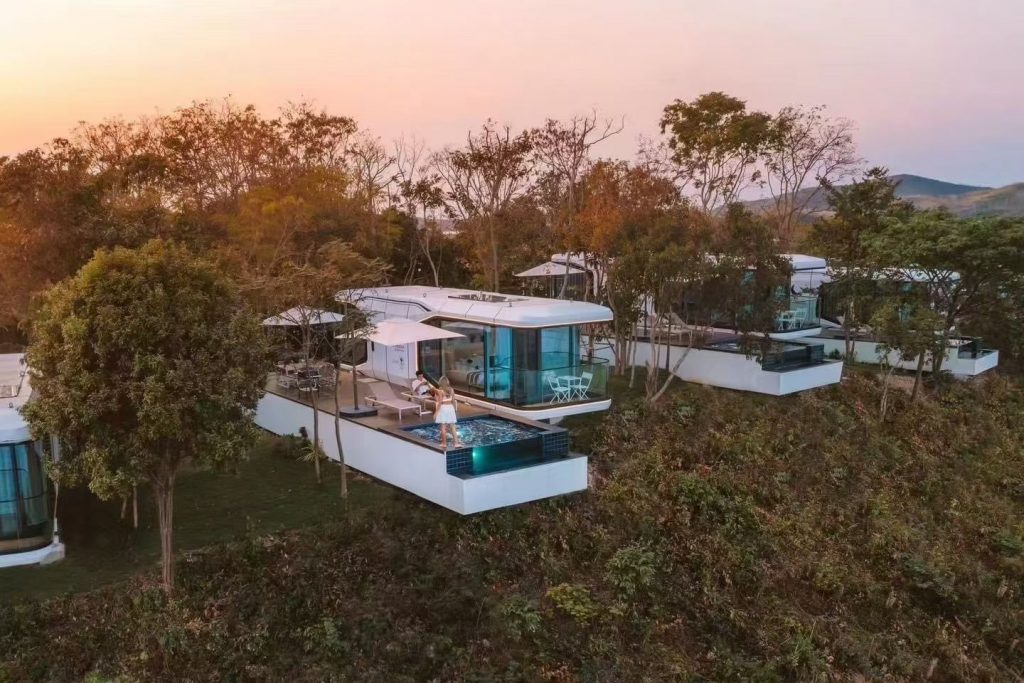
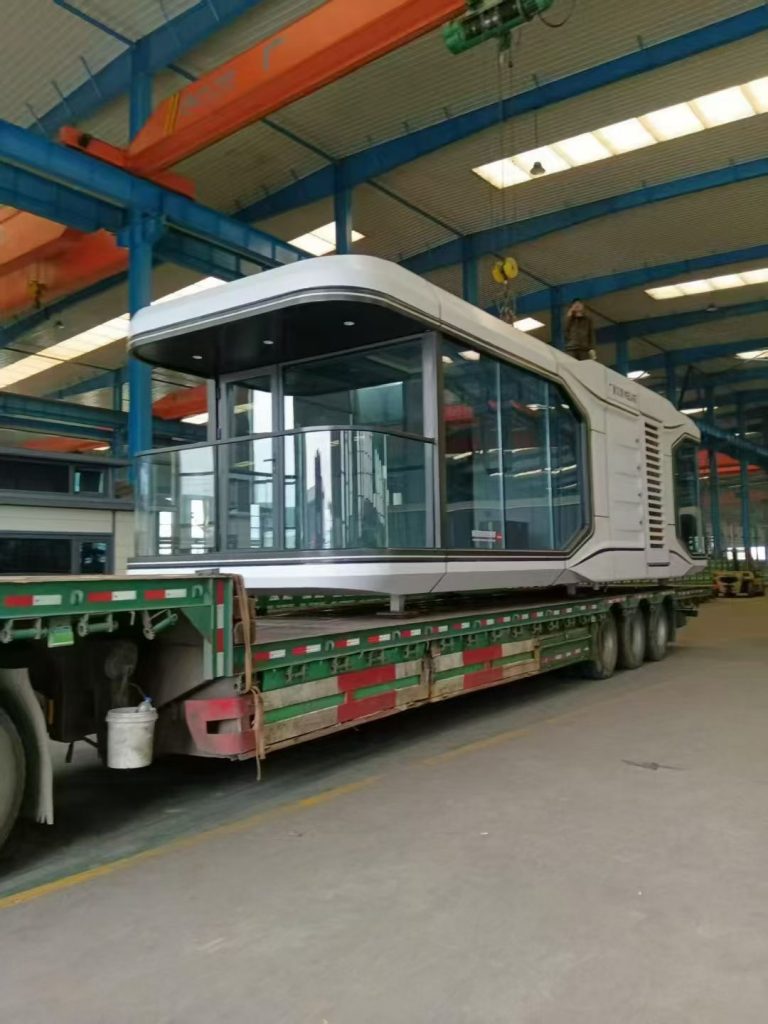
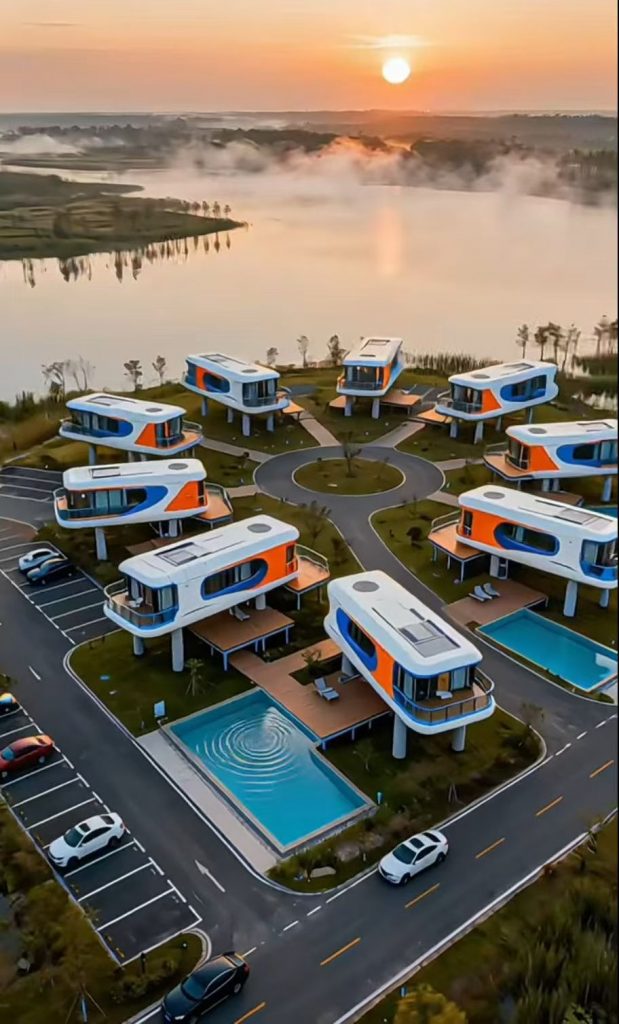
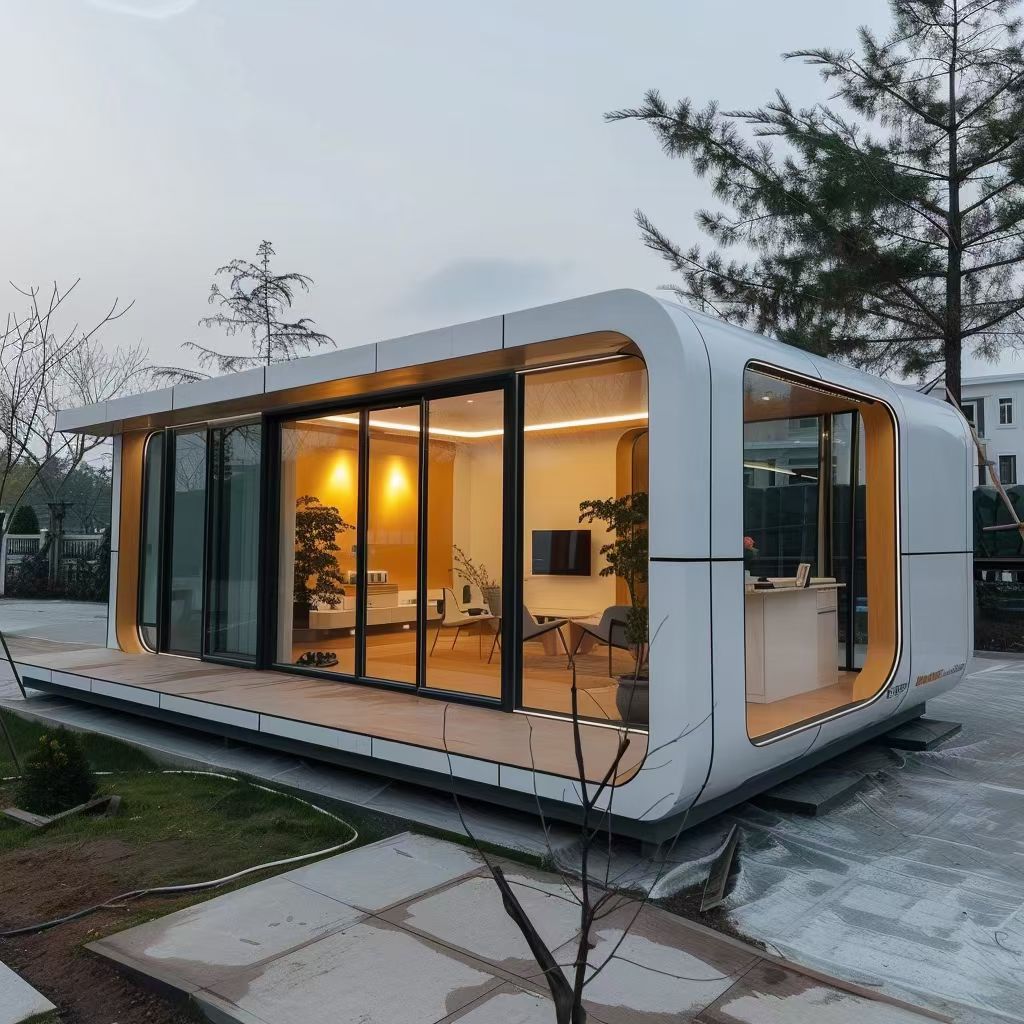
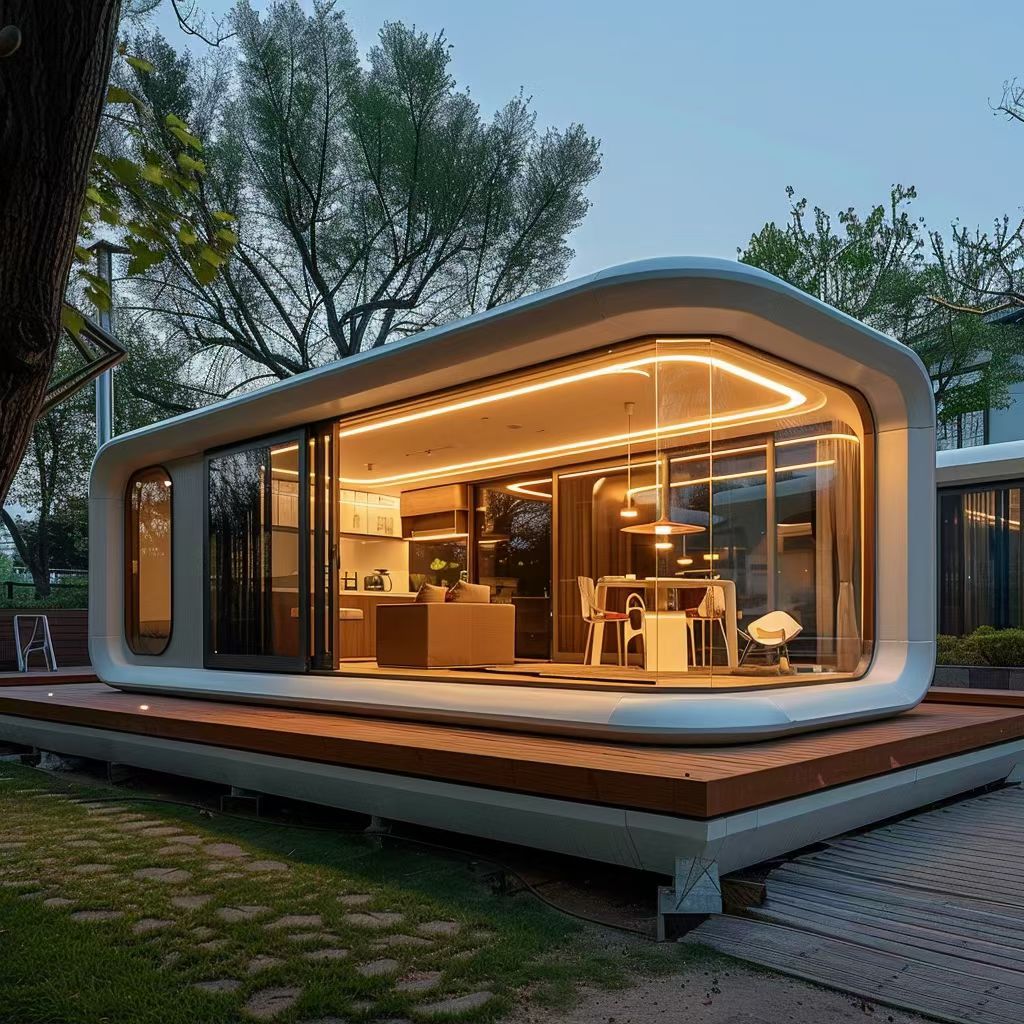
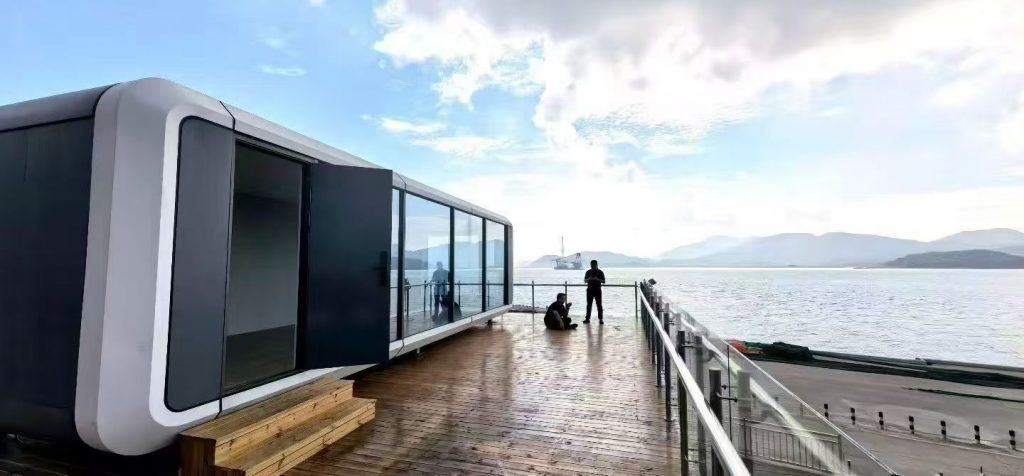
In an era where travelers increasingly seek immersive, sustainable, and unique experiences, luxury prefab pod houses have emerged as a transformative solution for campsites, resorts, and vacation parks. These compact, high-design dwellings blend modern aesthetics with cutting-edge functionality, offering guests a harmonious blend of comfort and adventure. Designed to thrive in diverse environments—from mountainous retreats to coastal getaways—prefab pods are reshaping the hospitality landscape by prioritizing efficiency, personalization, and environmental responsibility. This article explores the innovative features, applications, and future potential of luxury prefab pod houses, illustrating why they are becoming indispensable to modern tourism.
Design Philosophy: Where Minimalism Meets Luxury
Luxury prefab pods reject conventional cabin aesthetics in favor of sleek, futuristic designs that harmonize with natural surroundings. Architects employ parametric modeling and biomorphic shapes to create structures that appear both organic and otherworldly. Curved roofs mimic rolling hills, while floor-to-ceiling glass walls dissolve indoor-outdoor boundaries, framing panoramic views of forests, oceans, or starry skies.
Material selection plays a pivotal role in achieving this balance. Exterior cladding often combines weather-resistant composites with reclaimed wood or stone accents, ensuring durability without sacrificing visual appeal. Solar-reflective coatings and passive cooling systems further enhance energy efficiency, while low-VOC paints and non-toxic sealants prioritize indoor air quality.
Core Features: Engineering Excellence for Unmatched Comfort
Luxury prefab pods are engineered to deliver five-star experiences in compact spaces. Key innovations include:
1. Smart Climate Control
Integrated IoT systems regulate temperature, humidity, and airflow based on occupancy and external conditions. Zoned HVAC units ensure personalized comfort, while motorized blinds and electrochromic glass adjust to sunlight intensity, reducing energy waste.
2. Energy Independence
Pods leverage renewable energy through rooftop solar panels, wind turbines, and battery storage systems. Some models include hybrid inverters to seamlessly switch between grid-tied and off-grid modes, ideal for remote locations.
3. Water Sustainability
Rainwater harvesting systems collect and filter precipitation for reuse in irrigation or non-potable applications. Greywater recycling units treat wastewater for flushing toilets, while composting toilets eliminate the need for septic systems.
4. Panoramic Living Spaces
Expansive glazing—often using laminated, UV-resistant glass—creates immersive views of natural landscapes. Elevated platforms or cantilevered designs enhance privacy and safety, particularly in wildlife-rich areas.
5. Modular Customization
Owners can personalize interiors through modular furniture systems, adjustable partitions, and bespoke finishes. Options range from minimalist Scandinavian designs to rustic log-cabin aesthetics, ensuring each pod reflects its environment and purpose.
Applications in Vacation and Tourism
Prefab pods excel in diverse hospitality scenarios, offering unmatched flexibility and scalability.
1. Glamping Upgrades
Traditional campsites leverage pods to elevate guest experiences while preserving natural settings. Equipped with plush bedding, private bathrooms, and ambient lighting, pods provide the comfort of a luxury hotel without disrupting the ecosystem. Clustered pods form exclusive villages, complete with communal fire pits and guided nature trails.
2. Mountain and Forest Retreats
In remote alpine or woodland areas, pods serve as private sanctuaries for hikers and nature enthusiasts. Reinforced insulation and wind-resistant frames withstand harsh climates, while floor-heating systems and air purification ensure year-round comfort.
3. Coastal and Lakeside Getaways
Waterfront pods feature corrosion-resistant materials and elevated foundations to resist flooding. Large sliding doors open to private decks with hammocks or hot tubs, blending indoor luxury with outdoor recreation.
4. Urban and Resort Integration
In high-demand tourist hubs, pods offer a sustainable alternative to traditional hotels. Compact designs maximize land use, while smart booking systems enable dynamic pricing and rapid turnover. Resorts use pods for VIP suites, staff quarters, or pop-up event spaces.
Sustainability: A Core Pillar
Prefab pods are inherently eco-friendly, aligning with global sustainability goals:
-
Carbon-Neutral Construction: Factory-built pods minimize on-site waste, with 90% of materials recyclable. Low-carbon concrete and FSC-certified timber further reduce environmental impact.
-
Biodiversity Preservation: Pods’ small footprints (often under 300 sq ft) protect surrounding flora and fauna. Elevated platforms prevent soil erosion, while native landscaping minimizes irrigation needs.
-
Energy Efficiency: Solar panels, geothermal systems, and LED lighting reduce reliance on fossil fuels. Some pods achieve net-zero energy status, offsetting their carbon footprint entirely.
Technology Integration: Enhancing Guest Experience
Cutting-edge technology transforms pods into intelligent, adaptive spaces:
-
Voice-Activated Controls: Guests adjust lighting, temperature, and entertainment via voice commands or mobile apps.
-
Biophilic Design: Living walls with native plants purify air and create visual connections to nature. Circadian rhythm lighting mimics natural daylight cycles to improve sleep quality.
-
Security Systems: Biometric locks, motion sensors, and 24/7 surveillance ensure safety without compromising privacy.
Challenges and Solutions
While prefab pods offer numerous advantages, challenges persist:
-
Logistical Complexity: Transporting oversized modules requires specialized logistics. Solutions include regional warehouses and partnerships with freight forwarders.
-
Regulatory Compliance: Varying building codes demand adaptable designs. Modular construction allows customization to meet local seismic, wind, and fire safety standards.
-
Perception Barriers: Misconceptions about prefab quality persist. Transparent marketing—highlighting certifications, third-party inspections, and client testimonials—builds trust.
Future Trends: The Evolution of Pod Tourism
Emerging innovations promise to redefine prefab hospitality:
-
AI-Powered Personalization: Machine learning algorithms analyze guest preferences to adjust settings—from preferred room temperature to curated local activity suggestions.
-
Augmented Reality (AR) Experiences: Transparent AR windows overlay digital information onto natural vistas, such as identifying wildlife or displaying historical landmarks.
-
Modular Ecosystems: Pods designed to integrate with renewable energy grids, water-sharing networks, and waste-reduction systems, creating self-sustaining communities.
Conclusion
Luxury prefab pod houses represent a paradigm shift in vacation tourism, merging sustainability, technology, and design into a cohesive experience. By offering adaptable, eco-conscious solutions, they cater to the growing demand for meaningful travel experiences. As the hospitality industry evolves, prefab pods will remain at the forefront, proving that luxury and environmental stewardship can coexist seamlessly. For developers and travelers alike, investing in prefab pods is not just a trend—it’s a commitment to reimagining how we connect with the planet.
Article link:https://www.vlefooena.com/luxury-prefab-pod-houses-revolutionizing-vacation-stays-and-eco-tourism/


No reply content