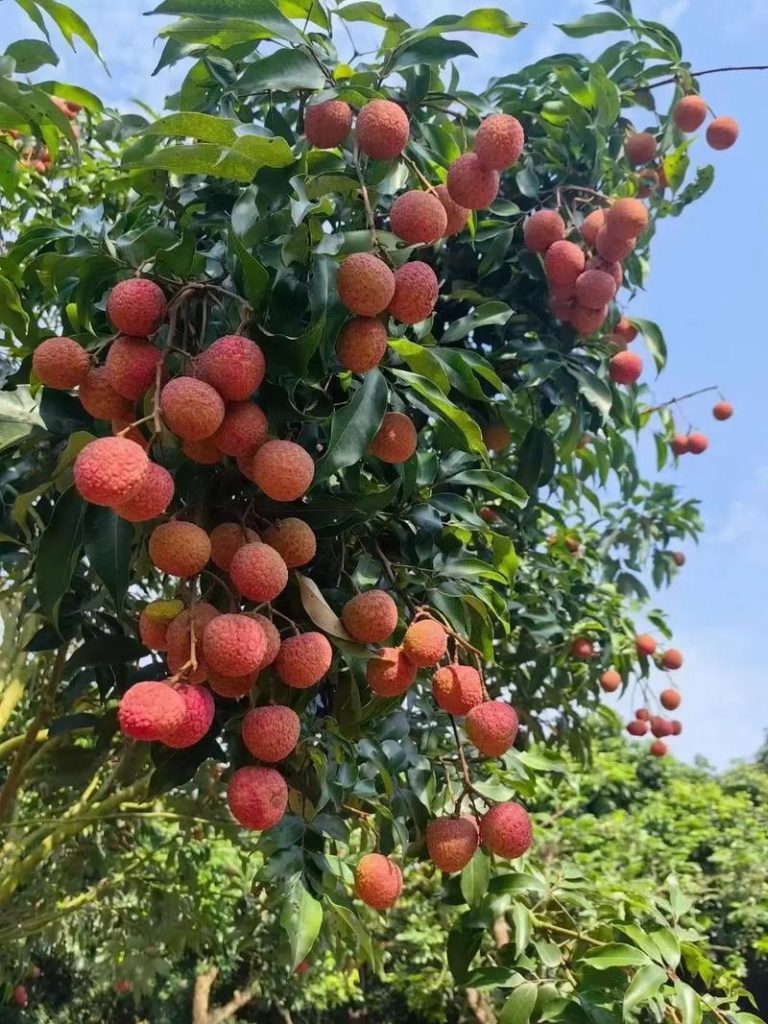
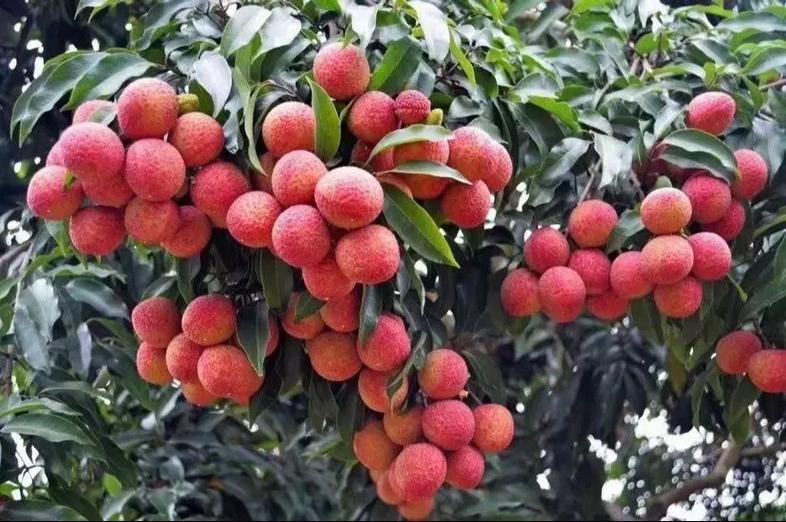
 🍒 Exporting lychee from China to international markets involves strict regulatory requirements, especially for fresh fruit. Importers must understand certifications, food safety standards, and compliance procedures to ensure smooth customs clearance and avoid shipment delays.
This guide explains the key regulations and documents required for exporting lychee from China, covering both fresh and processed products.
🌍 Overview of Lychee Export Compliance
Lychee is classified as an agricultural food product, which means exports are regulated by:
📌 Chinese authorities
📌 Importing country regulations
📌 International food safety standards
Compliance varies depending on whether the product is fresh, canned, or processed.
🧾 Key Authorities Involved in China
Lychee exports are supervised by:
🏛 General Administration of Customs of China (GACC)
🏛 Local CIQ inspection agencies
🏛 Ministry of Agriculture and Rural Affairs
Only registered orchards and processing facilities are allowed to export.
🍒 Regulations for Fresh Lychee Exports
Fresh lychee is subject to stricter rules due to plant health risks.
🌱 Orchard Registration
Export orchards must be:
✔ Registered with GACC
✔ Subject to pest monitoring
✔ Managed under GAP standards
🦠 Pest & Disease Control
Fresh lychee shipments must comply with:
🐛 Quarantine pest control requirements
🧪 Residue limits (MRLs)
🌍 Importing country plant health protocols
Some countries require pre-export treatments such as cold treatment or fumigation.
📄 Phytosanitary Certificate
A Phytosanitary Certificate is mandatory for fresh lychee exports and confirms that the fruit:
📄 Is pest-free
📄 Meets importing country requirements
📄 Has passed official inspection
Without this document, customs clearance is not possible.
🥫 Regulations for Canned Lychee Exports
Canned lychee falls under processed food regulations, which are generally less restrictive than fresh fruit.
Key requirements include:
🏭 Registered processing facility
🏭 HACCP or ISO 22000 system
🧾 Food safety inspection report
Because canned lychee is sterilized, it is not subject to plant quarantine rules in most countries.
🧪 Food Safety Standards & Testing
Lychee exports must comply with:
🧪 Pesticide residue limits
🧪 Heavy metal standards
🧪 Microbiological safety
Testing may be conducted by:
🔬 Accredited Chinese laboratories
🔬 Third-party inspection agencies
Test reports are often required by EU and US importers.
📦 Packaging & Labeling Compliance
Export packaging must meet destination market rules:
📦 Food-grade materials
🏷 Product name, origin, ingredients
🏷 Production date and shelf life
🏷 Importer information
For fresh lychee, cartons must clearly show origin and grower code.
🌐 Country-Specific Import Requirements
Different markets apply different rules:
🇺🇸 United States: FDA registration and prior notice
🇪🇺 European Union: MRL compliance and traceability
🇯🇵 Japan: Strict residue and quality inspections
🇦🇺 Australia: Biosecurity and quarantine checks
Importers should confirm requirements before shipment.
🚢 Inspection Before Shipment
Before export, shipments may undergo:
✔ Visual inspection
✔ Sampling and lab testing
✔ Packaging verification
Passing inspection ensures goods can be released for export and avoids port delays.
📑 Common Export Documents Checklist
Typical lychee export documents include:
📄 Commercial invoice
📄 Packing list
📄 Bill of lading
📄 Certificate of origin
📄 Phytosanitary certificate (fresh)
📄 Health certificate (canned)
Accurate documentation is essential for customs clearance.
⚠ Common Compliance Risks to Avoid
Importers should watch out for:
⚠ Unregistered orchards or factories
⚠ Missing certificates
⚠ Incorrect labeling
⚠ Residue levels exceeding limits
Working with experienced exporters significantly reduces these risks.
🤝 Working with Compliant Lychee Exporters
Reliable Chinese exporters typically provide:
🤝 Regulatory guidance
🤝 Document preparation support
🤝 Market-specific compliance advice
🤝 Long-term supply stability
This partnership approach helps importers expand safely into new markets.
✅ Conclusion
Understanding lychee export regulations from China is essential for successful international trade. Whether importing fresh or canned lychee, compliance with certifications, food safety standards, and documentation requirements ensures smooth customs clearance and protects your supply chain.
🍒 By working with compliant Chinese exporters, global buyers can source lychee confidently and efficiently.
Article link:https://www.vlefooena.com/lychee-export-regulations-from-china-certifications-standards-and-compliance-guide/


No reply content