
Dongguan PremiumGift BoxPackaging
Introduction
Lithuania, a dynamic Baltic nation and member of the European Union (EU), has emerged as a growing hub for retail, e-commerce, and luxury goods. As local businesses—from artisanal chocolatiers to high-end fashion brands—seek to enhance product presentation and customer experience, the demand for high-quality, customizable gift boxes has surged. China, renowned for its manufacturing prowess, cost efficiency, and design versatility, has become a top source for these packaging solutions. However, importing goods from China to Lithuania involves navigating complex regulations, logistics, and cultural nuances. This guide provides a comprehensive roadmap for Lithuanian importers, covering everything from regulatory compliance to supplier selection and risk mitigation.
Why Import Gift Boxes from China?
China dominates global gift box production, offering unparalleled advantages for Lithuanian buyers:
1. Cost Competitiveness
Labor and raw material costs in China are significantly lower than in the EU, allowing manufacturers to produce gift boxes at 30–50% less than European alternatives. For small and medium-sized enterprises (SMEs) in Lithuania, this cost advantage enables competitive pricing without sacrificing margins.
2. Design Diversity & Customization
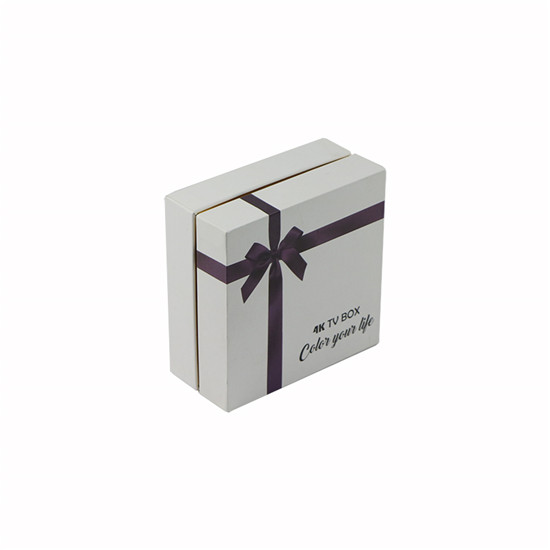
Chinese suppliers cater to diverse needs, offering gift boxes in materials like cardboard, rigid board, fabric, wood, and eco-friendly options (e.g., bamboo, recycled paper). Customization capabilities—including logo printing, embossing, foil stamping, and unique shapes—allow Lithuanian brands to align packaging with their identity.
3. Scalability & Flexibility
Whether importing small batches for niche markets or large volumes for wholesale distribution, Chinese factories adapt quickly to order sizes. Many suppliers also offer drop-shipping services, reducing inventory burdens for Lithuanian retailers.
4. Innovation & Sustainability
Leading Chinese manufacturers invest in advanced printing technologies (e.g., digital, UV, offset) and sustainable practices. Eco-conscious Lithuanian buyers can source boxes made from FSC-certified paper, biodegradable coatings, or reusable designs—aligning with EU sustainability goals.
Lithuania’s Import Regulatory Framework
Compliance with Lithuanian and EU regulations is critical to avoid delays, fines, or confiscation of goods. Below are key considerations:
1. Tariffs & Taxes
Lithuania applies EU-wide tariffs under the Common Customs Tariff (CCT). Gift boxes fall under specific Harmonized System (HS) codes:
-
HS 4819.20: Paper/cardboard boxes, cartons, and cases (customs duty: 0–6%, depending on material and origin).
-
HS 3923.10: Plastic packing containers (duty: 6.5%).
-
HS 4421.90: Wooden boxes (duty: 2.7%).
Additionally, Lithuania levies a 21% VAT on the total import value (goods + shipping + insurance). Preferential tariff rates under the EU-China Comprehensive Agreement on Investment (CAI) may apply if the supplier meets origin criteria (e.g., goods wholly obtained or sufficiently processed in China).
2. Documentation Requirements
Lithuanian customs mandates the following documents for clearance:
-
Commercial Invoice: Detailed breakdown of goods, quantities, unit prices, and total value (must match packing list).
-
Packing List: Itemizes contents per package (weight, dimensions, SKU numbers).
-
Bill of Lading (B/L) or Air Waybill (AWB): Proof of shipment (issued by carrier).
-
Certificate of Origin: Required for preferential tariff claims (issued by chambers of commerce or suppliers).
-
EUR.1 Movement Certificate: Optional for CAI-related tariff reductions (requires exporter attestation).
-
Import Declaration (Single Administrative Document, SAD): Filed electronically via Lithuania’s National Single Window (NSW) system.
3. Product Standards & Safety
Lithuania enforces EU regulations, including:
-
REACH (Registration, Evaluation, Authorization, and Restriction of Chemicals): Prohibits harmful substances (e.g., phthalates, heavy metals) in packaging.
-
Food Contact Materials (FCM) Regulation (EC 1935/2004): If gift boxes are used for food, they must be made from approved materials and labeled accordingly.
-
CE Marking: Not required for gift boxes, but if the box includes electrical components (e.g., LED lights), CE certification is mandatory.
4. Customs Procedures
Goods enter Lithuania via seaports (Klaipėda, the country’s only major port) or airports (Vilnius, Kaunas). Importers may use a licensed customs broker to handle documentation, valuation, and duty calculation. To expedite clearance:
-
Declare accurate values (under-declaration risks penalties).
-
Pre-register with the Lithuanian State Tax Inspectorate (VMI) for VAT purposes.
-
Use the EU’s “Authorised Economic Operator (AEO)” status for simplified procedures (if applicable).
Sourcing Reliable Suppliers in China
Selecting a trustworthy supplier is the foundation of a successful import operation. Follow these steps:
1. Identify Potential Suppliers
-
B2B Platforms: Alibaba, Made-in-China, and Global Sources are popular for connecting with verified manufacturers. Filter by “Gold Supplier” status, years of experience, and customer reviews.
-
Trade Fairs: Attend the Canton Fair (Guangzhou) or Hong Kong Gifts & Premium Fair to meet suppliers in person, inspect samples, and negotiate terms.
-
Industry Directories: The China Chamber of Commerce for Import and Export of Light Industrial Products and Arts-Crafts (CCCLA) lists vetted exporters.
2. Due Diligence Checklist
-
Certifications: Prioritize suppliers with ISO 9001 (quality management), FSC (sustainable forestry), or BSCI (social compliance) certifications.
-
Export Experience: Ask for references from EU clients and check if they have experience with Lithuanian or EU standards.
-
Production Capacity: Ensure the factory can meet your volume and timeline (e.g., 10,000 units/month).
-
Communication: Confirm the supplier has English-speaking staff and uses project management tools (e.g., WeChat, Trello) for updates.
3. Sample Testing
Request 2–3 sample boxes to evaluate:
-
Material Quality: Check for durability, print clarity, and absence of defects (e.g., smudging, misalignment).
-
Functionality: Test assembly, closure mechanisms, and weight-bearing capacity.
-
Compliance: Verify that materials meet REACH and FCM standards (ask for test reports).
Logistics: From China to Lithuania
Efficient logistics minimize costs and delivery times. The choice between sea, air, and land transport depends on urgency and budget.
1. Sea Freight (Most Cost-Effective)
-
Route: Major Chinese ports (Shanghai, Ningbo, Shenzhen) → Klaipėda Port (Lithuania) via the Baltic Sea.
-
Transit Time: 35–45 days (including inland transport from factory to port and port to final destination).
-
Cost: 1,500–3,000 per 20-foot container (FCL) for standard boxes.
-
Best For: Large volumes (≥500 kg) and non-urgent orders.
2. Air Freight (Fastest Option)
-
Route: Chinese airports (Shanghai Pudong, Beijing Capital) → Vilnius Airport (VNO) or Kaunas Airport (KUN).
-
Transit Time: 5–7 days.
-
Cost: 4–8 per kg (varies by weight and season).
-
Best For: Small, high-value, or time-sensitive orders (e.g., holiday season).
3. Land Transport (For Neighboring Regions)
-
Route: China → Poland/Germany (by rail or road) → Lithuania (via EU’s TEN-T network).
-
Transit Time: 20–25 days (rail) or 15–20 days (road).
-
Cost: 2,000–4,000 per container.
-
Best For: Balancing cost and speed, especially for goods transiting through EU hubs.
Key Logistics Partners
-
Freight Forwarders: DHL Global Forwarding, Kuehne + Nagel, or local agents in Lithuania (e.g., UAB “Jungent”).
-
Customs Brokers: Use firms accredited by the Lithuanian Customs Department (e.g., UAB “Customs Brokerage Services”).
Quality Control & Risk Mitigation
Poor quality can damage brand reputation and lead to financial losses. Implement these controls:
1. Pre-Shipment Inspection
Hire third-party agencies like SGS, Intertek, or Bureau Veritas to inspect goods before shipment. They verify:
-
Quantity matches purchase orders.
-
Dimensions, colors, and logos align with specifications.
-
No defects (e.g., dents, scratches, faulty closures).
2. Intellectual Property (IP) Protection
-
Sign Non-Disclosure Agreements (NDAs) with suppliers to safeguard designs.
-
Register trademarks in China (via the China Trademark Office) and Lithuania (via the State Patent Bureau of Lithuania).
-
Avoid counterfeit-prone suppliers by checking for past IP violations.
3. Payment Security
-
Use Letters of Credit (L/C): Guarantees payment upon document verification (ideal for first-time buyers).
-
Escrow Services: Platforms like Alibaba Trade Assurance hold funds until the buyer confirms receipt of goods.
-
Avoid 100% upfront payments; negotiate milestones (e.g., 30% deposit, 70% after inspection).
Cultural & Market Considerations
Lithuanian consumers value aesthetics, sustainability, and functionality. Align your imports with local preferences:
1. Design Preferences
-
Minimalist, elegant designs resonate with Lithuania’s sophisticated urban consumers.
-
Seasonal themes (e.g., Christmas, Easter) sell well during holidays.
-
Include multilingual labels (Lithuanian, English, Russian) for broader appeal.
2. Sustainability Demand
Lithuania ranks among the EU’s greenest nations, with 60% of consumers preferring eco-friendly packaging. Highlight:
-
Recycled materials (e.g., post-consumer waste paper).
-
Biodegradable coatings (e.g., water-based inks).
-
Reusable designs (e.g., foldable boxes that double as storage).
3. E-Commerce Adaptation
With e-commerce accounting for 12% of Lithuania’s retail sales (Eurostat, 2023), prioritize:
-
Durable boxes that withstand shipping.
-
Easy-open features (e.g., magnetic closures).
-
Space for branding and marketing inserts (e.g., thank-you cards).
Case Study: A Lithuanian Luxury Brand’s Success Story
Company: “Vilnius Vintage,” a Vilnius-based retailer of handmade jewelry.
Challenge: Needed premium gift boxes to complement high-end products but found EU suppliers too expensive.
Solution: Imported rigid cardboard boxes from a Guangdong supplier via sea freight. Key steps:
-
Selected a supplier with ISO 9001 certification and EU export experience.
-
Ordered samples with gold foil stamping and velvet interiors (aligned with brand luxury image).
-
Conducted pre-shipment inspection via SGS to confirm quality.
-
Used a Lithuanian customs broker to streamline clearance (paid 21% VAT, no duties due to low HS code rate).Outcome: Reduced packaging costs by 40%, improved customer satisfaction, and increased repeat purchases by 25%.
Future Trends Shaping the Gift Box Market
Lithuanian importers should anticipate these shifts:
1. Personalization at Scale
Demand for customized boxes (names, dates, photos) will grow. Chinese suppliers now offer digital printing for short runs (≥100 units).
2. Smart Packaging
Integration of QR codes (linking to brand stories) and NFC chips (for authenticity verification) will appeal to tech-savvy consumers.
3. Circular Economy Models
Reusable gift boxes (e.g., convertible to gift bags) and take-back programs will gain traction as Lithuania pushes toward zero-waste goals.
Conclusion
Importing gift boxes from China to Lithuania offers Lithuanian businesses a strategic advantage—combining affordability, customization, and scalability with EU-compliant quality. Success hinges on meticulous planning: understanding regulations, vetting suppliers, optimizing logistics, and aligning with local market trends. By partnering with reliable stakeholders and prioritizing sustainability, Lithuanian importers can turn packaging into a competitive differentiator, delighting customers and driving growth.
For entrepreneurs ready to embark on this journey, start by defining your brand’s packaging needs, researching suppliers, and consulting with logistics experts. With the right approach, importing from China can be a seamless and profitable venture.


No reply content