As urban populations grow and lifestyles evolve, traditional housing can no longer meet the diverse needs of modern society. People increasingly seek homes that are adaptable, efficient, and sustainable. Mobile homes, pod-style cabins, and container houses have emerged as practical solutions that redefine modern living. These modular homes combine mobility, functionality, and contemporary design, offering a new approach to housing for individuals, businesses, and tourism operators.
This article explores the design principles, construction methods, and applications of modern modular housing, demonstrating how these structures are transforming the way people live and work.
1. The Rise of Modular Housing
The demand for flexible living spaces has grown dramatically in recent years. Factors such as urban density, remote work, tourism expansion, and environmental concerns have contributed to the popularity of modular homes. Unlike traditional buildings, these structures can be relocated, expanded, or customized to meet changing needs.
Benefits of Modular Housing
- Rapid Construction: Factory-based production allows faster assembly.
- Portability: Units can be moved or relocated easily.
- Cost Efficiency: Reduced labor and materials compared to conventional construction.
- Sustainability: Minimal on-site waste and lower environmental impact.
- Customizable Design: Homes can be tailored for residential, commercial, or tourism use.
These advantages make modular homes a practical and future-ready solution for a variety of applications.
2. Mobile Homes: Comfort in Motion
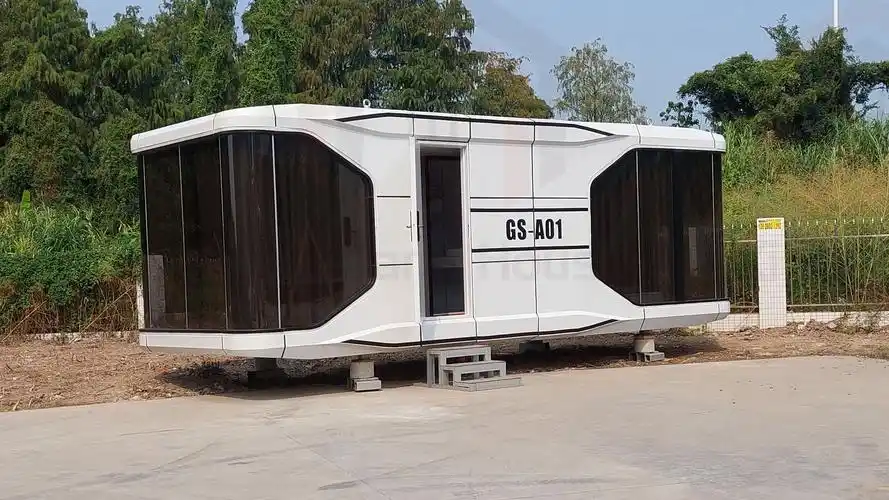
Mobile homes are designed to offer the convenience of a traditional house with the added benefit of mobility. They are suitable for families, businesses, and individuals who require temporary or flexible living spaces.
Structural Features
- Steel Frame Construction: Provides durability for transportation and long-term use.
- Insulated Walls and Roofs: Maintain indoor comfort across seasons.
- Weatherproof Exteriors: Protect against rain, wind, and UV exposure.
- Stable Foundations: Ensure safety on uneven terrain or temporary locations.
Interior Design
Space-efficient design is key to mobile homes. Features often include:
- Compact bedrooms with multi-functional furniture
- Full bathrooms with space-saving layouts
- Kitchenettes with essential appliances
- Living and dining areas optimized for comfort
- Integrated storage throughout the interior
Applications
- Tourist rental cabins
- Temporary housing for construction or industrial sites
- Weekend or seasonal homes
- Emergency shelters
- Countryside retreats
Mobile homes combine practicality and aesthetics, creating comfortable living spaces anywhere.
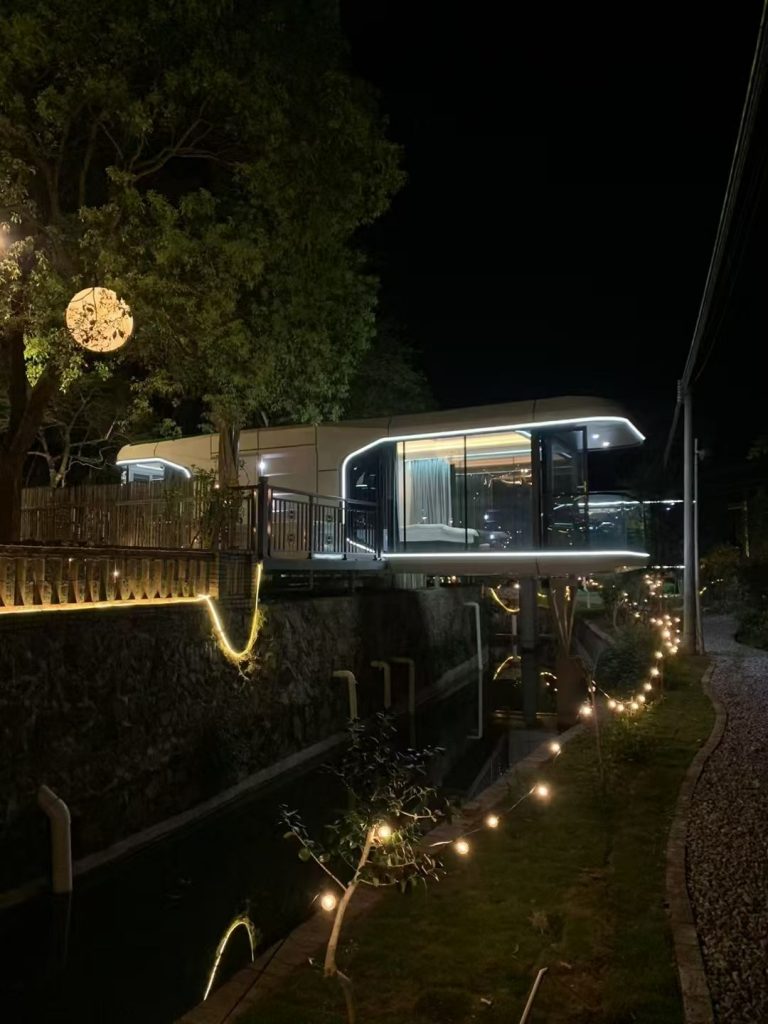
3. Pod-Style Houses: Futuristic and Efficient
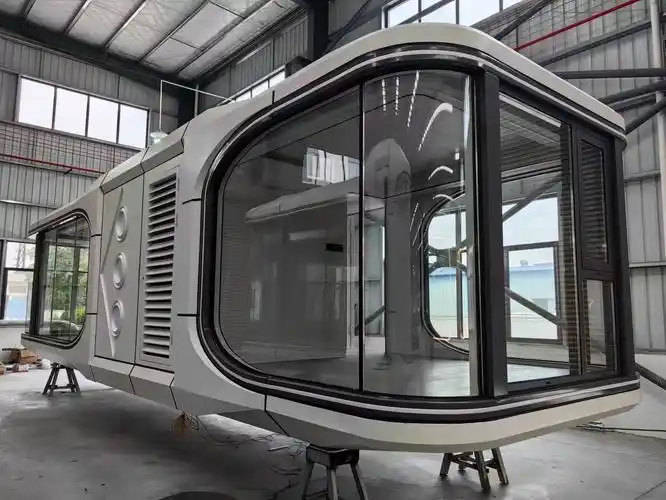
Pod houses are inspired by modern and futuristic architecture. Their compact designs, innovative layouts, and unique shapes make them ideal for residential, commercial, or tourism projects.
Key Features
- Curved Exterior Shells: Enhance aesthetics and energy efficiency.
- Durable Composite Materials: Provide structural strength and weather resistance.
- Panoramic Windows: Maximize natural light and offer scenic views.
- Multi-functional Furniture: Saves space and improves usability.
- Smart Systems: Optional features include climate control, automated lighting, and security.
Applications
- Glamping or eco-tourism resorts
- Remote cabins for nature retreats
- Backyard guest houses or studios
- Creative workspaces for freelancers or small businesses
- Off-grid living solutions
Pod houses provide both practical living spaces and an immersive lifestyle experience.
4. Container Houses: Strength and Adaptability
Container houses are known for their durability, modularity, and industrial strength. Repurposed shipping containers are transformed into comfortable, modern homes suitable for a variety of environments.
Structural Advantages
- Strong steel construction for long-term stability
- Stackable and modular, enabling multi-level configurations
- Quick assembly and easy relocation
- Insulated walls for thermal comfort
- Flexible layouts suitable for residential, commercial, or mixed-use
Interior Features
- Fully equipped kitchens and bathrooms
- Comfortable sleeping and living areas
- Built-in furniture for efficient space use
- Optional smart home technology integration
Applications
- Workforce housing and dormitories
- Temporary offices and field facilities
- Student housing
- Retail pop-ups or small commercial units
- Emergency relief or medical shelters
Container houses combine industrial strength with modern design, offering practical and versatile solutions.
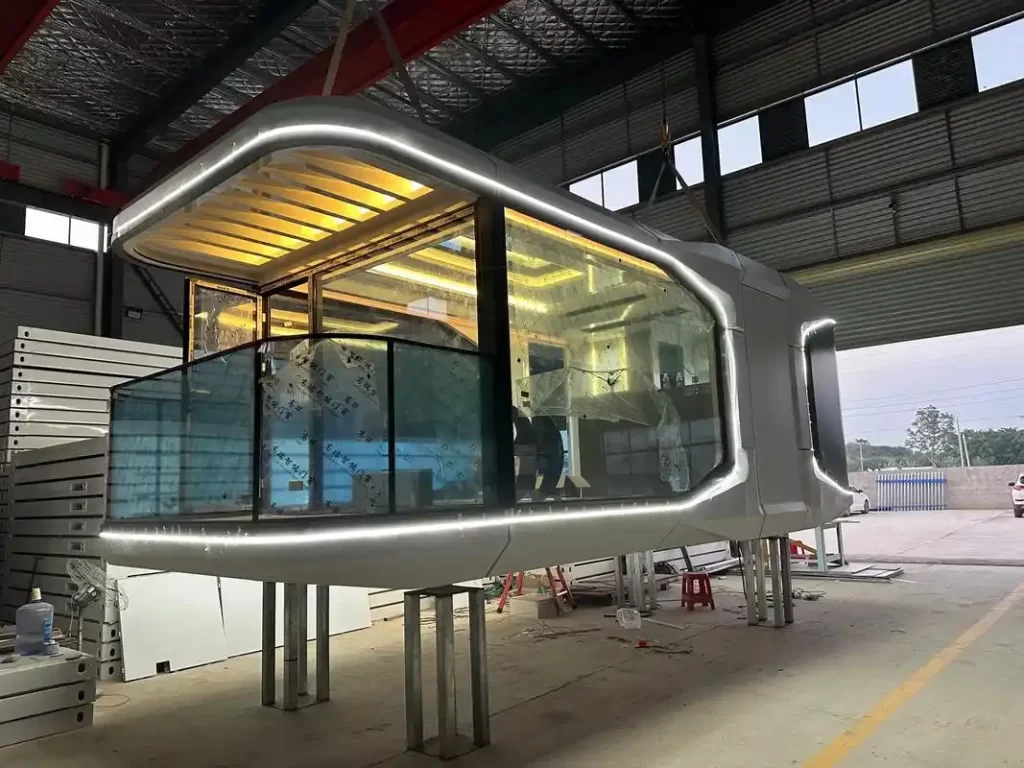
5. Manufacturing and Quality Control
Producing high-quality modular homes requires precision engineering and careful attention to detail.
Production Steps
- Steel Frame Construction: Frames are welded and treated to prevent corrosion.
- Wall and Roof Panel Installation: Insulated panels are installed for thermal efficiency.
- Mechanical, Electrical, and Plumbing Integration: Pre-installed systems for fast setup.
- Interior Fit-Out: Flooring, cabinetry, furniture, and fixtures are installed.
- Exterior Protection: Weatherproofing and protective coatings applied.
- Quality Inspection: Each unit undergoes rigorous testing for safety and performance.
This process ensures modular homes are durable, functional, and ready for immediate use.
6. Environmental and Economic Benefits
Modular housing offers significant advantages for both sustainability and cost-efficiency.
Environmental Benefits
- Reduced construction waste
- Minimal site disturbance
- Use of recyclable and sustainable materials
- Integration with solar power or off-grid systems
Economic Benefits
- Reduced labor costs
- Faster deployment and quicker ROI
- Flexibility for relocation or resale
- Long-term durability reducing maintenance costs
These factors make modular homes attractive for investors, developers, and environmentally conscious buyers.
7. Customization and Client Needs
Modular homes can be tailored to meet individual requirements. Custom options include:
- Exterior finishes and colors
- Window designs and layouts
- Interior configurations and furniture
- Smart home technology
- Energy efficiency solutions
- Outdoor decks, terraces, or extensions
Customization ensures that each home fulfills the unique needs of its users.
8. The Future of Modular Housing
The future of modular homes is shaped by technological innovation, sustainability, and creative design. Trends include:
- Lightweight, high-strength composite materials
- Expandable or foldable modular units
- Renewable energy integration
- Smart home automation
- Climate-adaptive construction materials
- Multifunctional interior layouts
As innovation continues, modular homes will play a central role in providing flexible, sustainable, and modern housing solutions worldwide.
Conclusion
Mobile homes, pod houses, and container houses are transforming the concept of modern living. They offer mobility, sustainability, efficiency, and style, making them suitable for residential, commercial, and tourism applications.
By adopting modular construction, manufacturers and developers can provide homes that are practical, adaptable, and forward-thinking, meeting the evolving demands of contemporary society.
Article link:https://www.vlefooena.com/modern-modular-homes-the-future-of-flexible-living/


No reply content