The global shift toward flexible living has reshaped how people think about housing, comfort, and mobility. As modern lifestyles demand faster construction, cleaner environments, and more adaptable spaces, mobile homes, space pod houses, and container houses have become the new generation of living solutions. They no longer serve only temporary workers or remote-site projects—today, they represent an entire movement toward sustainable, efficient, and customizable living.
This article explores the philosophy, craftsmanship, and future potential behind modern modular living units from the perspective of a dedicated manufacturer specializing in mobile homes, futuristic space pods, and multifunctional container houses.
1. The Philosophy Behind Modern Modular Living
Modern modular housing is built on three core principles:
mobility, durability, and personalization.
Traditional housing is fixed, time-consuming to build, and expensive to maintain. In contrast, modular units are designed with the idea that living spaces should move with people—not the other way around. Whether used for tourism, commercial projects, remote accommodations, or creative residential developments, modular homes give people control over location, layout, and cost.
This mindset is what inspires the engineering behind every mobile home and space pod unit:
- Spaces must be compact yet comfortable.
- Structures must be strong yet lightweight.
- Designs must be timeless yet customizable.
It is not simply a house; it is a lifestyle tool.
2. Mobile Homes: Flexible Living with Real Comfort
Mobile homes have evolved far beyond basic caravans. Modern designs focus on structural strength, acoustic performance, thermal control, and functional layout. A well-engineered mobile home must balance portability with long-term living comfort.
Key Engineering Features
- Steel frame support that maintains integrity during transportation.
- Thermal insulation panels that perform well in both hot and cold climates.
- Waterproof and fire-resistant materials for long-lasting reliability.
- Flexible floor plans that include sleeping areas, kitchens, bathrooms, and lounges.
Typical Applications
- Tourism parks
- Countryside rentals
- Farm accommodations
- Emergency housing
- Worker camps
- Remote business sites
Each project calls for different layouts, which is why modular floor planning is highly valued. With standardized structural modules, homeowners can expand, reduce, or customize their space at any time.
3. Space Pod Houses: Futuristic Living for Creative Spaces
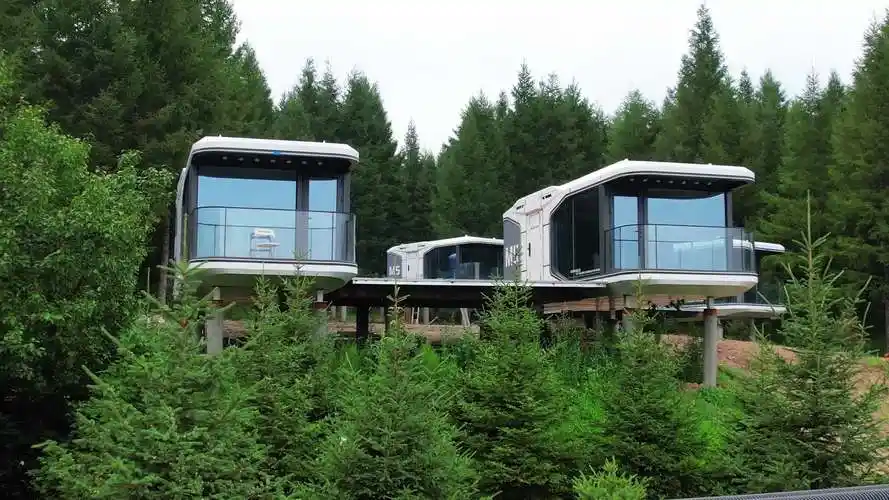
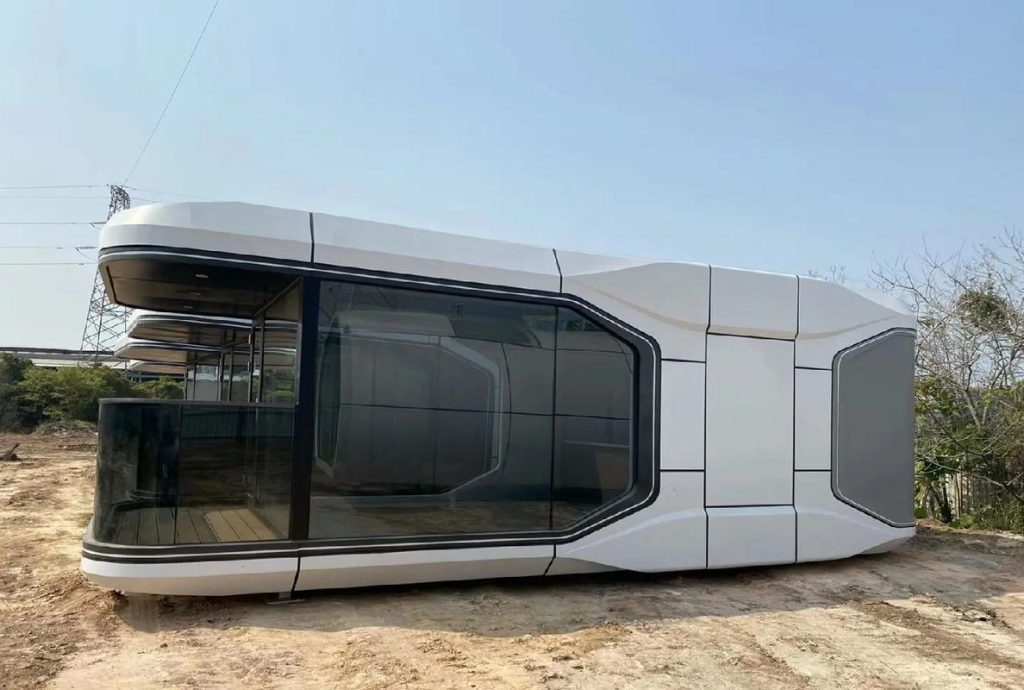
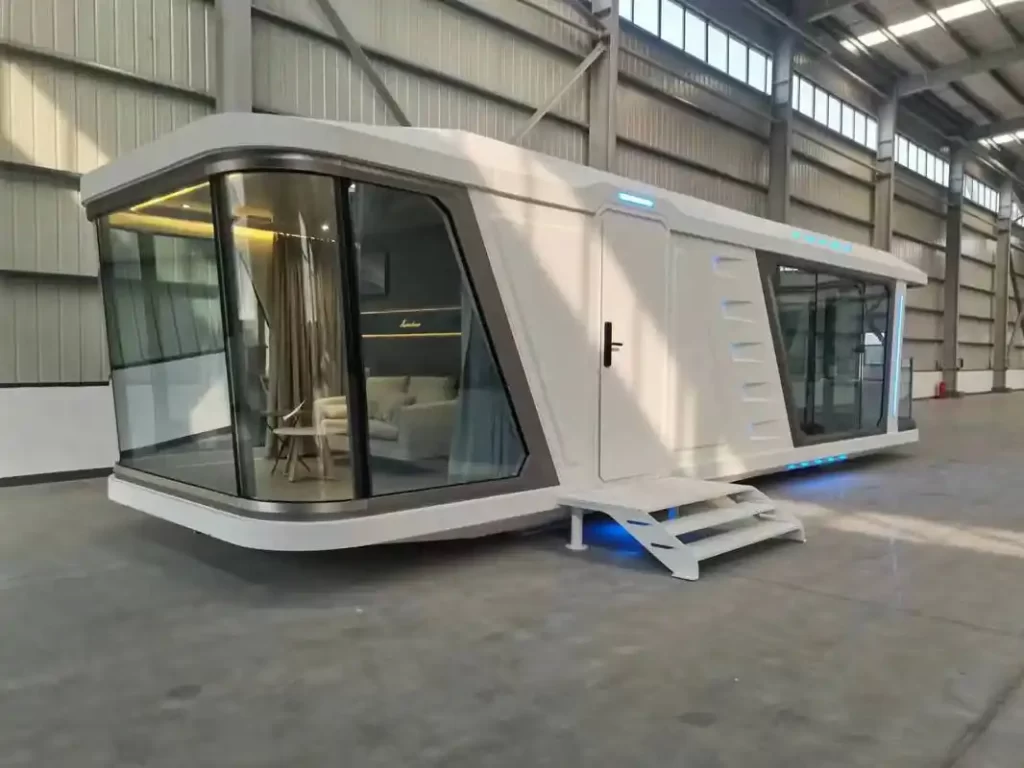
Space pod houses represent the next stage of modular design. Their modern curves, compact structure, and futuristic style make them ideal for scenic resorts, smart tourism zones, and eco-friendly developments. They offer a unique experience while providing the practical features of a standard small home.
Design Characteristics
- Streamlined aerodynamic shell inspired by futuristic architecture
- Integrated interior modules for efficient use of space
- 360-degree lighting and large viewing windows
- Energy options including solar integration
- Built-in smart home systems (optional)
Why Space Pods Are Rising in Popularity
People want something different. Space pods offer a blend of aesthetics, comfort, and storytelling—making them perfect for influencers, tourism operators, or property developers who want high-impact visual appeal. These houses turn ordinary land into a destination.
4. Container Houses: Strong, Scalable, and Economical
Container houses have become a global architectural trend because they deliver the strongest structure among modular units. Built using reinforced steel frameworks and precision-cut panels, these houses can be used individually or combined into multi-floor structures.
Advantages
- High structural stability
- Quick installation and easy relocation
- Cost-effective building solution
- Expandable layouts using multiple modules
- Suitable for long-term or commercial use
Common Usage Scenarios
- Site offices
- Student housing
- Temporary shops
- Outdoor event rooms
- Worker dormitories
- Disaster relief housing
What makes container houses special is the balance between industrial durability and modern interior design. With the right layout, container homes look stylish, clean, and surprisingly comfortable.
5. Craftsmanship and Production Standards
Behind every modular unit is a manufacturing process that values precision and reliability. Producing mobile homes, space pods, and container houses requires a combination of structural engineering, interior craftsmanship, and long-term durability testing.
Key Manufacturing Principles
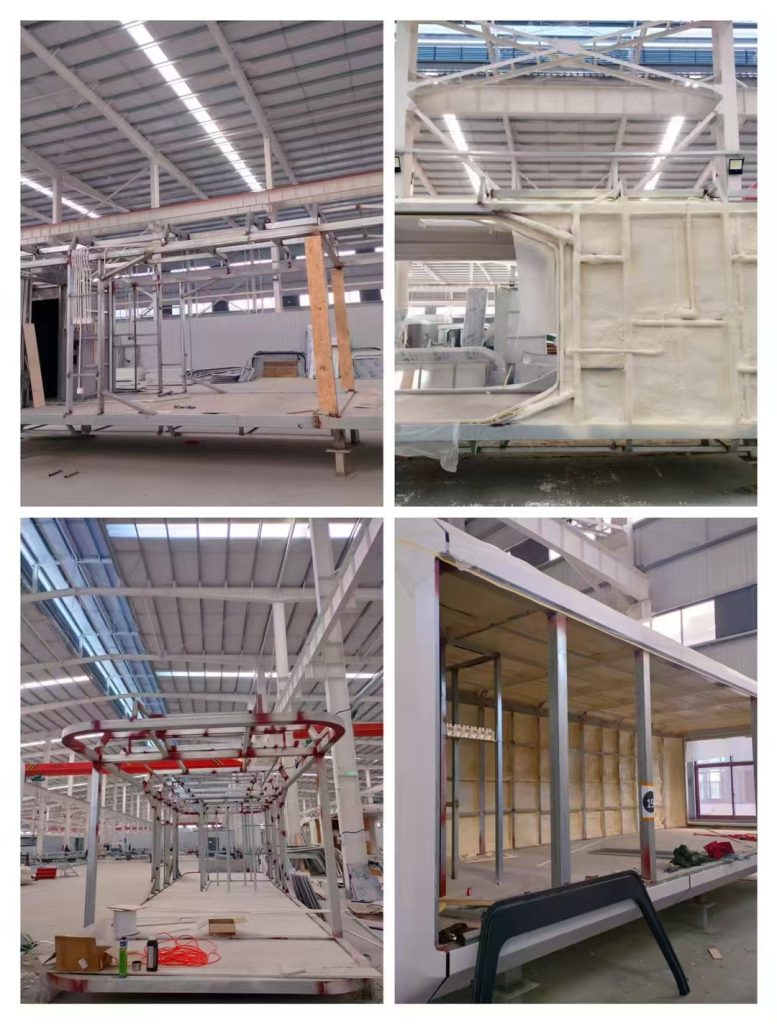
- High-strength steel frames processed with anti-rust treatment
- Precision fabrication using CNC cutting and modular assembly
- Insulation systems tailored to various climate zones
- Interior finishing with durable materials suited for both rental and private use
- Waterproof, moisture-proof, and fire-resistant layers
- Quality inspection standards applied to every unit before shipping
The result is a house that can be transported long distances, installed quickly, and used for years.
6. Environmental and Economic Value
Modular housing aligns with global sustainability trends. Compared to traditional brick-and-cement construction, modular units create significantly less waste, require shorter construction times, and often use recyclable materials.
Environmental Benefits
- Reduced construction waste
- Lower energy consumption during manufacturing
- Ability to install off-grid energy systems
- Recyclable materials used in the structure
Economic Benefits
- Faster return on investment for resorts and rental businesses
- Lower initial construction cost
- Less labor needed during installation
- Long-term reusability and relocation
For property developers, tourism operators, and private investors, modular units offer a smart way to build new spaces quickly without sacrificing comfort or aesthetics.
7. Customization: The Heart of Modern Housing
No two customers require the same home. Some need a simple sleeping cabin; others need a fully equipped long-term residence. Customization is what makes modular homes so effective.
Customization Options
- Floor plan redesign
- Exterior color and panel selection
- Window layout
- Roofing style
- Interior furniture materials
- Electric systems
- Bathroom and kitchen modules
- Smart home upgrades
- Off-grid energy solutions
Whether for a mountain campsite or a luxury resort, each unit can be built to match the environment.
8. The Future of Modular Housing
Modular living will continue to grow as more people pursue flexibility, sustainability, and convenience. New developments are already emerging:
- AI-assisted smart home systems for energy management
- Lightweight composite materials for stronger shells
- Self-cleaning exteriors
- Multi-unit stackable structures
- Solar-integrated roofing
- Smart tourism accommodations designed for digital travelers
The future of housing is mobile, efficient, and customizable—and modular units are leading the way.
Conclusion
Mobile homes, space pod houses, and container houses represent a new standard in modern living. They combine the freedom of mobility with the comfort of permanent housing, offering limitless possibilities for tourism, commercial development, and personal lifestyle projects.
These homes are not only products—they are solutions. They redefine what living can be: flexible, sustainable, and beautifully designed for today’s world.
Article link:https://www.vlefooena.com/modern-modular-living-a-new-era-of-mobile-homes-and-space-pod-houses/


No reply content